1 free read left. Create a free account for unlimited reading + AI research.
Create free account
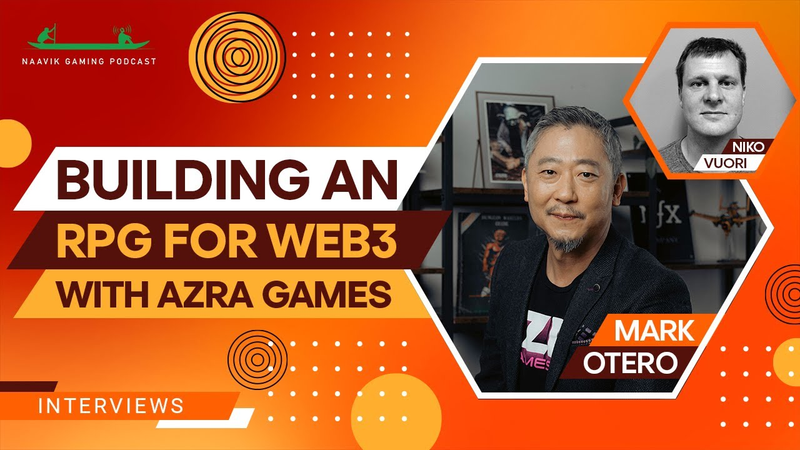
Building an RPG for Web3 With Azra Games
Key insights
6 takeaways- 01Azra Games is developing 'Legions and Legends' with $25 million in funding, focusing on high-quality RPG gameplay to bridge the gap between traditional gamers and crypto-native participants.
- 02To mitigate the 'Time Value Paradox,' the studio employs a dual-funnel system that separates traditional players seeking intrinsic satisfaction from crypto-native speculators interacting with utility tokens.
- 03The project uses 'The Hopeful,' a free-mint NFT collection, as a long-term access pass to foster community engagement without prioritizing speculative asset value.
- 04Development strategy relies on rigorous A/B testing between NFT holders and professional gamers to eliminate feedback bias and ensure gameplay quality.
- 05The studio utilizes AI-driven production workflows to reduce development costs by over 50% while maintaining a local-first office culture.
- 06The studio’s core philosophy dictates that blockchain technology must function as a background utility rather than a primary feature to achieve mainstream gaming adoption.
Ask AI about this video
Transcript
foreign [Music] gaming podcast where it is our mission to explore the business and future of video games we bring together the industry's brightest Builders investors and thinkers to keep a full sun current events dissect emerging Trends and games share Lessons Learned and have a great time this podcast is also part of novik's growing ecosystem which ranges from free and premium research to Consulting and advisory services for more information visit www.navic.com now let's jump into the episode hello and welcome to the novik gaming podcast I'm your host Nico voori today we are going to shine a spotlight on a web 3 gaming studio that is one of the best capitalized and arguably best set up for Success out there and that is azure games they are led by Gaming veterans from the world of web 2 and have a ton of experience building in their chosen genre which is RPGs I wanted to
understand why they see RPGs as a good fit for web 3 how azra is incorporating nfts and web3 elements into their game design and how they see the current web3 gaming environment evolving as was currently working on his first title called Legions and legends and they have raised 25 million to do so which is not bad for a seed round Andries and Horowitz led the financing and the company is led by long-time RPG veteran and creator of one of the top grossing RPGs of all time Mark Otero Mark is one of those game designers who knows his strengths he's an RPG guy through and through having co-founded a studio that was acquired by EA back in 2011 then developing Star Wars Galaxy of Heroes while at EA's Capital game Studio out of Sacramento and Galaxy of Heroes of course has grossed more than 1 billion in lifetime revenues so Mark knows what he's doing with RPGs Mark welcome to the pod it's a pleasure to be here thank you for having me awesome all right well with the intro out of the way uh let's get into the questions and with guests such as yourself with with deep
backgrounds in a particular genre of games and you know having done the startup thing of the big company thing um I always like to hear and our listeners like to hear the journey uh so what is the journey that you've been on you know as a founder and as a ea guy and now founding a web 3 studio with Azure games tell our listeners more about who you are and what Journey you're you're on you know um I was not initially a huge supporter of web3 in fact in 2021 I kept hearing about it my neighbors kept talking about it and um I was having barbecue with my neighbor and he told me how well his friends were doing and uh you know so I bought some coins the usual basket of coins sometime around May or June of 2021 and I think the market was going through a correction at the time and so I was also developing some AI tools uh just on my own free time and it decided to point some of these tools to learn um more about the the crypto market so
but around November December time frame um it dawned on me that you know players can own these virtual Goods in a way that um they haven't able to before and so when I made that connection around December time frame I was like oh this is a a new opportunity to to do something interesting with virtual Goods which I haven't seen before um this is fun again this is like a new challenge and so I decided to return to gaming um after a brief retirement from gaming and it was a new challenge to make a new type of RPG game that was web3 sensitive and you've obviously got a long history um making hit RPGs I'd actually love for you to talk a little bit about this is not your first RPG you're not your first rodeo I think I read somewhere you're on like number five or six or seven or eight um maybe you've even lost count so I'm curious to hear what are you trying to do differently now with Azure games
um as it relates to RPGs obviously we've got the digital ownership component which you just alluded to in your in your introduction um what are you doing incorporating web 3 elements into your game design with Legions and legends and specifically as it relates to RPGs okay a bit of background about myself which may explain my obsession and fetish with RPG games is um you know I grew up in South Korea and in the 80s and I would say probably the golden age or at the beginning of the golden age of tabletop RPG games I became just absolutely seduced um by a number of tabletop games including eventually Mech Warrior and I got into a lot of trouble in um elementary school middle school and high school because I would bring the books with me to read and play and so that kind of set the foundation for you know what inspired me to create stories and so I would go on to to co-found a RPG games company we published and we designed so I
designed and produced RPG game those ended up becoming um these hit game I felt very fortunate for that and then just kept learning new things about the RPG genre and just kept pushing myself and so I've only done RPG games and I've done eight of them in a row and I know that's pretty sick but it's and the reasons for that ultimately is in addition to being inspired at a young age when you when you think about games we ultimately make them for human beings and I'm fascinated by the fantasies and aspirations of humans and here's why what I've learned is that RPG games they're really interfaces to self-actualizing your deepest desires and Fantasies and you know as as humans we manifest these fantasies through activities for example you know people move up the corporate hierarchy you know to make more money
um and to and to build wealth or they pursue other activities to build well um there are other people who pursue activities where they're in positions of power um and others you know they pursue activities of love and romance and and the reason why I share that with you is because each one of these can be self-actualizing activities and the moment I realized that I created something called the philosophy of fun and this is something that I'll eventually write a book on and it really speaks to human desires and and the more that you understand human desires the more that you can realize that with RPG games they are in my opinion one of the purest forms the lowest friction interfaces for self-actualizing your needs so if you envision mad love power to your need you know the top most point of the triangle is self-actualization and this is why you know when you look at for mobile games which was my eighth game Star Wars Galaxy of Heroes
you know when you take a look at RPG games they're not the largest category of games they're certainly one of the larger ones you know they make up anywhere from 14 to 17 of the installed but they make up over 40 of the total gross revenue and and why is that and there's a variety of ways you can interpret it and the way I interpret it is it's a strong proxy for for supporting my hypothesis that RPG games fulfill uh self-actualizing fantasy and so ultimately because that's what I'm most obsessed about understanding the humans that play these games and want to fantasize and aspire um this is this is why I focus on one genre which is RPG games yeah and that makes so much sense you know once you kind of developed that that philosophy that you're developing and then of course get the practice right you know okay making is all about getting better with with doing right um that makes total sense um the
follow-on question really from there is so I get why RPGs you're obviously obsessed with the genre and the self-actualization piece but why do you think RPGs are good fit for web 3 um the big reason the main reason I wanted to have you on this on this pod is specifically to kind of understand that question uh because there aren't that many RPGs being developed in web3 and certainly there are none that are as well funded or as experienced as you guys are uh in this genre so I really want to hear and our listeners I know what I hear why web 3 for RPGs what is the the the extra element that web3 brings to this genre of games so I'm going to answer your question with um sharing a quick story a journey and then I'm going to introduce some Concepts that I've developed to to help me on this journey and so when I first decided to come back to gaming in q1 of 2021 I called up my friends
and we're now almost 50 folks here in stock mostly here in Sacramento and over 50 of the studio uh were roughly 50 percent is is made up um of of former colleagues of mine that came from my previous studio so we're located one mile from the studio I co-founded and that's worked out quite well for us and so 40 of the team um at oswara games is they worked on the previous game with me and so and some colleagues we worked on eight games together and so this was a journey so we went into the space I started asking questions um and and we created a a 100 page research document on the space and a span of about three to four months to understand what is the aspiration within web3 that was the first question I have to ask so using the philosophy of fun I asked what is the what is the interface what are people interfacing to and what I quickly learned after a few months is that when you take a look at
web3 and this is something that I've spoken at GDC and gamespeed recently is historically there were there were two player types or two player classes within the game Space you have the players and the developers but that was a very mature and stable relationship then a new character class came and and this character class was different than the other two uh and they were wealth seeking and the activities that they participate in are largely through speculation and so first I had to identify the fantasy then the player classes within the space that's one the next thing I have to understand is what I coined and created called the time value paradox and this is a very important concept especially given that with nfts and with tokens you know they can be freely exchanged across a variety of of platforms or even one to one and so the time value Paradox
is what I call the race to zero and it goes like this I'll start with an example so let's say that you make a thousand dollars an hour and I make one dollar an hour for whatever reason you play our ninth RPG for 10 hours I play our ninth RPG for 10 hours you receive the emerald sword of Doom I received the emerald sword of Doom you decide to list your sword for 25 cents in the market because it's an nft I see that oh sorry I decide to lift it in nft because I'm making a buck an hour for 25 cents you see it and go huh that's interesting now as someone making a thousand dollars in an hour you're probably a very logical person so you're gonna say your time has just been valued to 25 cents and you actually may be delighted by that or you may Rage Quit say you're delighted by it and you go oh
great and then you find that I am now listing other items because I got my friends I got my family I got my grandmother I got my grandfather because they have Surplus time and they begin to devalue their own labor it's now 20 15 cents you're here delighted you continue to buy well there's a problem with that is that the game becomes no longer fun or challenging or interesting it's the same reason why I don't play Tic-Tac-Toe anymore I've already mastered it because your time has been devalued to the pennies what I call the race to zero you're now going to find yourself not enjoying the game and so I had to create a number of Frameworks with the team to understand what are the challenges but we also had to accept you know what are the realities of this space and so the realities are with the time value Paradox we had to solve that the next thing we had to solve was what I call
the Dual funnel system and the Dual funnel system goes something like this so web3 crypto natives not all but many are speculators and their philosophy of fun is to pursue wealth it's not all that different than people who trade stocks for living their game is to pursue wealth that's actually a game for them so once you understand that that's a game you want to respect that now let's put that in a box the other side of players traditional players play games for intrinsically rewarding and motivating reasons right so when people say fun um they're usually pursuing some activity they're playing a match three game uh they're feeling really smart and they're achieving Mastery solving these really wickedly difficult puzzles as you progress for RPG game players if they're pursuing
let's say a wealth I mean a power fantasy where you collect more powerful gear more powerful weapons what's happening mathematically is they're graduating um mathematically increases the amount of power and so even though they may not express that's what fun is that is what fun is for those players and so these are intrinsically rewarding and motivating games let's put that in another box and so here what you have are two boxes two different aspirations that you have to solve the the natural thing to do is to want to co-mingle them and to bring them together but it's my opinion if you do that you will destroy your game you will destroy your game because the wealth fantasy is actually much stronger and so the game will eventually just play to that and become that game and you will have in my opinion a very small dedicated audience and it's
uncertain if it's sustainable and so that's a very difficult problem to solve and so the way we've approached it and the way we say that we are web sensitive RPG game because first and foremost you have to develop a fun game and so if you if you want to develop a fun game you know developing a fun game is really hard I only make one type of game and every game is is hard work because you're looking to innovate you're looking to push and so I believe for for web 3 games to be um to have a much larger audience and for it to sustain over many many years it must be intrinsically rewarding and motivating because then you can sustain it and so the first thing you have to do in my opinion at least that's the way we're approaching it you have to develop a fun game now people say of course you have to do
that well hold on you know we have 24 hours in a day we all do why am I bringing that up I'm bringing that up because everyone's 24 hours is already filled up with activities and habits they already have a Rhythm of Life they have HBO they have Netflix maybe let's say they're playing Star Wars Galaxy of Heroes and so you have to develop a game so good and compelling that you're going to replace one of those slots in the human programming schedule and so that's the first thing that we have to do once you've achieved that it is our opinion that you can then begin thinking about web 3. this is why we say we're web3 sensitive in that the web3 elements at least for our our first game it doesn't have the activities don't happen within the game they happen around the game
and so that's how we're approaching bifurcating the aspirations of these two player types the RPG players who find games fun entertaining in the traditional way and it's free to play and then you have the web 3 crypto natives who are playing the wealth game around the game not in the game and so I believe with this approach the fun game itself becomes the engine that drives activities within and around the game to make it sustainable that's our approach that that's something that um that we designed in July of last year so we've had this for a while now and this was after many many months of of of of study of debate and so once we landed on that we felt very comfortable with our approach and we were not easily seduced by all
the noise that was happening around us so I don't know if you remember this but last year the meta was you must have land right oh yeah every every month or so there's a new meta yes of course the land craze nobody talks about land anymore funny that right we knew I knew even I knew early on in March the meta was going to be short-lived um how did I suspect that well if you're anyone who's built a game before will know that building a game in itself is is like creating a miracle okay now you add a second game called the land game and you're now building two games in one so now having to do two miracles and so the moment I saw that I was like huh if you're gonna do a land game you've got to focus on just being a land game company if you're going to focus on a non-land
game then that's what you should probably focus on because doing both you're going to have to have multiple teams with a shared Vision to somehow bring that all together which is extraordinarily difficult and I personally wouldn't know how to do that and so it was really quick for us to say hey we're not doing this you know land uh land meta doesn't make sense I don't think people realize how difficult it is to just make one game let alone meta on top of that and so we avoided all that stuff and it's the same reason why we didn't have any in-game assets that we pre-sold including a token and the reason for that is we didn't have these Frameworks designed yet and we didn't have a hundred percent idea of the game that we're building so how can we even design or sell assets to people with the expectation that we know exactly what game we're building because the moment you begin to sell these assets you've already established an expectation for the community and you've designed a design expectation
of your game that you are now beholden to that may not be the best decision for the game you end up with and so you compromise we avoided all that stuff all of it um I'd like to think that it's because we're more disciplined but I think a big part of it is because we had enough doubt to realize we just didn't know enough so there's a lot to unpack there so thank you for that and um I'm I've scribbled furiously notes down here into areas I want to dig into but the very first thing I want to dig into um uh that really struck me um you said your web3 sensitive um and then you mentioned you said a phrase that I wrote down here which is uh the web 3 stuff does not happen in the game it happens outside the game so I wanna I think you alluded to this a little bit already which is that's the wealth um the the wealth you know that's the whole dual Paradox I have so many things you've said that I wrote down here some
of them are going to get jumbled together but the wealth Seekers that's what you said the wealth Seekers um tell me tell me more about how you are thinking about that part of the game because that you know you're exactly right that is a game and that is mostly what web3 right now is at least the Degen part of web3 it's chasing a buck chasing the next coin chasing the next pump you know and then the dump and what have you and you know a lot of what has happened in play to earn up until this point Point Land meta speculation Etc has been that wealth seeking part and it's real it's legit to your point it's a it's a real thing it's very powerful because if you're making money well you're making money and that is a huge motivation for almost everyone at least to some degree um so tell me more about this phrase not in the game outside the game how are you thinking about that aspect of the game because you just said something that's very true to me which is trying to build two different games at the same time is virtually impossible like focus on one nail that and you know you're saying hey
we've done eight RPGs already and you're still like full of doubt about whether you can build a game and I'm the same I'm a game developer myself so there's always doubt around whether you can actually pull it off um and adding all these extra elements makes it that much harder but to me it sounded at least a little bit like you are actually thinking about this you know not in the game outside the game type of extra game that that is a part and parcel of the web 3 sensitive part um so I know that's a long question but it was a very um what you said spoke to me quite deeply uh and I really want to unpack this notion an extra layer peeling the onion tell me more about this not in the game outside the game piece yeah so I have to be careful about this because we want to be one of the first to introduce this um uh this so we've introduced the concept um and the idea of how one could approach this not saying this is the only way and so
you know going to back to your point about having doubt I think it's very important for every developer to have doubt you know it's the same way that if you did Sports which I did Sports in high school you have performance and anxiety and when you have performance anxiety you heighten all your senses including the brain and so with these heightened sentences uh we began asking really tough questions now I'm going to answer your question so here's what I mean so let's start this in sequence uh step one build a great game that's going to change people's behavior because you've created a stronger interface for people to self-actualize their fantasies that's step one and that's really hard okay really hard so let's assume that we pull that off the next question you have to ask yourself is web3 there are currently a number of hurdles
in gymnastics that you have to overcome to really be productive in web3 right you have to sometimes have to have the right token to be able to even pay the gas fees then you have to have a wallet with the key phrase that I write down in my notepad which which is probably not very secure and so you got to do all these gnarly things just to get to web 3. the problem is is that the mainstream folks and most I would say most people outside of web3 they're not going to do any of that stuff all that nonsense and So within our game you have to develop firstly a great freaking game then there's the the players within the game itself who who who love your game enough to who who are then ready to perhaps overcome these challenges those players you know within the games industry you know you know those haven't worked at xenga you can call them veteran and Elder gameplay right and Elder gameplay is even the most ferocious players these players as you
know and I know they will have the the endurance and the interest to overcome web three assuming the benefits are strong enough for them to give them an edge within their game whatever the game is you and I both know that's true and so that's what players realize that our world is web 3 sensitive it's only at that time and so I'm going to stop there and um and say that's when we plan to introduce what we call the token of fun and the token of fun is is is um is a token that helps facilitate more activities within the game itself for a certain set of players and so the token pricing as a utility as a utility uh literally becomes mathematically the way it works out is a proxy to fun that's the way it works out mathematically and so that's
the game um for this step one step two the crypto natives upon hearing about this token of fun their Alpha you know that's what the term they use um they will come to realize that the token of fun is one of the purest mathematical approximations of fun which is what everyone's been looking for and what do they do well they acquire the tokens they hold it they speculate and notice I said nothing about the game it's their game so they're now playing their game so that's the game around the game and so the game the the RPG game itself is the engine that sustains the activities Within and around the game by being a utility of fun and so this is this is something that I that I created when I was watering my
garden and this was I don't know how many iterations of of of of economies we went through and have finally dawned on me that I wasn't solving the puzzle correctly I had to solve it in sequence and in solving it in sequence I then had to solve when you introduced and to whom and so once I came together I met with our CTO Travis Bardo I always screw up his last name he's a french guy and sorry Travis if you're listening to this I just Mass secured your last name um and so he and I sat in a room uh for hours and we architected this out and we looked at each other and we said I think we solved it and we smiled that's a bold claim Mark I I like I like both claims on the show so uh tell me tell me I'm fascinated by this um this uh this token here so I I firstly 100
respect for you saying it's not fashionable at the moment to actually say hey I'm a game developer I'm coming from web 2 I'm incorporating web 3 elements and by the way it is for the speculators love that and that's actually respect in kudos to you that is a hugely powerful motivator and it's a little unfashionable at the moment to lean into that because it seemed kind of like hey you know we saw what happened to play to earn it didn't work out so great a lot of those were ponzis but kudos to you for saying hey no actually that is a powerful motivator and it is right for us to to introduce a token and that token is not for the gamers it's for the speculators so number one respect um number two back to the Bold claim how did you calculate this mathematical formula you are you are saying you think you've cracked it I want to hear how you are actually going to equate fun with an actual price that will fluctuate um in a way that the degens can re you know like respect and see how it's
working uh so tell me more this is this is a this is gonna be a fun episode uh I love this well I see why you raised 25 million from Andreessen Horowitz now um uh so yeah please tell tell us more about how you're going to actually equate fun with a price sure I have to be very careful because we shared this invention uh with so I'll tell you a funny story um and it wasn't so fun for me and so in in December you know when all hell all you know all hell was breaking loose at least within crypto land um you know there was a lot of fear everywhere and we decided to hey you know even though we raised 15 million in May um we thought it was a good idea to raise another 10 a safety round just in case because it's hard to predict what's going to happen in the future and so before we decided to do that I was I was asked to provide an update to um Andreessen Horowitz I won't go into too
much details but they asked me to provide an update and I thought it was going to be three or four people that were going to show up um and over 26 people from Andreessen showed up including Ben Horowitz Chris Dixon Ariana Simpson and Aldi and all the uh all the great folks there and so but here's the worst part I was late and so there was a car accident that happened in front of me I know it sounds like the dog ate my homework but this is the first time I was late to an update and I was 15 minutes late and so while my team was basically just filling up the time probably annoying 90 of the Andrew recent folks I was going up the elevator with my phone and zoom not knowing that there were now over 30 people waiting and um in that update I provided a um a master class and how to assemble an RPG game into its components all the components when how what why right
bringing it all together and then introduce this concept that I'm that I've shared with you um it's possibly and I'm speculating here that it's highly likely this is the first time they've ever seen anything like that now went into more detail um and then uh you know and then a short time thereafter um I'm not saying that that was a reason but I suspect this was part of the reason why um you know they decided to lead the seed extension themselves and so I share that with you is because I can only answer so much because um while I do believe this is a real key Innovation uh for how to think about introducing a token uh I'm going to disappoint you in that I'm not going to answer all your questions well you're teasing our listeners Mark you're teasing our listeners I know for a fact that this is the one thing that they're going to be latching on to because I know I am and uh this is a super cute fascinating okay I will
respect your your desire to keep some things Trade Secrets um Let me let me change course a little bit um uh it's it's related uh I know you've launched uh an nft collection already um for uh Legions and legends I it was what you're calling a play Forever pass pfp having a little fun with with that uh acronym there I believe it was a free mint on ethereum you can correct me on if I'm wrong on any of the details here and what the holders get is early and exclusive access to community on Discord um and then Alpha and beta gameplay um so tell me a little bit about because this is actually out there this is web3 um it's an nft it can be traded uh tell our listeners more about how you thought about this first collection and then how has it performed compared to your expectations and if you have plans for additional collections uh and if they would have different utility or the same kind of utility yes so you know the nftp collection is called the hopeful
and you know that was a name that I that I decided to come up with um is you know I challenge the team um what is it that the web 3 space needs at the moment and one of the things uh that came out to my mind was the idea of Hope you know I think there was just a lot of Faith and Hope into the promise of web3 so that's why we called it the hopeful it was out of great respect for all the Pioneers um within this space and we decided to make this a gift for the community as a play Forever pass for our game so they get early sneak peeks perhaps to get a sweatshirt and some other things and this is really once again it was a free mint um there was we had no to zero profit motive for this and um we decided to keep it outside the game uh for the same reason that I shared earlier
in that our game has evolved and we wanted the freedom to evolve the game to the place that it needed to go and so you know how that goes with game development do you have an idea you have a certain set of specs um and then the game changes dramatically Midway through then it changes sometimes perhaps not as dramatically when you have the whole thing put together um and so and then it changes again when you start getting data and so you know this I know this and so you know we decided to take a different approach um with our nfts because I didn't agree with what I was seeing that some other developers were doing you know they would make all these incredibly bold claims and you know millions of dollars would go into these nfts for a team who's never built a game before they're going to build the next greatest whatever it is next greatest Pokemon in web3 it's gonna be so wonderful and then
they release these these these nfts and they look kind of ridiculous and it becomes very clear um they haven't fully come around to understanding the the responsibility of what they said and it's because they just didn't know and so we wanted to take a completely different way where we honored our own ignorance at the same time honoring and getting something free to our community and so you know the first generation of web3 games I am very grateful for them uh I mean look this is one of the reasons why I'm here and so I'm very very grateful to them and so we're entering what I call a new season where things are more sober and the fact that people are perhaps talking less about web 3 games I see that as a positive because our position has survived the changing meta and that tells me
we're right on target that the decisions that we made the time that we put in and the respect that we have is now paying off and so we're able to more perhaps under the radar in a quieter Market to build the game um that that we all want to play and so none of this that's going around us it doesn't impact us at all I don't even think about it anymore at all and so we're we're heads down we're building the game and we continue to and we're going to lean on our NFC Community because later at the end of this year we're going to invite them to play our game or at least a slice of our games since we're going to release the game in slices and so we have three major Milestones this year internal and the third milestone if you're an nft holder the hopeful holder you have an early sneak peek and
the opportunity to provide us really strong critique and feedback how does this game feel is this what you think is this feel great is it awe-inspiring um and so I've played the latest build of the game I it's it is badass I think players are gonna be quite happy with what we're building I'm very very proud of our team um in terms of the progress that we've made um and so you know I don't know if I answered your question I'm just rambling now no no you you um you definitely answered the question there as to what this nft collection does um I have a follow-on on that so you're saying you know the holders of uh the hopeful this nft collection will get a chance to see an early build play an early build and give you strong feedback that's great um I think one of the challenges with this approach so one it's a very good approach in theory because it aligns people who are really interested in
something early on with you know ownership actual ownership of this these tokens and then gives them an opportunity to give you that exclusive feedback on the flip side it runs into the same challenge that you're going to lean into with your token of fun which is there are speculators out there they're not actually Gamers they are web 3D gens they have wallets they're prepared to go on to uh you know exchanges and have their seed phrases and you know buy these nfts and I think a lot of the challenges many developers ourselves included have felt um is there is a mismatch between who these holders are even with the best intentions that you have which is hey we want these people to feel a sense of ownership and to provide us feedback as Gamers many of them are probably not Gamers um and so I'm curious to hear your thoughts on how do you how do you feel about that mismatch or do you even feel you have that mismatch between who the holders are of these nfts and who your intended gamer audience is going to be eventually down the line so okay I I
guess my question is can you trust this feedback even if they give you feedback like do they know what they're talking about as Gamers yeah I I understand the concern um and I'm gonna go back to you know most nft game launches they were in-game assets and when it's an in-game asset the first thing people are going to think about because everyone is generally self-serving and selfish going back to my everyone has 24 hours what I really mean is that everyone is self-optimizing uh to what best what is best for them and so when these players purchase or these web3 crypto natives purchase these nft in-game assets these are in-game assets and I would say it's that's probably for 99 of the web 3 games if not more uh and so so let's go with this for a second
you get an early look at the game and you're holding an nft that you spent anywhere from I don't know 600 to maybe several thousand for and it probably Dawns on you that the game sucks [Laughter] and you just paid 600 to several thousand for a game that you have now lost confidence in how would you feel pretty good I probably wouldn't feel that great um I and I am I'm a holder of many of these nfts that are in-game assets that have gone from you know I never spent thousands on in-game assets because that's kind of crazy honestly in my in my opinion uh but yeah I've spent hundreds on several of them and they've all gone down to zero so um so for sure yeah it's the risk with in-game assets I buy that um yeah but I think my my core question still stands though which is you know you made this a free mint right kind of a almost like a gift to the community but you know that's the thing with free mints is well there's no cost to me I might as well grab one and let's see if it's worth
something in the future and again those folks might not be be players again you have plenty of time to to make sure that these because because they are owned and you can trade them you have plenty of time for them to get into the right hands so to speak um but yeah I just want to hear a bit more about your thought process around hey like how reliable is this feedback gonna be from these holders no that's a validate question so that's so the first of all before I go before I I don't know if you before I answer questions I have to contextualize things so that we're so that we're having a strong conversation and I think a generally uh directionally accurate conversation and so I bring up the in-game assets nfts as an example because the mindset is a bit different the expectations are different most game developers made money from this to fund game developments and so that's that's we'll call that track a
track B are those game developers that minted a free a free pass like we did which was in the minority now I'm under No Illusion that most of these folks are here because they want to play a traditionally fun entertaining game I'm under No Illusion for that and so we surveyed our audience of of of of of holders and what we found uh assuming that it's generally 70 accurate the survey and assuming that people generally give you the directionally accurate answer what we found is that about a quarter of the nft PFT the hopeful holders are RPG players and they love RPG games in addition to telling us what our PG games they enjoy playing we've collected some Telemetry and some data with that data we have managed the expectations of their feedback and so we know many of these uh PFT holders because we have a Discord Channel and a community manager
who engages them and so for our first test let me be very clear it's a very very very small test it'll be about three tests in sequence of about 10 to 20 people in each test and we're going to filter them for for RPG and they will be co-mingled with folks that we pay who are RPG players and so we're going to have both groups and then we're going to a B test both groups to see where there's variant or whether there's consistency to help mitigate the risk that you're that you're calling out and so we're prepared for this I guess is what I'm saying yeah that's a great answer that's a great answer and uh I love the thoughtfulness around doing an A B test as to whether you actually do have the Right audience because that's that's definitely a concern that that I feel you know with the web three natives versus uh Gamers who could probably care less about web3
elements they just want a great game to play so you're preaching to the choir on that point and that's something that I I've believed for a long time too um okay I'm gonna um ask you about your your funding obviously you raised 25 million from unreasoned Horowitz mostly but obviously other investors too uh it's a big round I think we all know that um and with big rounds come big expectations of course um and you have the track record to back it up um I'm curious to hear what your Milestones are you alluded to it to a couple already you have three internal ones for this year but what are you expecting to hit with this 25 million in funding uh what does success look like uh 12 18 24 months out from here yeah a PR team will probably caution me to answer answering some of this what I will say is that um we have what's called five slices that are planned and if you think of a pie each slice is going to reveal more of the game uh the the reason why we're doing it
like this and then I'm going to answer your question is because I am not satisfied with the way that we launch games historically where you spend years building the game and then you put it into soft launch it's kind of a coin toss right you're kind of praying please let the metrics especially retention workout uh but if it doesn't you're in big trouble you're a big big trouble because at that point in time your game is already baked dead it is so difficult to try to make a game fun at that point if it's not fun enough in other words you're kind of screwed and so for us we have the sandbox test towards the end of the year and then we have slices uh over the next two years and so and each slice aims to solve and get answers to different parts of of of what fun means is it fun for engaging is
the style of the game uh appropriate for a western audience and that's what we're going for the U.S the European Union and uh North America Australia New Zealand and so you know we're looking to Salt you know ask some questions is this a game that's attractive for the Western Market are the controls of the game satisfying where you're fulfilling a power fantasy you know within minutes is it immediately engaging and so each one of these slices will solve a different question uh and between slice uh about three and four will then start to go with short-term and long-term short-term and Midterm retention and now to answer your question yes this is a big game it has a very big Vision we have developed uh invested very heavily in the tools especially AI uh for helping us reduce
um some of the content creation for example for our concepting we've reduced the cost um slightly over 50 percent now um and so true in in these games and these Collectibles and combat RPG games these are very character heavy games you generally have a Content team you know the size of about 10 to maybe 15 artists we can now do that with two artists for concepting and so that is a major breakthrough in production utilizing AI to help us now we're going to have to continue to innovate with AI to reduce the cost further and so I while we have enough funding to get to probably slice three or four um and so you know we're we're obviously sometime in the future looking to obviously get to slice five and to release the game and so um but we've been what I can share is that we're you know we have been very fortunate with the support that we've had from Andreessen Horowitz
who was our lead and our c-plus in our seed and C plus we've also you know had great support from nfx and so on the adjacent side we have Ariana Simpson and Jonathan Lai uh on the nfx side we have Gigi Levy Weiss and so we have three very strong Venture Partners who believe in our vision um the size and scope of our game and so um have confidence that we'll we'll definitely finish the game and I believe you know we'll have more than enough funding to finish it long story short yes it's likely going to cost more than 25 million okay fair enough um yes I mean yeah big game um big funding round obviously you need to have a big Vision um and you know you need to be shooting for for the moon so sounds like you guys are and you have that big big ambition to to make it big um talking about big uh you already uh answered part of this question now I was gonna ask you how big is your team you said about 50 people in Sacramento a lot of them are folks that you've worked with
um you know for for years on multiple titles um uh are you looking to grow the team from here or do you have what you need um you know in order to hit these next milestones and then I have a I have a second question which is I'm looking from the outside in it looks like you're building an in-studio culture um it looks like you have an office I saw some photos on Twitter where you guys were Furnishing the office and you've had lots of in-person stuff going on um that is it's not obviously not unique but it's it's uh it's a bit of a shift from what we've been seeing during the pandemic a lot of Studios going fully remote embracing fully remote I'm curious to hear your thoughts on choosing presumably very deliberately to go and build this in studio culture so first question first 50 person team are you still looking to grow and then second question um what do you think about in studio versus versus remote so you know right now we're very very cautious of growing above 50.
um and so you know I've managed teams over 160 have managed teens about 100 138th and 190 the managed teams of 13. so I have I'm in a fortunate position where I've seen different time team sizes and you have to understand the benefit of when to grow so the question is when do you grow the tea and so we're going to Flatline the team around 50. uh so we're very close there now um and then as we get likely between slice two and three that's when you grow the team to about 70. now I want to answer that really quick and say that's on the big assumption and it better work out because it has to work out these other AI tools that we're building uh will continue to uh perform in the same way that it's performed for the concept we are we're going to bring more of the AI into the World building uh and non-marky characters like NPCs and stuff like that where you know we're gonna have probably hundreds of NPCs so
instead of that taking a whole team to do that we're going to lean very heavily into AI to help us with these 3D uh non-marquee models and so about 50 now and they'll probably get grow to about 70 something um sometime around slice three of the game uh that's when you're ready that's when the game itself is on Rails you have enough feedback from the market and metrics to then uh allocate additional spend directionally and so it's very specific Direction so you make the most of the resources at the right time so so that hopefully that answers that question in terms of local versus remote you know I this is I've this isn't my first zero to one Studio it's certainly not my first zero to one game um I have managed multiple Studios before I have seen what happens when you do things remotely I lack the imagination the skills and the creativity to know how to manage a
completely remote team and I do not know how people do that and and because I respect my shortcomings and limitations we are mostly local studio and once again we have the benefit in that you know about 50 of the studio came from my previous Studio and so we have that benefit and so many other Studios don't have that benefit and so I I think it's so hard to manage people remotely it is and especially if you're if you're building a new zero to one Studio my God to try to get that to work um because you need friction building a game requires and demands friction and you accelerate that friction when you're together when you're remote you have to schedule friction
and so in my opinion and you should discount this um because you're scheduling for friction you're prolonging the cost of the game because you're prolonging time itself and so I believe that it's more expensive um and a slower process overall and and so I am not okay with that well that's a great answer um I I like how contrarian you are to to a lot of uh the other interviews that we've done on this show you know a lot of uh studios are going fully remote or at least you know partly remote um you know it could be cheaper I think to do that but you're saying in terms of time because you need that friction it actually ends up being more expensive and slower to get to Market so no I respect your views on that uh and uh yeah I think it makes makes a ton of sense especially for something creative like like game making
um we we only have a few minutes left here and so I want to ask my my final question for you which is kind of a broader uh perspective on the market obviously you've raised from a lot of top tier investors you presumably have regular Communications with them obviously you you collectively have a great view on what's happening in gaming and web3 gaming in particular um but we are still in the grips of a crypto winter you alluded to this earlier in the interview where you said hey a lot of the spotlight is off now it's actually just a great time to build not a lot of the hype and all these metas that we're chasing um we don't have to worry about any of that stuff but I want you to kind of expound on that a little bit further what do you see happening over the next you know 12 18 24 months uh especially as it relates to web 3 gaming are we going to see more innovation but uh you know fewer companies doing it or are we going to see a lot more companies jumping in and then all chasing the same meta which is kind of what we we've been doing chasing our Tails a little bit as an industry um up until this point I believe that first of all um the web 3 space has a shot
at one or two potential hit games over the next two to three years and I'm selfishly putting us in that category um and so but I I want us to get out of the category for just a moment and and just talk about games and now it's going to answer your question because I'm going to share with you how I think about this and so looking at you you were obviously around 2010 2011 playing mobile games you remember that time frame oh yeah everybody hated free to play it was like decade later you know we've got yeah I think I I know where you're gonna go with this but yeah please continue so remember that time frame where because that's where I was beginning to move the studio into Mobile you know like you have never done it before there was a lot of uncertainty around that period of time uh but one thing that was there was a meta at the time um and it wasn't uh necessarily free to play even though people you know have
Rewritten the history but there was a lot of questions even around the free to play model in 2010 2011 um and so that's one but but two there was a bigger meta that was that everybody was talking about you're gonna You're gonna laugh when I say this but it was the touch screen and there was cut the rope there was Fruit Ninja and those at the time were top grossing games and the top downloaded apps and so everyone focused on building game mechanics around the touchscreen technology and now you see where I'm going with this guess what those games are no longer top grossing that meta changed uh to more engaging retaining games uh that you and I both worked on and so now let's use that as an analog to web3 and so in web 3 everyone says nfts nft game in my opinion that's the equivalent of the touch screen and so I share that because first and
foremost we're building an RPG game that's frictionless to enter it's free to play and when people play the game they won't know it's a web 3 sensitive game who cares why should they I don't want people thinking about that web 3 will not be at the Forefront of our game because if it is you will not get mainstream and so we have to remove all the friction it's going to be a mobile and PC game first and foremost a free to play game and it's going to be fun and so I think as more web 3 Developers don't think of the touchscreen moment for web 3 which is nfts in my opinion um they need to focus on the basics of fun and getting the fun because fun is mass Market and having the web 3 in the background not the foreground of the player experience at that point in time I believe there will be one or two hit games in the next two to three years
and I think at that point in time it's potentially possible web3 will have another they'll say of course this is it suddenly everyone's gonna be smart again right but right now we're kind of in the doldrums you know and I am completely okay with that I'm very comfortable with that yeah I I share this thesis 100 um that I think exactly the same way that you're just describing it which is you know we're still early um and imagining that web 3 the way it currently works with the wallets and all the friction is gonna be the thing that is going to drive Mass market adoption is madness in my mind right like it's it should be it should be obvious even now but it will definitely be obvious in retrospect that you know web 3 the way we have experienced it up until this point is is not the thing um it'll just be a set of tools and Technologies and you know things in the toolkit that we can use as developers to
make the experience more fun more differentiated um more interesting as a game more fun as a game ultimately so you you are definitely preaching to the choir there um all right well this has been a fantastic episode uh I've really enjoyed having you on here Mark um a lot of really great insights uh I wish you'd answered a few more questions some of the the deeper questions um but maybe we can have you back on the Pod when you're ready to share more because I'm definitely interested in this especially the uh the token of fun and what formula you've magic up to equate fun with with a token price uh very fascinated by that all right well that wraps it up Mark um thank you again for coming on the Pod I really did enjoy hearing your vision for for azra um and how you're being very thoughtful I think about incorporating web 3 elements into not even into the game design but around the game design so I wish you the best of luck as you build out the the game and best of luck to the team great thank you very much it's been a pleasure and a big thank you as always
to all of our listeners we'll be back next week with more interviews more insights and more analysis from the weird and wonderful world of web3 until next time friends stay crypto curious and feel free to send questions guest recommendations and comments to me my email is Nico navic dot Co and you can always find me on Twitter at nicothefin DMS are open if you enjoyed today's episode whether on YouTube or your favorite podcast app make sure to like subscribe comment or give a five star review and if you want to reach out or provide feedback shoot us a note at podcast navic dot Co or find us on Twitter and Linkedin plus if you want to learn more about what novik has to offer make sure to check out our website www.navic.com there you can sign up for the number one games industry newsletter navic digest or contact us to learn about our wide-ranging Consulting and advisory Services again that is www.navic.com thanks for listening and we'll catch you in the next episode
Summary
Azra Games is pioneering a new approach to the role-playing game genre by integrating digital ownership into high-quality, intrinsically rewarding experiences. Led by industry veteran Mark Otero, the studio argues that RPGs are uniquely positioned to leverage blockchain technology because they naturally facilitate player self-actualization and status-seeking. With $25 million in funding, the studio is developing Legions and Legends, a title designed to bridge the gap between traditional gamers and crypto-native participants. By prioritizing core gameplay quality over speculative mechanics, the project aims to avoid the common pitfalls of early web3 titles that often prioritize financial incentives at the expense of entertainment value.
To ensure long-term sustainability, the studio employs a dual-funnel system that bifurcates the audience. Traditional players engage with core mechanics for intrinsic satisfaction, while crypto-native speculators interact with a utility token that functions as a mathematical proxy for in-game activity. This separation prevents the devaluation of assets through speculative labor, a phenomenon identified as the Time Value Paradox. Furthermore, the studio utilizes a free-mint NFT collection, The Hopeful, which serves as a long-term access pass rather than a speculative asset, allowing the development team to maintain creative flexibility while fostering a dedicated community.
Operational efficiency is central to this strategy, with the studio leveraging artificial intelligence to reduce production costs by over 50% while maintaining a collaborative, local-first office culture. Development follows a phased, iterative approach that relies on rigorous A/B testing between NFT holders and professional gamers to mitigate feedback bias. Ultimately, the project posits that for blockchain gaming to achieve mainstream adoption, developers must treat technology as a background utility rather than a primary feature. By focusing on frictionless, high-quality gameplay, the studio seeks to prove that web3 integration can enhance, rather than dictate, the RPG experience.