Game Design reports and market data
Documents
Mind-Blowing Recognition from Wolfenstein Art Director!
The development of a new game project often begins with a period of creative chaos, characterized by an influx of ambitious ideas and a lack of structural focus.
- The project transitioned from a chaotic, unfocused state to productive development after the two-month mark by implementing structured milestone planning and clear definitions of success.
- Defining a Minimum Viable Product (MVP) and establishing specific 'definition of done' criteria for short-term, two-week iterations were the primary drivers of consistent progress.
- Initial development phases suffered from 'feature creep' and lack of coordination, where team members prioritized individual tasks like destruction systems over core system requirements.
Living the Teenage Dream: Bringing Wolfenstein Back!
The development of a modern project inspired by the classic Wolfenstein franchise serves as a case study in collaborative game design, emphasizing the synergy between artistic vision and technical execution.
- The project originated from a collaborative partnership between an artist and a technical artist who met at a co-development studio around 2019-2020 while working on VR projects.
- The collaboration was solidified by a shared focus on performance optimization, a critical requirement for the high-demand rendering environments of VR development.
- The project's rapid initiation was characterized by a 3.5-hour brainstorming session that immediately resulted in the creation of a Git repository and a formal project setup.
Difficulty, Complexity, and the Single Player Experience | Design Club
The design of modern single-player role-playing games, particularly those rooted in complex tabletop systems like Dungeons & Dragons, centers on the tension between mechanical balance and player agency.
- Modern RPGs like Baldur’s Gate 3 treat complexity as a player-controlled lever rather than a rigid difficulty curve, allowing users to master systems to create overpowered builds.
- Developers prioritize player agency by accepting that allowing users to 'break' the game through deep engagement and optimization is a deliberate trade-off that enhances the sense of discovery.
- Balancing complex systems requires careful management of the action economy, resource expenditure, and recovery mechanics to maintain combat pacing without relying on artificial gating like boss armor.
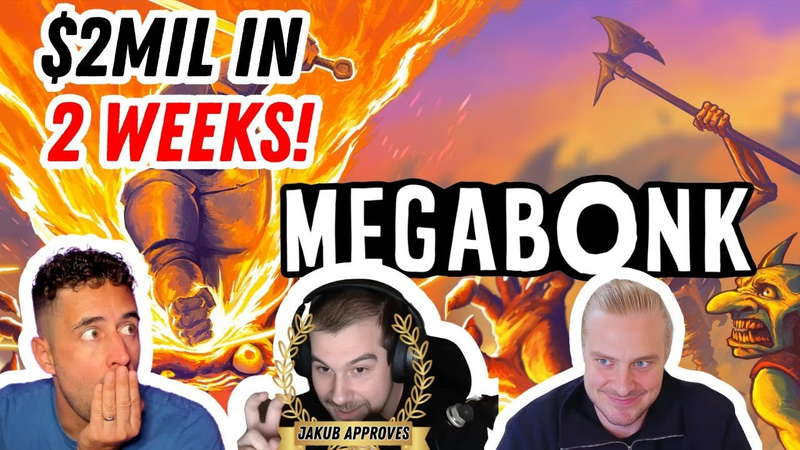
🎮 Megabonk: The New roguelite phenomenon EXPLAINED
Megabonk has rapidly established itself as a significant breakout success within the roguelite genre, recording 300,000 units sold and generating $2 million in revenue within its first 11 days on Steam.
- Megabonk achieved 300,000 units sold and $2 million in revenue within its first 11 days of release on Steam.
- The game’s design successfully hybridizes the accessible gameplay loop of Vampire Survivors with the 3D verticality and depth of Risk of Rain 2.
- Core mechanics such as extreme character scaling, infinite inventory systems, and complex item synergies have driven high Twitch viewership and replayability.
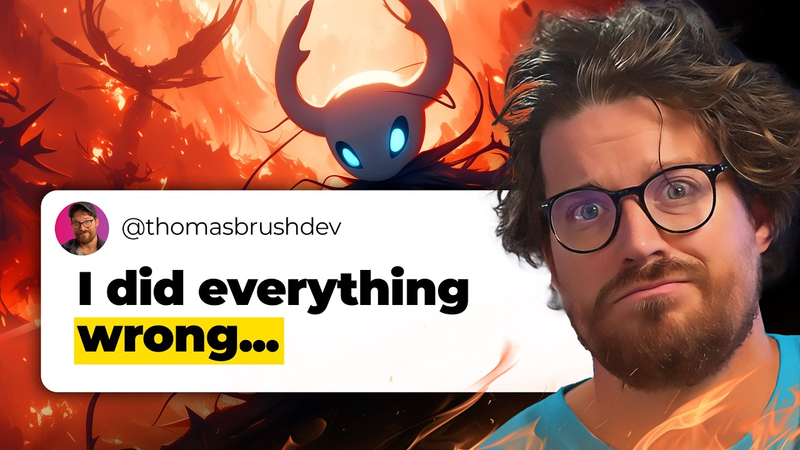
How I Would Start Game Development (If I Started Over)
Aspiring game developers should prioritize the cultivation of a unique creative identity over the passive consumption of industry content.
- Prioritize the development of a polished vertical slice over traditional gray-box prototyping, as the initial fifteen minutes of gameplay are the primary determinants of long-term commercial success.
- Anchor project development on a core hook that aligns with your specific personal strengths in art, narrative, or atmospheric design rather than chasing fleeting market trends.
- Secure exclusive rights to custom music to ensure streamers and content creators can monetize gameplay footage, which is essential for driving organic discovery.
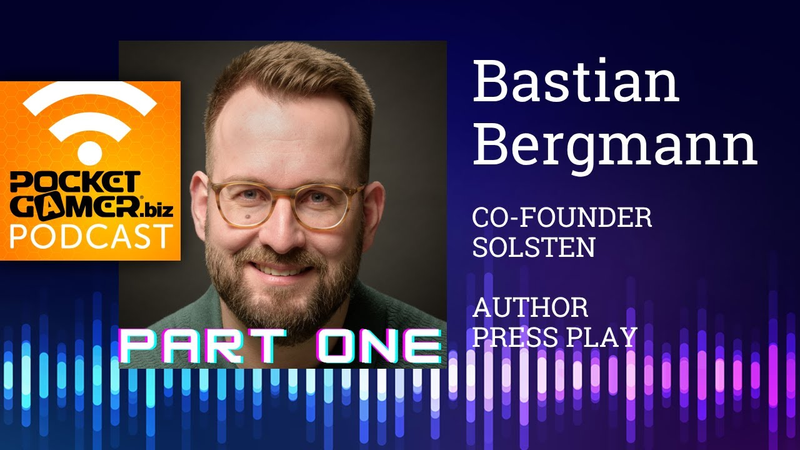
From Solsten to Press Play: Why Human-Centered Games Win
Gaming functions as a transformative technology that extends well beyond traditional entertainment, serving as a powerful mechanism for engagement and behavioral change in sectors such as fintech and wellness.
- Gaming is a highly effective engagement tool because it is an active, two-way medium involving constant action and reaction, unlike passive consumption models like social media.
- Successful brand integration in gaming requires moving beyond simple marketing activations to deep, complementary experiences that align with the brand's core product or service.
- Chipotle’s Roblox integration successfully drove record-breaking digital sales and loyalty program sign-ups by gamifying the customer experience and offering virtual rewards for real-world redemption.

Masters of Publishing 3: Ads Don’t Kill Retention, Bad Ads Do (Maayan Aharonovitch, Monetization)
Hybrid casual gaming represents a distinct industry segment that requires a sophisticated, integrated approach to monetization.
- Hybrid casual games must integrate monetization into the core gameplay loop during the initial design phase rather than treating it as an afterthought.
- Successful monetization relies on dynamic, automated player segmentation that identifies friction points and offers rewarded video ads as value-driven solutions.
- There is a strong synergy between ad-watching and paying behaviors, as high-value users often engage with both rewarded videos and in-app purchases simultaneously.
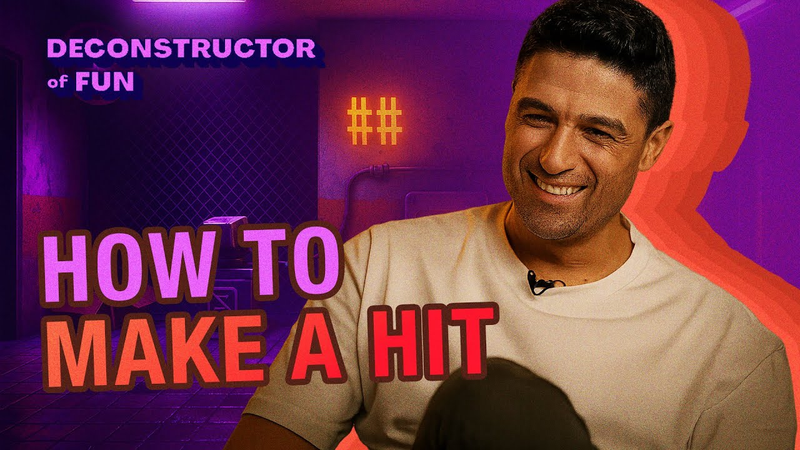
Masters of Publishing 2: 3 Signs Your Game Will Be a Smash!
The hybridcasual game market demands a rigorous, data-driven approach to development where success is determined by three primary signals: marketability, stickiness, and conversion.
- Success in the hybridcasual market is defined by three primary metrics: marketability, stickiness, and the ratio of day-one to day-seven retention.
- The development lifecycle for a hybridcasual title is strictly compressed into a six-to-ten-month window, requiring rapid iteration and early abandonment of underperforming concepts.
- Effective game design must provide depth that scales consistently from level five through level 500 to ensure long-term player engagement.
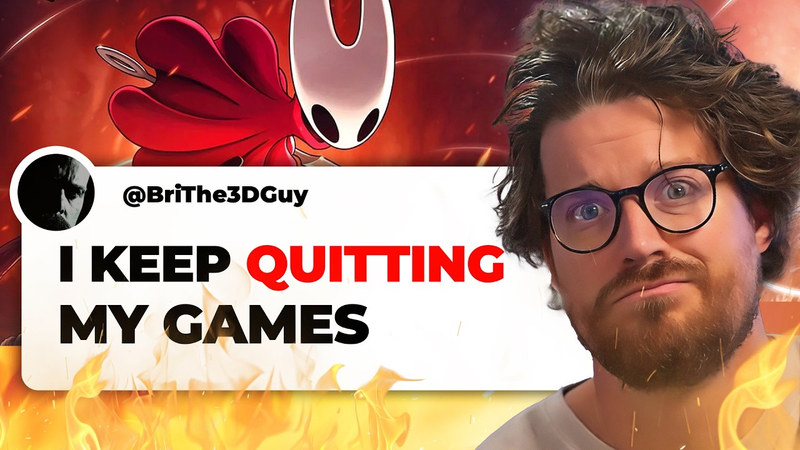
How To Actually Finish Making Your Game
The primary challenge for many independent game developers is the inability to transition from building prototypes to completing full-scale commercial releases.
- Transitioning from prototype to commercial release requires shifting from initial concept excitement to long-term strategic planning and emotional resilience.
- Developers must select projects they are genuinely passionate about to sustain the deep personal investment required for multi-year development cycles.
- Establishing a concrete finish line—such as creating a Steam page, securing a publishing deal, or setting specific financial goals—is essential to transform abstract ideas into high-stakes commitments.
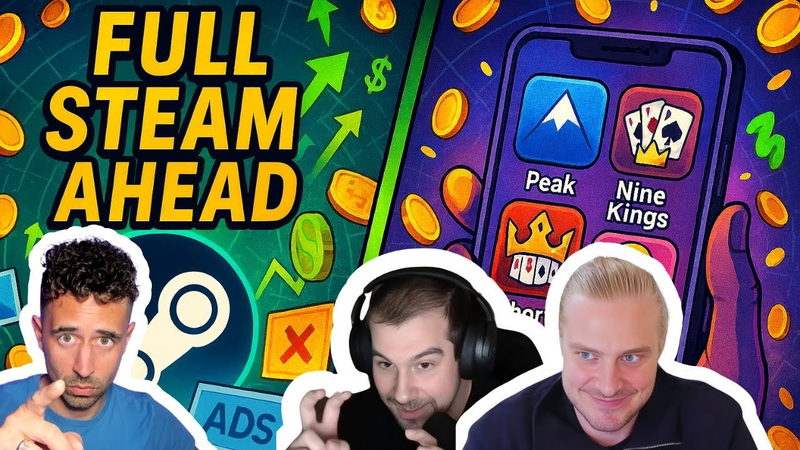
🚂 Full Steam Ahead: Steam Games That Could Be Mobile Hits (Q2 2025)
The transition of successful Steam titles to the mobile market represents a significant growth opportunity for developers capable of adapting core gameplay loops to touch-based interfaces.
- Successful Steam-to-mobile migration relies on adapting core gameplay loops like 'unfolding' mechanics, idle simulations, and roguelites for touch-based interfaces.
- Long-term mobile retention for these titles requires the integration of robust economy engines and consumable-based monetization strategies.
- High-potential titles for mobile adaptation include Peak (co-op climbing), The Alters (sci-fi survival), Nine Kings (deck-building), and Rematch (sports simulation).
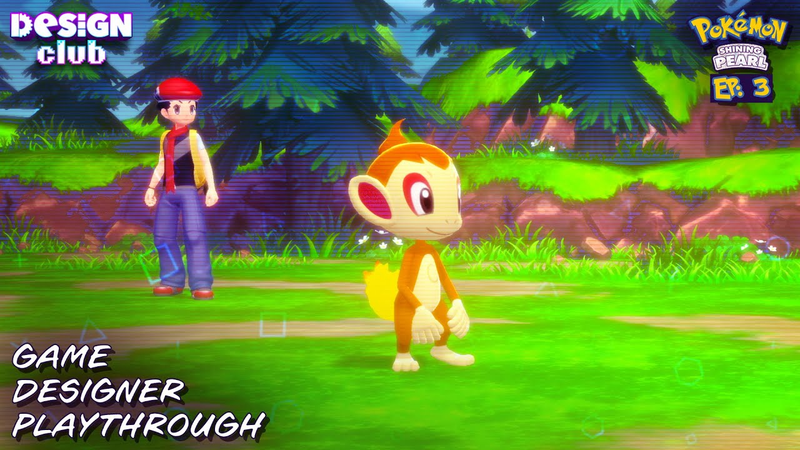
Pokemon BDSP: Play Like A Designer Episode 3, Onward to Oreburgh!
Pokémon Brilliant Diamond and Shining Pearl exemplify a dual-layered design philosophy that balances broad accessibility with significant mechanical depth.
- Pokémon stats are not universal; different species level at different rates, meaning a single level-up provides inconsistent stat growth across the roster.
- Combat buffs, such as those from 'Power-Up Punch,' persist across sequential battles until the Pokémon is swapped out, allowing players to stack advantages against multiple opponents.
- Move categories are distinct from elemental types; physical attacks (red burst icon) and special attacks (blue circle icon) are determined by the move's classification rather than its type.
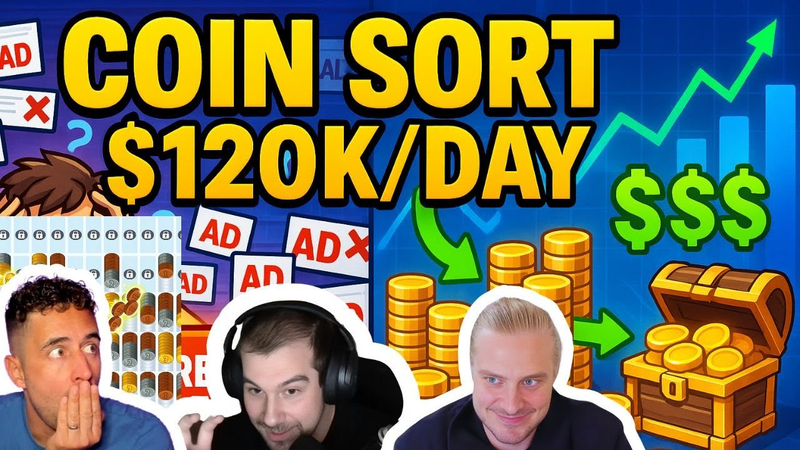
Coin Sort Review: The Hybrid Puzzler smarter than HexaSort
Coin Sort represents a significant evolution in the hybrid-casual puzzle genre, demonstrating that high-agency mechanics can successfully drive substantial revenue through a balanced monetization strategy.
- Coin Sort generates approximately $120,000 in daily revenue, with 65% of earnings derived from in-app purchases rather than ad impressions.
- The game prioritizes monetization efficiency over user volume, contrasting with competitors like HexaSort, which maintains a larger active user base of 1.7 million players.
- The core gameplay loop focuses on high-agency, intuitive coin-sorting and merge mechanics rather than complex meta-progression systems.