Game Design reports and market data
Documents

Superstar Session: Live Ops: A Ten Year Journey of Iteration & Best Practices
Live operations (LiveOps) serve as a critical framework for modern game development, shifting the focus from a static product release to a continuous, iterative service model.
- LiveOps requires shifting from a static product release model to a continuous, iterative service model that treats games as evolving ecosystems.
- Monetization strategies—whether advertising, virtual goods, or premium content—must be defined during early development to dictate the required technical stack and engagement models.
- Studios should prioritize early content releases to facilitate rapid iteration rather than relying on unpredictable viral success.
Reinventing the Discovery Process
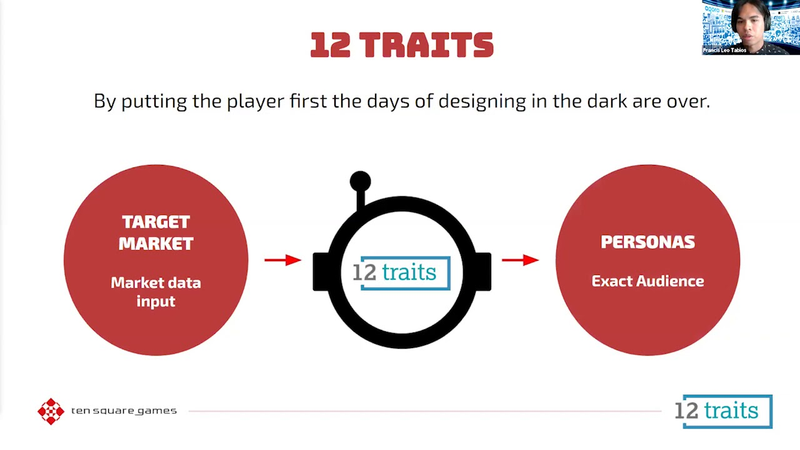
The modern game development landscape requires a shift toward a player-centered discovery process that prioritizes rigorous validation before full-scale production begins.
- Studios must shift to a player-centered discovery process that mandates rigorous validation of game concepts, mechanics, and art styles before full-scale production begins.
- Development teams should utilize detailed, data-backed player personas—developed alongside behavioral research firms—to map psychological traits and motivations directly to monetization and design strategies.
- Integrating big data analytics into the discovery phase allows studios to replace generalized assumptions with targeted experiences that align with specific, sustainable market opportunities.

Panel: Putting the Hype into Social Games - Deconstructing Hypercasual & Social Games
The gaming industry is currently navigating a strategic convergence between hypercasual and social gaming models, driven by a shared need for accessible, high-volume engagement.
- Developers are increasingly adopting 'hybrid-casual' models that combine hypercasual ad-based monetization with social gaming's in-app purchase mechanics to maximize profitability.
- The loss of IDFA tracking under iOS 14 has forced the industry to move away from granular user targeting toward privacy-compliant lifetime value calculation technologies.
- Hypercasual games, traditionally focused on short-term 30-day lifetime value, are now integrating social features like voice and video chat to boost long-term retention.
From Zero to Hero - Give Gamers What They Want with Rapid User Testing
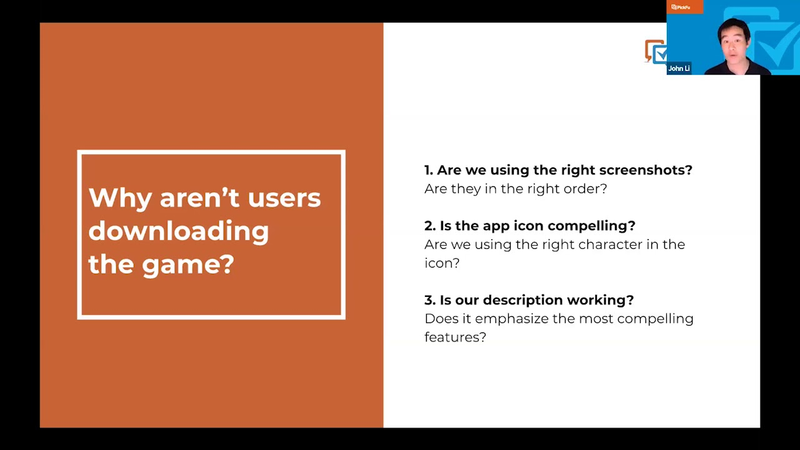
Rapid user testing serves as a critical bridge between raw quantitative analytics and subjective community feedback, enabling game developers to refine their products through direct consumer insights.
- Rapid user testing bridges the gap between quantitative analytics and subjective community feedback, allowing studios to validate creative assets and gameplay mechanics with precision.
- Implementing testing protocols early in the development lifecycle reduces financial risk and production time by ensuring concepts resonate with target audiences before significant resource investment.
- The methodology transforms development from speculative decision-making into a data-driven workflow, enabling teams to iterate and optimize conversion metrics both pre- and post-launch.

Panel: Games as a Cultural Force - The Role of Games in Advocacy
Video games have evolved into a primary cultural force, transcending their origins as mere entertainment to become a significant medium for shaping societal values.
- With a global audience exceeding two billion people, video games function as 'empathy machines' that influence public discourse more effectively than traditional political rhetoric by allowing players to engage with diverse social narratives.
- Advocacy topics like climate change and social equity are most effective when integrated through organic, stealth-learning mechanics rather than overt, didactic messaging.
- Developers must move beyond performative, checkbox-style inclusion to prioritize nuanced storytelling that reflects authentic lived experiences.

Fireside Chat: Why you Should Listen to a Publisher About Game Design
This discussion explores the strategic value of partnering with a publisher during the game design process, specifically within the hyper-casual mobile sector.
- In the hyper-casual mobile market, early collaboration between developers and publishers is essential for optimizing game mechanics and level design through data-driven refinements.
- Publishers drive project success by analyzing key performance indicators (KPIs), specifically cost-per-install (CPI) and retention rates, to guide iterative design decisions.
- The core gameplay mechanic is the primary driver of success in hyper-casual titles, outweighing the importance of initial visual polish.
Designing Game Communities for Kindness
Designing game communities for kindness requires a proactive, structural approach that treats kindness as a verb—a continuous practice rather than a static goal.
- Community management must be treated as a long-term investment in player retention and studio reputation rather than a simple risk mitigation or marketing tactic.
- Kindness should be operationalized as a continuous, structural practice where community design makes accountability and mutual respect the path of least resistance for players.
- Effective community governance relies on five pillars: clearly defined and consistently applied rules, respect for personal boundaries, established social norms, developer-player trust, and the application of soft skills.
Trip Hawkins | The New High Score (Past and Future of Video Games)
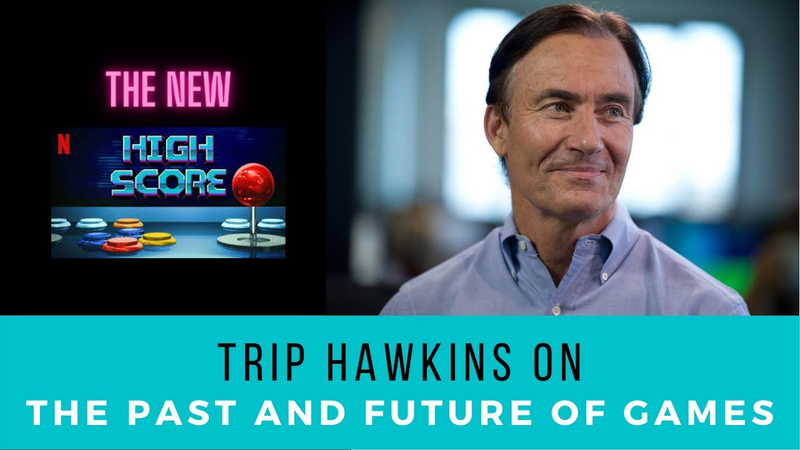
The video features industry pioneer Trip Hawkins, founder of Electronic Arts, 3DO, and Digital Chocolate, discussing the evolution of the gaming industry and his career philosophy.
- Strategic reverse-engineering of the Sega Genesis allowed Electronic Arts to secure favorable licensing terms, driving the company's valuation from $60 million to $2 billion in two years.
- The gaming industry is evolving into a series of vertical social media platforms, with cloud-based streaming and esports identified as the primary drivers of future innovation.
- Cloud gaming technology is expected to eliminate the necessity for specialized hardware, a shift that will likely trigger significant industry consolidation through large-scale acquisitions.

Art Director for Video Games | Ron Ashtiani (22 Years of Art)
Art direction serves as the critical bridge between creative vision and commercial viability within the video game industry.
- Art direction acts as the primary bridge between creative vision and commercial viability, requiring a shift from hands-on execution to high-level budgetary and management oversight as studio scale increases.
- Visual identity must be established using 'strange attractors,' a technique that combines familiar themes with novel elements to ensure the product stands out in competitive markets.
- Maintaining visual consistency across large-scale projects requires 'living documentation,' such as style pitches and legacy guides, to align internal teams and external partners.
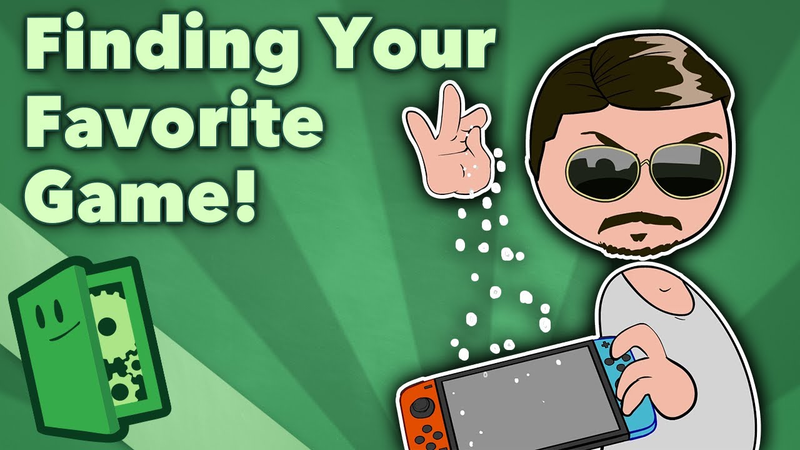
Finding Your Favorite Game - Game Discovery in a Crowded Market - Extra Credits
The modern gaming landscape is characterized by an overwhelming volume of content, which frequently prevents players from discovering titles that align with their personal preferences.
- The gaming market is saturated with over 30,000 titles on Steam alone, with thousands of new games released weekly across various storefronts, creating a significant barrier to effective discovery.
- High localization costs, which can start at 10 cents per word, frequently restrict game distribution to home regions and prevent global accessibility.
- Promotional ecosystems are heavily skewed toward blockbuster AAA franchises, which often results in high-quality indie projects being buried and overlooked by consumers.

Lessons from Duolingo: How to Turn Good Intentions Into Good Numbers
The primary objective of this analysis is to demonstrate how game developers and technology companies can reconcile ethical values and educational missions with the pursuit of profitability and data-driven growth.
- Duolingo scaled from zero to over $100 million in annual revenue within 3.5 years while simultaneously increasing day-one retention fivefold.
- The company maintains a high-volume experimentation culture, having conducted over 3,000 A/B tests to drive growth and product development.
- Organizations can protect core values during rapid growth by implementing 'guardrail metrics' that prevent teams from optimizing isolated KPIs at the expense of overall user experience or company health.
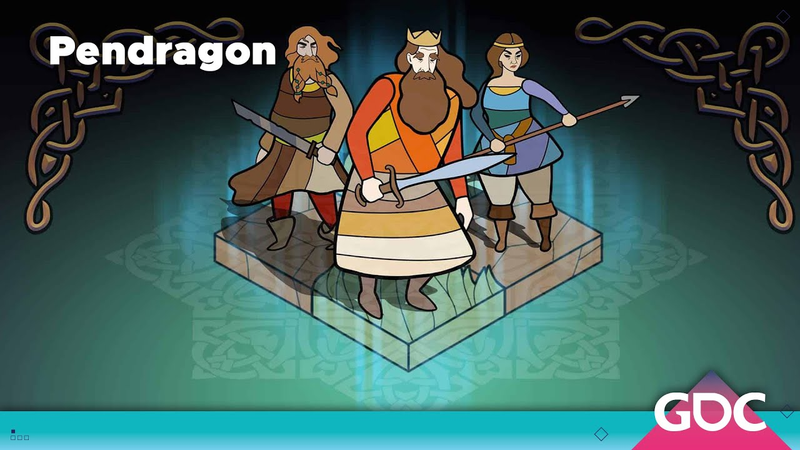
GDC Plays Pendragon with Inkle Studios
Pendragon represents a deliberate effort to synthesize turn-based strategy with procedural narrative, moving away from the rigid, solved nature of traditional tactical games.
- Pendragon integrates turn-based strategy with procedural narrative by replacing traditional skill trees and experience points with tactical advantages earned through story-based choices.
- The game utilizes 'failing-forward' mechanics, such as a rage system and flee options, to ensure that defeat advances the narrative rather than forcing a restart.
- Inkle Studios developed a modular architecture using the 'ink' engine to decouple game-state analysis from dialogue generation, allowing for complex, context-aware interactions.