1 free read left. Create a free account for unlimited reading + AI research.
Create free account
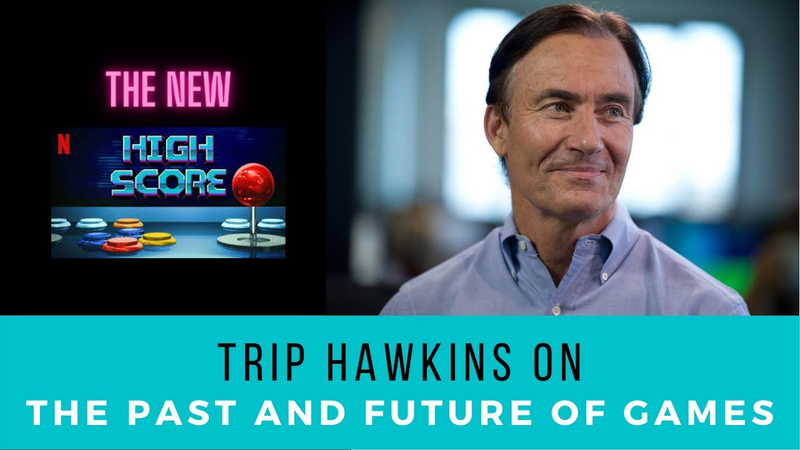
Trip Hawkins | The New High Score (Past and Future of Video Games)
Key insights
6 takeaways- 01Strategic reverse-engineering of the Sega Genesis allowed Electronic Arts to secure favorable licensing terms, driving the company's valuation from $60 million to $2 billion in two years.
- 02Maintaining market dominance requires leveraging competitive pressure and rapid development cycles, as demonstrated by the simultaneous development of John Madden Football and Joe Montana Football.
- 03The gaming industry is evolving into a series of vertical social media platforms, with cloud-based streaming and esports identified as the primary drivers of future innovation.
- 04Cloud gaming technology is expected to eliminate the necessity for specialized hardware, a shift that will likely trigger significant industry consolidation through large-scale acquisitions.
- 05Professional success is best achieved by identifying and activating innate strategic and creative traits developed from a young age rather than attempting to emulate others.
- 06Aligning a career with inherent personal strengths creates a sustainable work-life balance where professional labor functions similarly to play.
Ask AI about this video
Transcript
hi everybody i'm pleased to have tripp hawkins video games industry legend with us here today and trip it was really great to see you on the netflix documentary high score thank you and i'll ask you about that but in terms of like some of the news happening you know today in terms of unity and all this other stuff do you have any thoughts in terms of the industry today you know the game industry is bigger than ever it's obviously doing well because people are indoors at home a bit more my teenage son likes to say the best side is the inside there's a whole lot of us that are introverts that enjoy spending our time uh playing games and you know being at home on the internet but uh it's a great time for the industry from a longer term standpoint it's it's a very strong and healthy industry and it's really becoming more of like social media i think people
more than anything are turning to games to connect with people and to uh you know have shared experiences and have it be a form of social networking i give fortnite a lot of credit for you know being a big mover in that direction but uh you mentioned uh unity both unity and skills another mobile company have started the process of filing to go public and that's pretty exciting we haven't had a couple of big mobile game ipos in a in a while and just asking about high score it was a fantastic documentary by netflix that you were profiled in and does a great job of kind of going over some of the seminal events and major innovations in the games industry but from your perspective looking back what did high score leave out you know it's very funny i i love the show the production style is is fantastic they do a lot of fun things with uh
graphics to supplement the interviewing and you know they they have it very much looking like a video game which is fun just to yourself pixelated and presented in that way but uh i think they chose to spotlight things that that were humorous and that maybe uh uh had value in terms of the narrative arc that they had mapped out and i was really glad to see some uh spotlights in areas that don't usually get a lot of attention but the funny thing is made it sound like the whole story about madden had to do with this moment in a uh 25 station i had with first time i met him while we're sitting on a train for you know three days crossing america and there was this uh one moment where i'd have this hundred page design document that i put together and i had a bunch of questions i just asked him what he thought about having a which is called skeleton you know it's something you actually do
in football practice a lot because the offensive linemen are off pushing around blocking sleds with each other and the rest of the player who are the position players are you know running plays and running past patterns and doing stuff like that and you can pretty much do skeleton have a heck of a lot like actual football i was a little nervous about whether or not we could do 11 on 11 with 8-bit technology so i brought it up i wasn't sure it was a viable thing to do anyway some number of years ago espn wrote a story where they made it like it was a big deal and then my idea and i was really pushing for it and then john no anyway this great drama like it's a big deal it was really kind of a nothing but it but now it's been made into a famous something uh anyway i'm able to laugh at myself about it it's no big deal but the the the bigger underlying story that it doesn't come out in netflix's documentary is that crack
arts at my direction we had reverse engineered the sega genesis right we were made we were able to make our own games and have complete freedom on the platform without a license and at the 11th hour before our first set of games came out we uh actually got together with saying worked a fantastic deal just to have a license but not be really restricted and really not have to pay for it and so it just set up ea to have uh the fabulous future that it has had and it allowed you to invest heavily in making games for the sega genesis including baton football and it would uh uh in that period where the company which was already a public company and in fact i i took ea lick when i did specifically because i thought it would be a good idea to set some cash aside because i thought sega was probably going to sue we would have to spend a few years funding our defense to prove that we had
done our reverse engineering correctly in a clean room and that we were able to legitimately make sega games and of course found out that we were doing this they threatened and they were huffing and puffing and trying our house down but in the end i was able to negotiate a really fantastic deal with them and the value of electronic arts in a two-year period which is kind of highlighted by the uh the first version of madden for sega genesis in that time period the value of the company 60 million dollars to two billion dollars wow in about two years that's a pretty dramatic change in value i mean to have it go 30 times and it was because we were cranking out all these really good high quality sports and other kinds of games for the sega genesis and the dominant supplier of games for the sega genesis and in fact sega might have been in some trouble without us and we were kind of neck and neck with
sega in terms of who's actually the biggest game supplier for the for the sega platform which that didn't really come out in the entry and of course the madden game for sega genesis was also immediately ported by the same developers into being the first hockey game that we had which was also another big big hit and then the last thing about that story that uh may have been covered but wasn't is that yeah had decided to make their own football game and they had a big promotional agreement with montana and they were they were used to promote the hardware the software the everything but as part of that deal let's make a 10 towards uh the fall season in 1990 when our madden game was going to make its debut sega called me up and said hey our joe montana game it's not going to make christmas well
our platform's going to do we've already uh shot all these commercials with montana and really promoting this game and it could really hurt the platform if we don't have that game for christmas so how how would you would you be like to cancel madden football's release and instead convert that into something we can call joe montana football oh wow so they didn't of course mention that in the documentary because they never asked me about it and of course ironically i had some executives on my team that thought oh that's a that's a good idea because they're saying they've got all that marketing power even though they're only going to give us a small fee per unit maybe we'll make more money and i thought no that's ridiculous that's totally not the case so i actually went back to sage and i said look so here's the deal we're already committed to our brand madden football the game's finished we're already booking horse we're gonna throw in that release however we will also make montana football for you and you have to write me a two million dollar
check and we'll have you the game in six weeks and they said okay i went i went to my studio team and i said okay here's what we have to do but i want to shrink the playbook from 135 plays to 13. i want to change the camera angle from fake 3d to a top down uh 2d with big head characters which are very popular in japan and let's just let's just make sure that our madden game which this montana thing is going to be built on let's make our madden game is way better than the montana game we're going to give them and it's make sure that it's a big secret that under the hood it's so it's all the basically the same programming and we cranked that out in six weeks we got our 2 million bucks and those two games were the were two of the five best-selling games for the sega genesis that christmas oh huh so trip i actually wanted to ask
you in terms of you know you've been in the industry for a long time when you look at like some of the current innovations and some of the things happening in the market and let's say in 20 years 30 years from now if there's if they were making a new high score for the current industry what do you think has a potential becoming like next big major innovation for the video games market i think there's a few of them well one marketplace that's already really dynamic and active and growing it's certainly uh annual business volume of over a billion dollars a year that's esports and it makes perfect sense to me because i have four children i've watched how they've grown up around all the media and their connections with brands and game bro it's very different than mine so when i was a kid you know it was pretty easy to fall in love with traditional sports because that's kind of all we had and you know some of my kids care about certain uh real sp but their their biggest brands are audio
games and it makes perfect sense to me that video game fans would like to see the best players play the games that they love and to watch that kind of elite level of competition so there's obviously a huge broadcast audience and broadcaster for that led by twitch and now many others there's quite a few conventional broadcasters that are involved and now you have the audiences for the superstar streamers like ninja and others like pewdiepie that post a lot of content on youtube these guys have like 100 million or more followers that's a really exciting trend and one of the ways i look at games that games have become vertical market social media platforms i think that was a big change really encouraged more than anything by fortnight basically looking at the shooter genre where you're supposed to kill your people and they instead say well we're just going to turn it into a big party and
we're going to do dance moves and have emoj emotes and that attracted of course a much larger audience it kind of reminds me when i was a kid i was a big fan of james bond and i thought that was what spies really did i didn't find out until much later that it's a parody that's how we think about fortnite it's kind of a parody and everybody's having a lot of fun running around in a 10-foot tall pink bunny outfit or having a weapon that looks like a great white shark i mean it's just they're having a good time with it and they're they're going into these games to meet up with their friends as squads and again that plays right into esports esports uh is gonna long term it'll be driven by games that involve squad play and teamwork and so on so esports is a big deal there's another really big theme that is uh kind of related because as an overall statement about technology today the cloud is everything right you know we've already seen it a number of examples of things that are fundamental services that we use every day that have moved to
the cloud but it's going to become more and more and more of that led by the internet that that are operating a lot of the back-end cloud services and it's a great thing for the game industry because there are all these value-added services now that as a game developer allow you to focus on the creativity around your game idea and then bring in things like payment cloud services and your your content data network uh network and uh all of the other kinds of services your 3d engine you know you can basically outsource a lot of things and it's enabling uh all kinds all over the world to have a chance to play games earlier in life having access to devices and screens to fall in love with games has something they want to do for the rest of their lives and for many of them to end up becoming professionals in the game industry or professional athletes in esports and that's all going to get really big but as we talk about things going to the cloud we are going to get to a point where you can have the hardware in the cloud
do all the calculations about the game you're playing and just have your joystick sending instructions to the cloud as your opponents are also doing and basically be cloud streaming the game and then you don't actually have to buy customized hardware and you can just basically play your session or screen you happen to have your standardized joystick and play against other and you know again it's sort of a way to get sort of platform independence and even a greater level of convenience and convenience is a really big theme that has been driving the game industry for a while uh we don't have to go to stores or we don't have to really wait whether you're going through the wireless cell phone network or you're in front of a screen that's attached to the internet you know we can try things for free we can try them right now a lot of things are are designed so that it's easy for all kinds of people to to be into them
uh smoothly and quickly and the audience is exploding and we're moving up towards having three billion gamers right and it just goes to show that games are really mainstream now it's not the kind of activity that used to be that it used to be where you were embarrassed to admit that you played games and it was something where you'd go down to your basement on a version of the grand theft auto for 50 hours so it's it's uh exciting to look forward to these kinds of cloud serves it'll it'll be a little bit like trying to be the netflix of games and i think you're going to end up seeing a big battle between some really big companies fighting over that business model and it'll probably result in some of the biggest acquisitions in the history of the industry right in terms of cloud gaming do you think it is google stadia or do you think it's going to be something else uh you have to have a back catalog right and in addition to a back catalog which helps me a potential subscriber feel
like well there's always something to do so you have to have some studio capacity you have to have some exclusives and you have to have a depth and it's a little bit how netflix kind of positions with what they have to offer that turn it on you start looking at you realize well look at all this stuff of the the funny thing is they kind of obscure the fact that they don't have the new movie releases because uh as of a few years ago the movie companies decided they wanted to run their own services and compete with netflix so they're they're sure as heck not going to just easily give permission to netflix and netflix occasionally get something for a limited time period by paying a lot to to have access to it but uh netflix doesn't have everything you know they're they're kind of the evidence that actually successful without having everything but you better have something you know so google doesn't have much of anything at the moment you know the guys that have big catalogs are guys like sony and microsoft
and they have good first party games for playstation and xbox but they also have their license agreements with their third-party licensees that have made games for their platforms and basically if they want to restrict uh those from going on to say a uh or xbox games or a google stadium for playstation games they can easily do that what's easy for google to do and for any developer to do is to put their pc version on a service like google stadia right but even there maybe a medium-sized or larger independent companies like electronic arts and activision maybe they'd rather run their own service or maybe if they talk to google stadium they're not satisfied that google's offering them enough money but again i think this at some point would cause google to decide to acquire some of these companies so last question for you tripp just looking back over your career if you were to think about maybe one of the
biggest lessons that you've learned that could apply to current folks in our industry today what would you say that that lesson would be you know as i as i look back on on my life i realized that there were a lot that i felt and i knew about myself from a very young age that turned out to be true picture yourself as a five-year-old you know you don't have a lot of earlier memories i and you haven't been in school yet and so you have i've had a limited amount of environmental influence and training and yet you know things about yourself already and you have a sense of things that you're good at some abilities that you have where you're better than other people and you you can see that in in comparison it might be athletic things it might be different parts of the school work you have to do it might be your hobby interests or how you express yourself artistically
but those are things that are obviously kind of built into you at a very fun amount if you're able to notice them that young and to give you an idea i pretty much knew by the time i was five or six years old i'm pretty creative i knew i was pretty artistic but even more so i knew i was a strategic thinker and knew i was capable of leading people and that i had the courage to do it and i kept seeing situation after situation where i found that i was the one who had the most capacity for responsibility even in comparison to the adults that i was sometimes around and i've occasionally asked other entrepreneurs that have built successful companies i would say to them so how old were you when you figure out figured out that you were the most responsible person in your family and i would always get answers back like five six so this is a message for everyone which is that the most could possibly
live is the one where you are the best version of yourself not trying to be somebody else but trying to be the best version of yourself and to do that and have the most fun you're going to want to activate those abilities that have always been built into you that you sense are there when you when when you think back in your childhood this could even include references to what you what you remember about your parents in childhood that was good uh what did you admire about them what what of their traits or features or things they did did you resonate with same thing with how you think about your earliest heroes you know one of my earliest heroes was uh the baseball player willie mays and of course he had to come into baseball at a time when uh he was a pioneering black athlete dealing with a lot of racism and he was very young and you know had to uh kind of go into a big city environment and deal with the media and the guy i had such a great combination of
passion and determination to succeed at the same time as having a really happy-go-lucky light-hearted attitude and and again that was really appealing to me as a as a young child and he's always been a hero so why do we resonate with our heroes you know what is it that we have learned about our parents and grandparents that we have the most admiration for that feels the most like something that we want to carry on so these are these abilities that we have and i'll give you a simple example i think every person alive today has a tremendous amount of toughness but not everybody gets it activated and of course uh you know if if you grow up as a prince in a kingdom you might only understand your toughness if you go down the path of that fairy tale called the prince and the popper where the prince trades place with a poor kid and grows up because of it and having that experience outside the castle
of wow a whole new world opens up and that prince had no idea how tough they were and what they were really capable of i don't think any of us really knows how much we are capable of but the best version of yourself fully activates able to do that fits you perfectly that is exciting for you to do because you're being in yourself and is something that is a set of things not just one thing that you probably do better than the average human being and that's who you really are and that's the perfect way to get that life uh work balance because it allows you to have your work be more like play and again i'm all about to play all right trip well thank you very much for your time um before we leave do you have any last message for the audience or how could they get in touch with you or follow you on social media for example yeah thanks for asking uh you know i've only really started to do social media
in the last year i now have a i have a facebook fan page that's uh in my name uh it's got lots of members uh you know it's hard to be facebook friends with me because i've already maxed that out at the upper limit of 5 000 friends wow and and then i'm also in linkedin just under my under my name and then on instagram i'm v trip hawkins would you be surprised how many people are out there uh pretending to be me but uh i think if you find your way to my actual account you'll see you can recognize all right and i'll put links in the show notes to uh to all those things that you mentioned but great it was awesome to have you on trip and thank you very much for all the words of advice and for um for for the comments thank you yeah it's really my pleasure to be uh really enjoyed the interview and happy gaming everyone thanks [Applause] [Music]
[Music]
Summary
The video features industry pioneer Trip Hawkins, founder of Electronic Arts, 3DO, and Digital Chocolate, discussing the evolution of the gaming industry and his career philosophy. Hawkins characterizes the current gaming landscape as a robust, healthy, and increasingly social environment, noting that games have evolved into vertical social media platforms. He highlights the rise of esports and the shift toward cloud-based gaming as the next major industry innovations, predicting that the move toward cloud streaming will eventually eliminate the need for specialized hardware and drive significant industry consolidation through large-scale acquisitions.
Reflecting on his tenure at Electronic Arts, Hawkins provides historical context regarding the company’s growth, specifically detailing the strategic reverse-engineering of the Sega Genesis. He explains how this move allowed EA to secure a favorable licensing deal, which catalyzed the company’s valuation growth from $60 million to $2 billion within two years. He also shares an anecdote regarding the development of John Madden Football and Joe Montana Football, illustrating how he leveraged competitive pressure and rapid development cycles to maintain market dominance while simultaneously fulfilling licensing obligations for Sega.
Regarding professional development, Hawkins emphasizes the importance of self-awareness and authenticity. He argues that individuals possess innate strategic and creative abilities from a very young age and that true success comes from identifying and activating these core traits rather than attempting to emulate others. By aligning one’s career with these inherent strengths, he suggests that professionals can achieve a sustainable work-life balance where labor feels more like play. The discussion concludes with Hawkins encouraging aspiring industry professionals to embrace their unique capabilities and maintain a resilient, light-hearted approach to their work.