1 free read left. Create a free account for unlimited reading + AI research.
Create free account
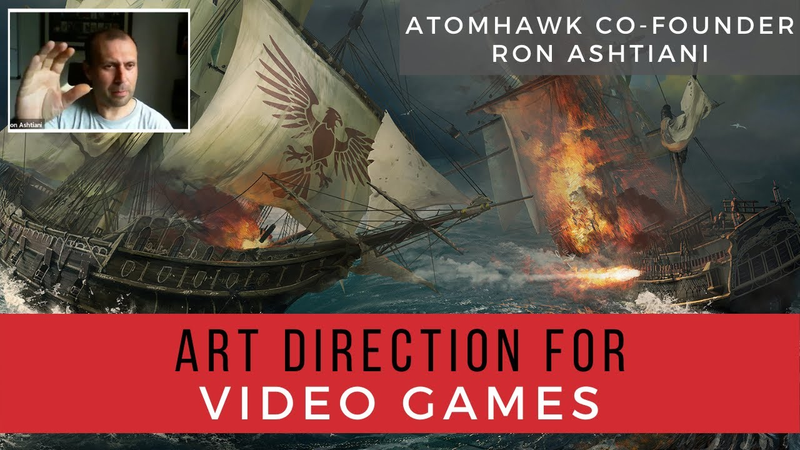
Art Director for Video Games | Ron Ashtiani (22 Years of Art)
Key insights
6 takeaways- 01Art direction acts as the primary bridge between creative vision and commercial viability, requiring a shift from hands-on execution to high-level budgetary and management oversight as studio scale increases.
- 02Visual identity must be established using 'strange attractors,' a technique that combines familiar themes with novel elements to ensure the product stands out in competitive markets.
- 03Maintaining visual consistency across large-scale projects requires 'living documentation,' such as style pitches and legacy guides, to align internal teams and external partners.
- 04Art directors must tailor visual strategies to specific platform constraints, specifically accounting for differences in screen real estate and UI placement across mobile, console, and VR environments.
- 05In free-to-play gaming, art directors must prioritize team mentorship and utilize collaborative project management tools to ensure immediate user appeal and alignment with broader commercial goals.
- 06The development process relies on increasing resolution and close collaboration with technical leads to ensure that artistic ambition remains within the bounds of technical feasibility.
Ask AI about this video
Transcript
hey everybody welcome joe kim here with ron astiani who was the co-founder of adam hawk and ron i thought maybe we could start by having you go over your background we're going to have kind of a free-flowing conversation today about art direction but it'd be great to just because you've had such a great background would be great to hear from you kind of your career up to this point thanks a lot yeah yeah it's great great to be talking to you i know we've been talking about doing something together for some time now um yeah i started in the games industry 22 years ago uh which makes me feel ancient um and i i was an artist for sort of the first 10 years i became an art director i was head of art for midway games here in the uk um and then when midway kind of went south in 2009 when when the global sort of recession happened
i i took my sort of creative team and separated off and formed that more and then that's really where my career got interesting at that point because before that i'd been an artist i'd worked on some cool games i was um i worked on john carpenter's the thing which was a a a number one hit game at the time back in 2002 and then i worked on the battalion wars games for nintendo so i worked on two nintendo first party titles um and then obviously with midway i worked on a number of different midway games including wheel man um but it was only when i went to atom hawk and i founded my own studio that i sort of got into the sort of really big you know big aaa projects whether it be mobile or film or or games so you know the stuff the probably the biggest things i've worked on um i worked on movies wise uh thor to um guardians of the galaxy and avengers 2. and then games wise you know i worked on more combat 9 more combat 10 more combat um
11 and injustice 1 and 2. um i also worked on the most recent game that rocksteady have done um justice league uh suicide squad kill the justice league okay um and i've worked on probably 30 different games with that in just coming from the perspective of some of the folks in our audience we've got you know a lot of folks that work in game development and one of the questions that i've always had is really around the role of an art director because at different companies it seems like that role could be different there's like and whether it's you know the difference between having an art director that's more hands-off versus hands-on and versus one that's you know some people call them technical art directors versus other kinds of art directors so could you kind of break down what is or what should be the role of the art directors and different kinds of art directors there are out absolutely yeah i mean it's tricky because the games industry you know you have you have titles like
you have in any other industry but i don't think there's anywhere where you see such a diverse range of like you know an indie studio where you've got three guys working in a bedroom right up to like a massive studio like an ea studio where you've got you know two three thousand you know people working there and so as a result of titles they'll always represent what you're going to get depending which studio you work in um but definitely i think you know the small scale and also as well as you develop the game the team scales up so you might start on a team with eight guys on it and end the project with 300 darts on the project but to start with you know usually the art director is quite hands-on maybe they're from a concept background maybe they're from a generalist modeling background but their role is to try and find and identify the style for the project uh you know what is going to make this project different and that that involves taking into account you know um production time scale you know you're not going to do something that's hyper real if you've got a really
short production time skill um and likewise budget and so on so you have to kind of also cut your cloth you know the sort of starter to fit the project but in bigger studios i mean for example when i was um studio art director at midway games i was way more of a manager you know i have a 50-plus artist reporting to me right multiple different game teams and my time was probably 20 are 80 people on budget management um so it it it changes over the life cycle and with the scheduling studio and based upon the different types of roles do you think that the same person is generally good at all the different like when you made your shift from being more you know hands-on to hands-off and more of a manager can do you typically find that the same person can do both of those roles it's pretty rare it's pretty rare to be honest and i think that's why you mentioned like technical art directors and you get art managers as well and i think
what you tend to find is it's quite rare that you have a studio that will have someone who can both manage and direct and do do art and make good art decisions right and there's probably 10 guys in the industry i know that can do that but a lot of the time you would take a really good artist you might have for example a really good concept artist who becomes an art director and he will always be sort of uh he or she will be pace-setting from the point of view of making great art and driving the quality forward but you need to bolster that person with a really good lead artist or a really good art manager to kind of make sure the managerial side of it is covered and likewise you might have a creative artist who's a great concept artist but they won't know how to actually make something work in game so then you would have a technical art director who's responsible for implementation ron i wanted to ask you about when you mentioned the role of the art director and you said it was to kind of set the art style and then we've got these different kind of roles like a lead art director
versus an art or sorry a lead artist versus an art director so kind of the question that i have is you know what separates a lead artist from an art director in terms of skill or capability and when you say that the art director sets the art style what is that i want i was wondering if you could kind of break that up a little bit absolutely absolutely okay so so let me answer the last question first and i'll go back to the lead artist thing so i think the the style the best way to think about it is if you think about the artist banksy right the graffiti artist yeah so so if you think about the the points of style theme and genre so his genre is street art that's what he works in that's what he does yeah his theme is like those bleak political statements he makes with his work right and his style is the spray painted stencil kind of style where it's black and white sometimes he uses a little bit of red but it has a very distinct fancy look to
it and that's that's what i mean by a stylist style is the way that the art is actually sort of represented if you know what i mean the the colors used the forms you use the way that things have been sort of tweaked subtly to sort of work with that style and that's that's the style now the lead artist is normally responsible for implementation so so you might have a really good art lead who knows how all the tools work his great modeling understands exactly what all the guys should be doing and the art director is saying okay this is what i want the game to look like this is the vision and that vision it's not just about art it's about communication so when you think about it you're as an art director you're saying okay who's the demographic that's going to be playing this game what is the device i'm going to play this game on like you know if it's a pc game you know you've got a massive spring lots of resolution big powerful graphics card if it's a mobile device you've got a small screen and not a lot of not a lot of horsepower
so you've got to kind of decide what's going to work on that platform and then you've got to communicate with your audience so if you know that your audience is teenage boys for example you kind of go with an art style that's going to appeal to teenage boys whereas if you're going for young adults and we see a lot of that with indie games there's a lot of indie game connoisseurs out there who are kind of probably between the age of you know 20 and 50 you know and those guys tend to like something that's a little bit more artistically kind of um interesting you know if you look at the game like um uh griss for example i was playing griss with my son a few months ago and that is a beautiful game but it's so it's so you know it's an artist's game you know it's not it's not a mainstream game with an art style like that and so just like taking my own example let's say you know i've got a studio we're working on a mobile free-to-play shooter if you could help me think through like the process so as an art director if you're trying to think of an art style
to your point you think about the demographic what they would like but then do you also consider other factors like for example there there are competitive games in the market like software pubg the art style for fortnite they're kind of different and then how do you what would be the thought process behind kind of narrowing in on the best style for your game yeah sure well firstly there's an exercise that needs to happen with the sort of senior team about what the game is what the game is um who you're trying to sell it to and all of that almost like market positioning work that's not anything to do with art that's like actually just position in the market you know you might have a venn diagram uh you know sort of and you would have like or a four axis diagram where you would have you know all the different games that you feel are competing with this and where you fit in those axes then from there the art director can go away and say okay you know we are more cut one of you we're more abstract and our
[Music] as gamepl so so then you kind of look at fortnite and it's really really stylizing really cartoony and then you've got pub g which is like really kind of quite realistic and you're able to say okay well this is roughly where we fit both from a theme point of view and also from a style of view right so so you sort of almost do a bunch of tasks to kind of work out what what sort of ballpark you're going to be operating in and then once you know that it becomes about gathering references looking through you know other artists out there movies games you know it might be just old-school illustration whatever whatever reference you know the thing with art directors is a lot of it is about finding something that is really obscure that that maybe people haven't thought of using in the game before making it work in the game right um you know if you look at like the the order um the game do you remember the order is it 18 18 or something like that 1886 i think yeah yeah but the order right it has victorians
and steampunk in the same world and they've done a very deliberate blend you know victorian sort of era history and steampunk and there you go like the order and that's a lot of the work that art directors do is look through references and go okay could i match this up with this like another one is like star wars right so if you think about it star wars takes one of the oldest human stories you know that one person will rise up and sort of sacrifice themselves and save us all it's in lots of different religions lots of different movies and um they take that and they mix it with the space race and which at the time you know star wasn't filmed in 1977 so it was only you know 10 years or so after man man first walked on the moon um and then also themes from world war ii because you have to be in 1977 was still fairly close like a living memory for of world war ii so they have this kind of like fascist
regime and like you know guys walking around in very smart uniforms not not massively far away from you know nazi germany right and they match up all of these themes and because they're so current in the public's eye at that point it really tugs on people's sort of likes sensitivities and becomes very popular and that's that's what i mean as well by demographic is as an art director you look at what the people you are going to sell this product to are into and then you kind of find themes within that sort of culture and then kind of construct something out of that yeah i hope that makes sense yeah no it actually the way you're talking it kind of reminds me of the hollywood concept of the strange attractor taking something that you know and something unique and kind of blending the two but yeah exactly because i do think as well like the general consumer while they might say they like they want to see something truly different yeah usually in history whether it be movies or games or anything
when something is truly different it's really unique people will actually say later on i was ahead of its time i mean it was ahead of his time meaning actually it was a really good idea but at the time nobody got it and that's the problem with doing stuff that is truly unique is quite often while it might be critically acclaimed it commercially isn't always a big success and i think as something as an art director you've got to be a bit careful because it's very easy as an artist to say oh i want to produce something that's truly unique but at the end of the day we're making a commercial product right and it's not always you know save it for your own work basically i think the truth is you've got it you've got to make something that's going to be commercially viable the other question i want to ask you is as an art director communicating to your art team now i've had the experience of working with a lot of different art studios and it seems like the documents to communicate the vision are similar but at the same time different so there's some concept generally of like maybe a mood board or an art bible but
there's several docs that it doesn't at least from my personal experience haven't been like completely standardized but are similar and so i wanted to ask you in your experience if you were to recommend the kinds of documents or the way to communicate that art style and vision to the rest of the team what would you recommend how would you actually i don't know if you have any specific examples of docs that you would recommend i think i think each art director has their own has their own process but over time there is starting to become like a kind of industry standard just purely through the fact that there's an expectation from everybody else how something should work and that is actually one of the things i'm trying to do at the moment is trying to sort of educate and kind of work with people to try and create some standardization um i think also a lot of it depends on whether you're working on uip or existing ip okay because if you're an art director and you get a role on a really big franchise it's maybe seven or eight versions in um you're really a custodian of that ip
and you're not going to do any really big changes you're really going to tweak it 10 and that's going to be the next version and it's always a massive frustration point for a lot of ads who get sort of brought in and they're told you know you're gonna work on the next whatever big franchise the next version of it and they come in and they go yeah i'm gonna really put my stamp on this it's gonna be all you know a new thing and then they find out the studio wants to just do a 10 you know in increment because it's such a big money spinning ip that they don't want to mess about with if the recipe works and great so in in those cases what you tend to find is that our documentation is much about this is what this ip is about and these are all the past versions of this ip and this is saying this character and what how they're represented on mobile and this is how this character is represented on pc and then and then what you're going to do to take it that extra 10 in the direction of the new game um and that's quite a kind of a it's actually a
lot harder than you think because because you're dealing with all of this legacy sort of visual that you can't mess with and i mean actually if you think about it you remember ninja theory did the devil may cry game um so the devil may cry series was always this kind of very gothic very japanese kind of theme to it and then it was given to a western developer and they did a completely different take on devil may cry and i thought it was awesome but the fans were completely polarized like some of them loved it some of them venomously hated it and the game got a real you know a real rough ride in the reviews because of this big departure from expectation um so to go back to your point about about our bibles i think for a new ip um it goes through different stages so your first iteration of your art bible isn't really a bible it's a style pitch and that style pitch will be like maybe 20 pages long maybe 30 pages long and it will be all of these
references that the art directors found and how you're going to blend them together and represent them and that's then pitched to the other executives in the group um if everybody else is happy with the design you know production so on then you would pitch it to the rest of the art team and you can start working on concept once you once you produce an early stage concept then you can start to turn it into a bible because you start to understand what what works and what doesn't work out of those references and every stage really that art bible should be a living breathing document you know it never really stops being updated and every time you discover something new on the process of making the game you should really try and document it because it's a pain when you get to the end of the game and you haven't documented anything and it's successful and someone says hey can you make another one and you're like ah didn't write any of it down right the other question so you know you you were you created adam hawk and so i would imagine you have a lot of
experience working with studios both like you know internal versus external and that's one of the questions i wanted to ask you if you were to give advice to a game studio trying to think about internal versus external art teams like how would you advise those companies to think about how much is internal how much is external and how to think through that that balance yeah i mean there isn't really a limit on how much is internal this is external but there is a balance of it's almost like a balance of trust okay and expectations so for example if if you are working in a studio where you have a very like an established ip there's loads and loads of rules about what can and can't happen with ip so i'm going to use harry potter as an example because i worked on on a number of harry potter-based projects over the years and you need to have that written down because you can't expect an external person to know what your internal team
knows and a lot of that knowledge is is almost like uh you know it's almost held in the culture of the studio so you have to kind of find a way to write down and if you can't write it down then you've really just got to understand that the external people are going to ask a lot of questions and they're going to make a lot of dead-end turns while you explain it to them um however you can also take an existing ip like when i worked on guardians of the galaxy [Music] marvel said do whatever you like this is a complete reboot we have no expectation of what this is going to be and so from that point of view while they've done some comics all through the history of marvel they've had guardians and galaxy comics the movie was a complete blank canvas and and so that's trust you see with that that's guys you know you're the artist you show us what this looks like and and that was great that was super liberating to do that and the worst type of project is when the client sort of doesn't know what they want they don't have any documentation and yet they want you to do it all
that doesn't work you know you you have one thing on the other and you can't you can't oh and speaking of those worst kind of projects i was hoping you could talk to us also about just maybe some of the lessons learned or some of the biggest mistakes in terms of like when you're working with either a game studio separately or some of the mistakes you've seen at game studios with respect to the art and the art teams yeah i think i think i think there's a number of things there's there's obviously a lot of process stuff and processes like the the challenge i think is that it's really understanding that if you're going to get somebody to do something externally for you on a fixed price so say for example you know you say i want a character up a piece of character are doing and the artist says 10 days uh with the work and then you get six days through the work and you kind of go actually i want to change something right at the beginning of the process that doesn't work that way and if if you
as a client if you don't have a fixed process and you think you're going to be changing your mind a lot it can be better to just say we'll take your time on a retainer and we won't you know we're not going to agree the scope of the work we're just going to say look come and do some concept plot for us we'll pay for a month of your time and we'll just explore lots of different things with you right um so that that's the kind of process challenges that we've had the other thing with process is always feedback and being accurate with feedback like it doesn't sort of work saying to somebody external oh we don't really like the character we think it's not quite on target and they're not explaining what to do i'm definitely guilty of that yeah you know like can you make this cooler and they're like what the hell does that mean cooler you know it's like having a keyboard just make cool a button on it you know it doesn't work that way you have to be able to explain in detail what it is you want or if you can't explain the detail just be prepared to say okay this isn't what i want can you
share five more different ideas and i'm prepared for it because that's the that's the other option is you just say keep shooting things at me until i see what i like but the problem with that is that's a very expensive way to do things but you'd be surprised how many studios do that i mean i've i've worked on a number of particularly really big ips where they're trying to find a new direction for it and they might even engage with several studios i mean there were there was a game uh ryze underground uh do you remember that back on xbox and and um they engaged with adam they engaged with two other external studios and we all had a go we all did our own take on this and they took the best bits of each of them and that was a really cool way of doing it it was expensive but it was a good way of doing it um and i think and i think from a creative point of view i think it is again like it's knowing how much room to give the artist to to use their own minds because if you
start just telling people externally exactly what you want from the beginning you're kind of like leveraging everything you know in your head but you're not utilizing their creative ability as well right so i i tend to like when i art direct i always sort of define a box and i say this is the boundary of what i want you know you can't go here and you can't go here but everything in the middle here is totally free for exploration so you show me what would be a really cool idea in this space and by doing that particularly when the more artists you have the more brains you have you know by doing that you kind of get a lot of different ideas generated and you're able to kind of cross-pollinate those ideas and you know it's definitely the best way to do it now i cannot go too far like one of the things i joke with a lot of people is that everyone thinks they're an art director so like the ceo says oh it should be like this and then the lead product manager might say this and everyone's got their opinion so then how do you you know
how do you manage all of the different opinions that everyone has because everyone thinks they know best someone always has to own the art process so so one of my points and i've had a few jobs like this where i've gone in as an ad and i found out that everybody has got an opinion and i've had to kind of politely just say look i appreciate your opinion i'm going to listen to it but at the end of the day it's michael it's really our director and i think that's how it has to be and i think um the worst thing is an external is when you're dealing with an internal team that has that kind of like lots of feedback lots of opinions going on and they haven't been able to sort of create that buck stops here kind of role right and as an external vendor you just get unfiltered feedback from loads of different people that is possibly one of the worst situations because you don't want to be rude and say guys can you just get it together give me give me the feedback but at the same time you kind of know exactly what's going wrong and
you're like oh i have no as an external one of the biggest problems is you never have control sort of politically over what's going on inside the client studio so you always have to even though you can see sometimes a car crash is going to happen you kind of have to sort of be polite about it the whole way and try your best you know to persuade them to see it your way rather than being able to dictate it one of the things i wanted to ask you you know you mentioned you worked on mobile console film and so especially in terms of like the the different game platforms between mobile and pc or console can you talk about when you're thinking about whether it's the art style or how the the specs how you would create art for the different platforms what are some of the differences what do you have to what do you keep in mind as an art director yeah sure i mean the process is pretty much the same between the platform so the process of art directing and creation and creating style is the same but but the things you look at in that style are different so you know
with a mobile device you've got fairly small screen real estate which is made more complicated by the fact that someone could also play a mobile game on a tablet device and that is something that is becoming more and more difficult to deal with because you know you've got a really small screen and then someone plays it on an ipad pro and they've got a really high res screen and loads of power so so there's that challenge but that aside on a mobile device generally you've got small screen real estate it's not so much about pixel resolution because you've got a very high resolution screen but just the size of it if you have things on screen that are too small or too detailed they get lost in that small screen you end up with people sort of screaming you know scrutinizing the screen very carefully to see what's happening the other thing as well about mobile is still a lot of mobile games rely on putting the controls on the screen so where the pc game there are virtually you know there's ui elements around the screen but there's no controls on the screen right with mobile you might have you
know controls on the screen as well so you can't put anything in those spaces um so you know there's that and then the other thing with mobile games is they tend to be from an experience point of view quite a pickup and put down fast turnaround kind of gameplay so again you know from a readability point of view the game has to be very clear and that's why you tend to find a lot of mobile games and very crisp graphics very sort of um you know clear colors uh lots of like simplified forms just purely because it tends to work best um then when you go through console and console is console and pc are very different market because you've got india at one end and you can end up with games on pc that are almost mobile looking games right up to like massive blockbusters like you know about the last battlefield game was possibly one of the most detailed games i've seen you know um and you can do that with a pc you've got huge graphics cards massive screens all the controls are not
on the screen and quite simple to deal with um so you've got to kind of yeah you've got to choose you know work to your platform and the other thing as well about about i think um now that we're getting into vr as well we're ending up with with challenges around where we put ui and where we put data so so like in a in a pc game you it's totally fine to put 2d graphics on the screen and that works whereas with vr if somebody is in 3d space and they're looking at something in the distance and if you put the ui here essentially in their space they're looking into the distance and then they're having to look really close to them about how much ammo they've got and it's really kind of confusing the depth perception so you know everything is opening up now depending on you know you've got mobile console pc and then you've got is it vr is it ar and all of these
things have to be considered when you when you're clicking this dial i yeah one other question i want to ask you about is what is your what is your opinion on concept testing so like if you were from an art director's perspective you know one of the things a lot of product managers like to do is just run a bunch of tests and so like let's say you come up with three different art styles for a new game concept of some kind do you have any thoughts in terms of like if the testing showed one art style is superior but you felt very strongly about another how would you how do you think about that kind of stuff i'm i'm okay with it i'm okay with it depending on what the product is so i think if you are doing a free-to-play mobile game the problem with free to play is you have to capture that that that user in that first few seconds and it's so like you know polarizing whereas with a with a premium game where someone's paid money for it you already have them they've already paid 10 bucks for this or they paid 20
bucks for this and even if when they first fire the game up they go well i'm not sure about this art style they're going to persevere with it and what you also tend to find with particularly with quite out there art styles is people's first reaction is well i'm not sure whether i like this or not and then once they get used to the experience they start to be yeah i can i can i can feel i feel i am enjoying this and that's kind of a thing so unfortunately with free to play you don't have the the luxury of a captive audience you have to you have to design something that is going to capture people they want um so i i think a b testing and things like that perfectly good on that space but it's a shame as well because i think there's another idea you you always want the the art that you produce to come from inside and you don't want it to be like a commercial decision but at the end of the day it is a commercial because it's tough you know ron i want to now ask you about kind of development in terms of like you're an art director let's say you
have a small internal art team how much of the role of improving the art skills of the team and even as an art director how do you think about how how would an art director improve as an art director how do you build additional skills how do you get better at your craft for both yourself and then in terms of training the team and is it the role of the art director to train the team or is it yeah okay it totally is and totally is you know i've worked with some really tricky ads over the years who sort of said well that's not my problem and you know if this guy can't do the work i'm asking him to do then it's his problem and i think that's a very that's a very hard line rule to take i think the truth of it is is nobody comes to work with the intention of doing a bad job right and you know i think as long as you appreciate that as a manager yeah then you're able to say okay on this instance they didn't hit the mark but what can we do to get them there and i think obviously there are times when someone repeatedly doesn't hit the mark and if there's nothing actually wrong
like you know if it's a case of they're working really hard they're doing all the learning they can but they just can't hit the mark then unfortunately yes you've probably done everything you can and it's time to make a tough decision but usually if you're able to show the artists where they went wrong and the other great thing about managing artists it's funny like like if you talk to managers who are not creative sort of art background managers they'll always say oh i hate managing artists artists are the worst people to manage from my point of view artists are the easiest people to manage because all they really care about is making great art and if you can show them how you could how they could have done it better they will nearly always be like thank you so much this is awesome and i'll just try and smash it the next time around so i think i think it is like you need i think as a manager of artists you need to be able to give them that feedback that actually helps them improve their work and if you can't do that then then that's where the problem comes in because if you're not able to give them good feedback
they get they get hacked off you get hacked up and doesn't go anywhere and then as the art director yourself how do you if not not having anyone above you to give you feedback on your art or what you're doing how do you improve as an art director she's got to work hard work hard read a lot of books i mean the the key attributes that i always say make a good art director are just a hunger and curiosity for everything around them like you know like i love traveling i read tons of books i look to plunder photographs i spend hours looking at art stations feeling incredibly jealous of how awesome some of the other artists are out there and how my work is terrible you know like that that kind of like you know that humble kind of approach where when you see something that's amazing it's amazing like take it in you know take it in understand what they did that makes it so awesome try and try and dissect it you know i think i think also being an art director and being an artist in general it's a lifetime of learning um you know it is like nobody finishes the the training as an
artist you you're an artist of the day you die and you learn something every day hopefully you've got it in mind you know ron i have one last question and this is really around processes and tools i was wondering if you could talk about whether it's for art reviews or just the general processes that you think are important for an art director to have with their team and then what are some of the tools that you use for whether it's whether it's base camp or asana or you know what are some of the tools that art directors should be looking at for some of those processes yeah sure i mean there's a lot there's a lot of great tools out there and that's that's i mean when i started that support none of these tools really existed like in 2009 we were doing all the feedback through email and it was awful like you know you would lose things and all sorts of stuff but luckily you know a lot of uh sort of co-collaboration tools have come a long way since then and i think that when you're in a studio
and you have the team with you it's really important to get everybody together to do it like a kind of art review at least once a week okay if not more often and there's a few reasons for that one is when everybody can see the whole direction of the product then they start to understand how their work fits into the big picture and one of the habits the bad habits that a lot of artists have is they start to just focus on their bit and when they just focus on their bit their ability to sort of function and interact with everybody else's work starts to go out the window so by drawing everybody in and saying okay guys these are all the different pieces of the game we're making and you all need to look at what everyone else is doing there's that immediate kind of connection point the other thing as well is it it saves the art director sometimes so if you imagine you have to say the same piece of feedback 20 times to each individual artist you just get everyone in the room everyone hears what was said to everybody else and that works really well and the other thing is it just builds a bit of team
team morale to do it that way you can celebrate the wins as well when someone does some really good work you can celebrate them in front of everybody else and they feel like they get a really big boost from that and everybody else sees what what got um than that phrase and it becomes like a little bit of a feedback loop where you know good good behaviors are encouraged and bad behaviors are discouraged um but then when you're working excellently that is that's really hard and i think i think one thing is again try and do a weekly or a daily anyway just through teams or whatever tool you're using for video conferencing um but feedback wise my favorite tool is still base camp just because i find that a lot of artists struggle with more complex tools but the problem with the problem with artists is you've got such a range of technical proficiency so you could have one guy he's like a power user and he's using lots of different 3d tools and lots of different systems and he's going to have no issue with with
using a feedback tool and then you could have another artist who is painting things by hand you know with with acrylics or whatever and scanning it in and and while you try and harmonize all of these processes you are going to have different artists working with different mediums with different technical abilities so i i like basecamp because i've not come across an artist yet who's gone i don't get it i can't use it um but i also you know have you shot them before that's pretty good as well um it's like 10 times the price of base camp though so please basically i'm a big fan basecamp gonna have to pay me commission now ron i want to thank you for your time but also before we end why can you tell us a little bit about what you're up to now and you've got a book coming up i was wondering if you could talk a little bit about things yeah so obviously i i ran out and walked for um ten years and i exited um last april so last night i left we had a
new new baby boy my third child he's eight years younger than the next one so i'm going to be a pretty old dad by the time he's 18. but you know i took that opportunity i thought i sold the studio i've run it there's some other things i want to do with my life and i've always been really passionate about education you know even when i was running out of work i was talking a lot of events doing things for universities so a lot of these talks i do i had people coming up to me afterwards and saying do you have further reading is there any are there any videos that i could watch and there isn't anything on art direction out there it's amazing uh particularly in games so so i decided to write a book so art station are going to be publishing my book called the art of direction and we should be out i think early next year and um that is it's a deep guide you know to every subject if you aspiring art director or you're already an art director then it should be a really good a good reference point okay awesome i'm definitely going to be buying that book myself
and maybe we can and do you have one last bit of advice for any whether it's a studio or art directors out there i think i think i mean there's so many good good pieces of of good to know knowledge and i think i think like i think a lot of it is is i think one of the things is with studios is to understand that that finding a style takes time this is something i've seen a lot a lot of studios do where they they get an art director and they're like right so by the end of the first month you're gonna have the style right no that's like saying to an author by the end of the first month you're gonna have written the book no you're not you're gonna have started it and it's a it's a process of increasing resolution so what happens is you create a vision and it's very loose and then over time all of the different pieces gain more and more resolution more definitions how it looks a little bit like a video game you think about it with a game you normally do broad brush strokes of what the game is going to be what the gameplay could be and then as you polish it things get get
more clear and i guess that's one of them is to understand that and i think the other thing from an art director's point of view is um is i think a lot of ads get too hung up in the early stages of what what they feel can be achieved with the tech and i i tend to think that come up with what you think is going to be awesome and then go and talk to the technical director and see what he can do with it because i think a lot of the technical directors really like a challenge i mean i worked with a really great technical director a while back and she uh she she just took you know i showed her what we wanted to do and she was like wow this is gonna be really hard i'm not sure about it and then a couple of weeks come by and she's like yeah maybe we can do this maybe we can do that so you know you've got to kind of you've got to aim high if you want to even get halfway there you know right okay well i think that's it thank you very much for your time ron everybody hope you enjoyed the video if
you did please give the video a like for more videos about game development the free to play games industry and the business side of the games feel free to subscribe click on the bell notifications so you don't miss a new video and otherwise hope you have a good day check out the next video bye
Summary
Art direction serves as the critical bridge between creative vision and commercial viability within the video game industry. The role demands a strategic evolution, transitioning from hands-on artistic execution in smaller teams to high-level management and budgetary oversight in large-scale studio environments. Success hinges on the ability to define a unique visual identity that resonates with target demographics while remaining grounded in technical constraints. By employing techniques like the use of strange attractors—which blend familiar themes with novel elements—directors can craft distinct styles that stand out in competitive markets.
Maintaining visual consistency across complex projects requires the implementation of living documentation, such as style pitches and comprehensive legacy guides. These resources are essential for aligning internal teams and managing external partners, where clear communication and centralized decision-making are vital to prevent conflicting feedback. Furthermore, directors must adapt their visual strategies to the specific demands of different platforms, accounting for variables like screen real estate and user interface placement across mobile, console, and virtual reality environments.
The iterative process of developing an art style relies on increasing resolution and close collaboration with technical leads to ensure the final product is both aesthetically ambitious and functional. In sectors like free-to-play gaming, where immediate user appeal is paramount, the art director must prioritize mentorship and utilize collaborative project management tools to keep teams focused on broader goals. Ultimately, the discipline is defined by a constant balancing act: ensuring that artistic innovation does not compromise the commercial performance or technical feasibility of the game, thereby securing a cohesive experience for the player.