Funding reports and market data
Documents
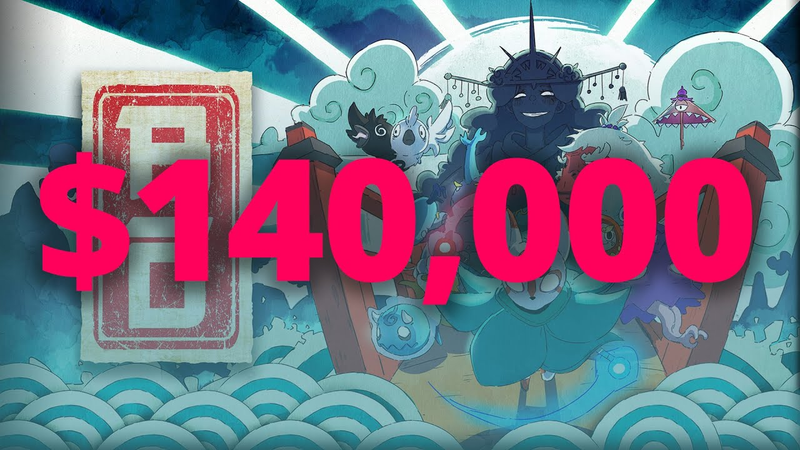
After ONE YEAR of game dev, $140,000! (Conversation with Chris Stair)
The development and crowdfunding success of the metroidvania title Bō: Path of the Teal Lotus demonstrates that significant financial backing is achievable for independent creators through disciplined community building and high-quality visual presentation.
- The metroidvania title Bō: Path of the Teal Lotus secured over $140,000 in Kickstarter funding after two years of development.
- Success was driven by a year-long, full-time commitment to organic social media engagement rather than paid advertising.
- Developers should prioritize high-quality key art and professional graphic design to establish immediate credibility and trust with potential backers.
3 Ways To Make Money BEFORE Finishing Your Game
Independent game developers can achieve financial sustainability by generating revenue streams before a game’s official launch.
- Publishing deals can provide upfront capital advances ranging from $30,000 to $300,000 in exchange for 30% to 60% of future game revenue.
- Developers can generate consistent secondary income by selling game assets, such as 3D models, 2D art, or sound packs, on marketplaces like the Unity Asset Store and TurboSquid.
- Crowdfunding platforms like Kickstarter and Indiegogo serve as viable funding sources, though they require significant community engagement and strategic planning to succeed.


2022 European Video Games Industry Insight Report
The European video game industry demonstrated remarkable resilience and expansion throughout 2022, solidifying its position as a major economic contributor with a total turnover reaching €18.9 billion.
- France and Germany have a significant number of game development service providers, with 261 companies reported in 2022, indicating their importance in the industry.
- Poland had 494 game developer studios in 2022, a notable increase from 412 in 2018, and its industry employed 15,000 people in 2022, up from 9,710 in 2018.
- Spain's video game industry has shown consistent growth, with 447 developer studios in 2022, an increase from 375 in 2018, and employed 9,621 people in 2022, up from 6,900 in 2018.
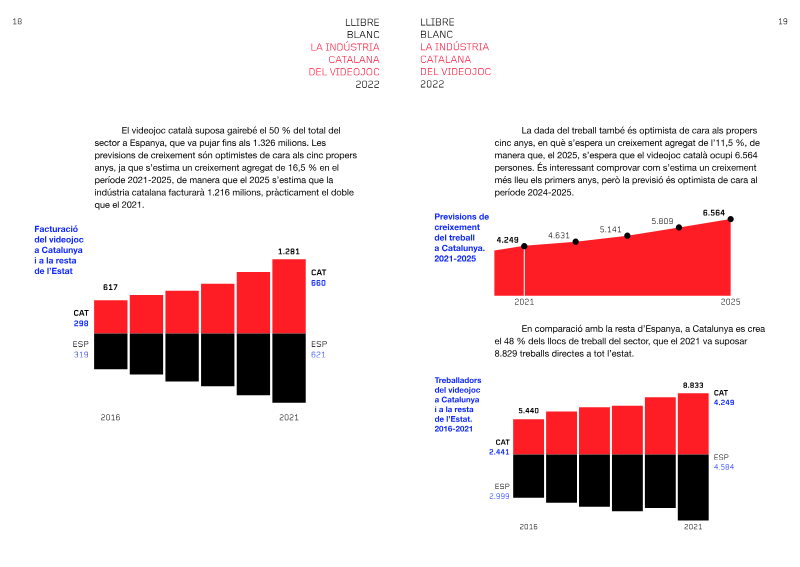
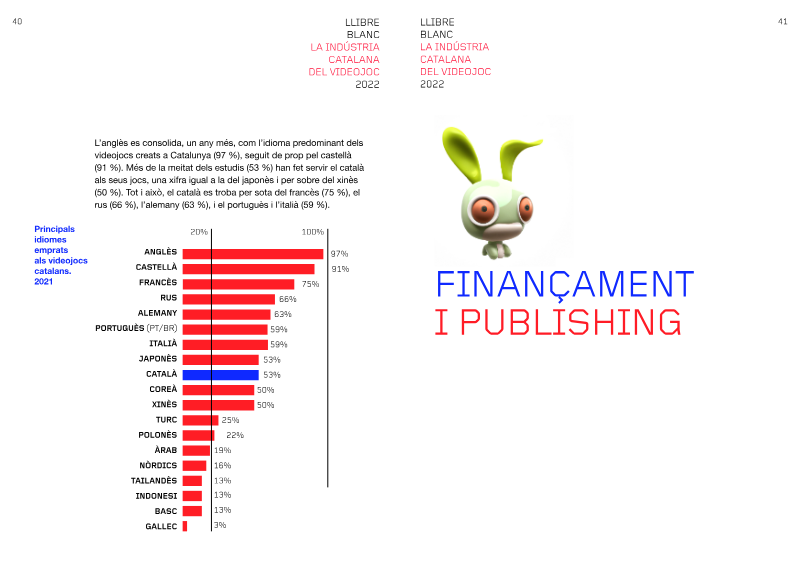

Llibre Blanc de la Indústria Catalana del Videojoc 2022
The 2022 white paper evaluates the state of Catalonia’s video-game sector, arguing that while the region has become an increasingly attractive hub for development, persistent structural constraints—particularly in talent supply and financing—limit its growth potential.
- Catalonia's video-game sector faces a significant talent bottleneck, with 59% of studios reporting ongoing difficulties in recruiting qualified personnel.
- Foreign direct investment in the region saw a major surge, with five new projects injecting €39.5 million into the local economy.
- Employment opportunities within the Catalan video-game industry grew by 32% year-on-year, resulting in 377 new jobs.
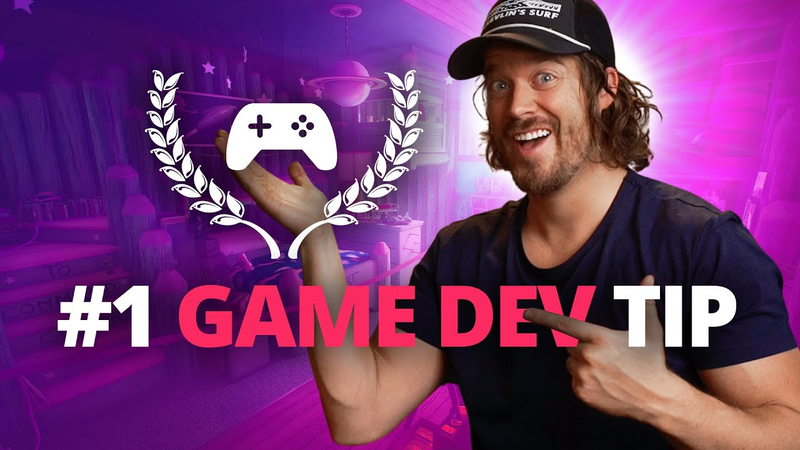
My #1 TIP for NEW indie game devs
Securing a publishing deal as an indie game developer with limited industry experience requires a strategic approach to professional branding.
- New indie developers should adopt a 'fake it till you make it' mindset to overcome a lack of industry tenure and build immediate professional credibility.
- Curate a professional press kit that highlights modest milestones, such as game jam placements or positive alpha tester feedback, to signal competence to publishers.
- Use professional visual design elements, such as award laurels, to frame small achievements in a way that projects authority and professional maturity.

Panel: The Effect of M&A on the Global Games Industry: Is the Future About Fewer, Bigger Companies?
The global games industry is currently undergoing a period of unprecedented consolidation, fueled by record-breaking capital inflows and the mainstreaming of gaming during the pandemic.
- The games industry is undergoing rapid consolidation driven by rising user acquisition costs, the need for advanced data analytics, and a strategic shift toward vertically integrated ecosystems.
- Major publishers are acquiring service-oriented firms in ad tech, development tools, and quality assurance to mitigate risks from platform policy changes and capture value across the entire gaming lifecycle.
- Blockchain-related deals currently account for approximately 20 percent of private equity investments in the gaming sector.
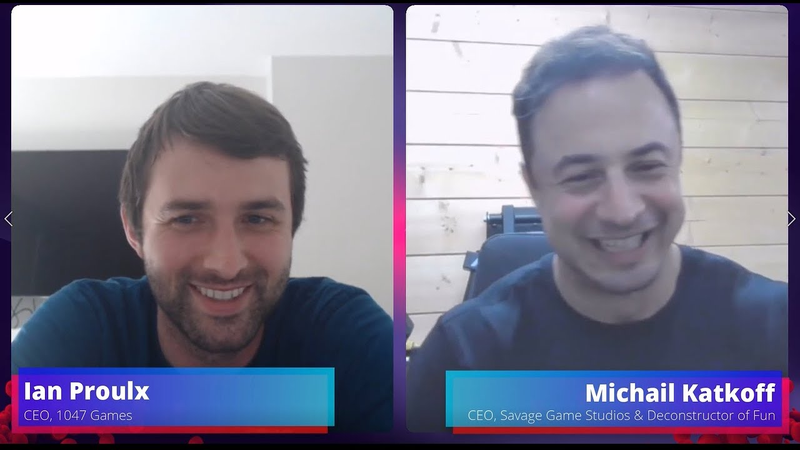
We just raised $100M - here's what's next with Ian Proulx, CEO of 1047 Games
The success of the arena shooter Splitgate stems from a disciplined, data-driven development philosophy that prioritizes long-term user retention over immediate commercial release.
- 1047 Games secured $100 million in funding to scale operations and transition from a single-product studio to a multi-game organization.
- The studio plans to expand its workforce from 35 to 100 employees by the end of the year, prioritizing executive hires including a Chief Revenue Officer, Chief Product Officer, and Head of People.
- Development of Splitgate utilized a two-year iterative refinement period following a 2019 soft launch, focusing on improving onboarding, matchmaking, and tutorials to balance accessibility with a high skill ceiling.
TWIG 143: Reactions to Tilting Point raising $235M
Tilting Point recently secured $235 million in equity financing, led by General Atlantic with participation from Red Ventures and Camar.
- Tilting Point secured $235 million in equity financing led by General Atlantic to scale its publishing model, co-development efforts, and studio acquisitions.
- The company provides infrastructure for live operations and user acquisition to a network of over 40 developer partners, acting as a growth engine for studios lacking those internal capabilities.
- Tilting Point’s business model is frequently compared to Scopely’s historical trajectory, though analysts note that the current market features higher valuations and stiffer competition for top-tier studios.
Shared Values: What it Means to Have a Strategic Investment Partner on Board
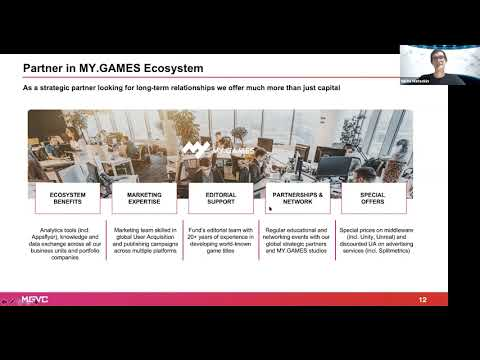
MY.GAMES Venture Capital (MGVC) functions as a strategic investment arm within the broader MY.GAMES ecosystem, focusing on fostering growth for independent game development studios.
- Strategic partnerships that combine creative independence with centralized infrastructure allow studios to scale more efficiently than fully independent operations.
- MY.GAMES Venture Capital (MGVC) utilizes proprietary tools like MyUA to provide high-accuracy ROI predictions and granular performance metrics for user acquisition.
- The efficacy of the MGVC model is evidenced by the title War Robots, which saw a fourfold revenue increase within one year following the application of the firm's marketing and live-operations expertise.
Panel: How to Prepare Your Studio for M&A
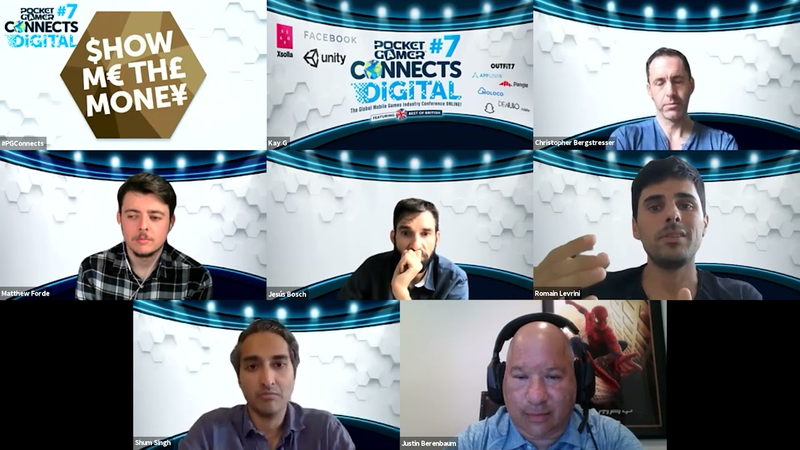
Professionalizing business operations serves as the foundational requirement for any game studio contemplating a merger or acquisition.
- Professionalize business operations by appointing a dedicated finance director to ensure all financial records are transparent and audit-ready before entering the market.
- Engage experienced M&A advisors early in the process to navigate complex due diligence, manage deal fatigue, and handle legal negotiations that frequently derail unprepared studios.
- Prioritize cultural alignment over market trends when selecting a partner, as the loss of key talent is the primary risk to post-acquisition value.

Panel: Where is the Money at in M&A?
The gaming industry is currently undergoing a period of intense consolidation, characterized by a significant surge in merger and acquisition activity that has notably outpaced previous years.
- Approximately 83 percent of total acquisition value is now concentrated in studios that possess self-publishing capabilities, including control over intellectual property, user acquisition, and direct audience feedback loops.
- Acquisition strategies are shifting toward distributed models that prioritize studio autonomy to preserve the creative culture and innovation that drive long-term value.
- Investors are prioritizing early-stage, ambitious studios that demonstrate the infrastructure required for scalability and authentic player engagement.

Panel: Organising Projects: Financing vs. Killing it
Sustainable game development requires a strategic balance between creative autonomy and rigorous financial discipline.
- Studios achieve financial stability by balancing high-risk original intellectual property with reliable work-for-hire or co-development contracts to minimize external investment dependency.
- Project viability is managed through a data-driven framework where teams establish internal key performance indicators that are vetted by leadership panels.
- Studios mitigate the sunk-cost fallacy and resource waste by utilizing gray-box prototypes and market-focused mock-ups to validate commercial potential before full-scale production.