Funding reports and market data
Documents

Fireside Chat: Being Successful in Self-publishing
Success in the hyper-casual gaming sector is fundamentally rooted in rigorous, data-driven decision-making rather than creative intuition.
- Success in hyper-casual gaming relies on rigorous, data-driven analysis of cost per install, retention rates, and session duration rather than creative intuition.
- Studios should only attempt self-publishing after achieving a proven hit and mastering core development processes under the guidance of established publishers.
- Hyper-casual titles should be used as a strategic springboard to fund and transition into mid-core titles, which offer superior long-term stability and intellectual property value.
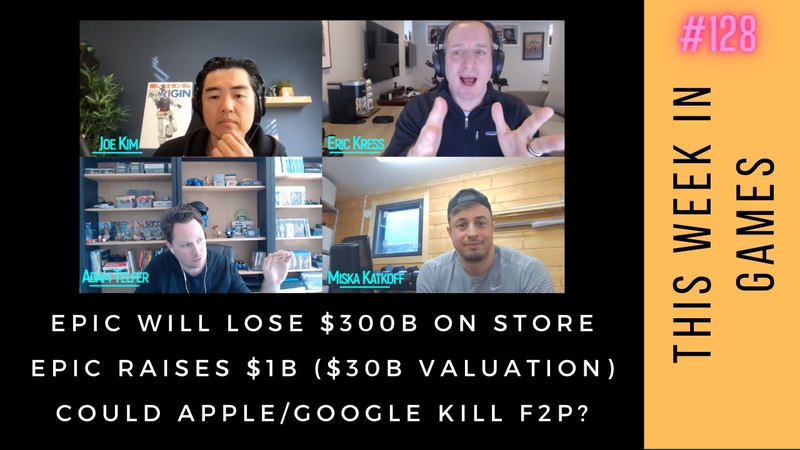
TWIG 128 | Epic Will Lose $300M on Game Store, Epic Raises $1B at $30B, Apple/Google Kill F2P?
The gaming industry is currently navigating a period of significant financial and structural transition, characterized by aggressive platform expansion, shifting monetization models, and evolving regulatory landscapes.
- Epic Games secured $1 billion in new funding at a $30 billion valuation to support its metaverse development, despite the Epic Games Store projecting $600 million in losses by the end of 2021.
- The Epic Games Store struggles with long-term profitability due to a lack of social features and platform stickiness compared to competitors like Steam.
- Mobile gaming faces significant headwinds from Apple’s App Tracking Transparency and the limitations of subscription services like Apple Arcade, which currently fail to incentivize long-term content development.

Investing in the Games Industry with Daniel | Game Dev Unchained Episode 264
The gaming industry is currently undergoing a structural shift characterized by a narrowing valuation gap between high-performing titles and the developers behind them.
- Investors are prioritizing studios with established games-as-a-service models to secure consistent cash flow and mitigate the risks associated with hit-driven development cycles.
- Capital is increasingly flowing toward portfolios of mid-tier titles and 'picks and shovels' middleware companies that address systemic production inefficiencies.
- The industry is shifting away from labor-intensive manual workflows toward proceduralism and advanced automation to reduce iteration times and combat developer burnout.
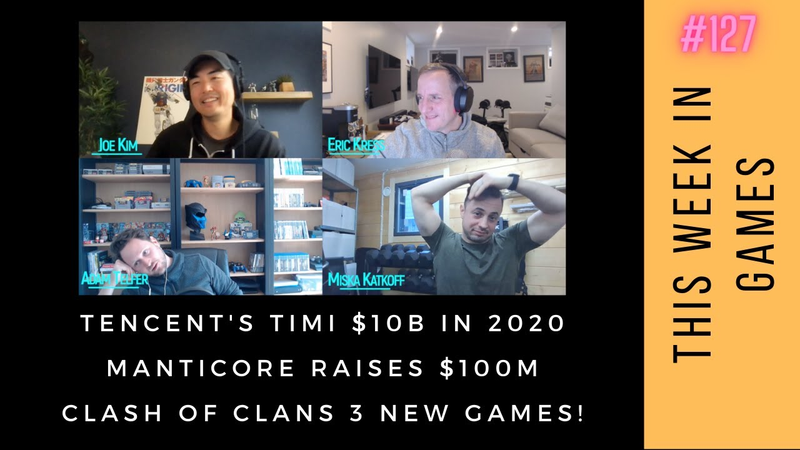
TWIG 127 | 3 New Supercell Clash Games, Tencent Timi $10B in 2020, Manticore $100M for "Multiverse"
Tencent’s TiMi Studio Group has emerged as a dominant global force, generating $10 billion in revenue during 2020.
- Tencent’s TiMi Studio Group generated $10 billion in revenue in 2020 and is leveraging this capital to establish Los Angeles-based studios focused on original, cross-platform, live-service intellectual property.
- Manticore Games secured $100 million in venture capital to scale its user-generated content platform, though it faces significant challenges competing against established incumbents like Roblox and Epic Games.
- Supercell is expanding the Clash brand with three new titles across the puzzle, auto-chess, and action RPG genres, though analysts question the long-term monetization potential of these genres in Western markets.

How to get money from a publisher (with just a DEMO)
Securing funding from a game publisher requires a strategic approach centered on building trust and demonstrating professional credibility.
- Secure publisher funding by creating a highly polished 15-to-30-minute demo that highlights core mechanics rather than a finished product.
- Establish professional credibility by maintaining a dedicated website, a Steam page, and a consistent social media presence to signal legitimacy to investors.
- Execute a targeted outreach strategy by contacting 100 to 200 individual publishing contacts, using personalized emails rather than automated blasts to avoid spam filters.

TWIG 123 | Fortnite Maker Epic Buys Mediatonic, Ubisoft with Ethereum NFT Game, Dream Games $50M
The gaming industry is currently undergoing a period of rapid consolidation and strategic investment, characterized by high-profile acquisitions and significant venture capital inflows.
- Epic Games acquired Mediatonic to integrate the popular Fall Guys title into its broader metaverse development strategy.
- Dream Games raised $50 million in Series A funding to compete in the $3.7 billion mobile puzzle game market.
- Blockchain and NFT integration requires game design to be built around the technology from inception rather than retrofitting existing titles to achieve mass adoption.
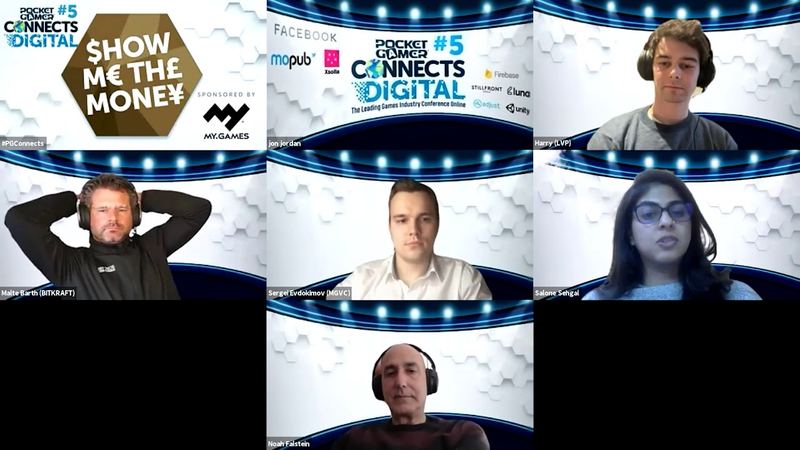
Panel: Will 2021 See Another Boom in Game Investments?
The gaming industry has successfully transitioned from a volatile, hit-driven niche into a mainstream, resilient asset class.
- The gaming industry has transitioned from a volatile, hit-driven market into a resilient asset class, primarily due to the adoption of games-as-a-service models that provide sustainable, iterative revenue.
- Institutional capital is increasingly flowing into the sector as developers use data transparency and community integration to mitigate production risks and stabilize income streams.
- Geographic expansion into India, Southeast Asia, and Eastern Europe is a primary growth driver, fueled by high smartphone penetration and the utilization of these regions as lower-cost development hubs.

Pitching to Publishers | PocketGamer.biz RoundTable
Securing a publishing partnership in the modern gaming industry requires a strategic balance between creative passion and professional pragmatism.
- Prioritize a playable prototype or vertical slice over conceptual pitches to significantly strengthen your position with potential publishing partners.
- Lead your pitch with an emotional hook that highlights the core 'magic' moments of the game rather than focusing primarily on technical specifications or team history.
- Conduct strategic research to target publishers whose existing portfolios, genre expertise, and regional strengths align specifically with your project.
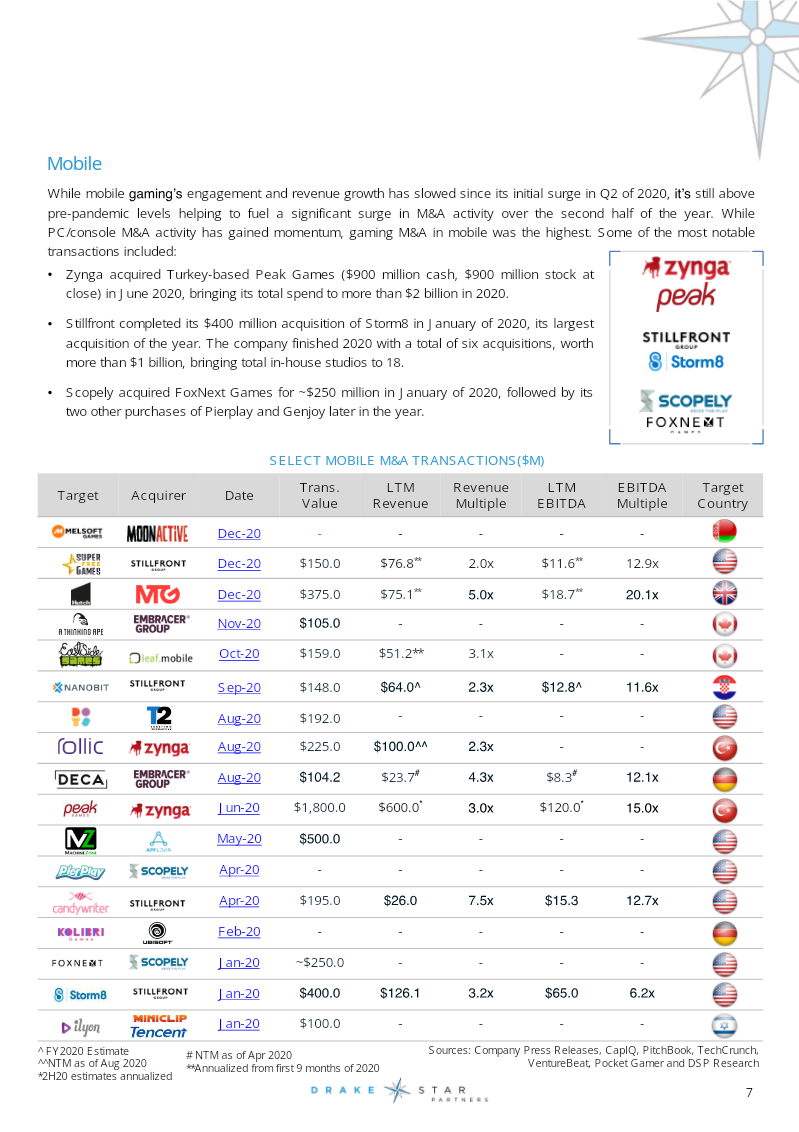
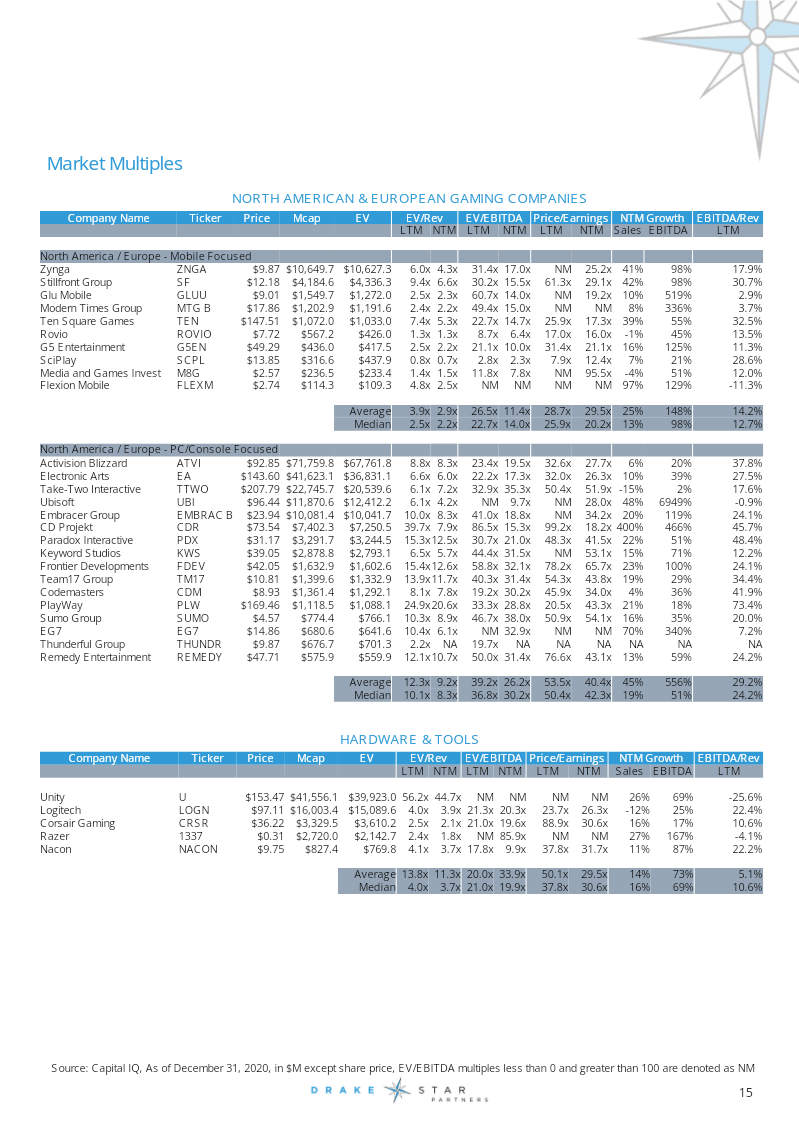
Global Gaming 2020: Sector Report
The global gaming industry experienced a transformative period in 2020, characterized by unprecedented growth in consumer engagement and financial performance.
- The global gaming industry outperformed the S&P 500 by a factor of four in 2020, driven by pandemic-induced surges in mobile, PC, and console engagement.
- Total deal volume in the gaming sector increased by 25 percent in 2020, highlighted by major transactions such as Microsoft’s acquisition of ZeniMax and significant funding rounds for Epic Games.
- The industry leveraged diverse financial vehicles for expansion, including a surge in initial public offerings and the strategic use of special purpose acquisition companies to access public markets.
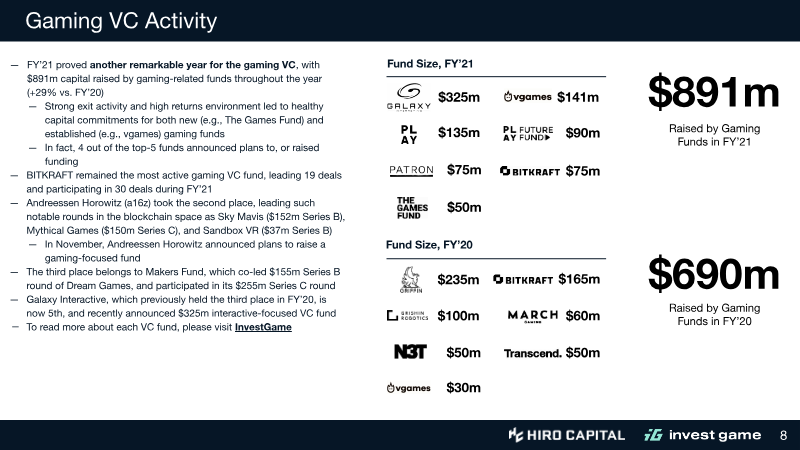

Gaming Deals Activity 2021: Smashing Previous Records
The global video game industry achieved unprecedented financial expansion in 2021, characterized by a surge in capital deployment that solidified the sector as a primary target for institutional and strategic investors.
- The global video game industry reached a record $80.4 billion in total deal value across 967 transactions in 2021, a 2.5-fold increase over the previous year.
- Mergers and acquisitions accounted for nearly half of the total transaction volume, reflecting a significant consolidation trend within the sector.
- Blockchain-integrated gaming experienced explosive growth, with deal value increasing 68-fold year-over-year.
European Video Games Industry Insight Report: 2021
The European video games industry experienced a period of significant expansion throughout 2021, solidifying its position as a major economic contributor across the continent.
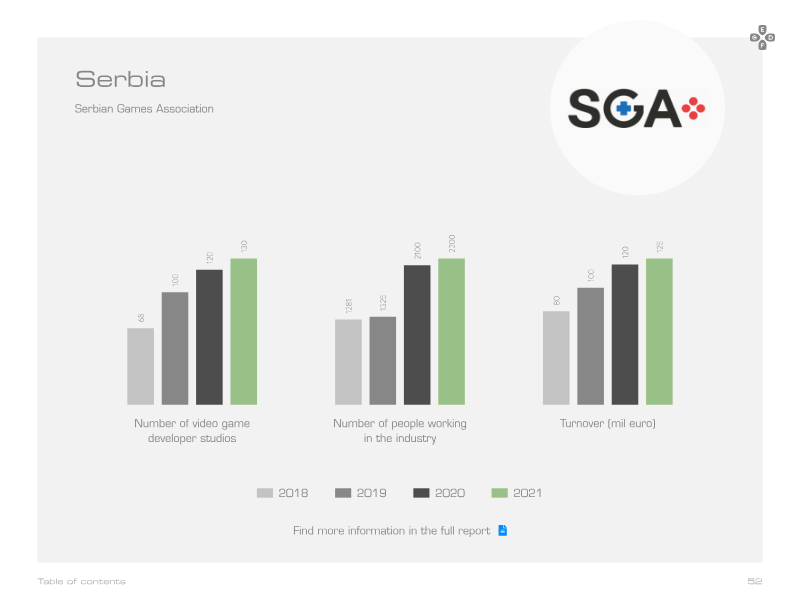
- In 2021, the EU video game industry comprised 5,500 game developer studios and over 250 game publishers, employing 85,000 people and generating a turnover of €18.3 billion, up from 78,000 employees and €15.1 billion in 2020.
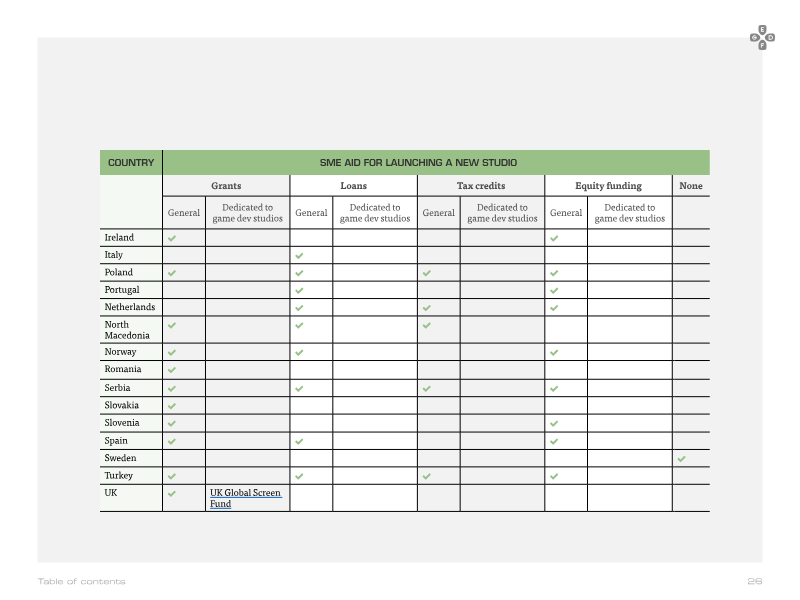
- Many European countries offer cultural aid for video game production, with common forms including grants (e.g., Austria, Denmark, Finland), loans (e.g., Belgium, France), and tax credits (e.g., Belgium, France, Germany, Greece).
- Europe has a robust educational infrastructure for game development, with numerous institutions offering study programs; for example, Austria has 13 institutions, Belgium 8, and the Czech Republic 8.
Find Funding During CoVID Times with Pontus Mahler | Game Dev Unchained Episode 237
Securing capital in the modern gaming landscape requires a shift from creative-only focus to a rigorous, business-oriented strategy.
- Investors prioritize the team's business acumen and professional maturity over the game concept, requiring founders to demonstrate a clear growth strategy and adaptability to feedback.
- Studios should dedicate approximately 50% of their operational time to targeted networking and relationship building rather than generic outreach.
- Financial plans for budgets exceeding €500,000 must include a three-to-six-month buffer to mitigate risks associated with development delays and post-launch stability.