1 free read left. Create a free account for unlimited reading + AI research.
Create free account
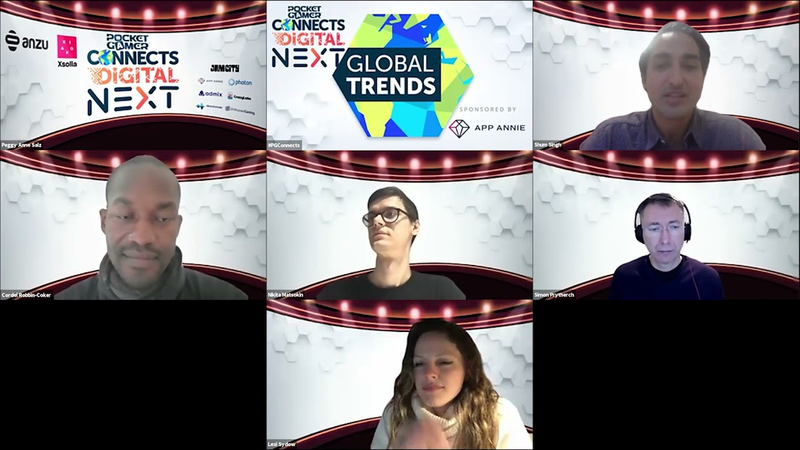
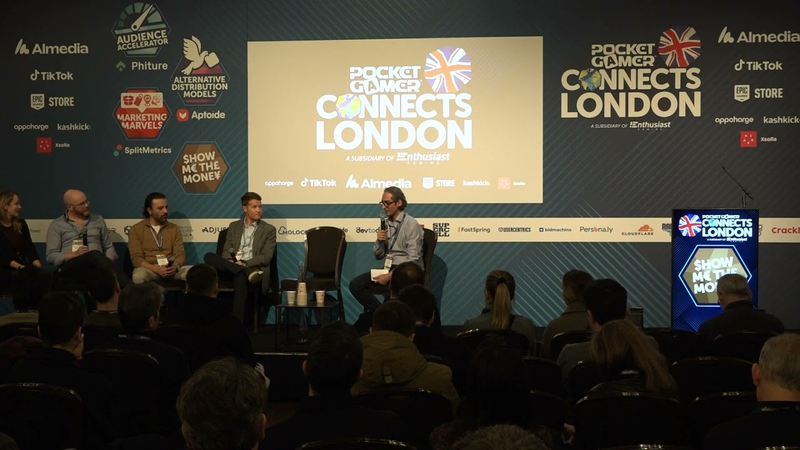
Panel: The Effect of M&A on the Global Games Industry: Is the Future About Fewer, Bigger Companies?
Key insights
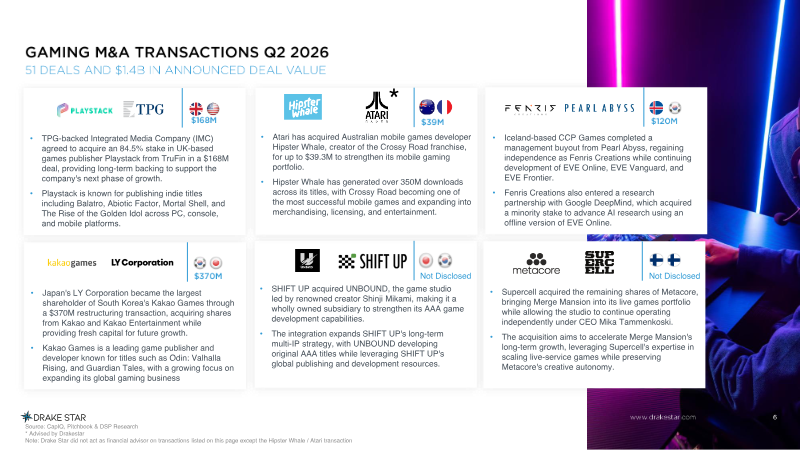
7 takeaways- 01The games industry is undergoing rapid consolidation driven by rising user acquisition costs, the need for advanced data analytics, and a strategic shift toward vertically integrated ecosystems.
- 02Blockchain-related deals currently account for approximately 20 percent of private equity investments in the gaming sector.
- 03Major publishers are acquiring service-oriented firms in ad tech, development tools, and quality assurance to mitigate risks from platform policy changes and capture value across the entire gaming lifecycle.
- 04Consolidation provides independent studios with necessary scaling resources, yet it creates tension by forcing a shift toward risk-averse, shareholder-focused strategies that may stifle creative agility.
- 05Independent studios remain essential to the industry because the unique artistic vision required for hit titles is difficult to replicate through corporate scale alone.
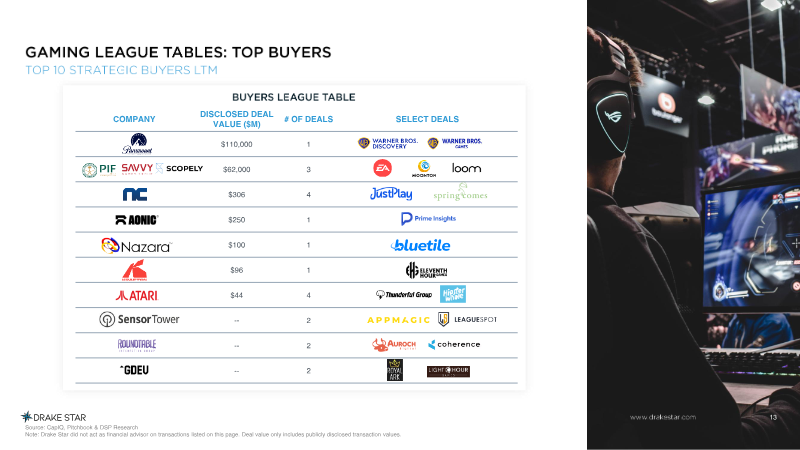
- 06The entry of traditional media and streaming giants into the gaming space is accelerating a shift toward cross-platform intellectual property synergy, establishing gaming as a central pillar of global entertainment.
- 07While large publishers maintain a cautious, wait-and-see approach toward emerging technologies like blockchain and the metaverse, big tech companies are currently leading acquisitions in these niche, early-stage markets.
Ask AI about this video
Transcript
so we're moving on it feels like a world tour here on some sort for a band but uh here we go we had turkey we had finland we started off with china what better way to wrap it up than the effect of m a on the global games industry and we have a great panel i'll introduce a few of them because i did my homework a little bit here and i thought wow this is really cool so um of course um shum singh is going to be our moderator he's managing director and founder at magneto capital games focused investment bank and it's on a mission to close deals that make studios happy uh talking about happiness again here not just lending not just leading up to the deal but in the years
afterwards and we're happy to listen to you sham but i want to also give a little bit of insight into your panel uh cordell robin coker uh carrie first talking about uh taking games to africa the promise of black chain blockchain rather and uh lexi um a data diva i have to say at app annie looking forward to those insights simon simon pytherek i will not ruin that name i'll just say simon ideally place to answer these questions as you're also growing a new development studio and creating original ip at a european publisher and finally nikita max matkisson mexican executive producer my games uh lovely to have you share your perspective as you said on consolidation of the market and recent notable m a activities and trends i'll leave it to you shum
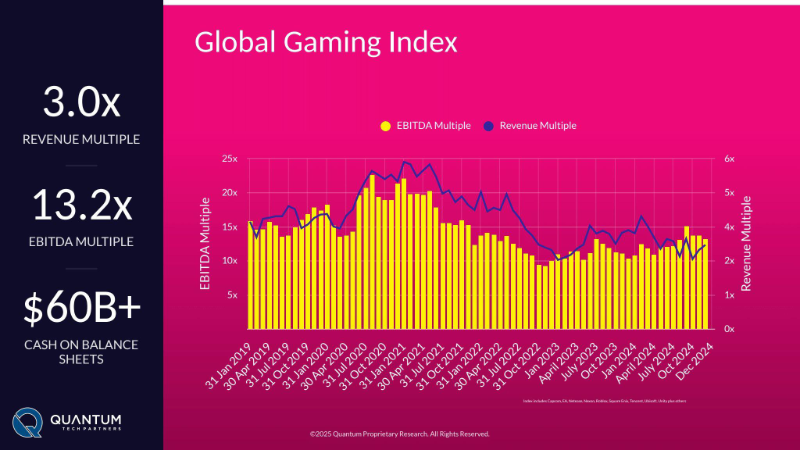
great uh well well thank you peggy ann i appreciate that um so yeah you know i think everybody is pretty much aware at uh just just a rampant amount of of consolidation that you know the industry has experienced the past few years um 2020 was was an absolute blockbuster year that we all recall very well um but i think also thus far 2021 has even already eclipsed 2020 which um i i kind of shake my head and think how's that possible so so yeah so we're in this this kind of real uh incredible sort of environment for consolidation and um and i think one of the main themes here uh that we wanted to discuss along with a number of other subjects was was is is all of this consolidation really beneficial to the industry as a whole um you know obviously there's
there's there's been a lot of compelling reasons to uh uh consolidate given just how fragmented the industry is in terms of of different platforms in terms of different genres etc um so so there is a a very strong imminence impetus to to conduct m a but you know what what we also i think wanted to to talk about is are there are there some potential drawbacks so so with that um sort of question in mind i'll i'll open up to um uh the panelists and and maybe we'll start with uh with cordell so so so please uh the floor is yours so we're starting with with introductions uh i i thought peggy ann made a little quick introduction but please cordell sorry i don't want to steal anything please no no uh just very quickly uh i'm i'm ceo of carrie first um we're a regionally focused publisher um focused on bringing international content to
africa and uh before that i spent about a decade in m a and um and private equity um look i think i think this is a really fascinating topic um there's so much momentum which has now been sustained over almost 24 months and even before then you saw some interesting trends and so i think it's neither good nor bad um and there are a lot of nuances which i'm excited to dive into um with the rest of the panel here great thank you uh uh nikita over to you yeah thanks shum hey everyone uh great to be here with uh you guys my name is nikita i'm part of my games venture capital and my games venture capital is a strategic investment arm of my games which is uh one of the leading european publishers by revenue what we're doing here at my games venture capital is that we invest
in small independent development studios help them grow and then consider its acquisition at a later stage so yeah overall we're focused on uh seed rounds mostly checks checks for hurricane to two mils and uh yeah being uh really active uh out there on the investment side of things and uh yeah happy to discuss this this really exciting topic together with you thank you uh simon over to you hey there i am i've run my own successful development studios over the years and exited from those but currently i'm um working with gamigo a european publisher who has a strong m a strategy and uh developing their internal titles for mobile um so i have a a broad spectrum um one of the things with your question about you know what's the drawbacks um i think
if you're looking at m a deals from a developer perspective you do need to consider whether you're going to lose that agility that made you successful you will have to answer to your larger companies usually public companies shareholders and that means you may need to lower your risks but on the flip side you'll have the funds to invest in new projects so this it has to be weighed whether it's the right time for you great thank you and uh over to you lexi thank you hi i'm lexi ceto i lead the insights team at appiani uh we are a mobile uh market data and insights provider and um spent a lot of time analyzing the mobile gaming market specifically over the last two years or so which has been particularly fun um given the acceleration from coven i mean you can really see the rapid ramp up in q2 of 2020 and then largely seeing that it's been sustained over time
varying metrics that will show uh but ultimately the consumer spend one is pretty compelling to show how um gaming sort of became more mainstream in a way during coven and has pretty much sustained a lot of that growth um in terms of the question about consolidation in the space i think um similar to what simon said one of the the major things to consider for us is looking at some of the smaller public publishers how they can sort of still stay afloat um and stay competitive and part of that is the being nimble and being able to test different game plays a lot faster but at the same time as mobile i mean one of the major trends we've seen is just the big budget capacity that has tended to follow especially um during and after coven i think that when things go mainstream in that kind of a sense um you tend to see a bit more appetite and interest in the space because it's also the amount of people playing the games has grown and
we've seen that sort of the cross-platform nature is really compelling and that can open up some of these bigger budgets especially um some attention from traditional players that might be looking more at pc mac and console and so i think that that's where um the question lies is how much of that uh potential big budget production can in some ways bring really interesting new genre-defining titles to mobile but then at the same time um how does the smaller box sort of stand out within that yeah to the question i completely agree that well pandemic has uh been one of the reasons that resulted in a big capital uh flowing into the gaming industry and uh looks like the more more of a general public uh unders starts to understand that uh especially free-to-play business model is really sustainable uh especially uh at the
mid to big scale uh of the products and uh the publisher's portfolio with a long monetized cohorts and therefore yeah well uh i believe that this m a wave is a part of uh this uh huge amounts of capital uh flowing into into the gaming industry and of course uh it has some uh like benefits and the drawbacks in terms of benefits of course well uh the the industry has been uh really fragmented at the very beginning and uh consolidation is uh i believe obvious part of evolution right as uh big companies are into controlling the uh the full pipeline of creation of content as well as bringing new audience to to the games uh and yeah well the com the competition is rising however uh this big capital influx results in better
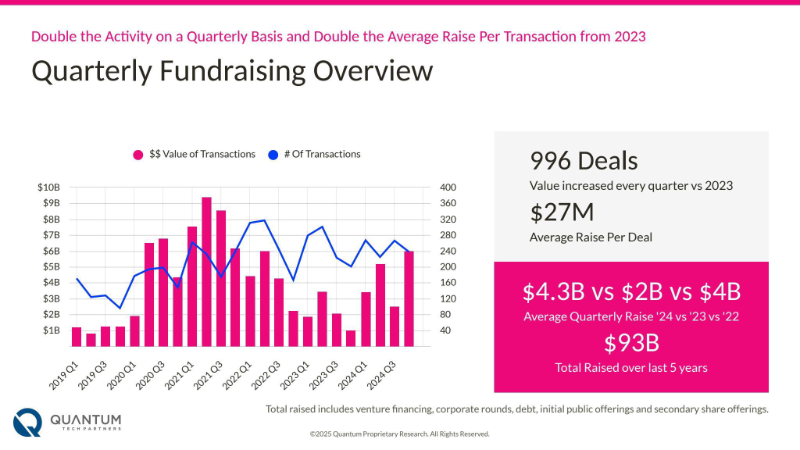
opportunities to raise uh investment for for new studios which which is definitely an opportunity um great well well yeah thanks for thanks for all all those comments um i think i think what i'm what what we're kind of hearing is is um there's there's a tremendous appetite and interest level in in the games industry for for various reasons and i think a lot of both uh private company investors public institutional investors have have literally woken up they had this sort of eureka moment during covid because the world health organization said stay home and play games so uh so they all realized oh crap uh why don't i have exposure to this industry so so i think i think the floodgates have opened um you know we're talking about all this capital inflow and and you know what i think particularly in in everybody's mind at the moment
is is sort of blockchain gaming uh with with kind of intersection with with crypto uh and tokenizing games but then also you you kind of have the the metaverse um and i think in the last probably couple of quarters we've seen more than more than you know easily over a billion being invested into some of these companies and incredibly large fundraisings um you know funding rounds we're seeing you know sort of um any moca raising 65 million at over a couple billion valuations sky mattis raising 150 million mythical raising a really big round forte just announced last week around at 750 million plus um related to the first comment and you know kind of talking about hey is this consolidation going to contribute to fewer larger acquirers do you see potentially some of these new blockchain entrants
um becoming dominant players or becoming sort of uh or or potentially usurping some of the incumbents uh right now so uh so so so let's let's go back to uh to cordell i i think the the trend is incredibly powerful um the interesting thing is that there's there are very few like genuine um examples of blockchain games that have scaled to date um i think axi has really just kind of captivated and captured everyone's imagination um and then beyond that for the most part it's like largely theoretical um i i do think that the promise of play to earn is massive um i don't know if it's i don't know if we're at the juncture when free to plea play came out and we were saying well you know what about
premium games i don't i don't know if we're gonna have that kind of a sea change um but i do think that play to earn and sort of blockchain oriented games are gonna have a significant impact on the industry um and really kind of change the way um people view games people view ownership of assets and um and so on and so i mean we're seeing primarily the sort of private um venture capital market broadly defined investing in that right now um and i could see some of these becoming really really big companies um you know in some ways they're built to avoid acquisition because over time you know they're supposed to essentially become decentralized with regard to ownership and decision making which actually kind of flies in the face of you know build a nice game as a studio and then hope that lexington comes by
and and puts down an offer right like over time these are supposed to be owned by the people um i would i'm very curious to see whether that happens or whether uh traditional centralized capitalism um continues it's it's rain great um um how about over to you nikita well yeah this this we're looking at the very exciting uh trend with uh with this blockchain games and uh i believe that nft and this this massive idea of uh players owning the the assets uh beyond the products themselves uh is uh really important and will definitely make a difference well my personal view on the platoon is more questionable i would say in terms of outreach uh globally especially in the western regions yeah my my view on this is that axe
infinity has really showed solid performance and the recent round uh is basically proven that uh but uh yeah uh i'm really excited to see what would be the next uh gen of uh nft based games beyond uh play to earn and how how this idea of players owning the the assets through nft uh will evolve uh in creating the new value new engagement within products uh in in the coming years so yeah it's it's more of uh uh thinking out loud than uh providing direct answers but yeah in our view that's that that's a little bit too early uh to to to decide and to yeah judge for long term for nft and blockchain especially in this new generation of later on products
and uh and simon did you want to add some comments to that yeah in my research for this panel i was looking at what deals have been done this year um and for private uh equity it was roughly nine billion new deals out of those 1.8 billion dollars was uh for nft and blockchain so that's 20 percent of new deals this year which is a real sharp rise um and it shows that that's the the new trend um the specific deals like so rare which is a fantasy soccer game there's dapper labs um which is trying to establish well they've been establishing a new blockchain called flow which is uh so that's trying to establish the standard and then there's also people like mythical games you're doing a developing an open standard for virtual items on the blockchain as well so a lot of these early
investments are trying to make big plays to be the standard to go forward and i think that's what you're going to see and then outside of blockchains there's obviously facebook's rename them itself that's a big indication of where they're going to put their money um in the coming years and i think that yeah but that's obviously exciting the markets because they know how much cash that will bring yeah sure um lexi did you want to add any comments or we can you kind of agree with with what the folks have just mentioned yeah yeah i mean i i do agree with um especially the sense that it might be you know it's still rather nascent i think for us to see some of that meaningful traction on mobile um but i will say one of the things that really strikes me and which i think looking at other categories outside of gaming you start to see these trends emerge which is a testament to some of the mechanics is just the idea around um creation
where you're empowering users to create some capacity and to foster that deeper engagement so um and then even the step further and like monetizing that you start to see that on tiktok for instance where um you know tick tock has very quickly become one of the top grossing apps um on the app stores and it's due to um sort of that similar to twitch if you have a live streamer people are sort of buying those in-app purchases to compensate the content creators so it's that creator economy and effect um so i think that that that trend in itself is extremely powerful and we're seeing it grow really fast um on mobile overall and so i think any time that there is you're combining these social elements with um gaming in particular that entertainment space and then empowering creation um from the users that's there's a really nice sweet spot that we're seeing occur
um especially in terms of engagement and the potential for monetization yeah actually on the other note in terms of blockchain and ft games i believe one one of the conceptual uh i believe like challenges is distribution right because uh google play and app store are not allowing for blockchain nft games so yeah it's it's all about uh wide audience appeal uh and uh how those those really well-funded products uh with innovative uh monetization systems as well as economies will get to to the audience worldwide and will they really disrupt the the current state of platforms like google and apple or uh yeah or vice versa and uh the platforms will will push back on this so yeah really really interesting uh topic to observe in the coming months and years yeah and and and i throw steam into that mix as well
oh yeah um so so uh let's uh let's uh move on to the next question um are there any um specific areas of consolidation let's say you know particular platforms or or let's say specific niche genres of of um of games whether it's casual uh mid-core hardcore um you know uh that you're seeing uh um you know perhaps uh uh that haven't maybe received uh uh the same amount of attention as the strategy strategy genre in mobile or pc as an example um or or you know for instance battle royale or moba type games um you know what are are there any sort of uh let's say un you know hidden hidden interesting areas that that that for some reason
acquires are overlooking um so so um back to you cordell i i mean anecdotally it looks like almost no space is is safe um i i see consolidation and uh mobile piece mobile npc probably less so console because of the nature of it um across a range of genres um i think the the one probably where i haven't seen anything significant is in the um big budget shooter genre um and and maybe i'm i'm missing one but i i think that uh because of the incredible cost to develop those games um you actually see that the original owners are large platforms to start with um and so they're you know spending tens and
hundreds of millions of dollars and then going head to head but otherwise um there's nothing that really stands out that says like look that's a real opportunity right for consolidation whether there hasn't been um at this stage great uh uh nikita yeah well uh in my view my big big faults and big publishers and corporations are executing on their own strategies in terms of building out their uh diversified portfolios across genres and uh platforms so yeah like uh we can see various approaches uh to let's say um to well generous of highest interest uh from from from several uh publishers or if we'll take let's say embracer as an example then they're uh in my view they're building now several verticals like pc premium vertical uh
like hyper casual vertical with uh recent crazy laps acquisition and also like classic uh free-to-play mobile game as a service vertical which is led by deca games uh so yeah in my view my the the m a wave is uh covering uh all the genres um and uh yeah it pretty much depends on a specific uh publisher and their epidemic to to increase their uh outreach of the audience in some specific genres or establish really solid cross-promotion of the audience within their portfolios especially with the recent idfa changes and uh yeah that that same trend that is coming from uh google play these days uh so so simon uh being being very active in the market looking uh as you mentioned from from media and game uh uh
perspective since you're sort of trolling through and and trying to find these these these these sort of uh gems of studios out there what what are you seeing is there anything that's just glaringly obvious that for some reason folks have have ignored i think um as outside of the actual game genres the one of the key investment areas is tools uh you see this with keyword studios of the way they've grown um almost parallel to embracer which is game studios keyword studios is providing services to games games developers um you also see it in the combining of performance marketing and ad tech as well uh with mobile um development and publishing so that you can capitalize on both and make take advantage of the margins in both businesses look at app loving and max and adjust and and
supersonic studios um i think if you're looking at sort of games uh areas i don't think there's any niche area currently that doesn't have large uh investment in m a activity um it's it's all getting attention at the moment but the things where the areas where you can keep audiences for years is what's going to um so even though there's a lot of activity in the hyper-casual area like you saw with the crazy labs bracer that's almost like they're using that to get an audience in and then to keep them longer they're they're hopefully going to shift that onto games and services that have a longer life um and and lexi did you want to add something particularly from a mobile perspective yeah i think to simon's last point um just looking at some of the top charts i
will say what's compelling to see is um for downloads for instance we tend to see that it's very hyper casual heavy you know a lot of people playing hyper casual games uh by their nature you cast a wider net but what's really interesting is that over the last year in recent quarters we've seen some of the more um core or mid-core games start to show up a bit more in those top downloads charts so my talking angela um we see roblox we see some of these other kind of um games that you expect to see show up maybe for really engaged users or consumer spend and they're showing up in the downloads chart which i think is really another thing that kind of paints the picture of mobile's potential and where it's going is how um the mobile mobile gamer themselves might also be slightly maturing where um some people are always going to love hyper casual games but i think that that's that dipping your toe in and as the market's moving i think that
people they might start there um and then they're sort of growing into some of the other games that might take them a little bit more core um into simon's point about those games that keep you coming back the really sticky games where you're typically a lot of the ones that really have that strong engagement are competitive multiplayer um there's that social component of some kind that keeps you coming back um so that i do think that's a really positive thing because it shows that really broad reach that we're starting to see across multiple types of titles it's not quite as as niche almost um so that's something i think in the coming months we'll see more of as well and i think it speaks to kind of the trends that sign was talking about yeah to to simon's point i believe it's a very important call out about the fact that big folks and publishers are starting to pay attention not only on the product companies but also on the services companies so if we'll take embracer for example they've acquired
saber which is about content production as far as their mind last year and just recently they required white x and vitex is mostly known for its qa powerhouse so basically big folks are building out their i would say full house portfolio of services products and net tech companies to really uh yeah be present in all the verticals of uh game industry and consolidated in full yeah um i i i do agree with with some of your comments and i think certainly embracer having sold deca and a number of studios to them over the years i don't know the know the company extremely well um i i do always think that they are kind of forward-thinking and really progressive and and have a very holistic view um personally i'm just not sure whether other folks will catch on i i think that
i think that the the you know and conceptually in what we're speaking here and hypothetically i think everything makes sense but in practice um and having brought them various types of opportunities you'd you'd imagine they would be compelled uh for for all the same reasons but they're not biting so so remains to be seen i i'd like to be proven wrong uh in the end for the embracer thing uh in just a few seconds it's all about execution right so of course you can add a great portfolio of the companies and have a full house of services products etc but will you actually get to the synergy between them to the higher level com compared to a diversified uh range of companies which are working independently and if yes uh at scale then it of course makes a lot of sense from the business standpoint but if we're talking about m a then then obviously unity is the big one in the tools market where where they've bought so many
uh companies over uh and quite so many companies over the last few years um and obviously keyword studios i mentioned earlier but but with the unity with looking at the other trends like nlt uh metaverse they're the company they're going to be behind a lot of this growth as well so they're putting yeah yeah banking on the growth of these sectors themselves and and buying into the tools and the devops et cetera that will uh allow us to create the games for those platforms yeah maybe just an additional point on this because i think the tools piece is super interesting um the combination of content and tools um as a potential moat over time i think is really interesting you look at what app 11 has done starting from tools adding content and then now making a couple big acquisitions um with um with mopub that is the most
recent one and then even zynga getting in the action um you know who's a pure play content company uh for for a long time um it you know remains to be seen how that plays out but you know to the point of other independent players and smaller players what it means for them if you have you know a few parties actually literally sort of acquiring the the tools that you use in order to build and go to market it makes it pretty hard to think about being independent for a very long time um so i think that has pretty significant implications for potentially future consolidation yeah and exactly on that point cornell you read my mind because uh because the next question was uh with respect to smaller independent players does it even make sense for them to kind
of go it alone or should they really strongly consider joining a larger group um and and and being part of this consolidation wave um so so uh and again i've spoken to many many studios who are who are staunchly staunchly proud of being independent and remaining independent and will always be independent and then suddenly i'll read about them getting sold you know two weeks later and i'll pick up the phone and say what happened so so it's just it's just interesting to see that even some some you know really really ardent ardent believers in in being fiercely independent you know have have succumbed um you know what i guess what's what is what is changing the opinion of of some of these smaller independent players to who still let's be honest they have some really good businesses still quite profitable have steady businesses but why join this this this current wave of consolidation and and lexi i'll start
with you this time yeah sure i mean i think that the the one of the major trends is just that i think the big production value going into some of especially from the mobile standpoint um i mean you look at games like junction impact which were pretty much genre defining games um and just the the production value that went into that um cross platform and so i think that that's that's a rather compelling card um you know there are some concerns you know you read about in the market or other analysts speaking about um just the a potential financial crisis looming and there's a lot of market you know questioning and so there could be this sense as well of people or or specifically smaller studios maybe trying to kind of cash out of it now if they're feeling um if for them what they're projecting is that there might be some sort of funds drying up in the future as well um
but i'm very interested to hear everyone else's take on this one it's a compelling question sure uh simon how about how about yourself uh and any comments to add on that um as i mentioned earlier i i work with uh camigo who has we actively have an m a policy um i'm part of the due diligence team for mobile uh studios and how we pitch to studios is that um the scale um the fact that we've got advanced data analytics the performance marketing and ad tech which in the other half of the business and then obviously a large marketing department of marketing expertise that you may not want to devote your development time to so these are all good reasons to be acquired especially when you if you don't want to get involved in all of that that as a developer but
it's not yeah it's it's timing i think a lot of developers um i'm talking now from my background as a developer they rush in to to trying to sell the company too early sometimes what they should look at is their own timeline and not be pressured by what the market's doing um see when it would be best for them to go out to market when they think it would be the peak value of their company or the the best time to get help um and rather than be forced into it by as lexi was saying the thought of it the market's crashing um that quite often doesn't happen or if it does then you shouldn't be worried about it if your company's on the ascendancy great uh and and over to you nikita yeah yeah well uh in our view [Music] marketing user acquisition uh
being very expertise and uh resource and financial heavy uh on mobile free to play side of things especially is one of the key aspects that is pushing meet small-sized independent developers on mobile to really join the wave of consolidation however well given our observations of the of the market uh the product is always the king so there is always an opportunity to create a solid product with really like exciting gameplay which will make a difference compared to let's say competition in the genre and attract large volumes of audience and be successful uh through throughout like various ways ways from user acquisition to or getting traffic to like working with influencers etc but to lex's point which which i agree with uh fear of missing opportunity right is one
of the aspects that really contribute to this m a wave and uh desire of uh independent development studios to join this uh this big uh corpse because hey uh multipliers are really high valuations are high so why not joining this this this wave and uh yeah uh create something together with a with a big chord great um you already kind of answered this question i i did so you know one reason why you would uh is because you feel like it's gonna be really hard to go at it alone um but i but i think the other panelists in in much more sort of subtle terms really hit the nail on the head and i think the biggest driver is cash um because uh if you're looking for you know ua help or
um different capabilities and things like that there are service providers and there are full stack publishers that provide that and allow you to continue to be independent and there are private capital markets and venture and otherwise that allow you to continue to fund your business to fund growth and so on uh and also remain independent so the reason why to me the biggest reason why you sell uh give up some level of control uh of your own destiny is is for cash in in like in your bank account um and and it's really the question of like cash today versus the promise of what we can build in in the future um so i think that's the biggest driver but like you know all hope is not lost i think the gaming industry is is the rare one where um small independence
matter and will matter because if it was really easy to repeat that magic of making a great game the big companies would just pour cash on it and multiply it over and over and over they wouldn't be going to random corners of the world to acquire you know 10 person and 25 person studios because there still is art in making a great game and there is also a bit of luck so you know there will always i believe be a role for indian emerging game studios great um just moving on to the uh next question and uh i think we're going to probably run out of time after that one and then i do want to open up um uh and answer some questions that we've received in the chat um did you do social i'm going to read a few to you in a moment there you go there you go so we'll we'll make it really quick uh on
this next question so um so we are seeing uh um now some some attention from media and streaming players coming into kind of games and and that sort of intersection between between streaming audiences and lexi referred to kind of content creation and tick tock and and how that's just had a tremendous impact on mobile um how do we how do you guys envision traditional media players and and and and not necessarily just them but also companies like netflix now that have really made a real foray into games and do you think that some of them could potentially become a larger uh dominant acquirers in the future um so so over to uh nikita first this time yeah that's a great question uh in my view as ips are becoming more and more important in the entertainment overall uh and uh lots of uh uh meet to big size
development studios are uh yeah getting those ips license for their products i believe that that synergy is becoming more and more important and meaningful uh especially given they push enough price of well cost per install in mobile free-to-play so yeah i believe this this is one of the reasons well that will be um yeah bringing uh larger entertainment companies and corporations uh closer to game development studios including all kind of strategic partnerships and m as of course because hey uh gaming will be the next is actually already a next big thing in terms of entertainment right uh really rapidly growing industry so yeah from from the rational and business standpoint lots of entertainment companies should be on this train already
great uh and then over to uh lexi uh do you have any thoughts to share on on this on the subject yeah i mean i think the biggest thing i probably spoke a little bit before to it so i'll keep it brief for a time sake but i think there's a huge intersection between social entertainment and games um and sort of the kind of core ethos behind it and what they do for consumers and what consumers get from them so i'm not surprised to see companies like netflix kind of jumping on this bandwagon i think it makes a ton of sense um and i think i'm i'm actually excited to see where things go from here and how they take it and what ips they leverage and um i mean we're seeing some indications even of you know mobile influencing the content that's streaming right with arcane showing on netflix just read that it was the highest rated show i believe is what they've said um so this is a really interesting it's not just i think um sort of entertainment scooping in it's
also how games are sort of reshaping some of the landscape for entertainment too so at the end of the day i think those social features are incredibly important and we see that across the board through many apps and in games especially and i think this intersection is the space that i would be watching um specifically next year and and in the years to come great and and uh how about uh simon any anything to add i think with netflix coming into the games industry um it's also showing that the subscription model um with google play pass that their own game service and apple arcade is a viable business route for the developers and therefore it's showing a maturing industry that um two investors that yeah look there's lots of different streams it's not just all free to play there are some other uh ways you can monetize your games as well great any any final thoughts to add on
that cordell i i think um over time almost all um traditional ip will have some kind of gaming corollary because i think what we've learned over the last few years is that games and particularly the free-to-play model is is like the best way to monetize content period um i think of netflix as a platform so almost much more like a publisher and a consolidator um but your your pure play ip creators i i think are are going to stay on the licensing side and and allow game companies to uh leverage their ip and basically collect royalty checks which is i think a good commercial partnership and and will be good for consumers over time great then i think it's time that we can uh get into some of the questions so uh we have here uh the first one um
okay please please peggy you please you go for it no no no go for it i mean i thought um uh one that i thought was very interesting because cordell you raised it is uh you know people are a little bit upset that you're hesitant about blockchain they're like it's interesting to see the hesitancy on blockchain nft clearly not uh matching the wider market what would convince you what would be a sense that we have a breakthrough i think that's a great question because we don't have that feeling yet but uh and and you were the one of the one of the less enthusiastic so far you say it's coming but when do we know it's here i actually saw that question and found it quite fascinating um because i i consider myself actually one one of the converted um particularly in my set of geographies which is really uh africa i think blockchain blockchain gaming and and and the play to earn model have like
tremendous scope right like my my median uh gamer user is a 19 year old uh you know young man he has typically more time energy and intelligence and money and so the idea that he or she could play a game make money trade assets um and stay above sort of the the fray and leapfrog a lot of traditional um ways of of earning and engaging i think is really really compelling um but you know we actually haven't seen that many sort of commercially viable models come to market yet and so a lot of the capital that's going in is is funding projects that are in development that's just yeah that's an observable fact um and and doesn't mean that you know i'm not a web 3 believer because i definitely am okay so you're a die hard open to anyone
else otherwise i'll move on you tell me are we good to uh move on because one thing that they bring up also in the questions is you know we're seeing i'll stay of blockchain for a moment you know we're seeing uh blockchain the metaverse it's happening sort of outside of what we can track what we can really monitor um lexi you're over at app annie are there what is your perspective on that because it's mobile focused but we also can't monitor it the way we can other apps other developments yeah yeah it is definitely an interesting one i think i'm i mean we sort of looked at the metaverse space within some of these sort of uh our subgenre taxonomy that we have and we actually were forecasting some of the spend for next year um which was for for what we're looking at would be around 3.1 billion dollars in metaverse apps that's from the apps the consumer spend standpoint through not
purchases um but beyond that i think it is it is an interesting area because i mean your biggest players are right now on mobile or roblox um number one and then minecraft um and there are some other uh games and apps that sit outside in south korea there's some zapeta is another big one um but some of these don't even sit in the games genre they're under apps categorization from an app store standpoint so it is an interesting area because you start kind of venturing into avatar um as well and it is it's it's going to be really fascinating i think we're just sort of now getting um sort of our grips and analyzing it and figuring out how we start to look forward in the future um but i think we are very much uh early days with that how does that make you feel strong because there's another question here you know are you interested uh in looking into that for an acquisition of course um a little bit of a yeah it's it's metaverse it's uh
it's a different universe it's a different uh different equation for you probably i i think i think the reality is whether it's blockchain whether it's metaverse i mean you're talking about industries i think we sort of alluded to it a little bit in in you know in the discussion earlier um these are really still emerging you know kind of kind of areas so um yes you've had some early success in you know axi infinity you know top shot etc but um realistically these are still pretty niche games um if you look at the total addressable audience of people who've actually purchased an nft it's less than two million people worldwide i mean that's that to me is not a mass-market audience right yeah and and and if you think about how many companies have raised money even from a metaverse perspective i mean there's yes i mean it's it's there is a lot of promise but it's still really really an asset so i think until you have real compelling games out there that are
showing a significant amount of traction growth etc um and and stable and stable and somewhat predictable revenues are you going to see larger publishers you know really say okay you know what this is an industry we have to buy into it um they can afford to sit on the sidelines as they have with every other new sort of area that's that's come along the way whether it was vr previously whether it was you know uh uh way back when the app store started different genres of games that received funding so they can they can be patient and wait to see which actual players will potentially become the leading ones or dominant ones in with respect to let's say blockchain or metaverse and then simply try to see if they can acquire them biggest problem yeah i'd love to hear your perspective simon because uh you know it could also be that you simply incubate them the biggest problem is that you've got
apple and steam coming out and saying you can't have nfts in your games if you're on our platform um google have taken a different approach they're embraced they've done it ink to deal i think with dapper labs so that i think they're looking to embrace nfts um so in the long term so i think that's not being on apple app store or on the steam store it's gonna uh block nft gains for for a bit and uh cause some problems so until there's a way of of getting to market that doesn't rely on those then it's gonna um yeah it's not that there is an immediate uh way of doing it unless you're gonna do it through if you unless you've got a platform like roblox um um which is its own own platform mm-hmm well well epic epic has said they'll embrace it yeah yeah so yeah
you've got an alternative to but but then if you look at the diff what's the what's the market share of epic versus steam it's yeah yeah yeah yeah well i i actually even if um even if the traditional gaming companies don't acquire these companies i actually think your your first acquirers are going to be big tech right i i think google facebook microsoft uh in particular are going to be the first players that snap up um the sort of metaverse uh and play to earn or blockchain gaming companies because one they have the cash too they can take a really long-term view instead of having to build out you know entire ecosystems and new technologies they can snap it up and that's really what they've done historically right you know you buy android you buy
the people who are building maps you buy instagram you buy whatsapp and and then and then you leverage it to build out your own platform um and you try and get ahead of the trends so i do think there's going to be consolidation in the space um i i just think it's going to be big tech it's going to be great to have you back maybe in a year to see if you were all right very very interesting predictions i'll leave it to you to wrap some maybe you want to have a last round i mean we've gone over time because people just wanted to hear about this topic so we're not worried about that otherwise um thank your palace for an awesome and very interesting and and invigorating conversation a lot of open questions that that one about distribution will have us thinking yeah i would just i would just uh summarize very quickly i took a couple of notes here you know
it's a great time to be in the industry um you know i think both private and public uh uh capital has just poured in particularly during coven um which has just really you know just kind of created a kind of this perfect storm uh of of of having smaller players getting funded to larger players raising more equity to more and more companies going public and all of them have have contributed to this just incredible consolidation wave that continues to to just get bigger and bigger um you know blockchain it's still early days but there's clearly a tremendous amount of excitement i think that uh simon brought up a great point you know 20 of of all funding in the industry has gone towards blockchain i think that number is only going to get bigger at the current pace um so it's going to be incredible to see what happens um i would like to see more hopefully um you know the uh
small companies smaller developers um you know there's this real sort of i think sentiment that um you know that this fear of missing out on this current consolidation wave has also contributed to to more m a uh uh occurring um and then finally i think it's going to be really interesting to see um how streaming players particularly folks like netflix continue to um just just try to establish themselves in the industry whether that's even acquiring more studios onto their platform and and and to some degree kind of uh um trying to make their sort of uh platform more dominant um or or at least a an alternative to what what the current platforms are whether it's mobile pc or console uh it'll be really interesting to see how that plays out excellent excellent so um it's been a great conversation i guess um thanking all of your guests your panelists and uh
bringing this to an interesting close to keep people coming back because of course we've got more coming this afternoon uh with more great talks so thanks again thank you all thank you thank you thank you thank you thank you
Summary
The global games industry is currently undergoing a period of unprecedented consolidation, fueled by record-breaking capital inflows and the mainstreaming of gaming during the pandemic. This wave of mergers and acquisitions is primarily driven by the rising costs of user acquisition, the necessity for sophisticated data analytics, and a strategic desire among major corporations to build vertically integrated ecosystems. By acquiring service-oriented companies—including those specializing in ad tech, development tools, and quality assurance—large publishers are attempting to mitigate risks associated with platform policy changes while capturing value across the entire gaming lifecycle, from initial user acquisition to long-term retention.
While consolidation offers independent studios essential funding and resources to scale, it introduces significant tensions regarding creative agility and the pressure to adopt risk-averse, shareholder-focused strategies. Despite the trend toward fewer, larger entities, independent studios remain a critical component of the ecosystem, as the unique combination of artistic vision and serendipity required to produce hit titles remains difficult to replicate through scale alone. Furthermore, the entry of traditional media and streaming giants into the gaming space highlights a broader shift toward cross-platform intellectual property synergy, positioning gaming as a central pillar of the global entertainment landscape.
Emerging sectors such as blockchain, play-to-earn models, and the metaverse are attracting significant venture capital, with blockchain-related deals accounting for approximately 20 percent of private equity investments. However, these technologies remain in early-stage, niche markets with limited mass-market adoption. Consequently, major publishers are maintaining a cautious, wait-and-see approach, leaving big tech companies to lead acquisitions in these areas. Ultimately, the industry is balancing a drive for immediate liquidity and competitive moats against the long-term strategic need to foster innovation and maintain the creative vitality that defines the gaming market.
















Comments