1 free read left. Create a free account for unlimited reading + AI research.
Create free account
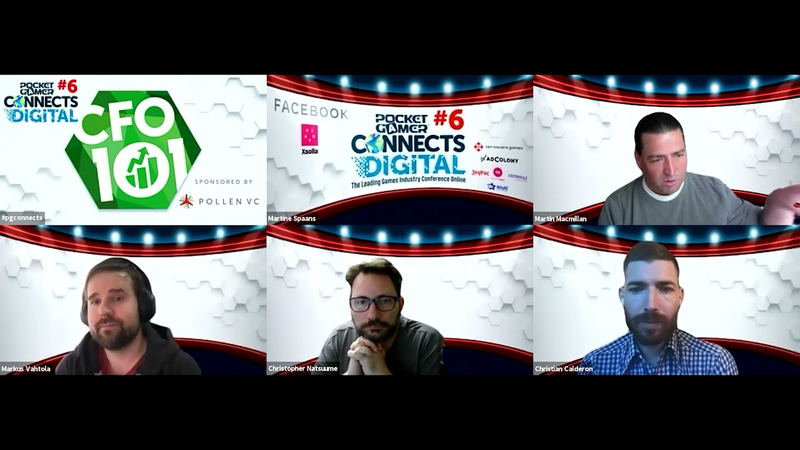
Panel: Organising Projects: Financing vs. Killing it
Key insights
6 takeaways- 01Studios achieve financial stability by balancing high-risk original intellectual property with reliable work-for-hire or co-development contracts to minimize external investment dependency.
- 02Studios mitigate the sunk-cost fallacy and resource waste by utilizing gray-box prototypes and market-focused mock-ups to validate commercial potential before full-scale production.
- 03Transparent communication regarding project termination is essential to minimize the emotional impact on staff and maintain organizational health.
- 04Modular development processes allow studios to treat canceled projects as intellectual capital by reusing code and assets across future titles.
- 05Project viability is managed through a data-driven framework where teams establish internal key performance indicators that are vetted by leadership panels.
- 06Transitioning to remote-first, asynchronous workflows improves talent acquisition and retention by allowing studios to recruit from geographically dispersed regions.
Ask AI about this video
Transcript
hopefully the next panel will be organizing projects financing versus killing it yes this is one that came up time and time again uh a topic that had been you know how do you do it so we were trying to get some tips from the insider so let's get giving everyone a moment to roll on and we can uh we can kick off so thanks very much nice to see you guys all together one we've had we've had different goals i guess um so what we're going to talk about in this in this panel was um a question that we've like we've seen over the last years that comes up you know a ton of times in in different ways which is around you know studios who are running multiple projects at the same time and then how you know how the evolution of those has gone in terms of you know when you've got you know if you're working on one hyper casual game and that's it that's your entire focus it's kind of easy when you start to branch out and you're
you're running multiple projects at different times then how do you from a excuse me from a sort of commercial from an emotional you know point of view how do you how do you manage time how do you manage making these things work across across multiple uh um multiple instances and how do you you know how do you track and so on as well so you know i i arguably a slightly gritty topic but we we figured that there's probably a lot of uh tales from the trenches that could be uh potentially really helpful to uh to it to our audience just in terms of how stuff works on the ground hopefully some some insights that people can can take away so maybe just do like a uh like a really rapid uh rapid um fire round of of intros just to um to kick off uh and then we can we can we can get into the weeds a little bit more marcus do you wanna do you wanna kick us off hey everyone i'm marcus patra uh from fingersoft the anti-position at fingers up is
the cfo and um thing is best known for the hill climb racing mobile game everyone uh christian calderon ceo at game jam previously executive at ketchup dots and kickside we're a mobile games developer and we also have a game jam platform on gamejam.com where you can participate in game jams cool i'm chris natsume i run boomzapp we've been around since 2005. so however long that is i've been making games since 91 we're a small independent developer in southeast asia and we do mobile and pc and a bunch of different kind of games i think we've shipped to date something like 50 some odd games so something like that uh cool so so maybe maybe for for um uh christian first how many how many different projects have you got on the go at any any one time what and what's your
sort of high level way of thinking from a you know with your kind of ceo hat on how do you how do you think about all the different things going on you know underneath from a sort of control and planning perspective yeah for us it's a little bit difficult because we have so we have like roughly you know a dozen projects going at any time we also deal with a lot of licenses and at the same time we prototype new projects every friday so we have a lot of projects happening you know every week um and then in terms of priorities uh we we think a lot about how we use our time so to make sure that we're prioritizing really our our time on the project um and then also waiting to get proper feedback from license holders if we need approvals or anything like that um so it's it's kind of a fine balance especially when you're working with you know 20 plus licenses
um uh to to kind of balance all that and really it just breaks down to how we use our our time uh every day and every week so it's like there's some stuff you can control the some stuff you can't think you know controlling stuff and your own prototypes and stuff is is easy waiting for a third-party license holder to get back to you on something you can't you know it's harder to plan and use like do you use time-tracking tools or do you set budgets again so that people can spend up to a certain amount of time or or is a bit more kind of freestyle how do you how do you normally kind of think about it so with regards to time everyone uses like the pomodoro method so we break down our tasks in jira uh into like many tasks um and also it it it starts in the very first day like on prototyping um having a good plan for the prototype making sure everyone's kind of aware and from the game design perspective starting on the you know first second of game play second second of game play
third second of game play in concentric circles so that you're focusing first on core game play and then moving on to metagame and other elements of gameplay so it really boils down to like prioritization breaking down tasks into really small um small time intervals if possible um and then from a budgeting perspective we're located in vietnam so we usually um and we employ like a lot of freelancers throughout vietnam and southeast asia so budgeting really hasn't been a huge problem for us but from a budgeting perspective we're really more focused on this with with regards to marketing but for the development process for us time is more valuable than money so we're really focused on time if that is a it makes sense if that answer makes sense yeah i don't know i i i see that that's great um maybe i don't know marcus where i had how many you know i guess same question to you
how many different concurrent things that you are you kind of managing and what's that what's that the structure for you yeah well of course we have a couple of live games um three live games now and um and also there's a lot of early early concepts and there's um i would say like six i think and uh and then there are like three in a production page so a lot of a lot of games over ten game concepts um and how how things work here i think yourself basically like um well i would uh double the christian's comment about the time and uh and that's actually where we give ownership to everybody um so the everyone we have possibility of taking a couple of weeks off to work on a game concept of yours so it doesn't mean that it's taking off but basically like we have you're just going to dedicate your hours and on that project
and how you you're going to spread those two weeks on the on the year it's up to you and your team lead so you're gonna of course discuss about that with your team lead like if you have a really really great concept that could you take a week or for example to just crunch it with a friend and in that time you would be um out of your team for that time but initially like how how concerts are born um of course sometimes we we have every month we have monthly demo days basically so sometimes there's a team and sometimes they are not without they are without team and it's free form so you can they decide anything um what you want to work on and usually it's like a tinkering with your ids you can do a technical demo or something else or try out new things let's say that you're a coder but you want to try out 3d you can do that on those days as well and that's also basically a time investment that we just focus on the learning uh side on on budgeting side we
as i mentioned on the previous talk we actually um have an education about it budget for every every employee and it's uh it's the same same across the whole company and so everybody can spend it in the best way they see fit so they can buy for example assets to study and so forth from unity asset store if they choose to use unity for example for their demo or something and once things get heated enough let's say that there's a demo day and you create a really inspiring concept that inspiring concept then of course might get some traction people get into it they might ask you like hey next time could we maybe um i run into a workshop around this idea and work on it three days and uh then there's actually a team around it like three people let's say and um depending on that if that uh and spares well um you can go to the
we have this um we could say that it's a funnel team in the sense that we have the creative director in charge of the funnel team so you would then go discuss with them creative director who has a budget for his funnel team to say let's say like uh it's up to 100k concept that hey this is looking really promising concert we would definitely want to see where we can take it uh how's the money stuff and then you would maybe get an allocation of 100k for that to take the next stop steps you would have have basically [Music] approval then from us the leadership team about founding a project you would do a quick project and depending on the metrics and the softwares you would then depending on the potential the whole project get then a budget for the whole process and then there's just a depending how the project is structured if you need to recruit new people or even uh handle
some outsourcing how it does and every each project is uh unique in that way so that the budgeting in there is kind of sky's the limit so it sounds like you've sort of like you built the concept of budgeting and everyone's got it's a currency so and everyone's kind of empowered to to an extent to say how am i going to use my you know how am i going to use my my my currency my time and do that and you sort of you've got to almost like a framework for planned creativity as well so instead of just like you know down a rabbit hole of like this is a project i'm working on you you have time to come up for our work on different things the prototype aspects and so on as well so that's that's presumably been crafted over a number of years right these things don't yeah yeah it's actually um it's spread out across two years so it's reset every two years you so you get fresh budget so let's say that uh um well pandemic was last year and um you didn't spend any of your budget from last year it's uh all available to be used on this year
and some people use it also for for example um a study trip let's say that you want to go to gdc so you can go there and get the information do some networking have some fun and learn very valuable skills and you use your education budget in that way that even though in your position um might be that you don't really need to be at gdc but working at the games and there's definitely a clear connection that why would you want to be there and if you want to use your education but you would do that trip every two years for example right provided it's happening right yeah yeah it's virtual so how do you how are you sort of set up and structured and and how do you how do you think about these things sure i mean i i'd start by saying i think these questions you have to kind of take in a account what kind of games are being made right so we don't do hyper casual games uh we do mostly pc downloadable games things that show up on steam things that
show up on big fish games that are sort of larger uh you know games to have a lot more assets and those sort of things in them than your average hyper casual game does so our structure is going to be a little different um i'll also add that we're an entirely virtual studio and have been for the last 16 years so we don't have a physical office anywhere so we have people all over southeast asia and malaysia and the philippines etc so our structure is kind of based around supporting that in terms of what kind of projects we do and how do we structure those projects you know i've always seen it as trying to put together what i call a portfolio of risk we've never actually had any investment at all we started the company with about three thousand dollars and we've built entirely through revenue uh we've never taken investment we're still 100 founder owned and part of the way we did that was by working with publishers on work for hire type projects and working on co-development deals uh but the problem is obviously if you take too many work for hire projects and co-development deals you don't actually develop any ip that you own and that's
problematic as well right so what i've always done is sort of made sure that at any given time we have something like half of our studio working on things where as long as we finish it to some reasonable level of quality we're going to be profitable whether that's a work for hire type project or co-development project where the sort of money is in the development or you know we know we're going to make money out of this thing and then something like half of our studio is working on something that's maybe a little bit risky or maybe very risky like a strategy game that we're doing from scratch and self-funding that's kept us from having to have massive layoffs and you know we're an old studio we you know i think a lot of studios at our age they have either had some phenomenal level of success that brought them a lot of money or they've shut down we've actually not done either one of those things we've had a string of reasonable successes that have made us a reasonable amount of money and we've managed to carry a studio on without any you know outside financing for 15 years
which is a very strange thing for game studios to do that's not normal and that's been very much a product of that risk portfolio and making sure that when we're making bets on things that we're funding ourselves with our own profits that that's sort of backed by hey i've got another team over here that's working on something that we know is going to be profitable as long as we sort of finish it um so that's that's sort of how we work in terms of how many projects we have going on at any time usually something like four or five we have about five going on right now um in the past there have been times where we found a particularly profitable piece of the industry and we sized up quite a lot there was a time i guess in 2015 or so where we were making hidden object games and we had just sort of figured out we can spend x amount of money and we will get 2x amount of money out of it religiously with almost no risk and in that situation yeah you size up and you bring a lot of people in and you
build as much x as you can because you know why wouldn't you want to double your money that's that's that's a good way to run a business we do that through a mix of internal team and external team we used to have more internal team but over time we have shifted more and more to sort of a large team of outside particularly art contractors art and animation contractors and then an internal team which is largely designers programmers testers and technical artists so that way we've sort of got the people in the team that are working full-time for us that can put all the bits together and kind of structure the thing and then whenever we start needing assets we can reach out and say here's this pool of people who we work with pretty regularly that we can go get these assets from and that pool of people they work for us almost 100 of their time but you know there are times when we don't have a whole lot of work and we say you know fine go take some contract jobs somewhere else but they know that we're sort of our their primary contractor because we're always good for work
whenever work comes in so that's sort of the way we structure the studio i don't think any of that in 2021 is particularly strange or or groundbreaking no it sounds like people just sort of figured out which um i mean a i really like the portfolio approach to risk and that sort of you know longevity there are very few people who could say we've been around for that long we've had no external investment they've either flamed out or they've you know reborn or whatever maybe or gone to do something else or or they've had some enormous success and can self-fund right i mean there's there's certainly those people who had their great big hit and i would love to see my my option would be let's have a great big hit i would have loved to have said that we did that but the fact is we haven't but we've had reasonably good hits you know games that made a couple million dollars and you can keep a studio going for a while on a couple million dollars but we haven't had the you know supercell style or king.com style huge massive success but you know i feel a lot like this industry is i mean to be blunt it's a it's a
lottery right and and i would love to say that i know what's going to be successful or what's not going to be successful but anyone who tells you that lies right what you're doing is you're going out and you're buying lottery tickets but they're really expensive lottery tickets because the price of that lottery ticket is a good game that's well made that has good gameplay that's marketed well that's just the price of admission right and once you've sort of bought that lottery ticket you get to go play and maybe you do great maybe you don't i haven't met anyone in the industry that i think can reliably tell you this lottery ticket is definitely going to win so you kind of have to back your studio with the idea that maybe some of these lottery tickets will be you know small victories some of them are going to fail but you do know that that lottery ticket is going to be expensive and that's something you have to start with from the beginning yeah even though i guess the portfolio effect of um of uh even buying the lottery tickets if you're buying enough you know that some might give you a 10 bucks back somebody just give you 100
some i give you a million so the game is you have to be around long enough to keep buying tickets right and so you have to figure out how do i make sure that i'm still here two years from now four years from now even if i don't have that big success now if you're vc funded i think it's a very different equation because vc funded companies are like here's a big bunch of money spend it really fast buy a lot of lottery tickets you know or buy a lottery ticket that's got really really good upside on it and it's you know it's not your money go ahead go do that thing but in the case where you're still 100 founder owned if i lose 50 000 on a game that's a couple years of my kids college right that hurts that stings so you you think a little differently about the money when you're when you're still 100 founder owned cool interesting the um so so one thing in terms of i i i'm sure everyone's got got stories here but in terms of um the i i remember like we'd work with people back in the past who had literally spent sort of you know a year two years making games
investing a lot of typically vc money into them only to find out no one really wanted them so trying to get sort of shorter outcomes so one hand you've got obviously hyper casual you could you could make a game in a week and and get it out there and see whatever but you know where you've got longer longer horizons so how do you think about the or the sort of the emotional attachment versus the cold hard numbers um and where you know are there times that you just thought you really believed in something the numbers were telling you something else and you trusted your gut and either you were right at the end of it or you were wrong at the end of it and how you kind of rolled any of those experiences back in um christian maybe for for you yeah for me with regards to spinning down projects um so a couple things we're not super affected by it partly because we build our games modularly so we can always reduce code and reuse assets for us when we
spin down projects it's mostly making sure that we talk to the key stakeholders that on the project to make sure that they're confident in the decision that we're making because for me like i'm more worried about like a strong developer getting upset that his baby is getting turned off uh and that you know i want to make sure that that developer believes in the decision that we're making and he agrees or she agrees with what we're doing um again because the way we we've we've adjusted risk so much on in the development process with the way we manage time the projects we try to pursue the types of projects we pursue how we pursue them um that there's not a whole lot of risk in the development of of the games that we do and we've made games um it's mostly like i'm just mostly worried about the
developer making the game like i don't want them to be sad i've seen i've seen developers cry because we've turned off a game uh because they were really sad about the game they you know hyper casual is like you make a game in a week but you're busting your ass right you're working really hard and and and you're in it it takes a lot of your time a lot of your energy and and i've had developers really sad and we turn off games so mostly working with the developer making and the team making sure that they're confident in the decision that we're making they see the metrics they understand why it's very clear and they agree they think it's a good thing for the company so for me that's like the biggest concern when turning off a game or shutting down a project so you do as a collaborative thing it's not like you know i'm the boss this is this is killed go do something else it's like let's get round the table let's figure out let's look at the numbers and let's you know let's lead to a data-driven decision around what's you know what's right for the business right yeah laying out the numbers showing you know
what you know several we've made several attempts and trying to improve this kpi we couldn't or whatever uh and then you know let's take a break and sometimes you go back to the game later and and you revamp it or something but yeah it's very much a data driven process but also the modular approach as well so it's not like you know it's not like you've put all the eggs in one basket right you can reuse some of those eggs in different projects as well right absolutely and and especially with we have so many licenses now that we could uh work with a particular license show them a prototype that we've made and see if they're interested in that particular type of game and they might be and then and then the game is safe because you know now we're attaching you know takashi 69 who's like a famous rapper to a running game and he really liked the game and you know it's a top music game now so um things like that where we could always reuse uh the the game we built and attached a licensed property to it uh to make it more successful
interesting and marcus have you got the same sort of um same sort of approach in terms of the like you talked about sort of you know budgeting everyone's time they've got different pools and parts that they can go and make prototypes on how do you how do you sort of do the sort of the fill or kill process when uh when people are sort of you know coming to the internal demo days or or whatever and how do you do do you have the same sort of approach there in terms of letting that letting the data inform everyone well there's actually layers to it so the the demo days that that's like when it's kind of like hyper castle very core game uh encore mechanic based on focused um efforts so basically on that time it's complete ownership is on the ideas but some of those it can be also like you you work on an idea and you kind of throw it out you present it and somebody else wants to adopt it and work upon it but you you you're actually moving on and sometimes
it could happen that way as well but the goal is once uh you're more emotionally attached to the project it happens when you you invested more time to it it actually starts to go towards that uh you get the funding let's say that you you got across so that it's a concept that goes to that idea that it's going to be attract cost on uh on our both time and expense wise so if there's any outsourcing or anything so it goes to the bookkeeping systems as a project and um in that in that time usually there are like the team owner who builds the project he's he's involved and he's consulting pretty much with every team on different areas trying to get the special special like you could say that's kind of like a brain trust a way of doing it so that you kind of get the input from every expert in the company and everybody is involved in that to make really educated goal for that project and
eventually it's up to the of course the team um to kind of prove uh to hit those metrics and if they that they put for the project and if they don't we can discuss if we believe and we understand from the data and can back up for example argument that this game is promising it didn't hit one metric but it hit every order then we could maybe do another round of funding to it and so forth so it's up to that i would say kind of like the vision holder the person who's the most driven and passionate and kind of like the founder of that idea it's up for him to sell and kind of make a business case for the project and then it can survive but ultimately it's also he is like if he doesn't believe in it then nobody will and then it's killed on very early on in that sense and that it's not something that we would think of uh as a negative thing because we see it also like as uh as christian said kind of the iterative like you get this modular
uh basis for new concepts and so forth so we see this all the whole process is kind of like as i mentioned about the education budget it's investing on the people every pro the project every demo they work on it's uh it's making our employees much more savvy so it's it's great and and will you actually yeah this is super interesting right so these will you actually sort of set hurdles kpi goals if you can get through this hurdle we'll go to the next one obviously there's some wiggle room if some stuff's working it's not and the the owner really believes that you've got some flexibility but will you generally sort of set the goals for people to then deliver or do they say right see how far you get with it we'll review it and then we'll take a call at that stage so how sort of uh rigid are you in terms of the goal setting framework it's basically from team so basically the team team sets the goals and argues to us and then the leadership team is also very flat so basically
there's just me and miley and yak so three three people on the leadership team and um below uh beneath is all the teams and team leads so there's not um much hierarchy in the company so i would say that it's the team every team is kind of like their own business and um and we are kind of the vec in that sense so uh it's upsetting actually to set up the measures but of course and we are and our work is also to kind of question and see if we see something doesn't add up there if there would be two role metrics and we can say that hey this is not going to be able to scale up this is a game that we will not be an organic miracle we have to do paid ua and the cpi is not there as you planned it's actually much higher currently so then we can pinpoint out those those kind of things but um since we have this brain trust process uh actually on that side so that
people are already discussing when they are making the plans with people with the monetization side about the actually so they kind of even if they haven't done a successful product um before if it's a team that does not have that luck yet to be involved they can get that know-how and kind of get the realism into how to how to what what to read so kind of find that the idea is to reach for the stars but make realistic expectations and see what they can yeah i guess because you've got you know you can set your own metrics whatever and all for some of the acquisition costs just go completely haywire then the whole the whole project you know could be could be in jeopardy right so unless you've got incredible organic traffic or cross-promoted or whatever so i i guess it's hard you've got these external factors that you have to kind of uh that you have to to factor in as well um but that's i mean that's just that's just life i guess in terms of uh in terms of how the how the industry
works and create chris for you like have you had these sort of uh you know what's your what's your best kind of battle story about sort of you know maybe an emotional attachment on a particular project that everyone believed in that didn't deliver or on the other way round have you got any any uh any any we've got both we certainly have some of those um you know i i think what i've learned over time uh you know there's a there's a great tv show called comedians and cars getting coffee and uh jerry seinfeld runs this thing and he was talking to bill burr once and he was talking about hollywood and he was saying you know the thing about hollywood is it's not about movies it's not about this hollywood is all about meetings because no project is ever going to be as good as it was in the first meeting like when you first talk about your project that's as good as it ever gets and from then on once it sort of hits reality it's just going to gradually get worse and worse as you realize that this thing you thought was a good idea isn't a good idea
or this thing that you thought you could do you can't do well and this is the game isn't exactly the same right when you sit down with the team and you talk about this new game oh it's going to be like this but we're going to have these characters it all sounds great and everyone's really excited from that point on you really have sort of two things that you have to look at one is the base dynamic of this game is the core loop i guess is the the current terminology for it is the core loop itself fun is this game going to be fun to play and that you can you can get to that even with a quite big uh heavy game you can get to the end of that question quite quickly right with with some prototypes but the other question and this is one that i think gets missed out a lot is what is the curb appeal of this game uh especially if you're going to be on steam or a big fish or somewhere like that where the where uh people aren't gonna just download you immediately with hyper casual games there's a very oh look at that whatever it doesn't take too long and they'll look at it and throw it away pretty quickly but for to get somebody to actually download something on steam
they're gonna look at it they're gonna look at the video they're going to look at some screenshots they're going to think about it and then they're going to get to the step of actually downloading your game and actually you can test a lot of that without a game right you don't actually need a game to test most of that with with mock-ups and you know mock-up screenshots and with videos you can get a pretty good representation of what you think your game is going to look like and you can go test that and see do people want this is this is this idea even a decent idea in terms of will anyone ever look at it right so we kind of try to do both i think we do the first one better than we do the second one the first one of getting a prototype up and running that's the that's what everyone knows right you're going to get a really ugly prototype up and running you're not going to put any assets in it you're not going to pay any artists to do anything it's going to be gray boxes and you know little things that you can click on and if you're a decent developer you can play that and know
this is fun and the and this is where everybody messes up is they play it and they think well this is kind of fun it sure is going to be fun when we make it pretty nope doesn't work like that it will get no more fun whatsoever when you make it pretty it will be exactly as fun as it is right now probably a little bit less because you're going to have to adjust it and kind of screw around with it to make your artwork the way you think it is so it's never going to be any more fun than it is in gray box so if it's not fun and everyone doesn't absolutely enjoy it if you can't hand it to somebody and have them enjoy it in gray box stop then like just and every single time i have decided i'm gonna push forward this is not fun yet but i'm sure once we add this one feature or i'm sure once we add this bit of art it's gonna get fun that is literally never worked for me right that's a great way to throw away money so if you if you've got that core working and you've gone and sort of tested the curbside appeal then you're in a position where you can
go out and start throwing money into assets and throwing money into building your your vertical slice and here again is where we kind of differ from hyper casual games because to get to a vertical slice on like a big adventure game or strategy game that you can literally go get legitimate kpis on that's real work that's real investment right that's six months or more of hard work and investment in artists and whatnot before you can put it in front of a normal user and get feedback so you have to have a step before that where you do a real gut check about is this fun and do people really want a world war one zombie shooter game is that really something people want and you can test both of those things a lot earlier than you think you can interesting so that that whole prototyping approach works just as well in pc games whatever you can just have you can lead everyone to the front door you don't have to build the house right yeah yeah and i i built a game one of my biggest failures was quite recently actually is a game called uh last regiment beautiful game people who played it
liked it we put a lot of time and energy in to make it it was like a two-year development process it was a big turn-based strategy game and what we learned after we shipped it was there is a very small very vocal audience that really loved that game and nobody else in the world wanted it and it didn't matter what features we had added or how we had changed it or we could have there's nothing we could have done to increase the number of people that actually wanted that product and that's a piece of information that we probably should have paid attention to a lot earlier in that process i could have saved myself a lot of money if we had gone and tested just the theory of do people want a colonial style fantasy turn based game with robots is that that was apparently not a thing people wanted we thought it was cool and we were emotionally attached to it inside the studio and we wanted to do it and it was a passion project you lose a lot of money on passion projects um i'm still happy we made it it was a game i like saying that i
did it but i mean that game sits in my life a lot more like an expensive sports car that i bought as a midlife crisis than it does as a real business decision right and that's a it's a lesson we learned you can't you can't take a leaf out of christian's book and reskin it as something else using extra ip that people are going to love oh yeah there's a there's certainly an argument to be made for that and we're looking into ways that we can do that but while we were building that other things that we did came up and this is actually an interesting point that game we didn't lose that much money on we lost some money on it we came in a little bit under dev cost and it would be very easy to say well that wasn't so bad but what we really lost and this is exactly what christian said it's exactly what marcus said we lost time that was two years that we could have been building something else and during that time we actually developed some other games and some other genres that were profitable that were good that we can we can say well that's a much better investment
and even though i'm you know attached to last regiment and there's part of me that really wants to go in and give it another go and i'm sure we can make it good this time there's another business part of me that says i have this other business opportunity that i know makes money that i know we can improve why would we not do that and doing last regiment again or you know making something new out of that there's a huge opportunity cost there that's me not spending my time and energy on something that i know is more profitable and i see studios make that mistake a lot because they're emotionally attached to not being able to just admit something was a failure and put it aside and move on they just really have to go make that work pay off somehow and maybe they do maybe maybe we can make another last regiment that makes 50 more than dev costs hey then we win right no because we didn't spend time building a thing that i know can make five six times dev costs in another genre or potentially a lot more this is coming out loud and clear so really
everyone's saying time most precious commodity and that's so it's not just like did i recoup the cash on it's like what could i've done yep with uh you know with that that's really interesting um guys we're running a little bit low on time um uh it wouldn't be a a pandemic digital panel if we didn't talk a little bit maybe about some of our experiences around you know managing remote teams and um and then and so on so i know i'm you know there's different you know i guess different genres i get marks from what i remember in my many trips to finland like you guys were relatively centralized in in the office for a lot for a long period of time right because even when i'm doing calls with with finland now it's really strange to see like people sitting around a a table in an office i'm kind of yearning for a little bit um for that for myself um and you know chris you were like the original kind of og of virtual right you haven't had an office for 17 years so it's a lot of this not becoming and i don't want one they're expensive hobbies uh and then
christian for you like you you've got about how are you structuring now you've got to you've got a physical presence and a lot of virtual presence we have two offices um it's for us it's it's really important um because you know for example um i can come in we have small offices of small teams but i can come in and talk to the team about you know shared learnings and the shared learnings can come across uh well uh you can have i don't know there's something about in-person meetings um having a nice work space uh you know nice working environment some some of our like my co-founders they have children you know and they they don't want to be at home working they want to come into the office and um into catch and and stay with the stick with the team i think there's some benefits of having an office that uh people really like um we were fortunate because in vietnam we weren't really affected by the pandemic so we didn't work remotely for that long it was only like
maybe like two months and then we were back in the office so we were very lucky um but yeah we have offices and highly value uh the time i spend with my team in the office right so so nothing's really changed not been sort of like you know everyone was working at home for six months and now this is how we're gonna how we're gonna retool going going forward for you for you in vietnam right yeah no no real changes for us marcus for you for you how are you how are you thinking about sort of post pandemic office life or or balance of home versus office and any of the the challenge that's going to throw up it's pretty much the hybrid model in in that sense that we noticed that a certain certain part of our company they got they grew together with this we are kind of family close-knit family in that sense that people kind of want to see and go go to the office as well and uh currently actually luckily here in my city in all um the numbers have been so so low that we actually we have
currently the office um open for people to work if they want and with taking of course the social distancing and the high chain of course into account but but still like i i think that nothing really much changed the only thing that changed that we since before pre-pandemic we already kinda enabled everyone to work from home but people maybe felt because everybody was at the office maybe they might have felt a little bit of more social pressure to be there and now there's no that kind of a social pressure everybody is used that it's okay perfectly okay that part of your team might be at the office and uh sometimes your personal life what what change i would say is that people kind of understand that there's also life outside of the office i myself i'm a father of a two-year-old daughter so sometimes she might pop up on a in a meeting and that's fine it's
it's not end of the world and uh it's more personal it's kind of like you understand and know your colleagues even more on a deeper level but nothing much changed i think in the continuous uh we're gonna be always enabling work from home but we also want to have a really great office space because we invested in that there's a gym for everyone there's a lot of nice things there so people kind of it's the best possible place to work if you don't have a room for example because some people might be living in in a space that doesn't have for example room for having your own home office set up and then it's not so nice having all your monitors and let's say you have you're an artist dragging your drawing boards and everything there on a kitchen for example no exactly so i think yeah i think for a lot of people it's a it's the having the office where people want to be physically present some stuff can happen it happens in an office that can't happen or very difficult to happen kind of
virtually if you like by giving people a reasonable amount of latitude and i guess chris for you that's just it's it's not an issue right it's just how you've structured everything and how you the processes and stuff you built around it i think part of it is you know i said at the beginning of this pandemic that i i worried what would happen and this is pretty much what has happened was that a lot of people would go home and try to work from home and they would do it poorly and they would hate it and at the end of the pandemic they would be like thank god i can finally go back to the office again and the problem is that a lot of people who are working from home are trying to trying to follow the same sort of processes and rules and they're trying to duplicate the work at an office process at home we never had to work in the office process from the very beginning of ours when we were just me and alan uh starting the studio i was in seattle and he was in singapore and we worked virtually from that point on we've always had no office so we've had to develop our culture from the very ground up for the way that we work and i
think one of the biggest differences about the way that we work is not necessarily about space but it's about time and how we expect people to use their time how we expect meetings to work you know one of the big differences that i see in our studio is we actually use recordings a lot we use obs and use recordings a lot because i don't know what's going on at you know jin's house back in manila or adrian's house in kuala lumpur maybe they're taking care of their kids maybe they're doing something and a lot of people hit this wall and they say oh it was so hard for me to organize meetings and our answer has always been well don't have the meeting right there's a lot of things that a lot of information that you convey with hey look i played through this game here's a five minute video of some of the stuff that i saw and i pointed the stuff and i here's what i did and here's why i did not and you can do a lot more sort of asymmetric temporal things like that and once your studio sort of develops the knowledge that this is okay and this is the way that we work we don't have a lot of meetings we still do every now and then you do need to get
everybody in a call and and talk to them but we do that a lot less than pretty much any studio i've ever met and it's because we've kind of learned how to work around it so you know i i worry a lot of people took really bad lessons from the pandemic because they never really figured out how to do this well and they came out of it with this really bad taste in their mouth and thank god you know people are like oh thank god i don't have to be around my kids i love being around my kids the best part of me working at home is that i get to go downstairs and have lunch with my wife every day and i get to have dinner with my two kids every night and that always happens like that's you couldn't pay me enough to go into tokyo and go to an office every day and not have those things you literally can't pay me enough to take that away from me so you know people different people i will say this i'm sorry i'm going a little long but i'm kind of frantic about this i we hire for this you know we actually have a culture of this the people who work at our studio enjoy
this there are people that don't like the way that we work and they come in and after a couple you know weeks of you know we do a testing process to make sure that we like them and after a couple weeks they say this is not for me we find generally that's younger people who put a lot of their sort of social life at work older people who are married and who have kids the people who if you did have an office or the ones that get up and leave at five because they got to do those people love this setup because it allows them to you know they've got their own social life they've got their own thing going on and this allows them to prioritize that in a way that an office doesn't the other thing that we get and i think this is very undervalued is a big diversity of people we have a lot of people in our studio in places like iloilo or penang or bandung places you've never heard of because there's no game industry there but that's where their family is from and they wanted to move to that place and live with their family and take care of their family and their family obligations but if they do that they have to leave
the game industry because the game industry in southeast asia is in like five cities we tell those people no no you can go home you can do that thing you can live with those folks and you can still be in the game industry and for those people this is a huge bonus and they're willing to take a lot of pain and suffering to have that thing that creates us having very long-term employees we have people that have worked with us for 15 years for exactly that reason got it super interesting people so guys i think we're um probably out of time i don't know if martine huh bang on cue yes yes that was cool the way she showed up right there that was neat yeah it's uh it's the end of the panel and the end of the uh cfo 101 track um thank you guys for all sharing all these wonderful insights thank you for the panel yeah thanks guys super helpful and interesting and uh sharing your insights and um thanks for watching my team are there any any questions came up or are we uh well we're a little bit over time so
we'll have to cut it yeah sorry so um thank you uh martin also for uh sponsoring this cfo 101 track as pollen pc i believe we have a little uh message from pollen uh that we'll be showing right now excellent i'll stay tuned for that thanks guys welcome to pollen bc we offer app publishers flexible lines of credit to help you grow faster and more efficiently [Music] publishers wait up to 60 days to get paid out by the leading app stores and ad networks if you're looking to scale your business with paid user acquisition waiting to get paid before you reinvest back into ua slows your pace of growth pollenvc gives you fast access to these unpaid revenues with an easy to use line of credit faster reinvestment into user
acquisition means you can increase your velocity of app installs no more juggling credit cards or relying on venture capital and diluting your equity just to fund your ad spend borrow up to 95 percent of your revenues every week and only pay interest on what you use just like a bank overdraft or a credit card let us help you boost your cash flow grow faster and keep control of your app business [Music] visit pollen.vc to get started
Summary
Sustainable game development requires a strategic balance between creative autonomy and rigorous financial discipline. Studios maintain operational stability by cultivating a portfolio of projects that blends high-risk original intellectual property with reliable work-for-hire or co-development contracts. This approach allows companies to avoid external investment dependencies while ensuring a steady revenue stream. By utilizing modular development processes, teams can reuse code and assets across different titles, transforming the lessons learned from canceled projects into valuable intellectual capital for future endeavors.
Decision-making regarding the lifecycle of a project relies on a data-driven framework where teams establish their own key performance indicators. Leadership teams and internal expert panels vet these metrics to ensure business viability. When projects fail to meet these benchmarks, transparent communication is essential to mitigate the emotional impact on developers and prevent the sunk-cost fallacy. Prioritizing early testing through gray-box prototypes and market-focused mock-ups allows studios to validate the fun factor and commercial potential before committing significant resources to full-scale production.
The modern development landscape is increasingly defined by flexible, remote-first workflows that prioritize employee retention and talent acquisition. By moving beyond traditional office-centric models and implementing asynchronous communication tools, studios can recruit diverse talent from geographically dispersed regions. This flexibility supports a healthier work-life balance, which in turn fosters long-term loyalty and productivity. Ultimately, successful project management in the gaming industry hinges on the ability to integrate disciplined, data-backed development cycles with a culture that empowers distributed teams to innovate effectively.