1 free read left. Create a free account for unlimited reading + AI research.
Create free account
Panel: How to Prepare Your Studio for M&A
Key insights
6 takeaways- 01Professionalize business operations by appointing a dedicated finance director to ensure all financial records are transparent and audit-ready before entering the market.
- 02Engage experienced M&A advisors early in the process to navigate complex due diligence, manage deal fatigue, and handle legal negotiations that frequently derail unprepared studios.
- 03Cultivate long-term relationships with potential acquirers through professional networking to ensure effective engagement when a transaction becomes necessary.
- 04Evaluate integration models carefully, ranging from light-touch autonomy to full-scale harmonization, to ensure the chosen approach supports the studio's specific growth goals.
- 05Align shareholder interests and define a clear, long-term strategic vision well before initiating formal acquisition discussions.
- 06Prioritize cultural alignment over market trends when selecting a partner, as the loss of key talent is the primary risk to post-acquisition value.
Ask AI about this video
Transcript
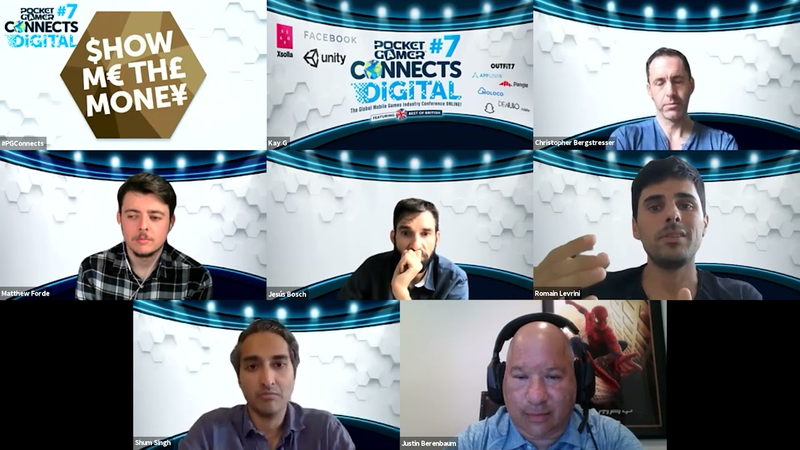
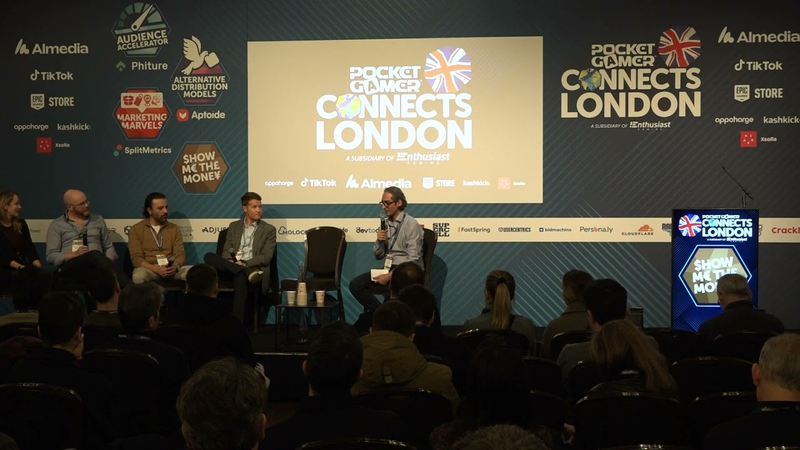
so we are going to our next and also unfortunately our final panel for today um and people are popping in i see again a couple of friends here that i've been knowing for quite some time awesome you guys are with us um and we also got matthew back who is to be um moderating this panel on how to prepare your studio for m a take it away guys thank you very much yeah hello welcome uh one and all so here we are so what about and how to prepare your studio for mna and that is the title track today and we've got lots of uh great panelists today to uh deep dive into this topic um so what i'd like to do first of all um is to introduce everyone so my name is matthew ford i'm the deputy headset at pocketgamerbiz uh you might have seen me earlier today
on another panel for getting the most out of your investment deal um but now um we'll hand over to our panelists um if we start with christopher if you just uh start a bit by introducing yourself uh your role and um give us one of your favorite games i i always like to ask people that i don't know if it's a favorite game or more of a favorite game franchise but uh uh chris berg especially i've been uh in the games industry a really long time i've been on the development side and then moved to the dark side of business uh i up until uh quite recently i was chief operating officer of uh ian at global seven or eg7 uh uh running the m a side but also uh sort of on the uh operations for integration and onboarding and and right now i'm focusing on being a board director at flexion mobile which is a games tech company um but favorite games franchise for me is fantasy star
will always be it it's gonna it's gonna take a cold day in hell before i change my mind on that solid picture uh romaine what about you hi guys uh yes thanks a lot to uh to bing mehn uh so romaine uh i was a former cfo voodoo and i joined all my games six months ago as vp finance and legal to run our m a efforts and i think that's why i'm here today as emine has been identified as a core gross driver for the company and regarding my favorite game and i would say clash royale i spent many many many minutes hours and days on it and that's why i installed it a couple of months ago that it was too heavy and to waste too much time on it so i think if i i keep pushing on it i will have some trouble with my wife so that's that's why i i stopped it and uh i hope i will find another game uh
supervising as as kathryn very popular choice yeah sure yeah thanks matthew uh i'm shum singh the founder um and md of ignition capital um ignition capital was founded in 2003. we're london-based but also have an office in moscow we're your traditional m a um advisor and we've been focused on the games industry for for quite some time we've also made approximately 15 investments in studios over the years um you can just visit the website to get an idea of some of the investments we've made a lot of the companies we've exited and sold to the likes of still front embracer ubisoft nexon gree etc etc um in terms of games and i think uh you're gonna probably uh uh get a picture on my or at least close to my age i'm more of a console player um you know so i've always been a
massive fan of gta the kind of culmination of of gameplay cars and 80s retro music i mean that that's you can't you can't ask for anything better that's just such a winning formula yeah they are incredible games and unfortunately i don't think we're gonna get getting a new one for quite a while still are we but well no that being said i heard a rumor that dan hauser is setting up a new new company oh you never know so yeah maybe something else in that thing um you never know and uh hey zeus yeah hi i'm jesus um i'm the founder and ceo at startup it's a game development studio that i founded like 10 years ago and we exited well we sold the company to a private equity in 2019 almost two years ago and and now the company was acquired again by a bigger group magic media it's a group oriented to you know outsourcing services in the game
development industry so that's why i'm here essentially because of that experience probably and and also while my favorite game i like i really like match three games in general homescape is probably one of the ones in which i have spent more most time i personally haven't been playing but but yeah it's probably one of the of my favorites yeah very good all solid picks and so let's get into the main topic for today so um let's address it head on and what would you say are the best practices to prepare your studio for m a so i'm gonna go to sean for this first uh yeah well i mean that's a pretty loaded question matthew so so uh you know you're talking to an m a banker for 25 years um i'll i'll just you know make some broad strokes here i think um you know there's there's never been more appetite in the industry as now and i think um you know with all the companies that have gone public recently particularly in the last four or five years in scandinavia and poland in the uk
uh there's even now all these space and the now um renewed interest from private equities you know companies looking to you know really get uh aggressive and consolidate as well so you have all these different sets of acquirers out there so there's never been a probably more fortuitous time to be a smaller rapidly growing developer whether you're on the pc premium side or even you know mobile free to play um so so i think you know just setting that context is great but but i think one thing that that i've seen personally and i always try to um really try to you know you know hit home to a lot of founders is most of these studios are composed of of game founders so you might have a tech lead you might have a an art director you might have a pm you might have a you know executive producer and that's fantastic because that's the core team you need to create a fantastic game and that's great uh nothing wrong with that but i think
once you know the business has evolved it's grown it's expanded then i think often one of the major functions that's lacking is the business side and so they don't necessarily have that internal business savvy financially fluent sophisticated uh individual who can represent the best interests of the founders and articulate that effectively and and and and even work with a bank to then run a process um which then hopefully is going to culminate in in a successful result not only for the shareholders but will also expedite the process um so so again i just wanted to keep it high uh level do you have anything such that yeah i i mean i look you know in my um you know i've done i guess 25 or 30 transactions so um let's say you know 80 uh on the buy side but um
and you know just sort of looking from both angles where it's where it's falling apart most of the time especially early on is uh companies that just do not have their finances together and and i can't emphasize how critical it is that you get a good finance director at some point if you're really thinking of m a get a finance director help them pull all that information together in a readable way because you know what you don't want to do the other component of that is is getting a good banker behind you but that banker will tell you the exact same thing is you know they don't want to spend six months trying to get all your finances together get a finance guy in there to do it and i i would say that that certainly in my experience is where the process has unraveled most of the time yeah good advice hey zeus what about you yeah from uh from a studio founder perspective um yeah i feel aligned with what has
been said um when we were acquired we we didn't know about these specific roles in the m a industry and so on it would have been very helpful so i hope this is useful for others right and but i for me from a seller perspective one important thing is to align all the shareholders make sure that everybody is aligned with intention of selling otherwise you can enter into you know discussions that are a waste of time or a distraction well the process itself can become a big distraction even if everybody is aligned because it's going to take a lot of work for many people and i think that christopher said about hiring a finance person i totally agree with that also an animating process can be very long at least in my experience more or less or more or less but it's long so i wouldn't assume that it's going to be a strike until it's completed you know until the
very same day of signature i have been we have exited twice but we have been more involved in more opportunities and also that there are several kinds of due diligences you know um some of them are deeper some of them are more superficial but all of them in different levels of work as as we said earlier and and also another thing is that and will sound obviously probably probably but i think you need some good advisors with experience in the m a industry and also something to consider is that this advisor will obviously um cost you money and and it's not cheap and that you may not actually serve your company so it's something because some transaction sale that i said so it's something to take also into consideration and also at a more personal level something that needs to be clarified in the mind of the founders is you know what happens after the acquisition with them what we do we want to do after you know
it's something that we need to have very clear undermines and also another thing that is a lot of work is to get the company integrated into the into the buyer you know so i think these are some of the things that yeah lots of good stuff there what about you yeah yes time to take your line with uh what's it uh christopher jesus uh maybe one last point i can add is to really try to build long-term relationship in advance with publisher or potential buyers because when you really want to launch your m a process trust will really make the difference to really ease everything because they will know you they will know your studio so they can really uh accelerate the process and understand that for example uh on the finance side you don't have everything you know but as they've built trust they can move uh far quicker and allow to have fewer data than with a company that had never heard about it and just to bring by a private empire md
banker good stuff and i see we've just been joined by justin sorry everybody the uh the link the link that i had kept i don't know it's probably my zoom kept sending me to an old zoo anyway it's one of those if i feel like i'm presenting a game and everything went wrong so apologies all right we've all been there and this is a great timing though still question number one do you want to quickly just introduce yourself and your role and then um if you just want to answer what do you think of the best practices uh to prepare a studio for mna sure i'll go super quick so i'm late justin berenbaum vp strategy and gm of exola funding club hey even got the background to work now um so super critical i think it professionalism uh and i'm sure i missed a bunch of the other thing i just look it's always about a great idea but then it's supported by a great team and then communicating the vision i i think so many times i see pitches that could be interesting that just aren't communicated clearly and that's the thing that throws me off
right from the very beginning if i can't get inside somebody's head i can't get the pitch yep solid um so move on to the next one so what are the biggest challenges faced during m a period um christopher i'll throw it to you uh just being organized and having all your materials together you know again you know i having gone through quite a few processes you know i've i've had processes with bankers and um without bankers and i'm not saying this because shum is a good friend of mine but the difference is everything when you have a banker there who can help organize the vdr who can help get the team and prepare them with the questions that are there and prepare them with the materials and everything else it is worth its weight in gold i mean it's going to save time and money for both sides to do it and and i know that yeah there are fees and all these sorts of things but if you
want to streamline process and you want to be prepared uh that's that's one of the important steps to take and that's that's it sean do you want to take that i feel like tj up a little bit though okay yeah you did i i i don't want to take too you know too too much you know and and kind of just be promoting be sort of like self-promoting here but i think i think you know look you know there's there's there's a lot of pain points in the process i think one thing that that i would say irrespective of of what chris mentioned you know which which is entirely valid right is the more prepared that you can be for a process the better right so if all the sellers as jesus mentioned previously are aligned they know sort of roughly what kind of valuation is sort of their their minimum threshold level what kind of a deal structure they're they're looking for um what's a no-go and what isn't what is attractive what isn't um you know just at the outset understanding and clarifying that at the outset
you know and having consensus then already you're you're kind of a couple of steps ahead of what many studios uh haven't already accomplished um and then the process itself um it can be long you know and it can take time and a lot of that is a function of how prepared you are how up-to-date your documents are and sometimes it's not even in your hands sometimes the buyer's advisors or the buyer themselves are busy working on another transaction and just can't dedicated the the adequate amount of time and resource to the process so they're sort of dipping in and out which isn't which can be frustrating so then for a lot of the founders especially who who are the first time coming in they'll get deal fatigue and so this is where again if you have a banker if you have an advisor that understands this they can they can kind of help educate and say look this is common this happens all the time you know this is this is not them you know sort of uh not not giving you enough uh
attention or tlc it's just it's just that they're busy or occupied on other deals and um it's just it's just good to be that that sort of cheerleader if you will and just kind of continue to shepherd the process to hopefully uh uh you know successful outcome yeah and just just to really add on the back of that and um i apologize for cutting in uh you know during the spa where i've seen things get uh really tricky is during spa negotiations and this is where you really have to manage your legal team because so many times you know lawyers want to to uh and i apologize if i'm offending any lawyers but uh they want to play who's the smartest in the room never apologize for offending lawyers by the way but uh but i would say you know on both sides and this is again where a banker is going to come in handy especially for the seller uh is to really manage uh the legal team when when you get to that point of negotiating an spa
with that and everything would you say are there any tips um you think that our studio should be aware of that wouldn't come to mind when in preparation for a studio takeover um justin do you want to answer this one well you know again i'm i'm gonna have to defer most of this to the experts on this team most of most of the funding i'm looking at has been project based with a little bit of equity um i think that you know there's always stuff that catches you and as jim said it really is about preparation it's understanding the process knowing what you're looking for i mean it's like any deal knowing what you're actually looking for minimum thresholds all the common stuff and i think one of the other uncommon things is really understanding the relationships between if you have a banker or an advisor the the buyer yourselves and then even your team members because it gets super stressful and i think the you know i've seen some deals fall apart just because the co-owners or founders end up disagreeing about stuff halfway through the process because of the pressure so i think it's it's really about an alignment on the seller's side
before they even go engage an advisor or banker because if they're not aligned i feel like it's a marriage that there's no communication things fall apart really quickly and then it can actually ruin a deal down the road because it gets it makes your company look not professional so i think that's one of the things it's just alignment of all the key stakeholders internally first yeah romain do you have any tips yeah just one one thing i think we should really understand that during the email process just the cautious resource is a time so everything it's about preparation if you have prepared all in advance it will save you really like what you you really really need during this process and the last point regarding as private mla bankers like support you know because even if you have prepared everything in advance you know it's a really really stressful stressful situation so if you can have someone you can really uh rely on to help you on this uh really stressful topic and most of the time the first time you really meet this process these questions it will help you a lot to really uh make
the deal happen jesus i think that if the company is well organized with data you know uh documentation not i mean everything more or less organized and it's less work but in any case it does not work as it has been already saved so i think that the main point here at this for me is the huge amount of work that it can be so rely on on on providers that support you during this process and also i would has been already i would rely on soon increasing the internal finance and administration team yeah good stuff um so what would you say are the main differences between an indie developer being taken over and a bigger company um christopher do you want to handle this one first i guess at the end of the day it depends on who the acquirer is um you know sometimes when when companies are acquiring an indie developer or someone relatively small most of the time it's a
roll up into uh another studio that sits within a group company potentially versus a larger company where it just may be a direct part of that group company and you know with indie studios also uh sometimes it might take a little more management they may need more from the acquirer uh but it but again it also depends on the acquirer you get someone like an electronic arts world they'll just sort of absorb you and then you do it the ea way or if you're uh bought up into someone like a still front you're going to be able to preserve your culture you will have support of the other group companies it just you know at the end of the day i guess it depends what you know the that selling company is looking for that makes sense uh sean anything from your experience yeah i mean i think i think you know chris chris made some good points there i think the
indie developer it tends to be again usually you're going to have just a couple of founders um so it tends to be a much more emotional and and to some extent life-changing outcome for them so i think this is where the acquirer you know again and and chris alluded to still front but you know there's a lot of other acquirers out there uh particularly in europe that are that are smaller that have identified um on how to preserve that independent culture right how to preserve and and to seamlessly transition um those those these companies into into the fold and and so they usually follow a more sort of light touch approach um as to what ea or some of the larger you know kind of traditional console uh acquirers would which is a full harmonization you know so from day one you're no longer xyz company you're ea whatever right and you're you're you know implementing a new hr policy a new company handbook
uh a new financial reporting system a new accounting system etc you know and and everything that you've worked for which potentially could have been developed over many years is just out the window so so i think you know and again i'm sorry to use them as an example but i'm just you know they're the big girl in the room so so yeah i mean i think i i think i think with a bigger company you know understanding the implications of integrating um into a larger organization it's you just have a lot more professional and middle and senior management to support that those transitions very you know much more easily whereas in an indie studio you just you could get very sensitive very quickly yeah that's actually a good point about the indie studio and you know um you know the emotional transition can go through because it's one of the questions somebody's actually written um you know how how do you build that trust with them as they join the larger organization um i don't know if justin i'll remain
one of you sure i'll jump in real quick again i thought well i think any of these deals it becomes about trust ultimately right somebody somebody's taking a big bet and you're taking a big bet with your career your livelihood the studio you've built uh you know and sometimes people get blinded by the money which is always a mistake i i think because it ends up in bad deals you end up having founders leave too soon uh disappointed studios imploding we've seen all of this so i think understanding why you're looking to be acquired who's acquiring you what the outcome is going to be one year two year three year down the road are you just cashing out do you want to go does does the leadership want to leave and go somewhere else do they not want to leave i mean there's a there's a lot that goes into it and so part of that then becomes like who do i want to be acquired by and what do i want to do after i get acquired um i mean you can look at cases like pop cap you know ages ago and how they got offers tons of times and they finally got bought out and then pretty quickly most of the founders left as soon as they basically cashed out because they had no desire to be part of that big borg
organization and then we seen other organizations some of the stuff embracers been doing where those founders stick around for a long time not only because the way they're incentivized but because they're still running their own ship so i think it's super important to understand the expectations of the smaller studios especially the bigger studios i think already know what they're getting into for the most part which sometimes why shum and his team and then bankers prefer them because they're easier in some ways and they're usually more prepared um so it really is you have to know what you want going out of it and be prepared for for stuff that you're you don't want right you know you get the money but there's a lot of baggage that comes with the money no that answers it very well and so just moving on slightly um just because i am conscious of time and we have got a lot of questions so how does a company's strategy change under new ownership um i've got jesus i guess you first can you repeat the question yeah how does a company strategy change under new ownership if that's all yeah well it depends on the acquirer of
course sometimes i imagine they will buy the company for its pool of talent sometimes because of their own project so yeah it really depends on the acquirer really but it's something that um it's important that he is agreed upon you know before the completing the transaction and making sure that everybody is aligned with the direction i would say that yeah romaine anything towards that no for you yes i think it's everything should be discussed in advance uh during the m a process you should really discuss what you want to implement in your future what you want to build together if you want to stay alone or if you want to get merged between the bigger companies uh i think all those questions need to be really uh get in detail to uh to have the full commit of the team acquired and to get the most of the team because at the end you buy the future you don't buy the past and strategy it's part you know of what you can really build in the future so if you have not a full alignment on it uh it would make a successful
m a yeah i and i would say that for the uh buyer as well i mean if there's anyone here on the buy side um you know take some time with founders uh get to know each other a little bit i mean you know that's you want to see if your interests are aligned um and uh because you know as you see some big companies but many many small companies you have founders that really want to preserve culture so really make sure that you know your acquirer uh get to know them uh see if your ideals and your you know culturally uh there's good alignment there because otherwise it'll unravel and for buyers you know beware of that you know if you mess with the culture uh you're you're playing with the one piece that is probably the single most most important aspect of that company and and you're not buying a product you're buying a team of people that have bought into a working methodology and a culture that they love
and when you play with that you could lose all that talent yeah justin chung anymore too i don't think we've covered that i think i think well good for that one that's all right and we've got a lot of questions coming in as well so we'll answer another one of these while we've got time um has anybody part of a deal and then had it implored on them and then basically where'd you go in a situation like this all the time i hit too many to count can you give any examples obviously i'm actually not names but uh well i gotta go justin go first well i i got a couple examples i don't want to name names just because obviously for obvious reasons but uh it was a misalignment you know everybody loved the project they loved the initially loved the team uh and then it came down and this is you know obviously you ask the other side they blame it on us but they came down to what they decided they wanted and what they were taking out of the company was not what we thought they were going to
do the the actually the co-founders and owners were real really instead of using the money to build the projects they were paying themselves a significant amount of money and we had no control over that once the deal was done and because of that basically they ran out of money to finish the core projects that we were actually expecting them to finish and then they kept coming back to us asking for more money and it literally felt like uh i don't know blackmail's the right word but it definitely felt like we were stuck in a situation and this is actually common with publishers and so i know you hear a lot of complaints about developers on the publisher side but on the publisher side it happens all the time where you get left holding the bag when the developer does poor planning for budget for for release so again it goes back to what we talked about already so that and there's there's numerous examples of of deals falling apart on the publishing side and even on the investing side including a couple of developers that literally within a year of making that deal they pretty much self-imploded and they were out of business yeah i know very well thank you um okay so a couple
more just to take us home i think um emerges and acquisitions a good thing for the games industry as a whole obviously there's lots of concern from people you know how many times have people refer to like disney and monopoly and these sort of things is it a good thing for the games industry um romaine do you want to go first yeah sure i think by yes i really think it's a good thing for jdc industry for mostly two points i think from financial perspective it gives you give more financial power to indie developers to really leverage their talent to build amazing products and also it could help them on the technical side because most of the time the acquirer we have more technical uh power more tools and with all of them like we like the creative talent to really leverage these technical skills to build amazing products and to really uh yes build franchise and build really amazing stuff which alone it would have been way way more
difficult to reach this uh this uh milestone i would say krista sorry i'm having audio problems sorry uh and you went in and out what was the full question i apologize yeah it's okay um our merging acquisition is a good thing for the games in australia oh yeah um i would say uh absolutely uh for a variety of reasons um uh a uh but it also it also depends right i mean you know i think uh uh companies just getting gobbled up by really large uh corporations and i don't mean to ea bash but um you know you have uh the eas of the world just sort of buying up companies and then they you know they pretty much become a product factory you know i view mergers and acquisitions as a way for companies to collectively pool their talent together to uh uh find a way to leverage their respective
talents to learn and evolve and help each other scale overall you see this in still front you see this embracer you see this in mtg and and eg7 and and and i i think that's a very healthy thing especially as as we're trying to figure out how to evolve the industry overall make new technological leaps make new leaps in how we entertain people hey zeus anything for you yeah i don't see any reason why it could be a thing honestly well you mentioned that maybe some corporations could become too big but i don't see that we are there yet honestly justin any more i mean i'll i'll add i'll add a couple of just just really one main point i mean the industry traditionally has always been really cyclical you'd have these these you know periods of peaks and valleys right when you'd have a two three year cycle of a lot of m a and
then scorched earth right nothing nothing occurring you know i mean it's it's it's like a desert um but i think right now just given the just sheer amount of interest uh from a lot of other ancillary industries investors private equity firms etc you're seeing this unprecedented consolidation wave and you know i read somewhere 60 billion worth of transactions this year which is just absolutely insane so i mean the thing that worries me is that you know a lot of smaller indie developers are going to get on this train to say hey am i missing this moment do i have to do a deal because you know my peers are all you know joining these other uh larger players and and there is you know i mean i think everybody's expressed some pretty good points here the strategic rationale synergies the functional areas of expertise that they might be lacking in etc so all of that makes sense but i think i think the last i think one of the last
reasons if you're an indie developer uh or smaller developer is to do an m a deal simply because your peers are doing it there should be a real concerted defined reason why you're doing it um and and you've established i think we've talked about these themes previously trust uh a relationship or rapport um and and even a post closing strategy on how you can achieve together something bigger so so i think that's that's kind of more my point yeah justin anything from your perspective um no i think that everybody else ended up i think you know and i'm going to say this and i'm not going to say which company but one of my friends companies was embraced and uh and and he basically said for for lack of this he's been running this the company studio for quite some time you know he's gone up and down between you know when he started 12 employees up to several like 100 so and then somewhere in between and he you know in addition to the extra resources that everybody talked about the idea of not stressing every single
month about keeping his people employed and paid was was actually after more than a decade of this was one of the biggest reasons for him to do this is like i can now focus on building content building the teams building the studio and i don't have to focus on oh my god am i going to be able to keep all my employees next week um so there's and by the way i mean the studio is fairly successful but it's just that stress over the last decade or so you know aged him significantly and the idea of not being able to worry about that so there are some additional reasons beyond just cashing out right there's i want to keep the studio going i want to focus on creative i'm tired of i'm tired of running i'm trying to being the professional manager of the studio and trying to build the studio and run games and i have a couple other friends that have made exits from smaller studios and or smaller publishers that's actually been another reason but there was also the fact that they were the synergies of getting all these other resources scaling up uh and being able to do things so i think that's again it goes back to preparation what do you really want and i always say what
do you want now what do you want two years from now and where do you want to be five years and if you don't answer that before you go into the negotiation you're going to probably end up disappointed when you come out yeah no mostly positive as well i see from that feedback is interesting um okay i think we've got time maybe you can get a couple questions answered if not at least one more um okay so this one's quite interesting uh how do you feel about the roll-up strategy now happening in sweden uh we'll see um a lot of studios being allowed to remain independent and the larger company is now just a holding company um anybody fancy this yeah i i can talk about it i i think it's a clever idea and and i i talked about the preservation of culture and working methodologies you know i would say you know some companies are more hands-off than others it's not just sweden i think 10 cent is uh quite a bit like that but um but i would
say what what you want to do and and i think uh still front has been probably the most clever in this is how they bring uh those operational synergies uh to a group company like that it's great to preserve the culture it's great to have that independence but at the same time you know you want something more than just additional investment from the group uh you want some operational synergies like whether it's a common it infrastructure that's just gonna streamline everything for everybody else a common uh financial infrastructure that's gonna streamline everything uh for each other potentially a common data dashboards so you can get a group effect on on what your audience is like and there are a variety of other things on how the companies can work together to leverage talent some companies have a hard time finding talent but then you can find within a group structure like that that there that there is additional talent you could tap into so i think it's been a really good thing
and it's it's certainly changed the way people have viewed how you acquire companies and and what that acquisition actually means both on the buy side and the sell side good thank you yeah i think that's it very well um okay so just take some then i'm just gonna go around everyone um so what advice would you give to companies that are looking to make an acquisition or to be acquired and what are the positives for both parties it's just um so if we just go around everyone if you want to do a cheeky plug for yourself as well just where people can find you um that'd be great um hey zeus do you want to kick off yeah and i i just want to give a quick um you know advice about from the seller perspective i don't want to sound greedy but um one of the things that are very important to do when you plan to sell your company is to optimize the tax structure of the bill i mean otherwise you can lose a huge percentage of the money i mean it's great to pay taxes being able to do so but you have to pay what
you have to pay no no more than necessary ideally that's one thing that i would check advice for that [Music] where can people find you jesus yeah they can ask me i'm going to do a problem yeah are you on social media or anything yeah yeah on linkedin yeah twitter linkedin yeah yeah you can find me there okay fantastic uh um let's see um i think from a from a seller perspective um you know and we've kept talking about the theme so i don't want to regurgitate it too much you know but i think again if you can if you can be really aligned you know exactly what you want going in in terms of valuation and deal structure if you have your finances in order if you know you want to work with an advisor or not i mean all of these things i think are are really beneficial from an acquirer perspective i would say what i find with a lot of acquirers is
is sometimes they're just following the herd so so there might be a couple of of players like a steel front or embracer who've been super aggressive and then there's a lot of kind of fast followers let's call them that and so i think you know you really need to define yourself what are you going to do i mean are you going to be a mobile free-to-play acquirer or are you going to have a particular genre focus or category focus maybe a geography maybe it's a certain size of studio you're acquiring so um i think it goes both ways and and i think the more narrow more focused of the buyer is the more actual synergy that buyer can offer than the targets that they're looking for because they've also defined themselves as a very clear you know clear-cut strategy so i think you know when you have in my experience when you have a buyer who has a very clear idea of what they want to do and a seller knows what they want to do those are usually the transactions that are going to succeed or have the highest
probability of success uh after after after cl completion well thank you and what can people find yesterday you can you can visit agnesiocapital.com i'm also on linkedin yeah no twister no no twitter no twitter no nobody's on twitter hard for me apparently so uh justin well i am on twitter but i'll get to that in a minute that's all that's a whole long story um i think so one of the things that we talked about from a from a seller perspective but it also goes for the buyer what are the economies of scale that are generated by working with this organization so we talked about access to resources is it access to an engine a proprietary engine do they have a overarching deal with unity unreal can that be brought to the table to reduce your costs and that's a huge piece for me and then honestly why are you taking the money is it gonna accelerate your growth is it gonna are you just tired and gonna cash out are you going to use that to really ramp up a game that you think could be super successful but hasn't so i think understanding why is it that you're taking the money is
is a super important piece and then jim covered it really well from a buyer's perspective i think the more focused the buyer is on why they want to acquire something and the more easy or more readily it's available to figure out what the synergies are and what the long-term value is going to be and again i am on twitter almost all my handles are at sc slug so that's santa cruz slug that's where i went to school so it should be easy to track down good stuff uh romaine yep yes i think on both sides the key will be on people so we talk a lot about it uh i think we we on both sides you really want to work really hard to really understand uh each perspective and be 100 sure you are aligned on the next step uh i think it could be as my my advice on this on both side and regarding all my games so we are on tick tock which we are we are yes everywhere because yes we are we are boston
consumer and studio so it's important for us to have a global footprint i would say so yes i will be happy to uh to meet each of you uh after this uh this uh meeting christoph uh i'm christopher okay uh so i i would say on the the buy side you know i agree with sean get really get your uh strategy in order uh this is super critical but i would say you know part of that strategy and we really look at where your core competencies are and kind of build from there you know i always view uh m a as a way to sort of extend that knowledge base you know meet somewhere in the middle where you each have a little bit of knowledge in a similar area so you know if you're a pc console company don't make your first acquisition a mobile company you know maybe buy a cross-platform game company to where you can talk the same language about some things but then there are areas you can both learn from uh and then uh on the seller side
you know i can't emphasize enough and i think we've said this uh uh over and over again just you know have your materials prepared your finances your corporate documents everything else get the right team around you to help prepare that and that's it i i think we've said it all and for me you can find me on linkedin a tick tock you can find via my daughter because uh there's a variety of me things uh doing with her dances and imitating her i don't have an account it's just hers but uh that's it but still i want to throw one thing out so just real quickly a word of advice to anybody who watches if you're reaching out to anybody on this panel and i'm sure we're all open to it provide context say you know hey i watched your panel here or you know you said something here and the big reason for that frankly is all of us probably get more requests on linkedin than we can handle a lot of times it's from companies we have no reason to talk to
they're you know trying to sell us art services or whatever else and i'm pretty sure everybody in here will take any of those requests as long as there's some context so anytime you're reaching out to somebody especially somebody you don't know personally provide the context and it just makes it much easier to get a quick response great advice yeah gentlemen thank you very much very good advice all around there very useful panel i hope uh participants have found it useful um yes so i've been matthew ford and you can find me at mattford64 on twitter uh i'm not on tiktok but um i'm on linkedin and other stuff but you want to contact these guys anyway they've known much more than me um yeah and thanks again and i'll hand it back over to car thank you so much gentlemen now i'm going to check out the tick tock christopher thank you so much for this very insightful panel really appreciate it and i hope because to see you guys eventually um at one of the the upcoming events that are hopefully gonna start happening again so um thank you so much for your
time and all the insights
Summary
Professionalizing business operations serves as the foundational requirement for any game studio contemplating a merger or acquisition. Studios must prioritize the appointment of a dedicated finance director to ensure that all financial records are audit-ready and transparent. Beyond financial rigor, founders are encouraged to align shareholder interests and clarify their long-term vision well before entering the market. Engaging experienced M&A advisors early in the process is critical, as these professionals provide the necessary guidance to navigate complex due diligence, manage deal fatigue, and handle intricate legal negotiations that often derail less prepared organizations.
Strategic success in the games industry hinges on the careful selection of partners based on cultural alignment rather than market trends. While acquisitions offer indie developers vital financial stability, technical resources, and the capacity to scale, these benefits are only realized when both parties share a clear strategic objective. Integration models vary from light-touch approaches that preserve existing studio autonomy to full-scale harmonization of systems and policies. Because the loss of key talent remains the primary risk to long-term value, buyers and sellers must communicate expectations clearly to prevent post-acquisition friction.
Ultimately, the M&A landscape rewards studios that cultivate long-term relationships with potential acquirers before a formal transaction is necessary. Establishing these connections through professional networking and providing clear context for outreach ensures that studios can engage effectively with industry experts. By avoiding the impulse to follow industry trends and instead focusing on specific, value-driven goals, studios can leverage mergers as a sustainable mechanism for growth and operational stability within the global gaming sector.














Comments