Finland reports and market data
Documents

Monetizer: Compass Point: West
Compass Point: West, a mobile strategy title developed by the Finnish startup Next Games, serves as a case study in hybridizing established genre mechanics.
- Next Games developed Compass Point: West as a hybrid mobile strategy title that merges Clash of Clans-style base-building with card-collection mechanics for unit management.
- The game replaces traditional unit training with a card system where players collect, upgrade, and merge cards to improve combat effectiveness.
- Monetization relies on a dual-currency model using gold/goods as soft currency and diamonds as hard currency to accelerate timers, bypass wait times, and purchase card-draw boosters.

Implications of Supercell's $1.7 billion 2014 revenue
Supercell’s 2014 financial performance serves as a primary indicator of the current state of the mobile gaming industry, characterized by extreme market concentration and high barriers to entry.
- Supercell generated $1.7 billion in 2014 revenue with $580 million in profit, marking a threefold increase over their 2013 performance.
- The mobile gaming market is characterized by extreme concentration, where a small group of elite firms including Supercell, King, Machine Zone, and Gung-Ho dominate the top of the charts.
- Top-tier developers maintain their market position by reinvesting 20% to 30% of their revenue into aggressive user acquisition and high-profile marketing campaigns.

Top 50 Developers of 2015: #1 Supercell
Supercell secures the top position in the 2015 list of mobile developers, marking a return to the number one spot it previously held in 2013.
- Supercell reclaimed the number one spot in the 2015 mobile developer rankings, driven by the sustained financial performance of its core portfolio.
- Clash of Clans remains the studio's primary revenue driver, generating an estimated $1.8 billion in 2014.
- The company successfully expanded its market reach with Boom Beach by positioning it as a less competitive companion to Clash of Clans, avoiding user base cannibalization.


Finnish Game Industry Report 2014
The Finnish game industry underwent a period of unprecedented expansion between 2008 and 2014, evolving into a global powerhouse defined by mobile-first development and the successful implementation of free-to-play monetization models.
- The Finnish game industry experienced explosive growth in 2014, with turnover reaching approximately €1.8 billion, a 100% increase from the previous year, though accounting practice changes affect direct comparability.
- The industry's turnover per employee significantly increased, from €75,850 in 2008 to €720,000 in 2014, largely due to digital distribution and the Free-to-Play (F2P) model in mobile games.
- Employment in the Finnish game industry has grown steadily, reaching 2,500 people in 2014, up from 1,147 in 2008.

Finland's one bright spark, Kamcord's $15M and CCGs in China.
The mobile gaming industry experienced a period of strategic consolidation and investment toward the end of 2014, characterized by significant funding rounds and shifting market dynamics in key global regions.
- The Chinese mobile gaming market is projected to reach $6 billion in revenue by 2015, positioning it to become the world's largest mobile gaming sector.
- Kamcord secured $15 million in funding, led by GungHo Online Entertainment, to advance mobile gameplay recording and social sharing tools.
- Collectable card games (CCGs) currently dominate the Chinese market, accounting for approximately one-third of total mobile gaming revenue.

What can we learn from Monument Valley's IAP?
The mobile gaming industry is currently navigating a significant shift in monetization expectations, highlighted by the controversy surrounding the expansion pack for the puzzle game Monument Valley.
- The developer of Monument Valley, ustwo, faced significant user backlash and one-star review bombing after releasing eight additional levels as a $2 in-app purchase for a game that originally cost $3.
- The controversy surrounding Monument Valley highlights a broader industry tension regarding whether post-launch content should be provided as free updates or paid downloadable content (DLC) in a market increasingly dominated by free-to-play models.
- Apple replaced the 'Free' button on App Store games with 'Get' in November 2014, a change prompted by ongoing pressure from European Union regulators regarding the transparency of free-to-play monetization.

South Park's demonisation of F2P: let's blame Dungeon Keeper
The mobile gaming industry in late 2014 remains characterized by a persistent, polarized debate regarding the ethics and quality of free-to-play (F2P) monetization models.
- The mobile gaming industry is undergoing a structural shift toward service-oriented, co-development partnerships, exemplified by Scopely’s $35 million funding round.
- German developers are successfully transitioning from browser and PC markets to mobile, with Goodgame Studios scaling its workforce to 1,000 employees.
- Public perception of free-to-play (F2P) monetization remains polarized, with the 2014 mobile iteration of Dungeon Keeper serving as the primary symbol for criticisms regarding aggressive timers and exploitative mechanics.
Nordic Game Sales 2014
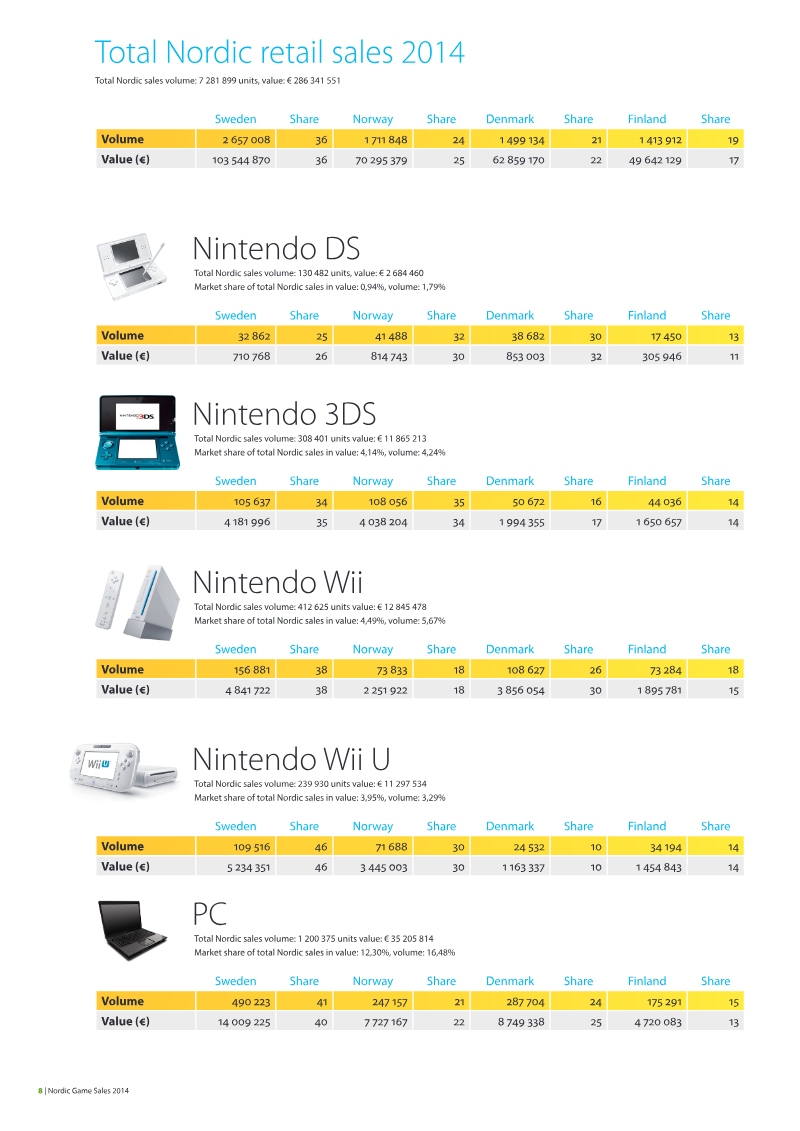
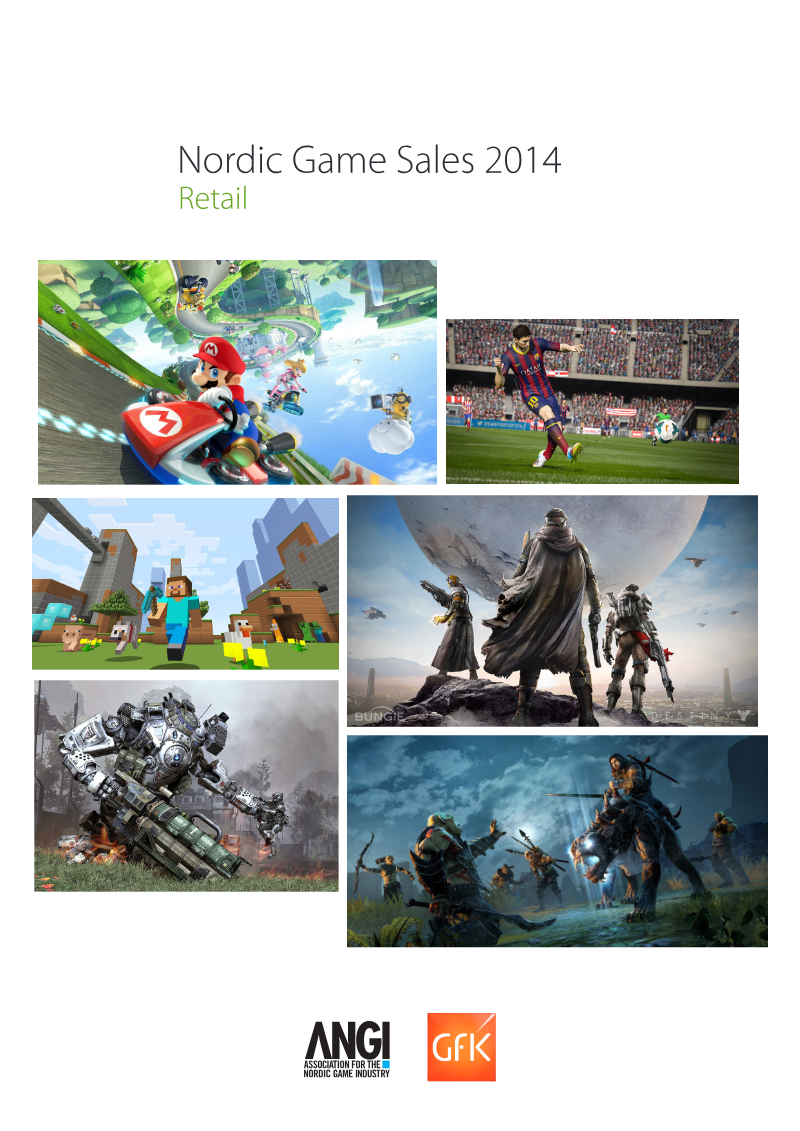
The Nordic video game market underwent a significant structural transformation in 2014, characterized by an 18 percent decline in physical retail value.
- The Nordic video game market experienced an 18 percent decline in physical retail value in 2014, driven by a structural shift toward digital distribution and service-oriented revenue models.
- Market performance was heavily concentrated in major multi-platform franchises, with action titles capturing 25 percent of the market and sports games accounting for 16 percent.
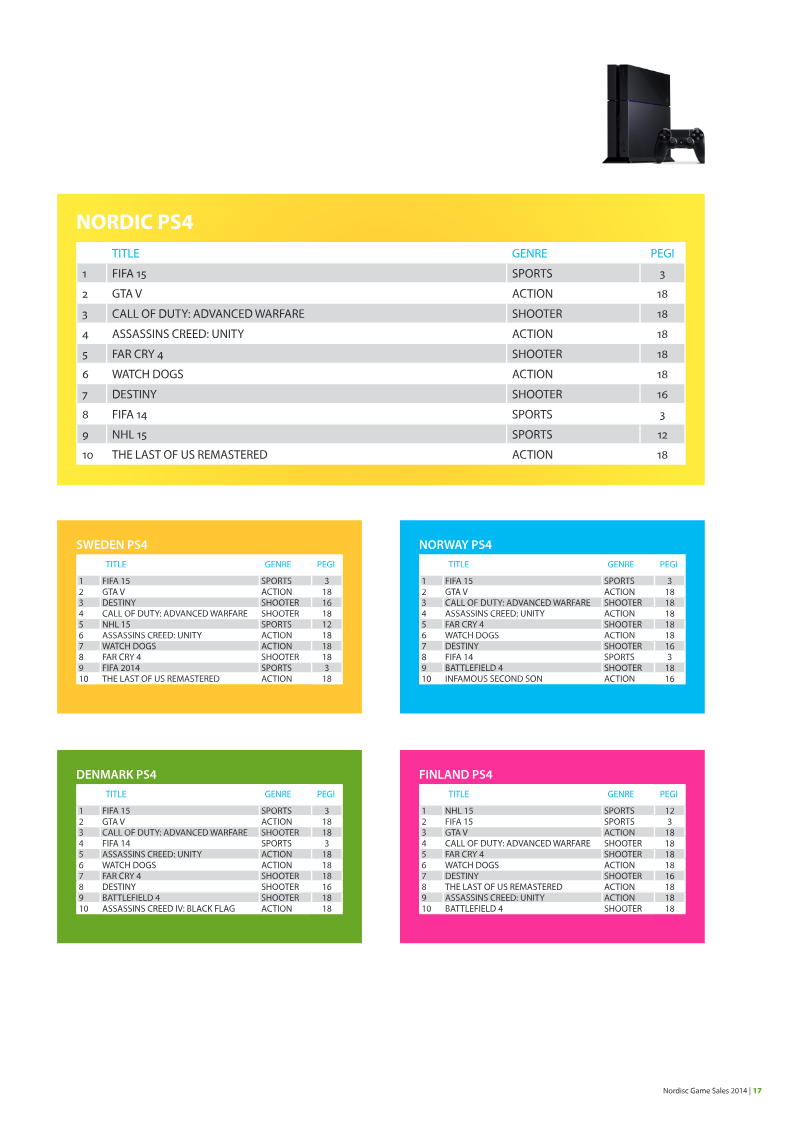
- Top-selling titles across the region in 2014 included FIFA 15, Grand Theft Auto V, and Call of Duty: Advanced Warfare.

F2P's soul, Glu's financials, and the even hotter Helsinki scene
The mobile gaming industry in late 2014 reflects a period of significant financial transition, characterized by the dominance of established franchises and the volatility of free-to-play (F2P) business models.
- Glu Mobile achieved profitability in late 2014 by leveraging the Kim Kardashian brand, which generated $43 million in its first full quarter and accounted for 52% of the company's total revenue.
- Despite strong earnings, Glu Mobile's share price dropped 20% in a single day as investors reacted to performance falling short of high market expectations.
- Traditional console giants are successfully capturing mobile market share by migrating core franchises, with EA reporting a 64% year-over-year increase in mobile revenue to $123 million and Ubisoft reporting a 45% increase in mobile sales.

Fiksu on overcoming the dangers of discoverability
The primary challenge for mobile application developers is overcoming discoverability hurdles in a saturated market where users typically engage with only a fraction of their installed apps.
- Prioritize 'cost-per-loyal-user' over 'cost-per-install' as the primary metric, defining a loyal user as someone who engages at least three times and completes a value-added action like a purchase or registration.
- Focus acquisition efforts on retention, as over 20% of mobile app downloads are currently used only once.
- Target the top 25 apps in store rankings, as 88% of users limit their browsing exclusively to this group.
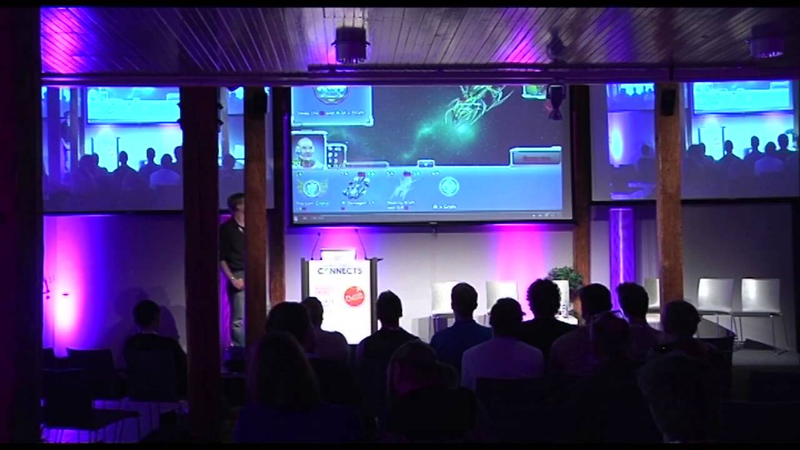
PGC Helsinki 2014: Demo Time!
The 2014 PGC Helsinki showcase highlights three distinct mobile game titles, emphasizing the diversity of development strategies within the indie sector.
- Indie developers are increasingly using soft launches in select regions to validate retention and engagement metrics before committing to global releases.
- Two Men and a Dog’s 'Zombie Catchers' achieved a 44% content completion rate during its soft launch, validating the market demand for high-quality mobile platformer-base-building hybrids.
- Hardcore Games is targeting the mobile CCG market with 'Star Admiral,' a 3D-modeled title currently in soft launch across Austria, Switzerland, and Canada that incorporates complex mechanics like energy sacrifice and tactical strike tracking.

RedLynx on taking Trials from console to mobile
RedLynx, a developer with over 14 years of experience and a portfolio of more than 100 titles, successfully transitioned its established Trials motorbike franchise from console to mobile with the release of Trials Frontier.
- RedLynx successfully adapted the Trials franchise for mobile by shortening track lengths to approximately 30 seconds, enabling the one-to-five-minute play sessions preferred by mobile users.
- Trials Frontier achieved 12 million downloads within two months of its launch by transitioning from a premium console model to a free-to-play mobile environment.
- The development strategy prioritized a robust metagame—focused on bike upgrades and character progression—to satisfy mobile players who prioritize meta-progression over the pure mechanical mastery favored by console audiences.