Esports statistics and market reports
Documents

eSports Journalism: Challenges and Opportunities
The esports industry is currently undergoing a period of rapid expansion, with major events such as the League of Legends World Championship achieving viewership numbers that rival traditional athletic competitions.
- Esports journalism must pivot from reporting basic match results—now commoditized by platforms like Twitch—to producing analytical, narrative-driven content to remain relevant.
- The industry faces a critical identity crisis caused by the gap between a highly specialized core audience and a broader public hindered by social stigmas and technical illiteracy.
- To establish credibility, journalists must shift away from developer-controlled public relations toward independent, investigative reporting that examines the human implications of professional gaming.
Awesome Video Game Data 2017
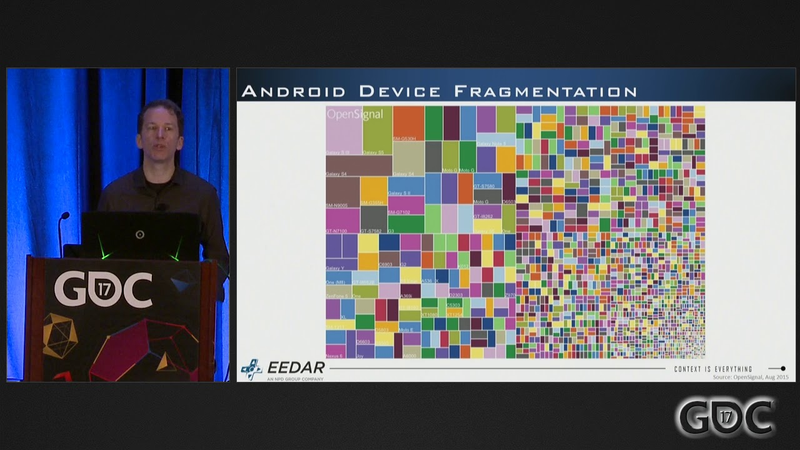
The video game industry in 2017 is defined by a maturing hardware market and a shift toward a core-focused portfolio.
- The U.S. gaming industry generated $23.5 billion in 2017, with mobile gaming accounting for approximately one-third of that total revenue.
- Console sales for the PlayStation 4 and Xbox One outperformed previous hardware generations by 34 percent, demonstrating strong demand for high-fidelity gaming.
- Market success is highly concentrated, as the top 2 to 10 percent of titles capture the vast majority of industry revenue.

Grassroots Growth: How Game Communities Built an eSport Scene from the Ground up
Esports scenes emerge primarily from grassroots, enthusiast-led communities that employ a DIY ethos to transform standard game titles into competitive ecosystems.
- Game developers should view esports as a co-creative process rather than a top-down product, as foundational titles like Counter-Strike and Dota originated from community modding rather than internal studio development.
- Grassroots communities perform essential 'transformative work' by building the infrastructure for esports, such as early broadcasting services like Team SportsCast Network and Radio ITG, which established the standards for modern media production.
- The 'serious leisure' model, exemplified by volunteer-driven events like DreamHack, demonstrates that enthusiast communities are willing to invest significant time and resources to overcome technical barriers and professionalize competitive scenes.
eSports Day: Building eSports: Twitch, Rocket League, and H1Z1: King of the Kill
Building a sustainable esports ecosystem requires a holistic strategy that transcends top-tier professional leagues to prioritize grassroots engagement and long-term infrastructure.
- Sustainable esports ecosystems require integrating competitive features like private matchmaking, skill-based leaderboards, and custom rule sets directly into the game’s core architecture.
- Developers should adopt a 'walk, not run' growth strategy that prioritizes grassroots community engagement and iterative development over immediate, large-scale event production.
- Success in titles like the Rocket League Championship Series is driven by balancing in-house management with strategic partnerships to foster fan loyalty and viewership.

Peace Games - Gaming for a Better Future - Extra Credits
Games have historically functioned as a vital mechanism for fostering human connection, transcending cultural, national, and political divides.
- Online gaming and esports act as modern diplomatic conduits, allowing individuals across international borders to form personal bonds that humanize distant populations.
- The industry faces a critical challenge in managing toxicity and exclusionary ideologies, which can undermine the potential for digital spaces to serve as platforms for global empathy.
- Developers bear a primary responsibility to curate inclusive environments by providing the necessary tools and infrastructure to facilitate positive community building.
Mobile eSports 101: The past, present and future of an industry on the rise
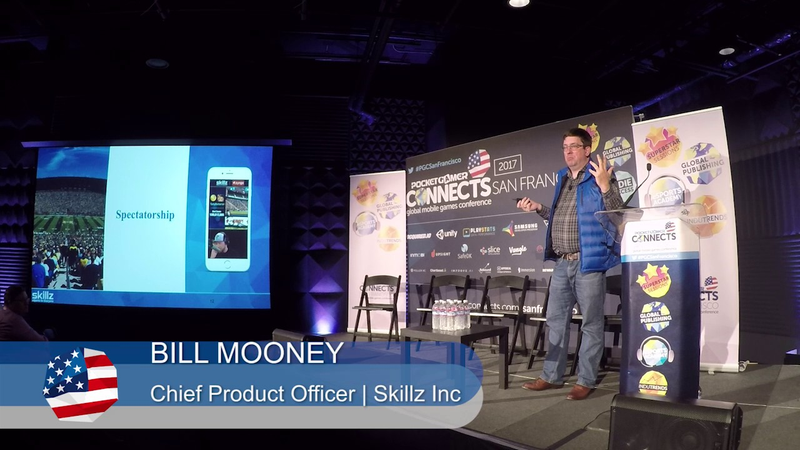
Mobile eSports represents a rapidly expanding segment of the global gaming industry, driven by the ubiquity of smartphones and a shift toward competitive, skill-based play.
- Mobile eSports is a distinct, high-growth ecosystem serving a global base of over 2.6 billion mobile gamers.
- Approximately 20% of a typical mobile game's audience is inclined to engage in competitive play, spanning genres from complex strategy to casual puzzle games.
- The integration of real-world prizing and bracket-style tournament structures has been proven to significantly improve both user retention and monetization.
What the mobile games industry needs to do to get mainstream recognition
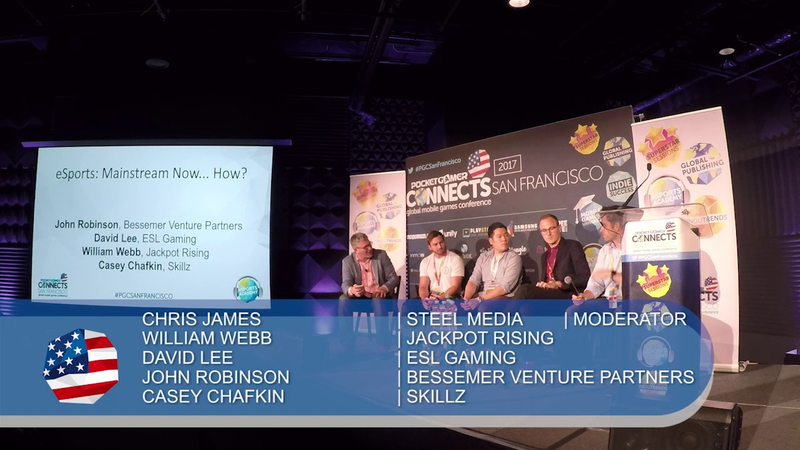
Mobile eSports currently occupies an early developmental stage, mirroring the foundational era of PC competitive gaming.
- Mobile eSports is currently in a foundational development phase, mirroring the early era of PC competitive gaming but positioned for rapid expansion due to its massive global user base.
- To achieve mainstream normalization, the industry must prioritize professional-grade technical features, specifically robust spectator modes, custom game lobbies, and rigorous anti-cheat protocols.
- Establishing competitive integrity through advanced technical infrastructure is a prerequisite for attracting the consistent brand sponsorships necessary for industry maturity.
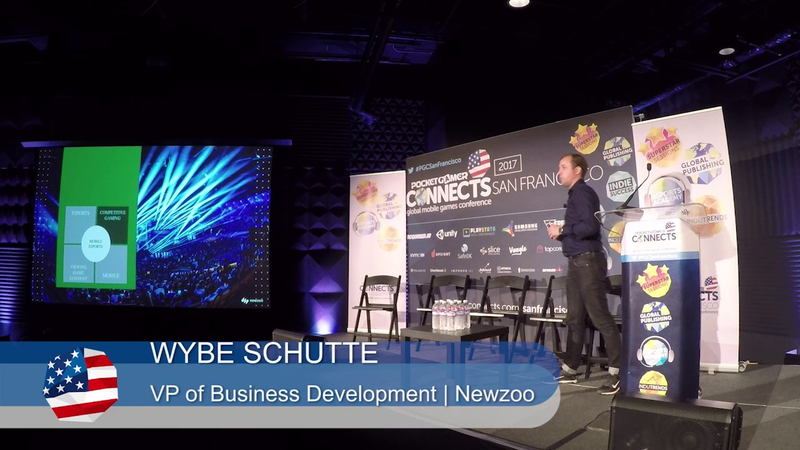
The key trends and regions driving mobile eSports
The mobile eSports landscape is experiencing rapid growth, driven by a shift toward accessible, spectator-friendly titles and increasing investment from major brands.
- The mobile eSports industry is valued at approximately $696 million, with nearly $500 million generated through brand sponsorships, advertising, and media rights.
- Professional organizations including Fnatic and Immortals are entering mobile leagues, indicating a maturation of the sector beyond traditional PC-dominated titles like League of Legends and Dota 2.
- Mobile eSports viewership is increasingly spectator-focused, with 40% of enthusiasts watching competitive games they do not personally play.
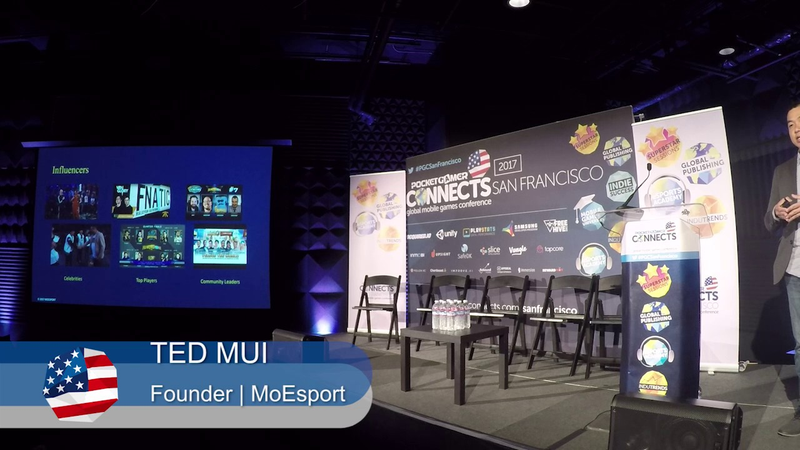
Mobile eSports competition – Keys to producing a successful event
The mobile esports industry is experiencing rapid growth, driven by the increasing viability of mobile titles as competitive platforms.
- Production quality and competitive integrity are the primary drivers of event credibility, requiring rigorous rule-setting to prevent technical or regulatory oversights.
- Authenticity is critical for audience retention, necessitating the use of community-embedded influencers like streamers and subreddit moderators rather than generic celebrities.
- Driving concurrent viewership is most effectively achieved through in-game incentives, such as random item drops or interactive 'choose-a-champion' contests.

Smash Sisters: Fostering Camaraderie from the Ground Up
Smash Sisters functions as a grassroots initiative within the Super Smash Bros. community, specifically designed to increase female participation and retention through team-based crew battles.
- Smash Sisters increases female participation and retention in the Super Smash Bros. community by replacing high-stakes individual brackets with team-based crew battles.
- The initiative utilizes a decentralized, feedback-driven model that empowers local leaders to manage events while maintaining consistent branding and safety standards.
- By prioritizing social integration over competitive prize pools, the program lowers barriers to entry and serves as a welcoming supplement to the broader co-ed tournament scene.

We Failed at Publishing Competitive Games so You Don't Have to
The pursuit of a competitive gaming publishing label serves as a cautionary tale regarding the disconnect between development expertise and market realities.
- Financial success in competitive gaming requires aligning development costs with market reality, as even respectable sales of 200,000 units—such as those achieved by Divekick—can fail to recoup investments if the budget and strategy are misaligned.
- Publishers must avoid the cognitive bias of attributing past successes to internal expertise rather than the inherent appeal of the product, which often leads to the repeated failure of marketing strategies for subsequent titles like Capsule Force and Gun Sport.
- A shift in strategy is required from front-loaded content models to sustainable post-release update cycles, as the former fails to maintain the long-term engagement necessary for competitive titles.
Balancing League of Legends for Every Player, from Bronze to Bengi
Balancing a competitive title like League of Legends necessitates navigating a massive skill gap that often exceeds 1,000% between casual participants and professional competitors.
- Riot Games balances League of Legends by targeting the 'sweet spot' of High Platinum to Low Diamond skill tiers, as this range provides the best intersection between the high volume of players and the sensitivity to balance changes.
- Designers must interpret raw data with nuance, such as accounting for 'experience bias' where a champion's high win rate may reflect the player's mastery of that specific character rather than the champion being objectively overpowered.
- Balance changes should be iterative and systemic; when simple tuning fails to resolve an outlier, developers should pivot to broader structural updates, such as the preseason overhaul of assassin items and stealth mechanics.