eSports Journalism: Challenges and Opportunities
10 Nov 201736 min video
Transcript
[Music] thank you all for coming I'm going to go ahead and jump right in this is a presentation about eSports journalism the challenges we face as writers in that space and the opportunities were provided hence challenges and opportunities of eSports journalism the second story part I'll get to in a bit but I'd like to open with a quote from Paul Gallico a legendary writer from the Golden Age of sports journalism daily I was in contact with those necessary elements of drama good against evil suspense frustration climax and success every contest had its villain as well as its hero nowadays writing from the
Golden Age of sports journalism can feel a little purple and maudlin and theatrical but I think it's important to remember that gallico and his ilk created the world of sports journalism from almost nothing so over here in the fledgling years of eSports journalism we might want to see what we can learn I'm going to go ahead and assume that the people in this room know that eSports is on an uphill trajectory according to news ooh-hoo you just heard from one in four Millennials now watch as eSports 22 percent of men and 15% of women watch eSports at least once a month that's between the ages of 21 and 35 specifically among male Millennials eSports is now more popular than ice
hockey and right underneath baseball in terms of viewership more people watch the League of Legends World Championship in 2016 and the NBA Finals the point is eSports is big and it's getting bigger it's not like writers have been till now have sat on their hands exactly waiting for the right time to start covering eSports but we do seem to be reaching a breaking point recently where the platforms on which eSports are covered are ballooning seriously in size early in 2016 ESPN the Roman Empire of traditional sports journalism launched a dedicated eSports section they did have some run-up like Amina Khan's profile on faker but still for one of the largest sports journalism publications in the world and one whose president has gone
on record as saying that eSports aren't real sports to make this leap had big implications simultaneously you could see traditional gaming sites start to pick up eSports as well PC gamer has a Pro tab now rock paper shotgun has had an eSports section for a while Kotaku and Dead's been working together just released their compete vertical and even newer sites like Rolling Stones glicks 'l have been covering major players like lo de and hungrybox right out of the gate we've also seen the arrival of a new kind of site enter the publishing landscape the developer back to eSports site which offers both official announcements while also profiling players and covering events all under the watchful eye of a PR department all these sites and unprecedented spread I
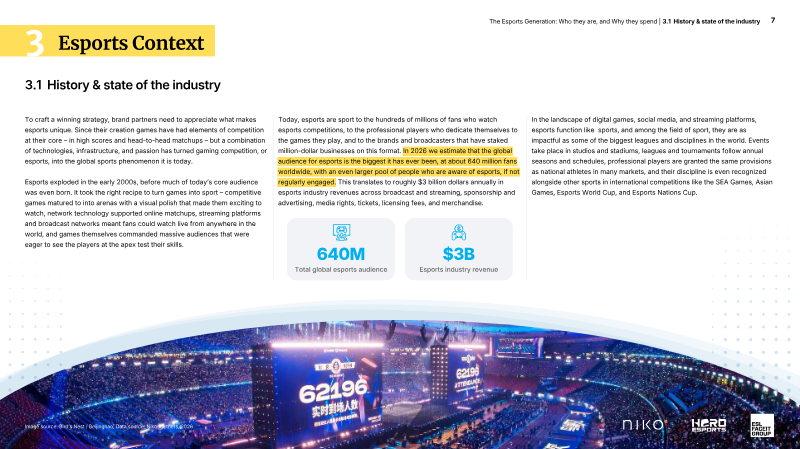
think when you have sport jockeys sharing a webpage with game writers are grabbing over some piece of the eSports media landscape which I would venture to say is still unclaimed undoubtedly they saw the opportunity to enter into a four hundred and ninety million dollar industry or I think more since I last checked but maybe this is being generous I think they probably saw something more a chance to shine a light on and find new language for a whole new realm in which narratives of passion and excellence play out I can't speak to the challenges they've faced in that pursuit but I can offer some observations on the obstacles I've faced in my experience what that experience is I'll fill you in on but don't worry it will be brief by
necessity my name is Roy Graham I've been writing about video games since 2014 and that is not my dog in 2016 I was brought on as the editor of the Metta kills greens eSports dedicated site which we launched in partnership with twitch and that's it I did warn you it would be brief which actually brings me nicely to my first point those of you who are game writers are probably familiar with some portion of the internet crowd not really getting the games thing but in the world of eSports the divide between your informed audience and your casual audience is probably broader than you've ever experienced before it's that divide that lets me a guy with less than three years of post college
experience beyond the stage right now having opinions about an industry so what do the people on either side of this divide look like well let's start with these sports fans these sports fans are by and large vocal devoted and intensely knowledgeable about their past time they're usually experts in one or two games which they play in addition to watching them meaning that their understanding of them is very deep this is one of the big difficulties we encounter writing about eSports especially when you have to write about more than one there will inevitably be someone who knows much more than you in your audience the history of the most popular eSports and their corresponding professional scenes is not only complicated it's nuanced and it is very poorly documented you can do your
homework as a writer but research can only take you so far and if you screw up it's very likely you're gonna be called out as I certainly have been but you don't even need to get the details wrong to stir the ire of devoted eSports fans tone plays a major role in this too how many times over the last few years have you seen a headline like this that'll win you some portion of the casual crowd but it'll make anyone who actually cares about eSports roll their eyes mainstream writers tend to approach games with this intense level of apprehension as I'm sure a lot of you know and this goes doubly for eSports you can blame that on our puritanical roots as a country or gatekeeping among the highest echelons of media writers but it's something that we do have to confront as these sports writers eSports fans demand
a lot from you as a writer but this audience is also the most passionate and in that way if you're writing about eSports in the first place they're probably the most like you they'll debate the hell out of you don't get me wrong eSports fans love to win but they'll also follow you into the strangest and best places whether you're comparing the world of competitive smash to David Foster Wallace's tennis epic Infinite Jest or talking about the architecture of overwatch so what about on the other side of the chasm if you want to write for people who might lie outside the definition of eSport fans we run into a very different set of problems to start most eSports have a big literacy requirement to understand what's happening that you don't see as much in traditional sports in soccer or
basketball if the ball goes in the hoop or the net it's safe to say it's a point you don't really have to know a huge amount to follow what's going on even in the more complicated sports like American football there's a level of cultural literacy that eSports just haven't managed to achieve yet I for example note a first down is I cannot say whoever explained that to me or when it was explained to me but that's in there our first challenge is just conveying how these games work quickly and painlessly but this is important without being condescending to dedicated fans second and this is easier now than it used to be we still have to convince some people that these players are athletes for some the amount of money and attention generated by the
eSports world has been enough they don't need more convincing but that isn't true across the board there's absolutely still a stigma against taking games seriously this stigma runs so deep that many eSports players themselves people who have dedicated their lives up until now practicing experienced it I remember interviewing Marcus dyrus he'll the retired League of Legends player for killscreen last year dyrus for those of you unfamiliar qualified for every World Championship that happened over the course of his career he's a legendary North American LCS player when I asked iris why he found such success in the early years of competitive League of Legends his response was telling particularly his choice of words he said it was because he was completely addicted to the game addicted
I'm willing to bet that if dyrus had been a competitive athlete in a major sport that word probably would have been something closer to relentless or dedicated because he was an eSports player though it was addicted can you imagine a championship fighter saying he was addicted to boxing there's that stigma that notion that video games are in some way a waste of time even when you're better than ninety nine point ninety nine percent of an enormous selection of people as big as the obstacles are there with this audience the opportunities are at the same scale simply put there are far more non eSports fans than there are eSports fans winning over even a portion of the ordinary sport audience or the traditional gaming audience would do wonders for our reach at the end of the day there's no easy way to bridge the
gap between your informed readers and your casual ones but that is something that publications will eventually have to do if they want to remain financially viable for a moment though let's forget about the finances let's pretend they don't matter because outside of audience goals outside of traffic numbers we actually have a bigger problem on our plate we have to figure out what the purpose of writing about eSports is and I don't mean a broad corporate purpose like connect with the youth I mean existentially because while you can make a lot of comparisons between the world of sports journalism and this burgeoning new world of eSports journalism you have to remember that they really came about in entirely different ecosystems the original purpose of sports writing was simply to inform people about the
outcome of a game or more specifically about the outcome of a horse race good sports writing did that vividly it brought to life something that distant fans might not be able to see today though subreddits deliver the outcome of a game much faster than the sports page and as for feeling like you're part of the action they could just watch a live stream which brings me to my next point another big function of sports journalism was to give access to the athletes getting to hear what they think and feel what they're like what they have to say now though twitch exists eSports fans already have access to most of their biggest heroes on a regular basis they can see what they're like when they're bored or anxious or in training or drunk or whatever they can
ask them questions they already have a more intimate window into their life than a reporter with a microphone could ever provide so what do we bring to the table as journalists what could we offer the world of eSports I'd like to quote here for the first and you can hold me to this last time in my life Malcolm Gladwell who in a conversation with Bill Simmons on the ringer had something pretty insightful to say about the world of sports journalism there is now a second conversation about baseball the Moneyball conversation that is interesting even to people who don't follow the first conversation the one that takes place on the field same thing for basketball there's an obsessive first conversation about a beautiful game and a great second conversation about how basketball has become a mixed up culture of personality and celebrity boxing had a wonderful
second conversation in its glory years it was a metaphor of social mobility Jack Dempsey one of the most popular boxers of all time dropped out of school before he even got to high school Joe Louis's family got chased out of Alabama by the Ku Klux Klan that underlying narrative made what happened in the ring matter so what could we offer the world of eSports journalism we could offer the same thing that great sports writers have always offered to start that means keeping our perspective our perspective broad not tunneling in on what happens in the field but making sure we understand the wider context in which all this is happening second we need to maintain a certain level of craftsmanship and pride in our work I've already noticed a fair bit of eSports
writings start to slide into mindless hype based enthusiasts press and we're certainly not immune to the worst tendencies of sports writing either vagueness recycled phrasing a certain cloying quality we need to strive to remain great writers in addition to eSports experts and finally we could use a bit of that myth making that Paul Gallico was doing almost a hundred years ago now as eSports rise in power prominence and popularity I feel like we need this lens more than ever before you can't talk about the world of competitive smash without talking about this small scrappy community's fight for survival against the very developer that made the game they excel at when fans in the audience of a major Call of Duty tournament shout racial slurs at an african-american player that's not a random isolated incident that's part of
a larger culture of intolerance surrounding the game everybody knows that the best eSports players in the world come from South Korea but fewer people know that that's because of the Asian financial crisis in the 1990s which led the government to invest hugely in telecommunications and Internet infrastructure leading eventually to the PC bang when you just talk about scores and stats you're missing a fundamental part of eSports usually it's the most human powerful and important part it's this underlying narrative the second story that we as eSports writers should try and grab because it might give us a bit of purpose and it might be the thing which unites eSports fans with people who just want to read a good story star car fanatics probably enjoyed Tom Wolfe's thorough profile of their
hero jr. Johnson but even if you don't know anything about stock cars it's still a great read there's something about a young bootlegger becoming a star racer that's almost mythical and that's because the best sports writers the ones we go back to over and over again knew a secret the best sports writing is only ever partially about the sport look at gay - Lisa's profile of Joe DiMaggio one of the best pieces of sports writing ever written out of its 8,000 total words it has perhaps a few paragraphs devoted to baseball it's a story about Fame and the diminishing years of an American Hero string theory David Foster Wallace's second most famous piece of sports writing probably isn't really about his subject Michael Joyce it's about what becomes of the people who are
trained from a young age in something as frivolous and is difficult as tennis I contend we've done something similar with the very first feature we published on the meta agony and ecstasy at the biggest tournament ever by the very talented Justin Groot which isn't really about the international as much as it's about the fear and anxiety that's accompanied the rise and eSports power and popularity among its fans obviously there's still a lot we need to figure out but that's the most exciting thing right now about being an eSports writer there are a few landmarks to go by but by and large we're charting unknown territory if I could leave you with one thing it would be this if you want to be the best sports writer in the world or the best music writer in the world good luck climbing that mountain but here is a
vibrant culture full of human stories just waiting to be told and we're only now figuring out how to talk about it the best writing in the world of eSports it is still waiting to be done so get out and do it thank you for your time I'll be using however much time I have left to answer a few questions yep so feel free to come up to the microphone [Applause] I'll ask a quick question so earlier you alluded to the existence of kind of publisher supported media outlets like you had lowly sports on your in your deck I was curious as someone coming from a well more independent outlet than a publisher in your case how do you find that like the context of the medes work
being changed I guess by the existence of publisher driven publications right because now whatever story you're trying to tell that involves say a league of Legends player is going to be in the same news ecosystem as a whole bunch of stuff that is created by Riot Games to tell the story that they would want to tell about that player sure well I mean obviously that's a that's a complicated question because I think a lot of the stuff that we're seeing in terms of like developer packed eSports sites versus like more traditional I guess publications partially comes down to a I believe this to be sort of a transitory period in some ways you can see even with like the recent peña scandal which was sort of aping the NBA in terms of structure which everyone I sort of thought was an inevitable direction for eSports to go in that fell through so the shape that eSports will take in
five years is hard to say in terms of traditional media outlets versus developer packed publications but I think a lot of it at least for us in the moment comes down to the tone and and the direction that we take the article and the sort of I guess where we put the focus because at the end of the day while while eSports does some good stuff they're fundamentally a PR backed organization that are trying to see at the end of the day make Riot more money whether that comes from sponsors or from players purchasing in-game items or what-have-you are divorced perspective from that and our focus on you know just at the end of the day telling a good story and telling a true story I think will will always
set us aside I don't believe people read lolly sports and the meta for the same purpose in other words yeah so a strange question here would you consider eSports journalism an enthusiast press or traditional formal press I don't know if you can qualify the whole of enthusiast boards journalism as either of those things I think that there's certainly room for enthusiast press within the wider net of eSports journalism but there also needs to be a critical sort of culturally thinking model like Grantland or Deadspin which is less about like eSports is so awesome let's all like hop on the eSports bandwagon which you know nothing wrong with that and it should exist but there also needs to be someone being like it's ridiculous how many Totino's products I see on a regular basis as an eSports writer do
you have to write about them - I sure do but I get to trash them in my writings there you go all right thanks man of course hey great talk I'm just talking about you alluding to the quality of eSports journalism currently do you think my question is do you think more conformity in eSports as far as like the organizations in tournaments would that help the journalism quality kind of persevere or is it just solely on the publication's and I think I think ultimately the onus has to be on the publications when you see like ridiculous kind of was like the like the Shanghai major in dota twos not too recent past I think that like at the end of the day it's it's on the publication's to write about that in in his much detail and
with as much as sort of flourish as they can like I wish I had read more sort of like elaborate 4,000 word takedowns of the Shanghai major the more like paintings of this terribly run event as like Shakespearean tragedy until I mean until eSports events sort of shape up across the board in terms of production quality I guess as what you're alluding to I would just yeah I did the quality of the writing on them has no bearing on whether or not they were produced well but the take downs on them should be even even finer and and more glorious now while we have the opportunity thank you sure hey a great talk by the way thank you how do you think eSport journalist
can help empower emerging new potential eSport with much smaller community for example like rapidly or vainglory perhaps through the viral the potential virility of there the article they publish right I mean this is definitely this is a tricky question because on one hand you do have to balance like traffic considerations when you're covering something but you know not every article has to be the thing that pulls in like a million likes and I guess the short answer there would just be cut if they covered it if you sports journalists cover rocket league if they if they sort of find like the dynamic firebrand powerful player that wants to talk about how like everyone else's trash and like how she's gonna destroy the world that's it's it's on yeah just just right about right about the stuff
that that you think is cool and that you think maybe has the potential to be something bigger and better yeah and if the community shares you or you view I guess they'll just follow and the game will grow yeah I think so cool thanks of course I'm sort of a two-part question I guess yeah um I'd like to know a little bit how you think about like the fact that some of these sports are incredibly controlled by singular companies and some of them do their best to sort of control the entire experience and don't really want anyone to come in and be a real journalism about it and the other question is kind of how would you like a sport or companies that make games that are potential eSports to behave so that they can like encourage you to do your job as well as possible okay I think I understand what you're what you're
asking so just just so I could repeat it back to you and make sure it's I have it right how how do I wish companies handled their their competitive scenes and their games and how how do they how does like the fact that these are sports that are controlled by essentially one giant like gigantic company factored into that right well I mean obviously I just access is a key to a lot of this I feel pretty confident that journalists worth his or her salt can find the story even if it's sort of being body guarded by like a PR person who maybe doesn't want you to get at a player's deepest darkest secrets as long as they just had the opportunity to speak with the player as far as the
question of like one company sort of controlling a sport and and trying to control not only the like enter the rules of the game itself but also the experience of watching it I it just makes covering it a very very unique experience but I don't know if it's that much different than like what the NBA does with basketball I mean they you can talk about like patch notes obviously change the game more in League of Legends than they do in like basketball but basketball still does get pretty regular small changes to the game and there's obviously like the NBA and the NFL tried very very hard to control every moment of broadcast of a major game like that so I hope that answers the question okay thanks so being a person who plays super smash bros melee
and like how the different scenes are say to leave a bunch of cells so I'm very familiar with I kind of find it interesting that um people always talk about in the narrative the players of the narrative like this stories in like kind of that would be they kind of that gets to the second story that you'd be having but in a lot of situations the only people you ever hear about in certain games are like the people who are at that top like the pinnacle or like or in our case the gods of the game or maybe the top few teams like you know the TSM the c9 or ever but you don't really see many people covering like say envious or something like that and I was just wondering like in your opinion is there a way to foster like some sort of narrative maybe like a smaller scene or something like that like maybe an up-and-coming player who hasn't really gotten much exposure or anything and is starting to travel or something like that yeah absolutely I mean I guess I think this again comes down to the question of like the the journalist has to find the story in the first place but actually I remember we we ran a profile also by Justin Groot on ax who is you
know a great ballet player but is not usually considered a god it's not like one of the top five and the story just focused on had the fact that he had he had like played this game for years and years basically without winning more than like a couple hundred dollars at a tournament here and there while like holding down a job at CVS like that is that's as much a second story as these sort of like globe-trotting rivalries that you see in some of the major sports it's it's interesting it's compelling it's got a human element to it I think a lot of it is just that players or reporters aren't always given the time or don't always elect to take the time to chase down these kind of stories and and find that as you're saying this sort of smaller scale often coming narratives and I guess the one quick thing about that I'm so of the smash dock mary is also the big thing for smash I was wondering if you had any opinions on
like where documentaries kind of sit in the idea of like nice journalism it's somewhat I think a lot of the ideas that I tried to toss out in this talk can be applied to I said writing a whole lot because that's my trade but I think you can apply a lot of the same ideas to documentary yeah in terms of like the challenges of I think probably it's easier in some ways to convey the just how the game works in the documentary form but you run into a lot of the same the same challenges and like obstacles I would imagine I haven't personally worked on any sports documentaries so I can only theorize [Music] [Applause] I just had a question of what you thought as far as like casual games and casual gamers they don't self-identify as gamers often but my aunt is on level
two thousand one hundred eighty five of candy crush and probably plays it more than I play any of the other games I play so but she's like I'm not a gamer do you think there's space or are we close to where we would start writing about casual casual game performance is there is that is there is that eSport so if if I okay can I repeat this question back to you - yeah make sure I have it's kind of disconnected I think I think I know what you mean it's do you mean that like is any writing about a a game that is played at professional caliber considered esports writing or could yeah or could it be or do we need to wreak a tagger eyes esports writing and call it something else to be palatable to the mom crowd for example yeah like I think I mean I think that's an interesting question
i I mean falling back on the idea of like looking at sports journalism for some some clues there you don't you don't see much writing about like the casual side of like football or baseball for example but you I mean you have like college college games which I certainly play it at a lesser level than the major leagues maybe that's where sort of more casual games could or more casual like levels of play I suppose could could see like profit in eSports journalism is like more coverage of what collegiate events as as colleges start to pick up these sports programs I think that may be the secondary core the core layer question is like for example if we found out that a 55 year old woman was had a flappy birds run of like 11,000 or
something like that so not played at a lower level but literally someone who doesn't consider themselves part of the eSports blanket for it demonstrates an ability that would certainly warrant that and then in a top five game I think that at that point it it doesn't matter whether you identify as a gamer or not I mean skill a skill and and that situation you described absolutely seems like something that eSports writers should cover cool Thanks of course looks like that is all the questions so thank you guys have a great rest of your GDC [Applause]
Auto-generated captions from YouTube — names and numbers may be misheard.
Key insights
Distilling the key insights…
Ask AI about this video
Cite this video
Citation
Generating citation…


















Comments