Employment reports and market data
Documents
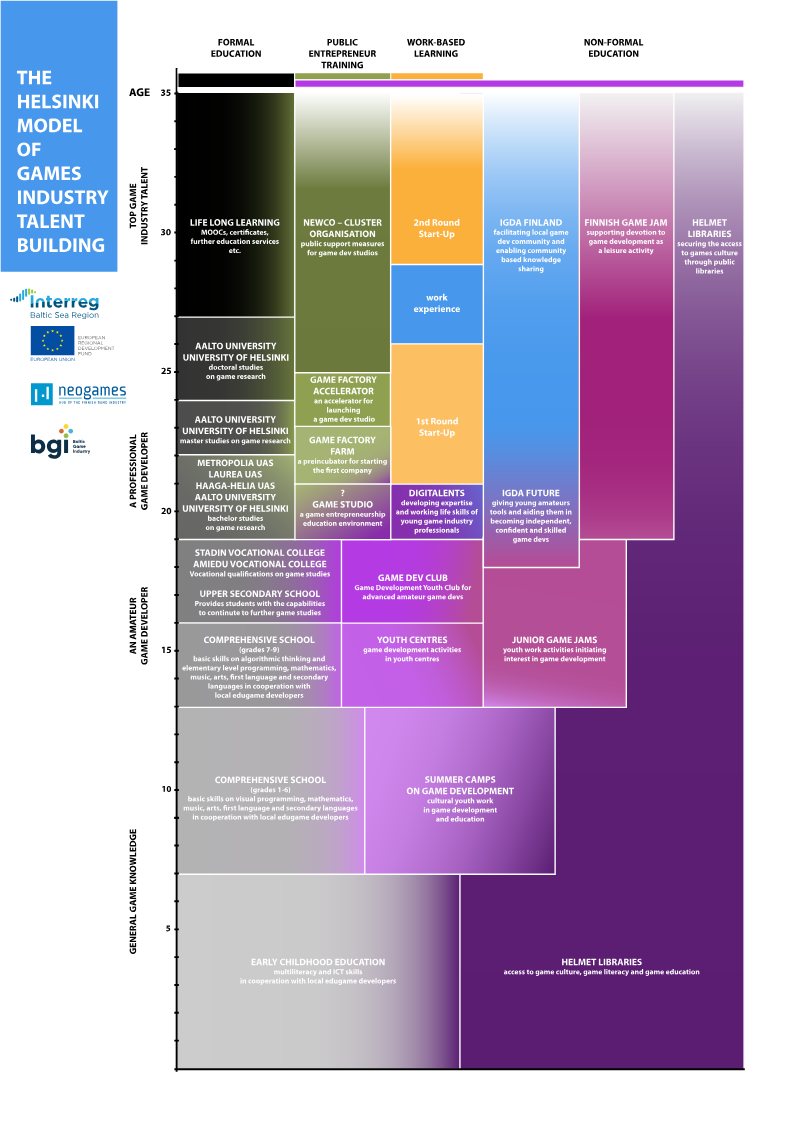
The Helsinki Model of Games Industry Talent Building
The Helsinki Model of Games Industry Talent Building establishes a comprehensive, lifelong educational framework designed to cultivate professional expertise within the Finnish gaming sector.
- The Helsinki Model creates a lifelong educational pipeline for game development that spans from early childhood literacy programs to doctoral research.
- The ecosystem relies on formal integration between academic institutions like Aalto University and the University of Helsinki and industry-focused infrastructure such as the Game Factory accelerator.
- Public-private collaboration between local government, educational bodies, and industry stakeholders is the foundational mechanism for sustaining the region's game development culture.
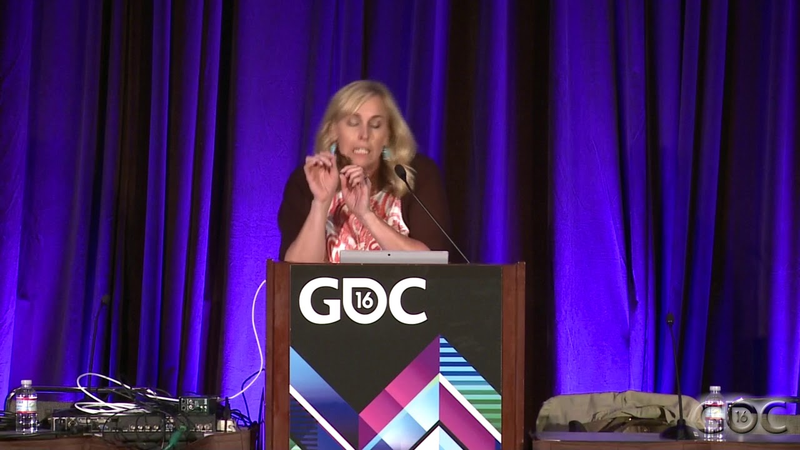
Rules for Development (of People)
Building high-performing game development teams requires a shift from reactive growth to intentional, structured investment in human capital.
- Game development teams should adopt the 70-20-10 growth model, allocating 70 percent of development to hands-on experience, 20 percent to coaching and peer feedback, and 10 percent to formal training.
- Studios achieve higher performance by focusing on individual strengths rather than attempting to remediate weaknesses.
- Leadership development is best supported through confidential, peer-to-peer coaching labs that allow team leads to discuss failures and refine soft skills in a safe environment.

Get Into Game Development - Should You Quit School? - (For Students!)
The transition from student to professional game developer requires a strategic assessment of personal goals, risk tolerance, and career paths.
- Do not quit formal education to pursue game development full-time, as a degree serves as a necessary professional safety net and provides broader career options.
- Aspiring studio employees should prioritize deep specialization in a single marketable skill, such as 3D modeling or back-end programming, rather than attempting to master all aspects of production.
- Independent development requires a high tolerance for risk and necessitates a robust, consistent marketing strategy alongside the ability to manage multiple production roles.
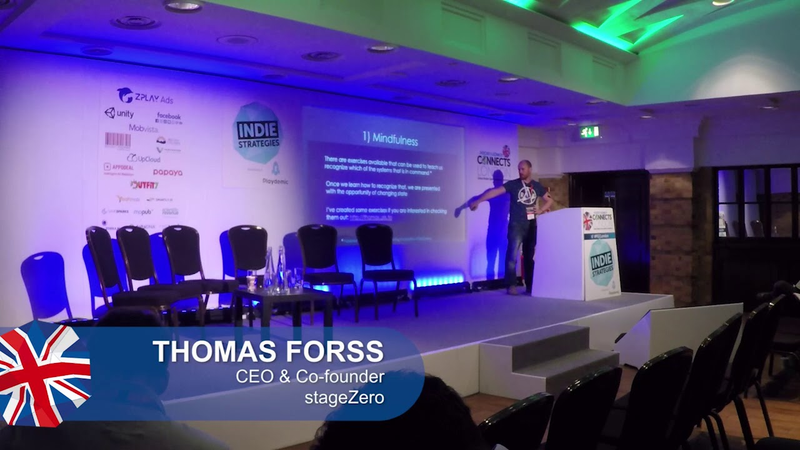
Increasing productivity and preventing burnout
The primary objective of this presentation is to provide strategies for increasing professional productivity and mitigating the risk of burnout within the high-pressure environment of the game development industry.
- Burnout is caused by the nature of stress rather than long working hours, specifically resulting from external pressures that trigger negative stress responses.
- The human mind spends approximately 50% of its time lost in thought, which is governed by an impulsive system that hinders productivity.
- Mindfulness exercises should be used to transition the brain from an impulsive state into a logical, controlled state to strengthen focus.
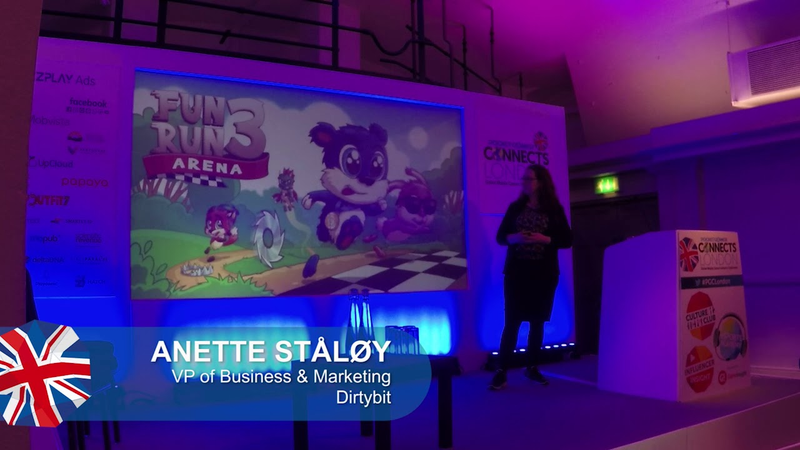
Remember coffee with your squats – Building a company culture
The development of a sustainable and positive company culture is a critical component of organizational success, particularly within the mobile gaming industry.
- Dirtybit successfully scaled from 8 to 17 employees by prioritizing cultural fit during recruitment and maintaining a flat organizational structure.
- Company culture is defined by daily rituals and shared experiences rather than written values, requiring intentional efforts to preserve intimacy as a team grows.
- Physical office space acts as a critical hub for social interaction, facilitating informal communication that extends beyond strictly professional tasks.
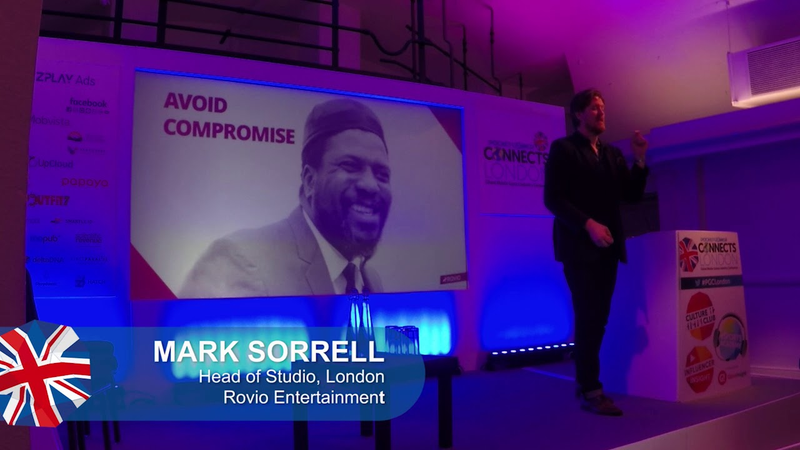
Culture is hard
Building a successful, diverse studio culture is a complex, ongoing process that requires intentionality and a willingness to embrace friction.
- Prioritize cognitive and identity diversity over team homogeneity to avoid mediocre compromises and foster high-quality, innovative creative solutions.
- View studio culture as a living, imperfect process that evolves with every new hire rather than a static goal to be achieved.
- Replace superficial office perks like beer fridges with practical benefits such as flexible working conditions and family support to improve long-term inclusivity.
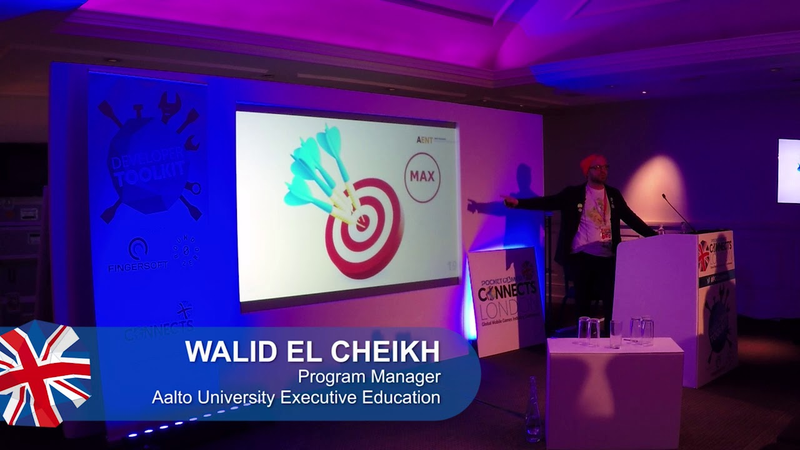
25 tips for successful pitching and networking
Effective pitching and networking are essential professional skills that extend beyond securing funding to include selling ideas to colleagues, managers, and partners.
- Success in pitching and networking requires a structured message that clearly defines the problem, the solution, and the value proposition while avoiding excessive jargon.
- Treat pitching as an iterative process rather than seeking perfection, using early, less-refined attempts to build confidence and gather actionable feedback.
- Effective networking is a high-volume activity that should be managed by setting specific, measurable targets for both the quantity of contacts made and the quality of those connections.
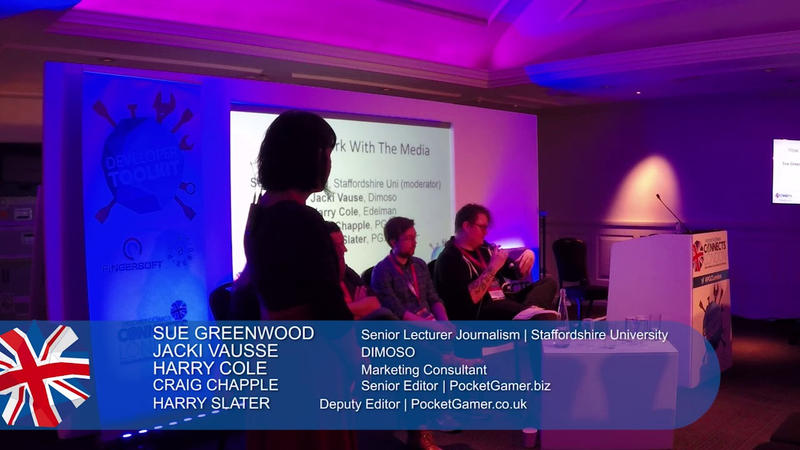
How to work with the games media
Effective developer-media relations hinge on building authentic, long-term relationships rather than relying on mass-distributed, impersonal press releases.
- Prioritize building long-term, authentic relationships with journalists well before a game is finalized rather than relying on mass-distributed, impersonal press releases.
- Tailor pitches to the specific interests of individual journalists, as generic 'Dear Editor' emails are frequently deleted and counterproductive.
- Engage with media throughout the entire development cycle by sharing early builds and progress updates to ensure journalists feel invested in the project's success.
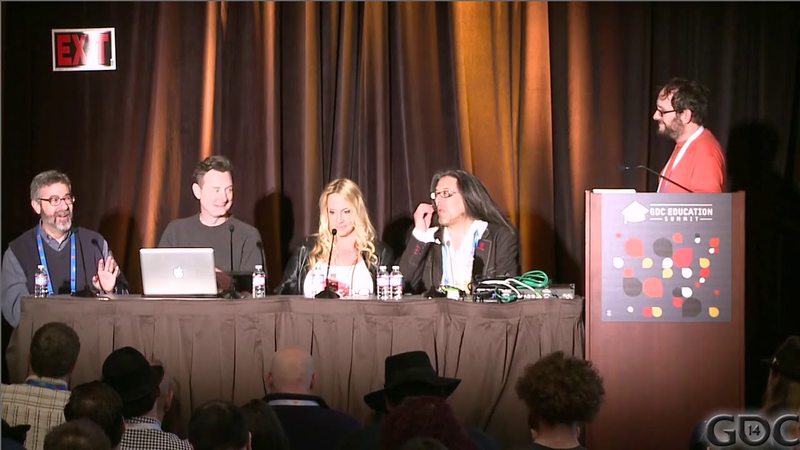
AAA Academics: Superstar Designers in Academia
The transition of veteran AAA game designers into academia represents a strategic effort to formalize game design education by bridging the gap between high-level industry production and theoretical instruction.
- Veteran AAA designers are transitioning into academia to formalize game design education by mirroring the iterative, system-based methodologies used in professional studio production.
- The primary objective of these academic programs is to accelerate student development, effectively shortening the timeline for graduates to reach leadership roles within the industry.
- To ensure curricula remain grounded in current industry practices, institutions must allow faculty to maintain active external studio ties rather than shifting to purely theoretical instruction.
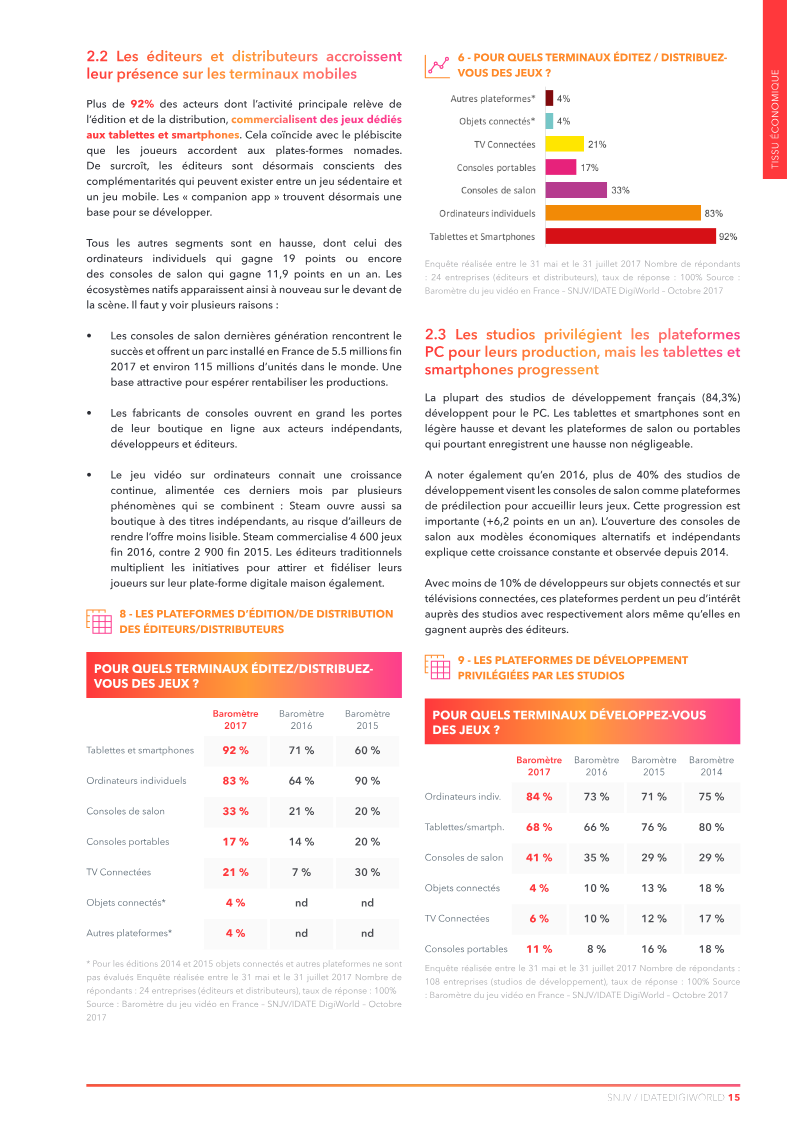
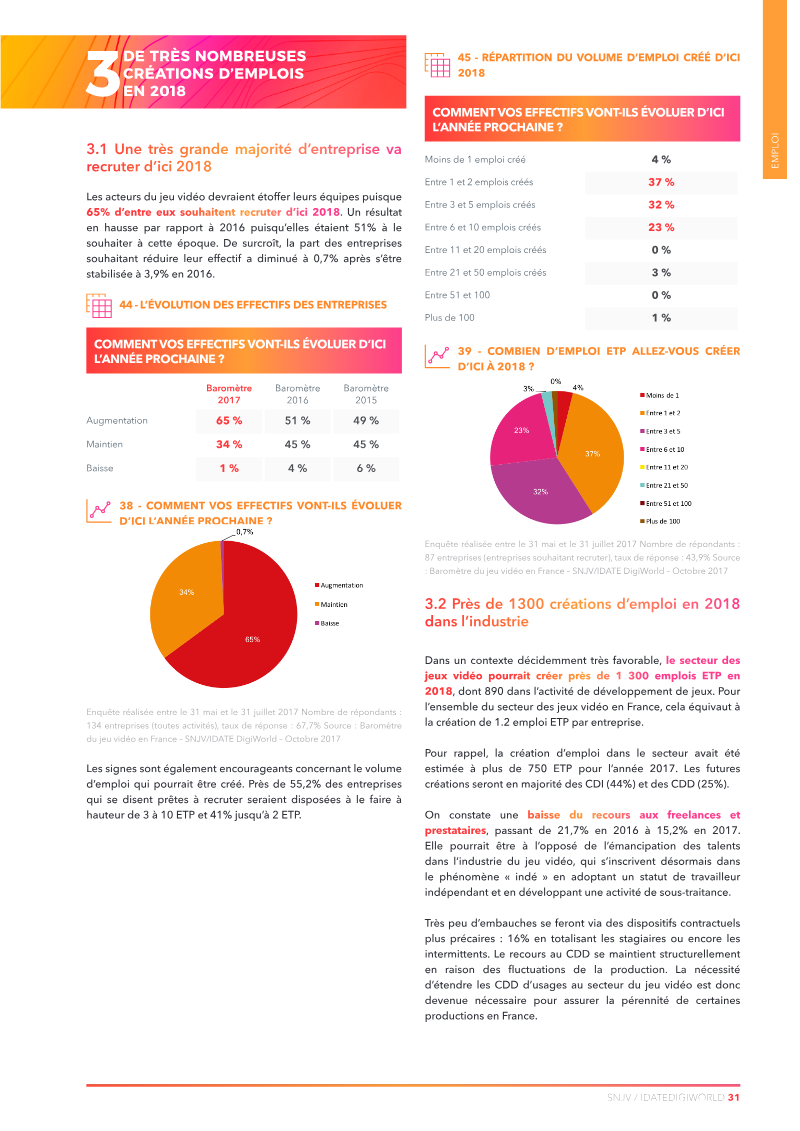

Baromètre Annuel du Jeu Vidéo en France 2017
The French video game industry in 2017 demonstrates significant resilience and structural maturation, positioning itself as a globally competitive hub for development.
- The global video game market is projected to grow from €60 billion in 2017 to nearly €80 billion by the end of 2021, with mobile gaming being the largest segment at €22.5 billion in 2017.
- The 'premium' economic model (paid-at-purchase with no additional content) has become dominant in 2017, adopted by 63.9% of studios, surpassing the free-to-play model which saw a significant 26.8-point decline.
- French video game companies are predominantly small, with an average of 29.5 full-time equivalent (FTE) employees in 2017, an increase of 3.2 FTE since 2016, though half of companies have 6 FTE or fewer.
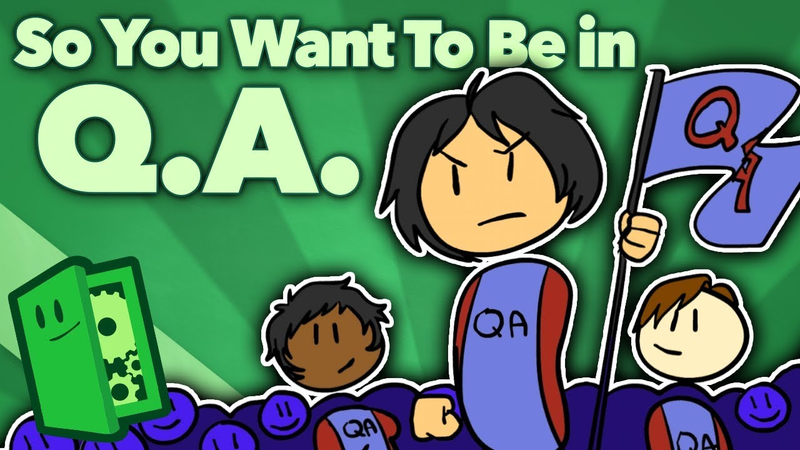
So You Want To Be in QA - The Test Chamber - Extra Credits
Quality assurance (QA) in the video game industry is frequently misunderstood as a process of aimless play, when in reality, it functions as a rigorous, scientific discipline.
- Quality assurance is a rigorous scientific discipline that requires testers to use the scientific method to isolate variables and document precise reproduction steps for software defects.
- Career sustainability in QA depends on prioritizing team culture and proximity to developers over the specific game title, as integration prevents the adversarial dynamics common in outsourced or isolated testing environments.
- The industry is shifting toward integrated testing models where developers take a more active role in bug identification, reducing the reliance on large, unskilled testing teams.

Vlog - First Day of "Work"
Transitioning into self-employment requires a structured approach to administrative tasks, physical workspace optimization, and long-term strategic planning.
- On January 8, 2018, the transition to self-employment began with a focus on navigating municipal business registration requirements, utilizing local government offices for free regulatory guidance.
- Maintaining productivity as a solo operator requires a structured daily routine that integrates physical preparation, mental priming, and the use of visual planning tools.
- To prevent early-stage overwhelm, entrepreneurs should limit their daily output to three prioritized key tasks to ensure consistent, manageable progress.