Employment reports and market data
Documents
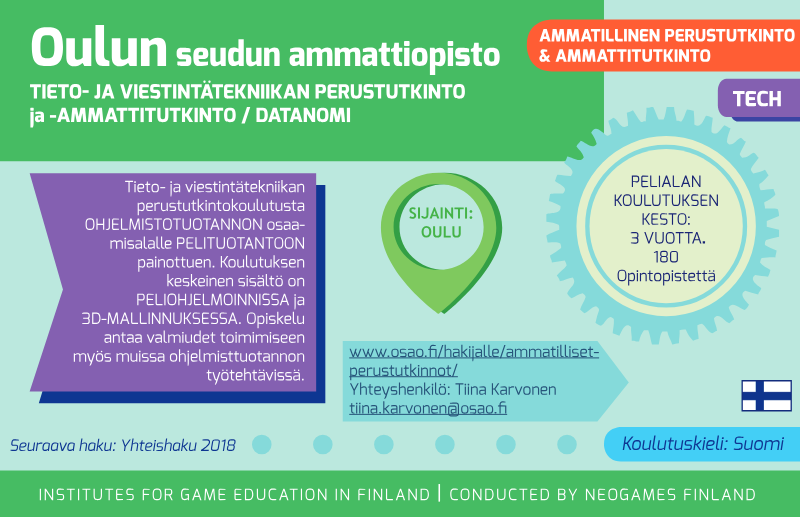
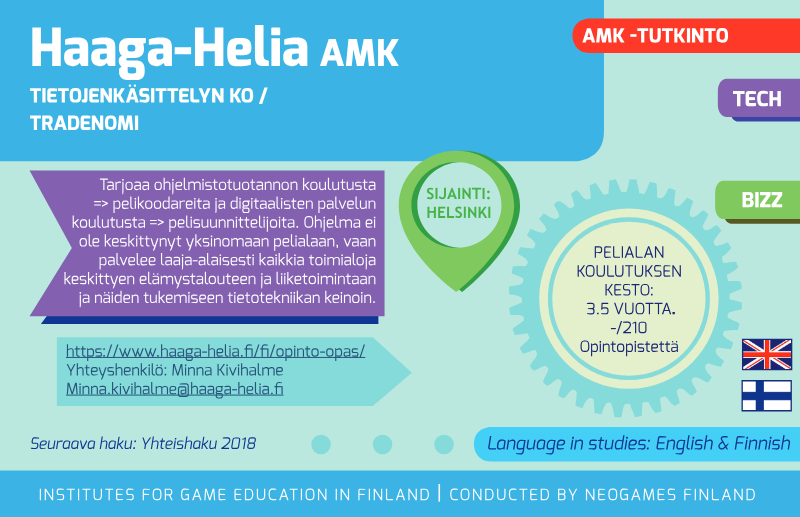
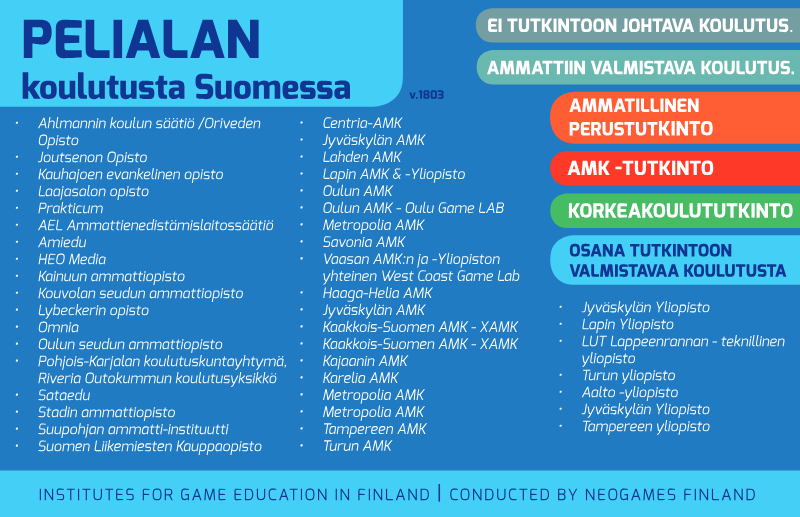
Koulutusta Suomessa
Finland maintains a robust and multifaceted educational ecosystem designed to supply the domestic game industry with highly skilled talent.
- Finland offers a wide range of game industry education, from vocational training to university degrees, including programs focused on game programming, design, art, and business.
- Vocational education (AMMATILLINEN PERUSTUTKINTO) includes programs like Datonomi, Media-alan perustutkinto (Animation and Game Industry), and Peliohjelmoija, with durations typically ranging from 2 to 3 years.
- Universities of Applied Sciences (AMK) offer Bachelor's degrees (AMK-TUTKINTO) in fields such as Information Processing (Tietojenkäsittely) and Culture and Arts (Game Design), generally lasting 3.5 to 4 years.
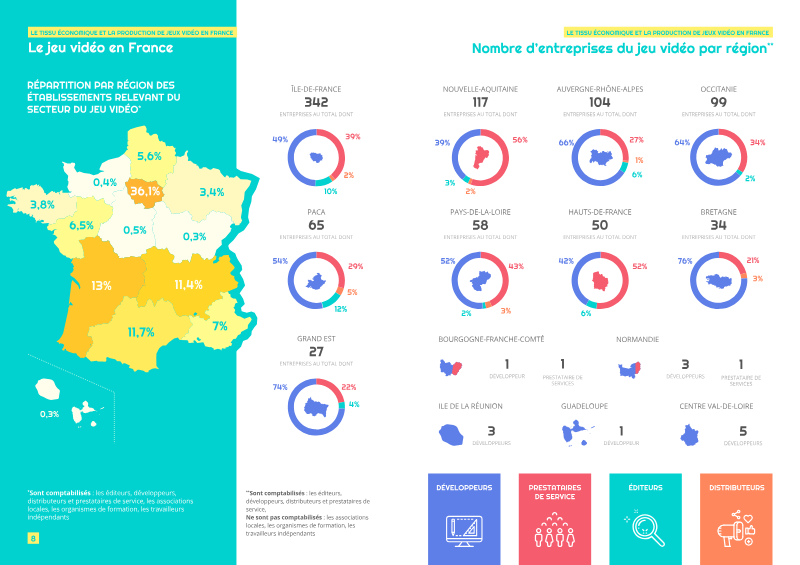
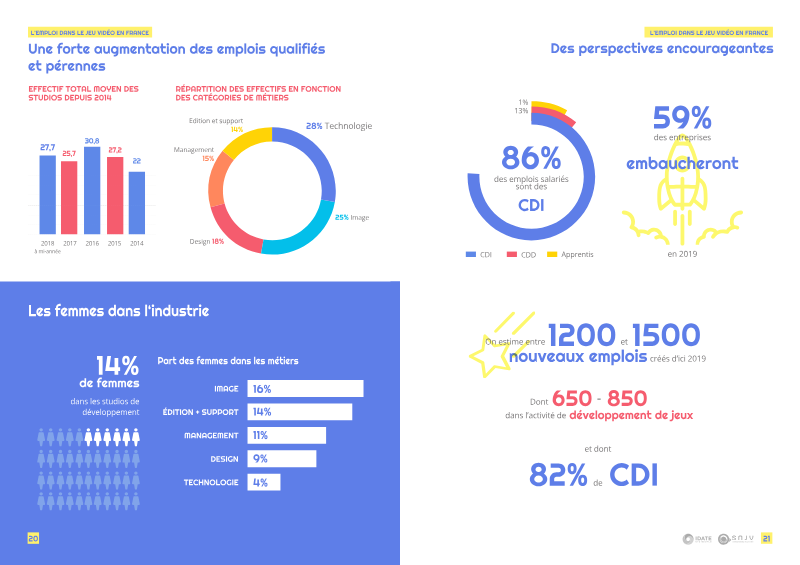

Baromètre Annuel du Jeu Vidéo en France Edition 2018
The 2018 Annual Barometer of the Video Game Industry in France provides a comprehensive analysis of the French gaming sector’s economic health, employment trends, and production landscape.
- The French video game industry is overwhelmingly independent, with 93% of studios operating independently and 56% of development studios being less than five years old.
- In 2018, the sector had 1,200 games in active development, with two-thirds of these projects representing new intellectual properties.
- Public funding is a critical pillar of the industry, with 62% of studios utilizing regional, national, or European financial support mechanisms.
The Games Monitor 2018
The Dutch games industry reached a state of accelerated maturity by the end of 2018, characterized by a shift from simple company proliferation to the scaling of existing enterprises.
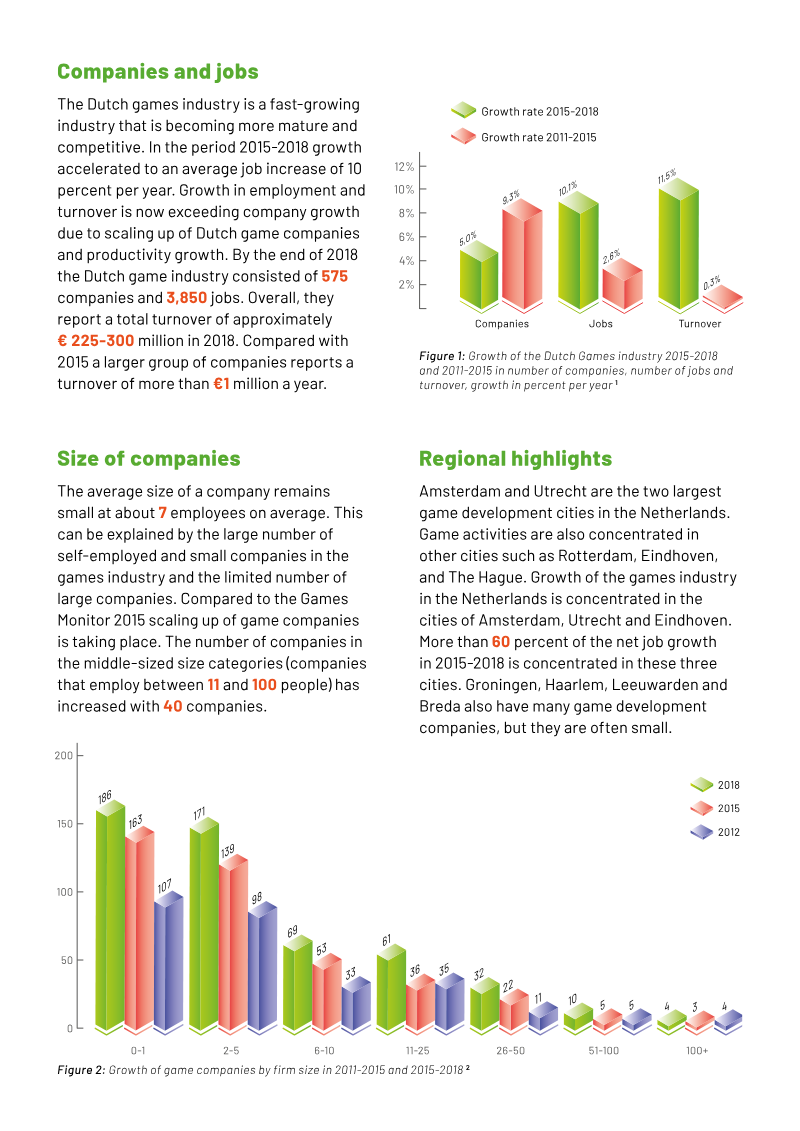
- The Dutch games industry saw a net job growth of over 60% concentrated in Utrecht, Eindhoven, and Amsterdam between 2015 and 2018.
- The total number of entertainment game companies increased by over 50 since 2015, continuing a previous trend, while the number of applied game developers stabilized at 114 companies.
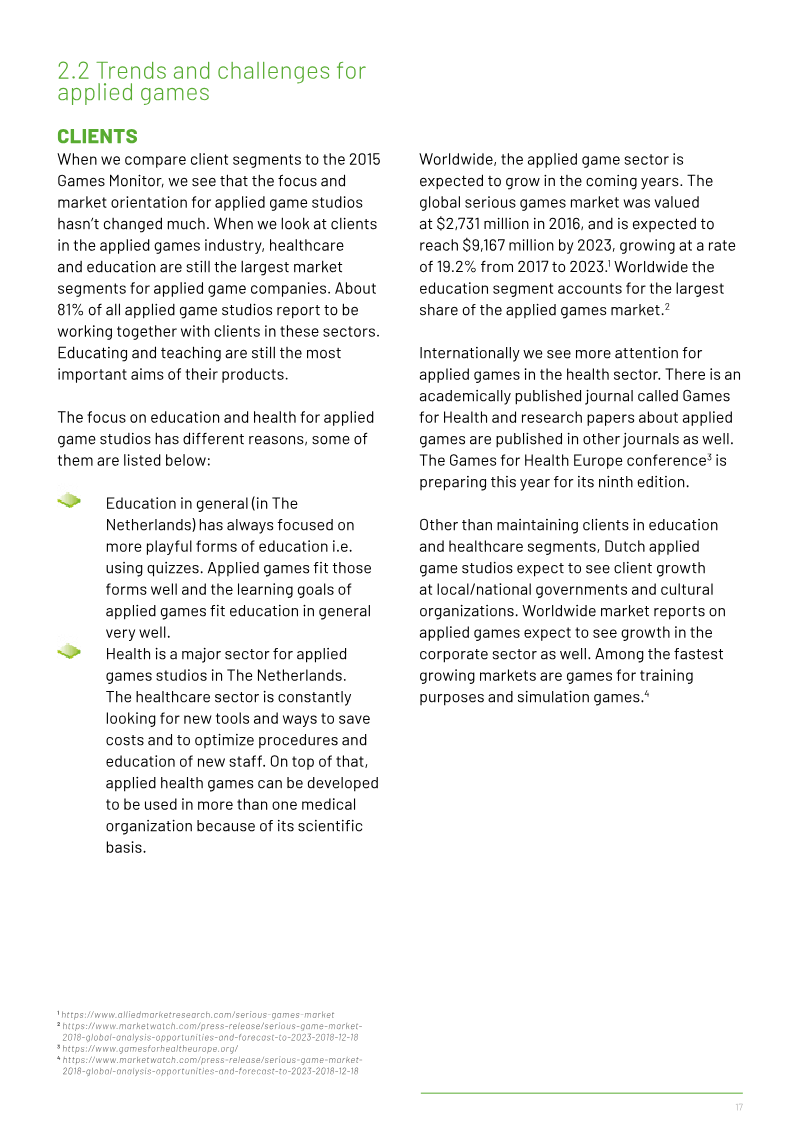
- Applied games have a strong foothold in the Dutch industry, with healthcare and education remaining the largest market segments for applied game companies, and 62% of studios working on five or more projects in 2018.
Games Monitor: The Netherlands 2018
The Games Monitor 2018 provides a comprehensive analysis of the Dutch video games industry, tracking its evolution and maturation between 2015 and 2018.
- The Dutch games industry reached 575 companies and 3,850 jobs by the end of 2018, generating an estimated annual turnover of €225–300 million.
- The sector experienced accelerated growth between 2015 and 2018, maintaining an average annual job increase of 10 percent.
- Entertainment game development expanded by 33 percent, while the applied games sector, serving healthcare, education, and government, stabilized.
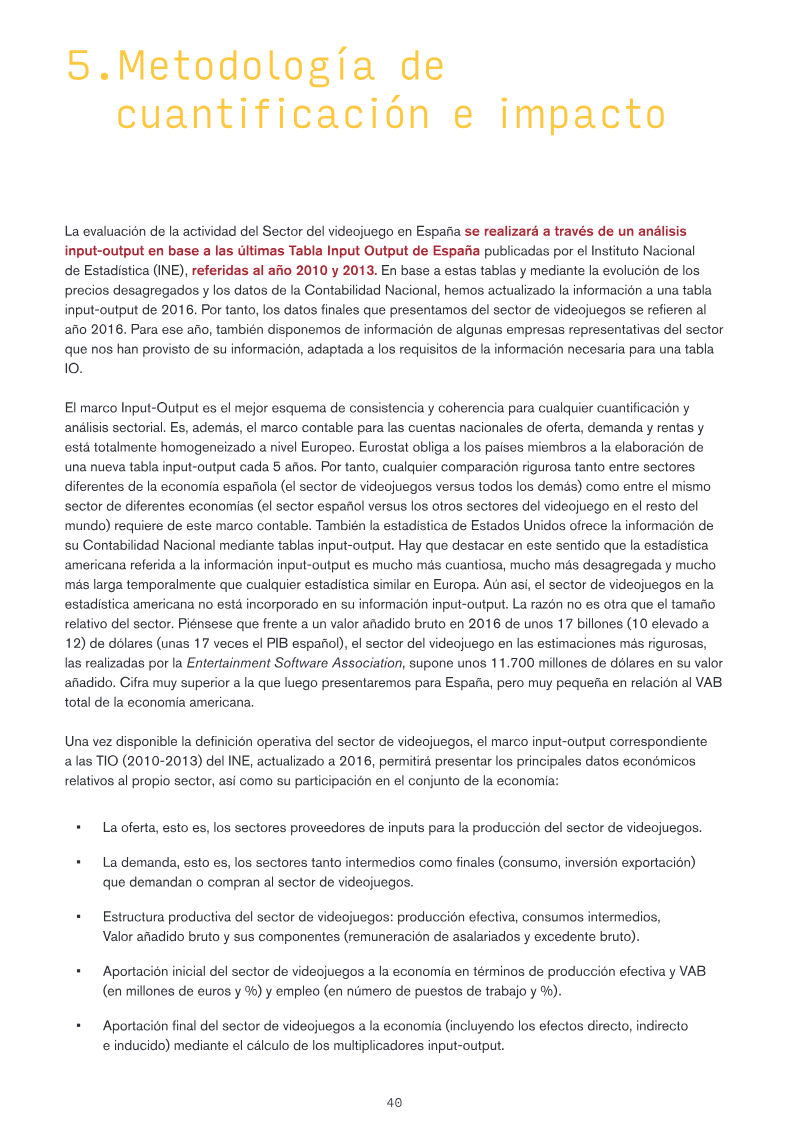
Videojuegos en España: Impacto Económico y Escenarios Fiscales
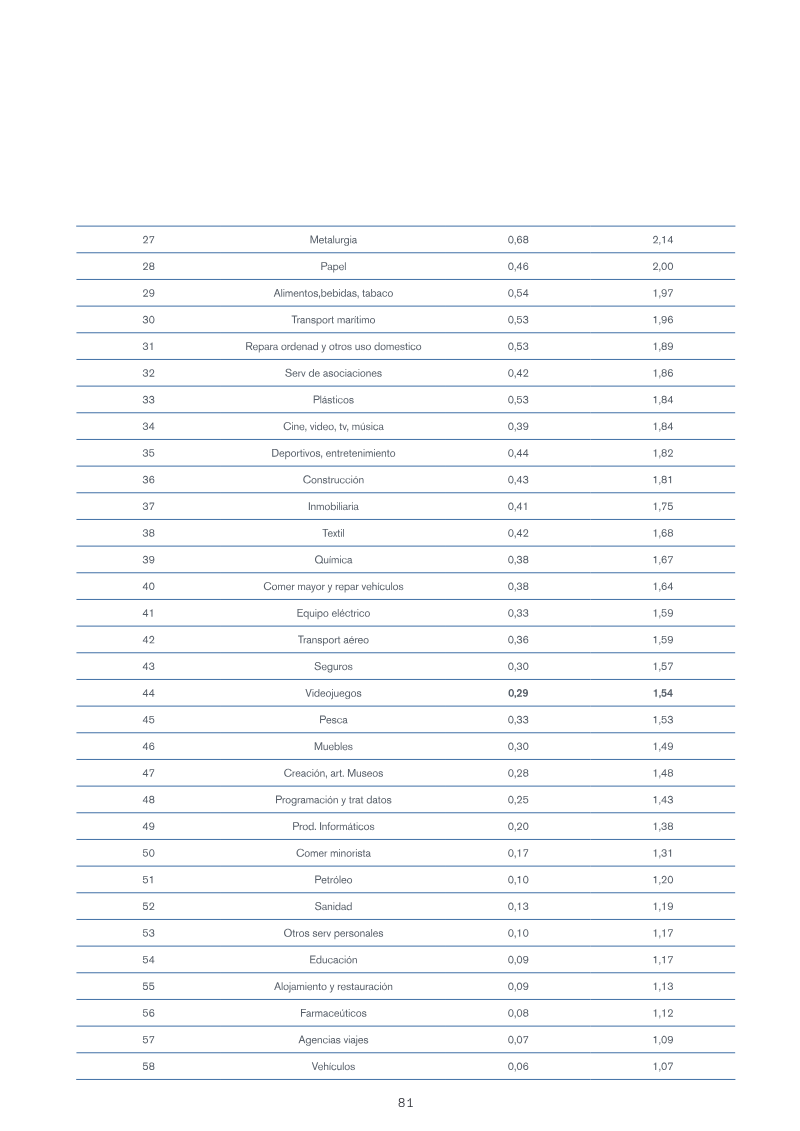
Spain’s video-game industry is presented as a dynamic component of the national ICT services sector, whose economic relevance extends far beyond direct production.
- The Spanish video game industry generates a total economic impact of €3.577 billion, with every €1 invested yielding €3 in total economic activity.
- The sector supports 22,828 total jobs when accounting for indirect and induced effects, with each direct industry position sustaining 2.6 additional jobs elsewhere.
- Implementing a tax-credit fiscal policy (Scenario E2) is projected to provide the strongest stimulus, adding €627 million in production and 4,000 full-time jobs to the economy.
There is money to be made from attending conferences
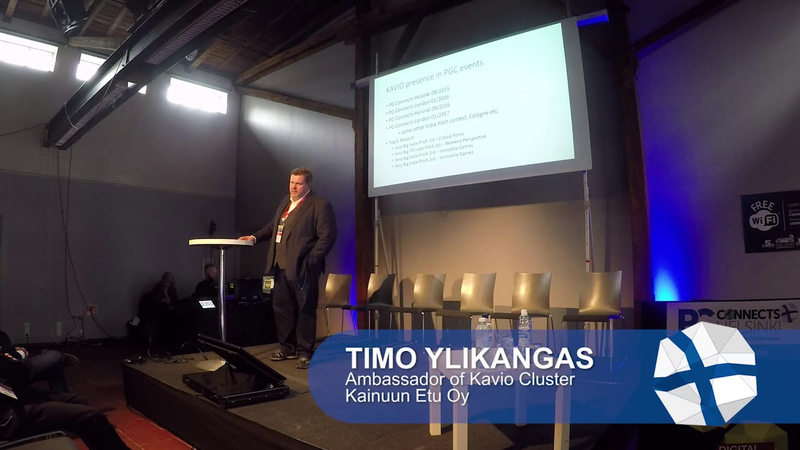
The primary purpose of this analysis is to demonstrate the tangible financial and professional benefits for game developers who actively participate in industry conferences.
- Strategic attendance at industry conferences like Pocket Gamer Connects directly correlates with significant revenue, with one regional cluster generating over 1 million euros in combined investment and contract revenue between 2015 and 2017.
- Conference participation acts as a critical pipeline for growth, where initial networking often leads to subcontracting work that builds the operational credibility necessary to secure later seed funding or publishing deals.
- International hubs such as London and Helsinki provide essential access to global capital markets, including investors from China, South Korea, and various European nations, which compensates for limited local investment options.
HR and talent acquisition
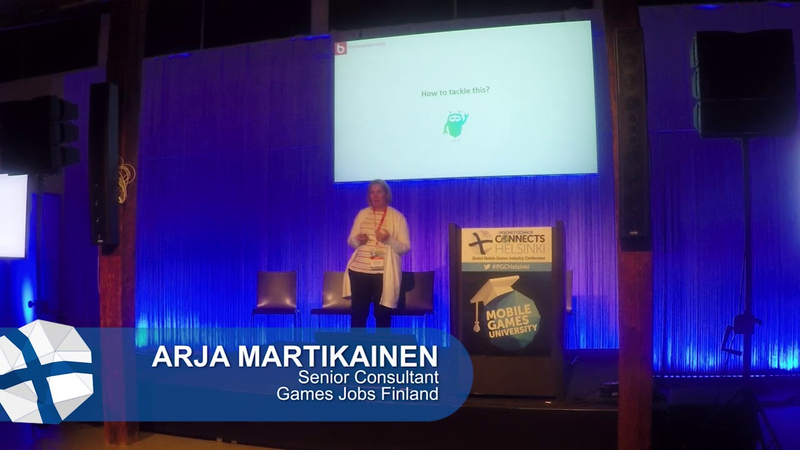
The Finnish games industry faces a significant talent acquisition challenge characterized by a mismatch between employer expectations and candidate priorities.
- A significant disconnect exists between employers, who prioritize project prestige and company reputation, and job seekers, who prioritize location, career development, and work-life balance.
- The industry faces a dual recruitment challenge: a surplus of junior applicants—with some 2D artist roles receiving up to 85 applications—and a critical shortage of senior-level talent.
- Companies struggle to fill specialized roles like producers and animators because senior talent often bypasses formal job postings in favor of personal networks.
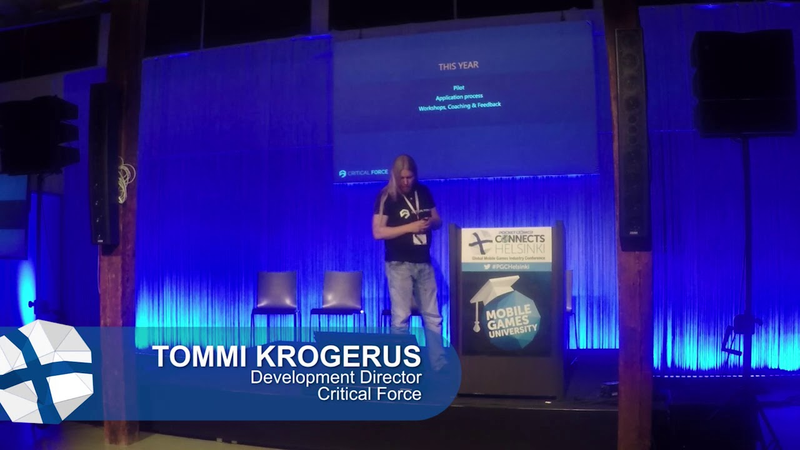
Critical Force Academy – Turning students into professionals
Critical Force Academy serves as a strategic bridge between academic game development education and the professional requirements of the mobile gaming industry.
- Critical Force Academy functions as a long-term recruitment and vetting pipeline, allowing the company to evaluate candidate cultural fit and learning agility over months rather than relying on brief interviews.
- The program bridges the gap between academic education and professional mobile game production by providing students at Kajaani University of Applied Sciences with industry-led coaching and workshops.
- The curriculum prioritizes commercial-grade production standards, specifically focusing on essential mobile development skills and UI/UX refinement to ensure graduates can contribute immediately to the market.
Swedish Game Developer Index: 2017-2018
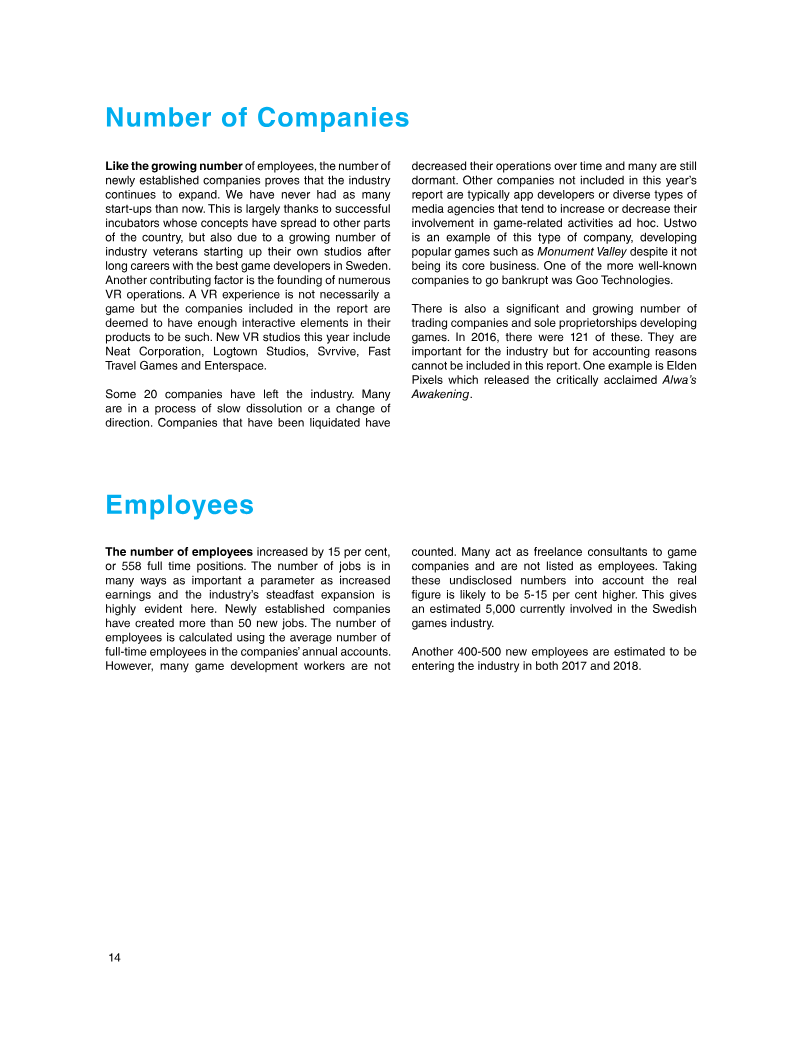
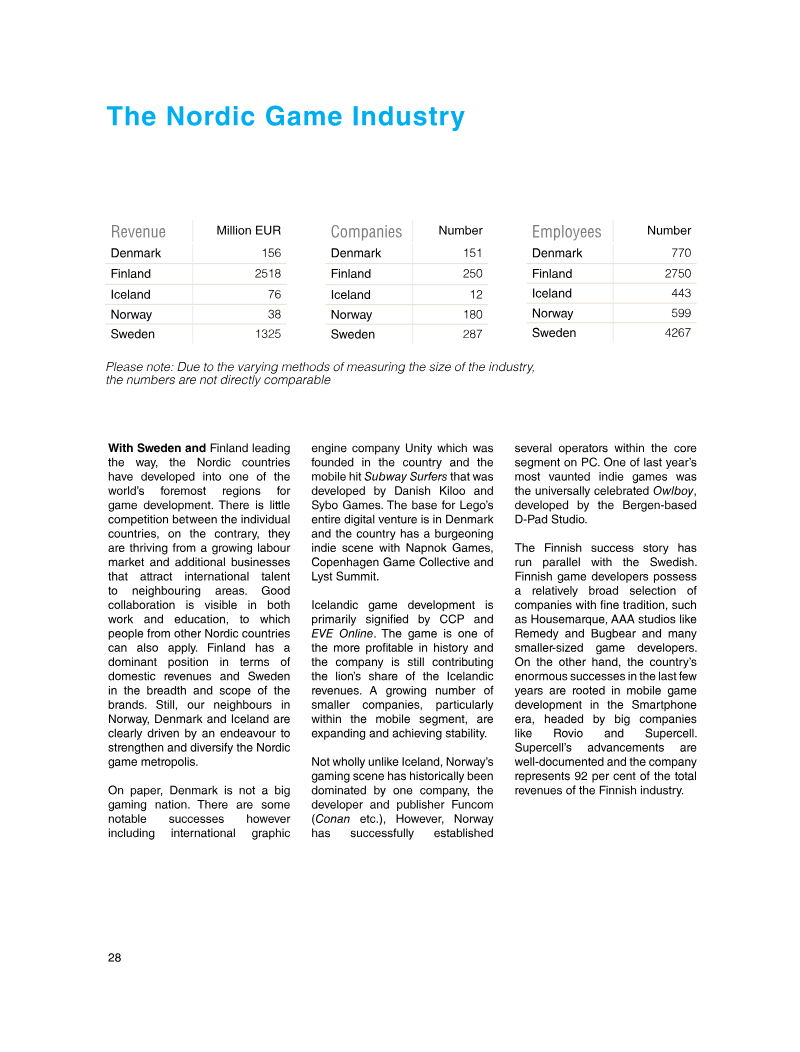
The Swedish game development industry serves as a premier global hub for digital entertainment, characterized by sustained profitability and consistent expansion.
- The Swedish game development industry reached a record annual revenue of EUR 1.33 billion by the end of 2016.
- The sector maintains a 30 percent compound annual growth rate, supported by 282 active companies and 4,291 full-time employees as of 2016.
- Between 2012 and 2016, the industry experienced a 19 percent increase in the number of firms and a 16 percent rise in full-time employment.
Autonomy, Mastery, Purpose - Building a Hyper-Engaged Team
The transition from traditional, high-crunch production models to a philosophy centered on autonomy, mastery, and purpose represents a fundamental shift in managing AAA game development.
- Shift from top-down management to a framework based on autonomy, mastery, and purpose to improve morale and efficiency in AAA development.
- Operational success is driven by a structured seven-week milestone cadence supported by three specific review processes: update, steering, and quality.
- Maintain team integrity during growth by keeping units small and cross-disciplinary, distributing work across multiple spaces or subcontractors rather than expanding individual team sizes.
How Game Developers Define Success
Professional success within the game development industry lacks a singular, universal framework, functioning instead as a subjective and evolving metric that shifts based on individual career stages and project environments.
- Success in game development is a subjective, evolving metric defined by a continuous negotiation between personal creative fulfillment and the collaborative, commercial realities of production.
- Qualitative research involving 55 game designers reveals that developers consistently balance three primary tensions: financial stability, creative agency, and the pursuit of industry-wide innovation.
- Organizational context dictates the definition of success, with independent developers prioritizing personal creative expression while AAA-environment developers focus on pragmatic, business-oriented outcomes.
Kalen Chock on Being Successful as a Freelance Artist - Episode 2 | Game Dev Unchained Archive
Professional success in the game industry is fundamentally rooted in authentic interpersonal connections and genuine passion rather than transactional networking.
- Prioritize building organic, long-term friendships over transactional networking, as genuine interpersonal connections are more effective for securing stable career opportunities than cold-messaging.
- Diversify income streams to mitigate the inherent instability of freelance work and prevent over-reliance on a single client, which protects against career-ending points of failure.
- View pro bono projects as a strategic 'professional scrimmage' for beginners to build portfolios, while ensuring such work is a calculated investment in personal growth rather than a permanent practice.