1 free read left. Create a free account for unlimited reading + AI research.
Create free account
25 tips for successful pitching and networking
Key insights
6 takeaways- 01Success in pitching and networking requires a structured message that clearly defines the problem, the solution, and the value proposition while avoiding excessive jargon.
- 02Professionals should actively seek honest, critical feedback after every interaction to refine their approach and improve future performance.
- 03Presentations must be tailored to the specific audience and context, with careful attention to timing, tone, and physical delivery to maintain engagement.
- 04Treat pitching as an iterative process rather than seeking perfection, using early, less-refined attempts to build confidence and gather actionable feedback.
- 05Effective networking is a high-volume activity that should be managed by setting specific, measurable targets for both the quantity of contacts made and the quality of those connections.
- 06Networking effectiveness is enhanced by fostering a culture of mutual support where peers proactively introduce one another to relevant professional contacts.
Ask AI about this video
Transcript
[Music] [Music] how many of you are afraid of pitching how many of you find networking very difficult okay Wow so low so you all know my name will lead and I'm managing the game executive program at Aalto University executive education but I also coach people as a hobby so I've coached people from five-year-olds to 75 year olds and I've coached people in the game industry and I've coached them outside of the game
industry so what I'm going to give you today it's based on my experience some of you who know me you can call me you you know that I'm a networking machine so I hope I can help you become at least 1% of what I am [Music] on the brochure it says 25 and I think there's more than 25 tips so I hope that you can manage and if you don't I will share the slides and if you don't keep up you can always email me or also invite me to do the coaching in your company so I've been doing I've been coaching companies in the games and outside the games too well to learn about pitching and networking in general and if any of you
have read the article list silence killing your company that's the main reason that sometimes ideas are lost so pitching is not only for startups pitching is anywhere you pitch for ideas any pitch for for insights and so on so the main point about pitching and networking is to sell something to someone not only to sell products or services for money but there's this thing called sales wheel so you sell to colleagues you sell to sponsors to friends to experts at my job I actually have to sell ideas to my manager so she can approve I have to get the best professors to come to my programs and they are very really busy so I have to kind of find the best communication method for them to at least get excited about what we're doing and so on so the only thing that is missing there is my wife she said I can't add her there
because she doesn't approve of me pitching to her but you can add your wife there if you want if she will say yes so the main reason why a five year old and 75 year old fail at pitching is that they don't know why they're pitching it's the most fundamental thing about pitching you should know why you're doing it to make it a little bit easier you should know who you're pitching and it should be very specific you should narrow it down at least on one person or a group of people when you say I'm pitching to investors is not enough some investors post MBTI to help you learn how to pitch to them so be specific and also learn about what you want these investors to do for you so I want this investor to invest 1 million euros for 25% I want my manager to approve this project and give me a budget for 6 months 5 people team 20,000 euros let's put it this way and you should know why
I like the substance that you're pitching is that the companies that a concept is a is it a game IP you should be very specific where you do that people make mistakes here by making it too complicated or pitching to two different groups usually pitching is a is a form of persuasion so this guy doesn't want to eat a doughnut ends up eating a doughnut because of the message there some people challenge that say it's manipulation but pitching is not manipulation and there are so many articles about persuasion I recommend you to to read about them networking is a process and in every stage there's a pitch so first to raise awareness then you follow up then you close a deal in Finland were very shy about closing deals it's an email away or a phone call away I don't know in the Nordics I know in the UK in America we're good at closing deals but it's just to understand that
it's a process you cannot close from the first contact and you need to be ok that not every closing is a successful closing you should be ok with the note so the relationship between pitching and networking is this like your networking is 1,000 times pitching to 1,000 different people and this is not the other saying that it's me but I like Yoda so one mistake that people do is that they want to create a perfect pitch and then they go out there I say don't do that because you waste time and by the time you have a perfect pitch the opportunity is gone so I recommend to create a shitty pitch and just go there and you learn as you go a lot of people challenge a challenge me to say okay what if I pitched an investor and lose them don't pitch to that investor pitch to other people that you don't care about find the proxy so imagine a single guy in the bar you like a girl don't to her first go pitch the five other girls first that's the logic so don't waste time on
building a perfect pitch a lot of people tell me oh I'm an introvert introverts are the best pictures because they don't talk too much like I do I usually talk too much so introverts when they learn the art of pitching and they get some courage they think about it so many times that actually deliver a good pitch extroverts they can say a lot of so but you have to excuse us because we are charismatic and we think as we go so introverts can be really good pictures this is one of my favorite slides people forget what is the role of pitching you're actually throwing a message into someone's face so when you're pitching there's two outcomes the person receives it or the person throws it away and your role there is just to understand that not everyone wants to hear your ideas or you need to find the right time to throw those ideas or just understanding that
role is important this is my favorite slide I tend to be here because I'm I could be a clown and most extroverts they they like to be super engaging super cool and introverts and shy people are on that side so the formula here is to find the balance and to push the normal side to be a little bit more interesting and engaging and the the weird sight to be credible and to be clear why is that because when you are pitching in a crazy way you lose the credibility people think like oh you cannot be trusted and there they fall asleep so you don't want them to fall asleep or you don't want them to start thinking about what what will they drink tonight or what would they watch on Netflix tonight that's the main point balance is always a good thing for both sides and your main point from pitching
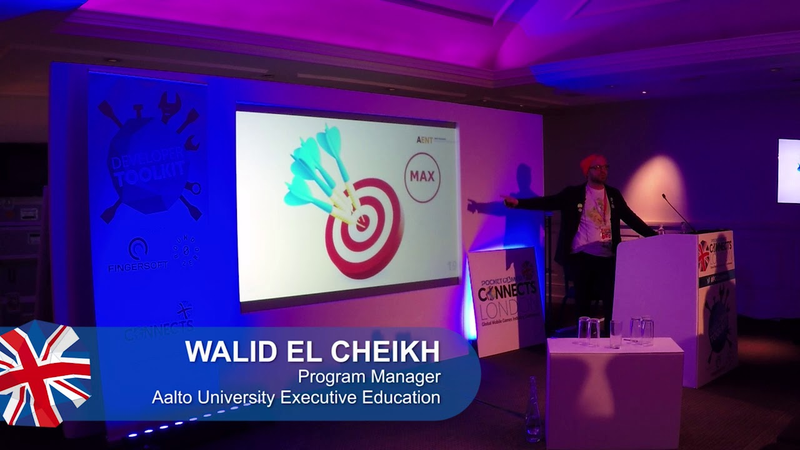
is to maximize every opportunity so there's no point pitching without the aim of getting a yes you're wasting your time even if you're pitch without preparation and you have a shitty pitch you're actually pitching to learn how to pitch get better until to get some confidence but remember my friend max he will help you maximize every opportunity and I've done a talk before that in Pocket Gamer Helsinki about the structure and about always asking so you always have to ask when you pitch some variables that affect your pitch timing is when to pitch I covered that in the previous talk so you can watch the video tone is how you look and how you sound are you speaking calmly are you showing confidence or reliability or are you dressing up properly so in some situations you need to wear a suit you need to have your hair done you need to make up so it's the tone is what people see about your presentation time is to
speak just enough not too long not too little if you speak too long you end up losing because you might have said too much and if you speak too little you just wasted time because the people leave without thinking that they got the full picture they think like oh there's something about this I don't feel it and content is really important there's three elements in the content there's the physical technical and emotional you need to balance these three the physical is the words the technical is the jargon like LTV CPI too much jargon makes it weird and unclear and remember to show some passion you know when I pitch I really enjoy it when I sell I really love it because I believe that when I pitch I help people I help them get some value from what I'm doing if you don't believe in it change and if you believe
in either you don't show enthusiasm it's the content is not balanced so you don't maximize it there's a structure I covered this in the previous talk this is not the Bible but this works the punchline after high it's important because people have a short attention span so you have to have a very clear punchline problem-solution values it's about the product product business model team traction is about the business always remember to ask always end with the thank you especially if you're on stage I covered this in the last talk so you can actually watch the video when you're pitching a complex product you make mistakes by being unclear so on the left side I call this Mona Lisa I ask my students to to draw a frame and then to
draw a car so here is a good example of a company that's a game company Rovio so they're pitching let's say the whole company when they need to preach Angry Birds so you need to know if you're pitching the wheel or the whole company or you're pitching an electric car or a normal car so in that situation you need to specify and differentiate so how different is this car and what is what kind of a car is it and then the other one is kind of a software a complex game you need to simplify it in a few sentences explain for example this is an Airbnb for for whatever or this is a game multiplayer game for like running multiplayer game and so on I've always people always ask me how long a pitch should be I say between three minutes and one hour three minutes is the standard on the stage for example now I'm doing a 15-minute talk but you can
have a pitch up to one hour so the structure that I showed you you can expand it thirty Seconds pitch because you need to pitch all the time too many people like 1000 people 1000 times I need to have one sentence that summarizes what you do so there's no one answer like how long it is you should adapt to every situation and every place and every audience practice that's the only way you will get confidence that's the only way you'll learn about pitching and networking if you sit at home and you want to learn about pitching you will never succeed if you if you really try you have a bigger chance that that's the only way you know when I do my workshops I make people pitch 15 times and then they go on stage and they rock not in Slovakia but in all the other places I've coached in Slovakia and didn't work I don't know why finns are shy but they
always deliver on the stage in slovakia there may be shy about English but I'll fix that I'll go there again but you know people ask me or tell me that our I'm afraid to pitch or I'm afraid to speak in public the first time I talked I flunked the second time the third time now I'm so comfortable about it I'm hangover we stayed till 5:00 a.m. and I still can do it so I so the point is with practice you'll get not only confidence but you'll learn what you're good at and what you're not good at one important element about pitching is listening so when you pitch to people pick those who will give you the honest brutal feedback and you improve when you're going how much time do I still have okay push versus pull so there are many strategies to pitch this is
strategy in selling also like when you push you're actually showing all the benefits and you're asking them to buy right here right now you're you have a big brand and you need the volumes when you're pulling you're actually waiting for them to come to you and pulling is usually more effective if you have new high quality product so you how different and special they are so these are just techniques I recommend you to also explore this more like read more about push versus pull because you can apply those strategies and pitching storytelling is important so for example when I told you about my wife I had a point now I made my wife watch Mad Max 2 and she had to make me watch this chick flicks nine times yay beer so for me it was a success because if you remember that networking and pitching is a process and you need to pursue it so I told her like oh we watched Twilight and all these other
chick flick movies and it's time to watch Mad Max she hated it but about her candy and popcorn and and coca-cola and I told her like hey how about this time we watch a movie that I want it was a huge success because we did something I liked for once and you know she's a lawyer she's she always wins with her arguments and for me it was it was a great thing because I actually use that on daily basis I use it at work I use it at home and storytelling in this case like how do you convey this thing how do you and these are just tips to get a to pitch better so it's like level 4 of pitching if you have the structure if you are confident if you practice enough you can then throw a few stories improvisation is important so I recommend that you do some courses in improvisation it really helps and it's not acting it's just what do you do for
example if the mic is not working what do you do if something goes wrong this is my favorite thing this is a something I recommend everyone to do for any conference quality is important but quantity is also this is a networking situations like now I set a target to meet 100 people so this includes you guys so maybe 50 guys now here checked you met me and I also it's true and I also set a target that I meet five quality contacts in from my London and that's how I sold it to my manager I said like hey I'm gonna meet five potential clients or five potential partners before I come back to Helsinki so set clear targets before any mission not only knowing why but set targets and quality and quantity because the more people you meet the more you you have an opportunity to maximize this whole journey and even if you meet someone who
is not good enough give them some attention but know how to leave that situation if you remember the time don't stay too long maximize it and always help each other so I have a net here we are help we always help each other and we use this like have you met Ted have you met this have you met that and it really works like especially with people who know you and who know what you're doing and if they meet someone they will help you they will pitch for you so I learned her pitch and she learned mine somehow and this is annum so I'm gonna set a challenge for you guys to arrange three introductions to other people so try to do that and ask me to help you also so thank you [Applause] [Music]
[Music]
Summary
Effective pitching and networking are essential professional skills that extend beyond securing funding to include selling ideas to colleagues, managers, and partners. Success in these areas requires a clear understanding of the objective, the target audience, and the desired outcome. Rather than striving for a perfect pitch, which can lead to missed opportunities, professionals should embrace a process of iterative improvement, using early, less-refined pitches to gain confidence and gather feedback.
The core of a successful pitch lies in balancing credibility with engagement. Presenters must avoid excessive jargon and overly complex narratives, instead focusing on a clear, structured message that highlights the problem, the solution, and the value proposition. Whether the pitch lasts thirty seconds or an hour, it must be tailored to the specific audience and context. Key variables such as timing, tone, and physical delivery—including body language and enthusiasm—are critical to maintaining the audience's attention and ensuring the message is received.
Networking is described as a high-volume process that functions as a series of individual pitches. To maximize results, individuals should set specific, measurable targets for both the quantity of people met and the quality of connections made. Introverts often excel at this by leveraging their tendency toward careful preparation, while extroverts can benefit from focusing on clarity and structure. Ultimately, the most effective approach involves consistent practice, active listening, and the willingness to seek out honest, sometimes brutal, feedback. By treating every interaction as an opportunity to refine one’s approach and by fostering a culture of mutual support where peers introduce one another to relevant contacts, professionals can significantly increase their chances of achieving their goals.





















Comments