Employment reports and market data
Documents
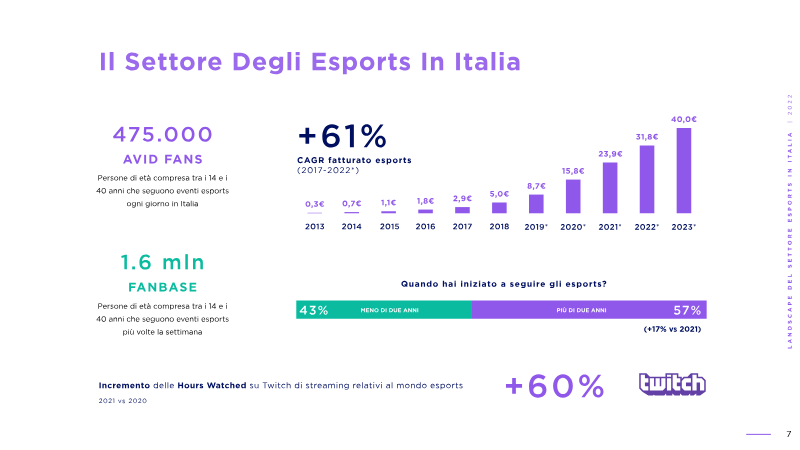

Landscape del Settore Esports in Italia 2022
The 2022 landscape analysis of the Italian esports sector provides a comprehensive evaluation of the industry’s economic impact, stakeholder perceptions, and market growth.
- The Italian esports sector generated a total economic impact of 47 to 51 million euros in 2022, marking a 4% year-over-year increase.
- Direct economic impact reached 38 million euros, with esports teams accounting for 55% of that total, while indirect impact exceeded 10 million euros, driven primarily by publishers at 64%.
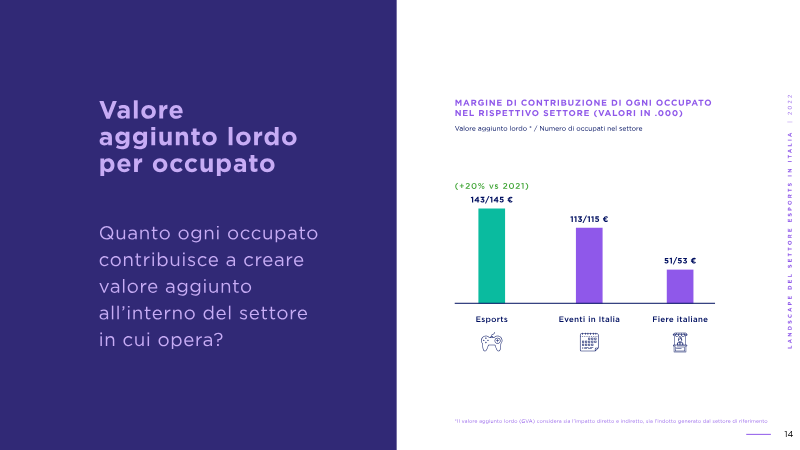
- The industry exhibits high operational efficiency, with a value added per employee ranging from 143,000 to 145,000 euros.
Developer Satisfaction Survey 2021: Diversity in the Game Industry - Regional Snapshots
The global game industry faces persistent challenges regarding diversity, equity, and inclusion, with experiences varying significantly across North America, Europe, and the Nordic countries.
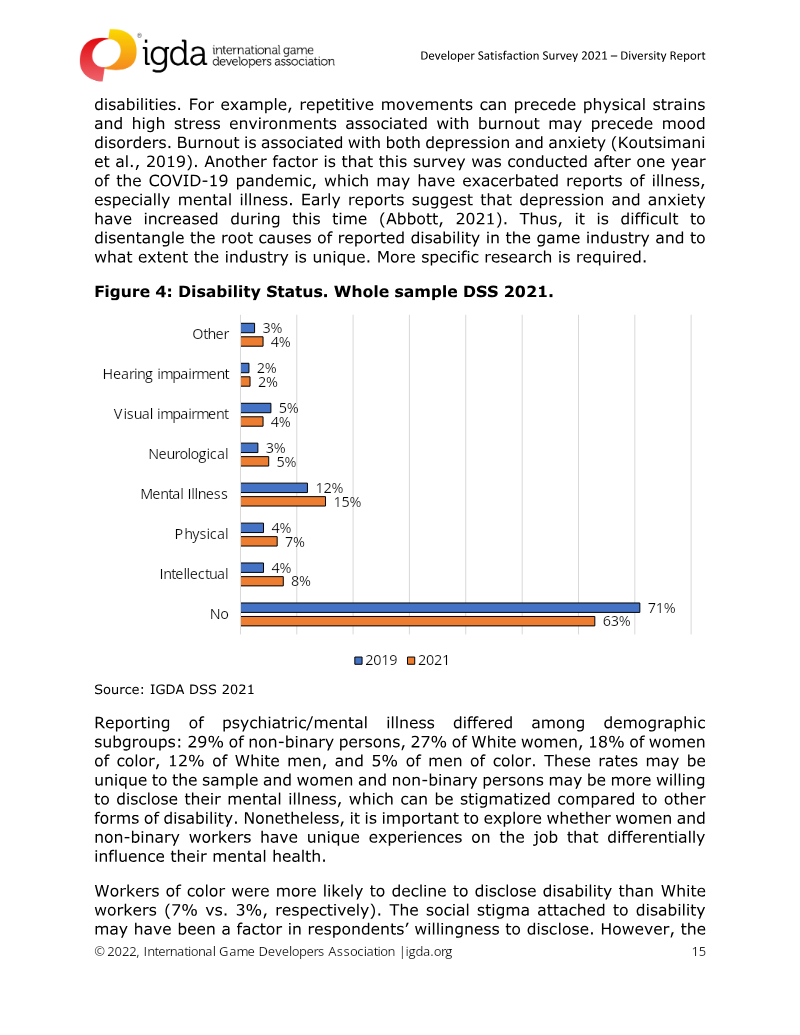
- Despite a global consensus that diversity is a critical priority, a majority of game developers report that their workplaces still lack equal treatment and opportunity.
- Developers with disabilities face the highest levels of systemic inequity across all regions, indicating a failure of both corporate and government-backed support models to provide inclusive environments.
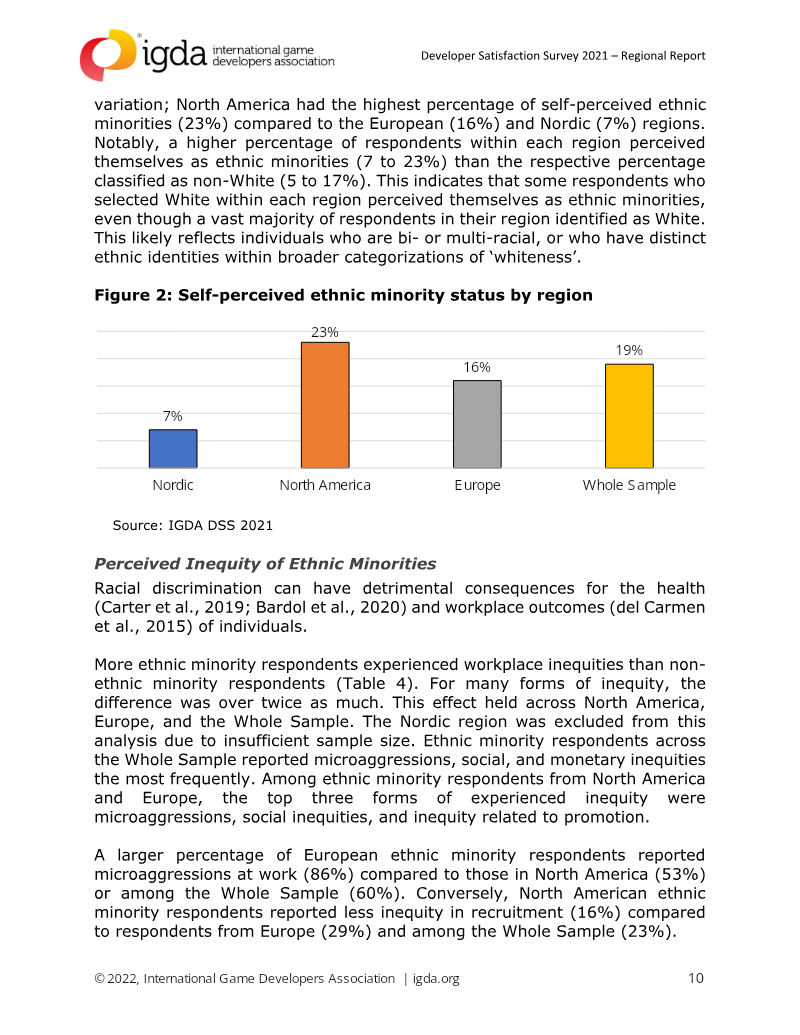
- North American developers, particularly women and ethnic minorities, report higher frequencies of microaggressions and workplace inequity than their European and Nordic counterparts.
Developer Satisfaction Survey 2021: Diversity in the Game Industry Report
The global game industry faces a persistent disconnect between its stated commitment to diversity and the lived experiences of its workforce.
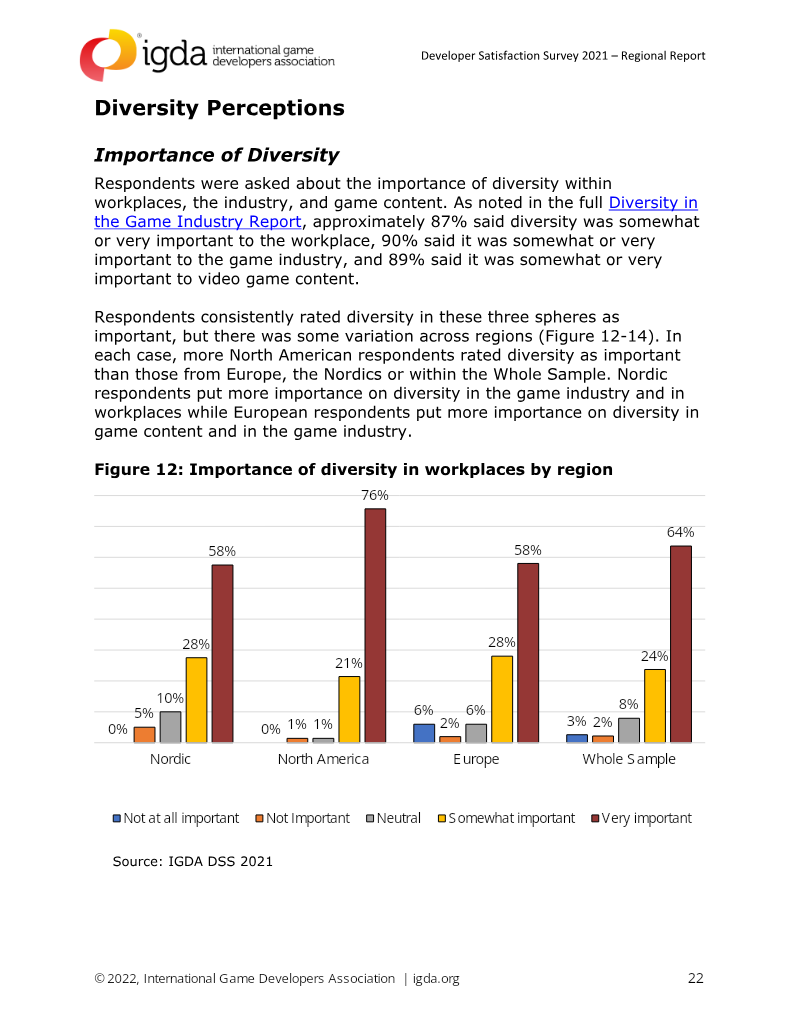
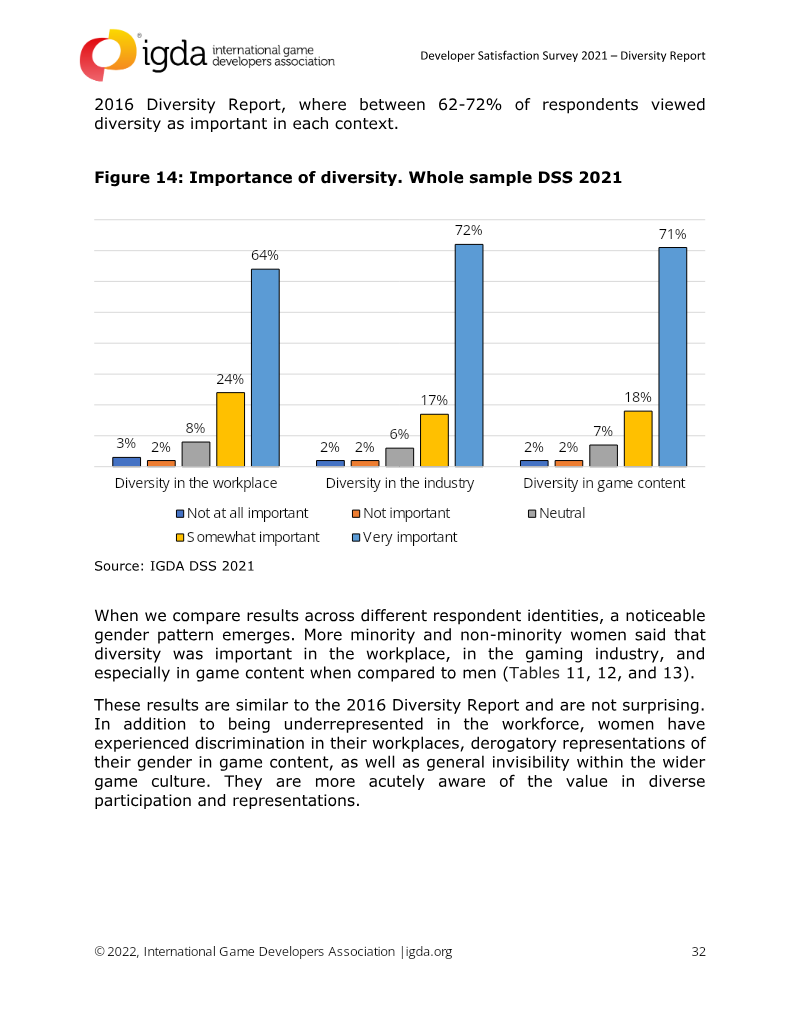
- While 90% of developers acknowledge that diversity is essential for industry innovation, the sector remains predominantly white and male, particularly in senior management and high-earning technical roles.
- 74% of surveyed developers report a lack of equal opportunity, indicating that current diversity-focused policies are often perceived as ineffective or are unknown to staff.
- Occupational segregation persists, as women and developers of color are disproportionately represented in precarious, freelance, or part-time roles rather than stable, high-level positions.
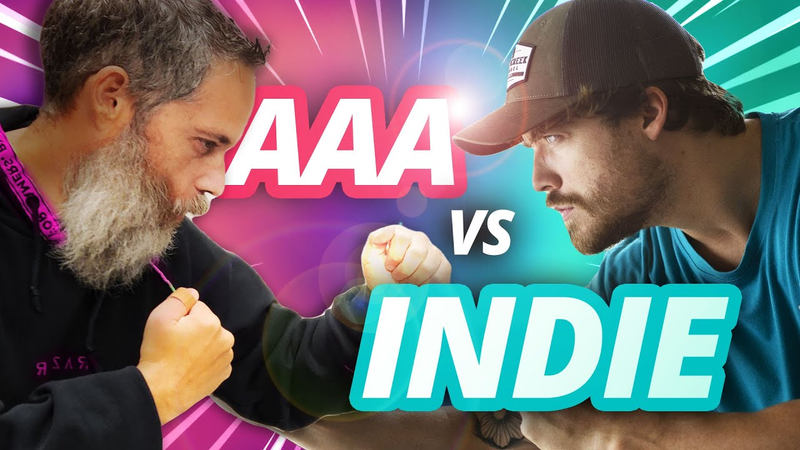
Indie Game Developer VS. AAA Developer: Which Path Is Right For You?
The game development industry offers two distinct career trajectories, each defined by unique operational scales, professional expectations, and risk profiles.
- AAA development involves large-scale production teams of 50 to 400 people and multi-million dollar budgets, prioritizing specialized, siloed roles over individual creative autonomy.
- Indie development requires an entrepreneurial approach where developers must balance core technical tasks with marketing, community management, and business operations.
- AAA studios offer greater job security and consistent salaries, whereas indie development is a high-stakes, autonomous path that demands significant self-reliance.
Don't Quit Your Job To Make Games
Transitioning into a full-time career as an independent game developer requires a calculated, risk-averse approach rather than impulsive career changes.
- Maintain a financial safety net of six to twelve months of living expenses before transitioning to full-time independent game development.
- Prioritize building a track record by releasing several smaller, lower-stakes projects to gain technical proficiency and design experience before attempting a flagship title.
- Develop a high-quality, hyper-polished prototype to serve as the primary evidence of competence when pitching to publishers or crowdfunding platforms.

Motherhood in the Game Industry
The game industry faces a critical retention crisis driven by systemic failures to support working mothers and caregivers.
- Maternity leave in the game industry often creates invisible career hurdles, as missing a project's ship date can result in a lack of credits, reduced promotion opportunities, and a perceived decline in capability.
- Large companies like Riot Games provide structured, fully paid leave (e.g., 18 weeks), whereas smaller studios or startups often lack the capital to offer comparable benefits, sometimes forcing founders to take as little as one month of leave.
- Normalization of parenthood in the workplace requires leaders to openly discuss their children and boundaries, helping to dismantle the stigma that parenting is a distraction from professional performance.
UK Games Jobs Summary: November 2022
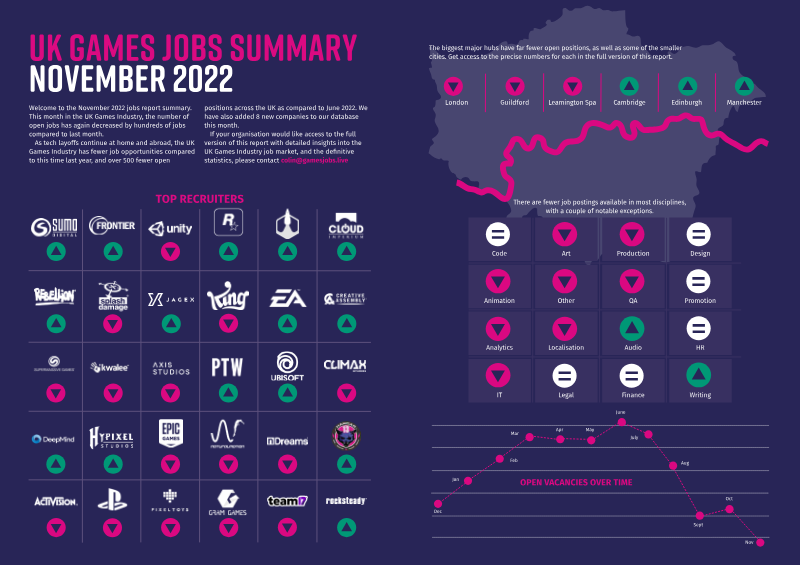
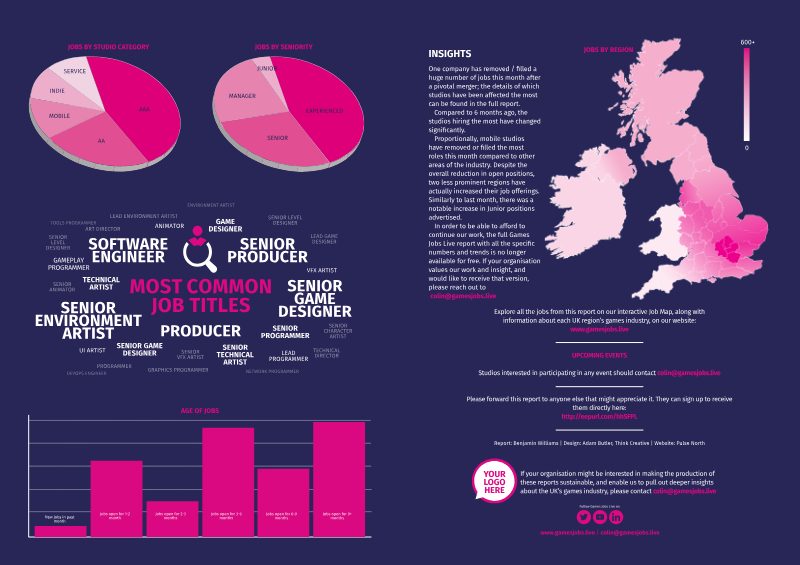
The United Kingdom games industry experienced a notable contraction in recruitment activity during November 2022, continuing a downward trend observed throughout the second half of the year.
- UK games industry recruitment contracted significantly in November 2022, resulting in over 500 fewer open vacancies compared to June 2022.
- Mobile studios experienced the highest proportional reduction in job postings, largely driven by the completion or cancellation of roles following corporate mergers.
- Despite the broader market decline, the industry added over 600 new job postings during the month, and the total number of tracked studios grew by eight companies.
Partying Makes You Poor (Motivation For Entrepreneurs)
The pursuit of long-term professional success and entrepreneurial stability requires a strategic reallocation of time during one's twenties, a period characterized by peak physical energy and cognitive drive.
- Entrepreneurs should prioritize building foundational business assets and financial security during their twenties to leverage peak physical energy and cognitive capacity.
- The transition into one's thirties typically introduces increased family and financial responsibilities that significantly reduce the capacity for high-risk professional experimentation.
- Aspiring developers should replace social validation-seeking behaviors with the cultivation of relationships involving mentors and peers who possess superior skills and ambitious visions.

Force Multipliers: Longterm Design Careers for Non-Leads
Career progression for game designers often follows a traditional path toward people management, yet a more sustainable and impactful trajectory exists for those who remain individual contributors.
- Senior designers can achieve high-impact, long-term career growth as individual contributors by evolving into 'force multipliers' who focus on systemic vision and process ownership rather than people management.
- True seniority is defined by the ability to act as a cross-disciplinary connector, creating standardized tools and workflows that increase the efficiency and speed of the broader development team.
- The first four years of a design career should be dedicated to mastering core competencies, after which advancement requires a deliberate pivot toward architectural planning and technical versatility.

You Have to Stop Working, Even When You Can't Stop Working
The game industry faces a pervasive crisis of burnout, driven by a culture that frequently conflates personal self-worth with relentless productivity.
- Long-term creative success in the game industry requires systemic changes that prioritize human dignity and mental health over the unsustainable pace of constant development.
- Studio leadership must mandate structural boundaries, including strict 40-hour work weeks and mandatory breaks every four months, to mitigate the pressure of constant availability.
- To prevent time zone slippage and exhaustion, studios should adopt asynchronous communication workflows and enforce rigorous production schedules.
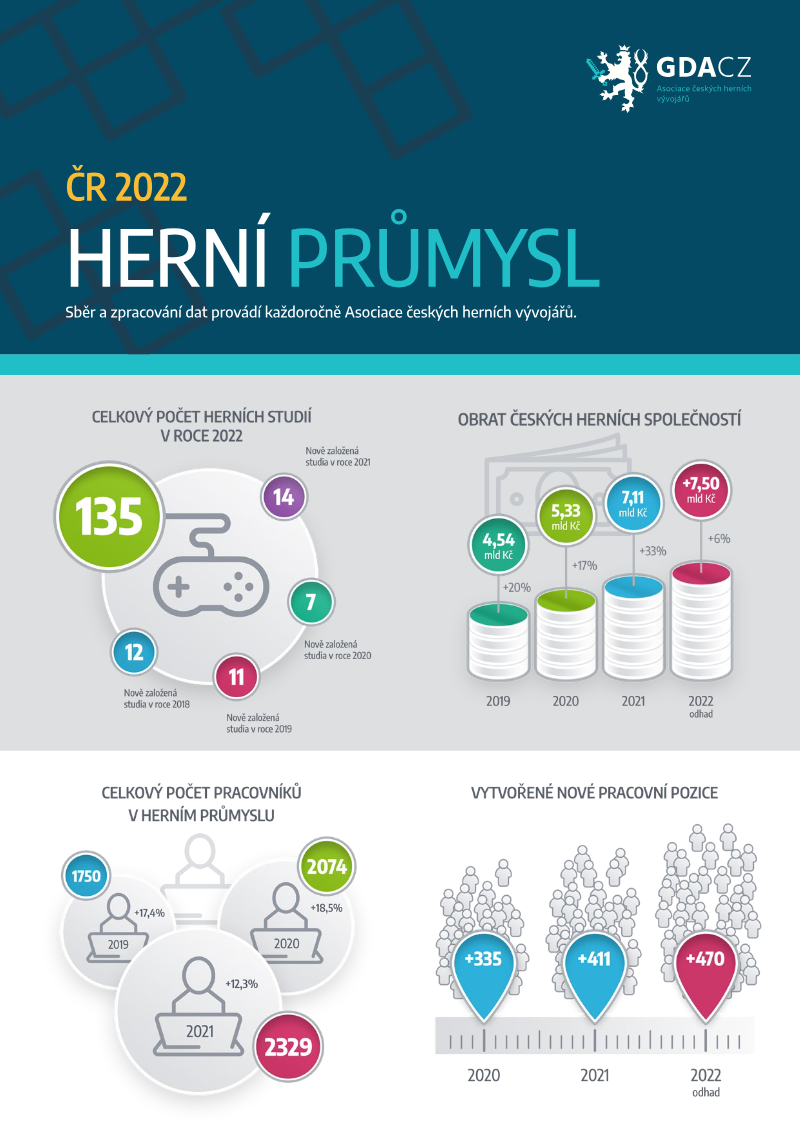
Herní průmysl ČR: 2022
The Czech game development industry demonstrated robust growth and structural maturity throughout 2022, characterized by a steady expansion of the studio ecosystem and significant financial performance.
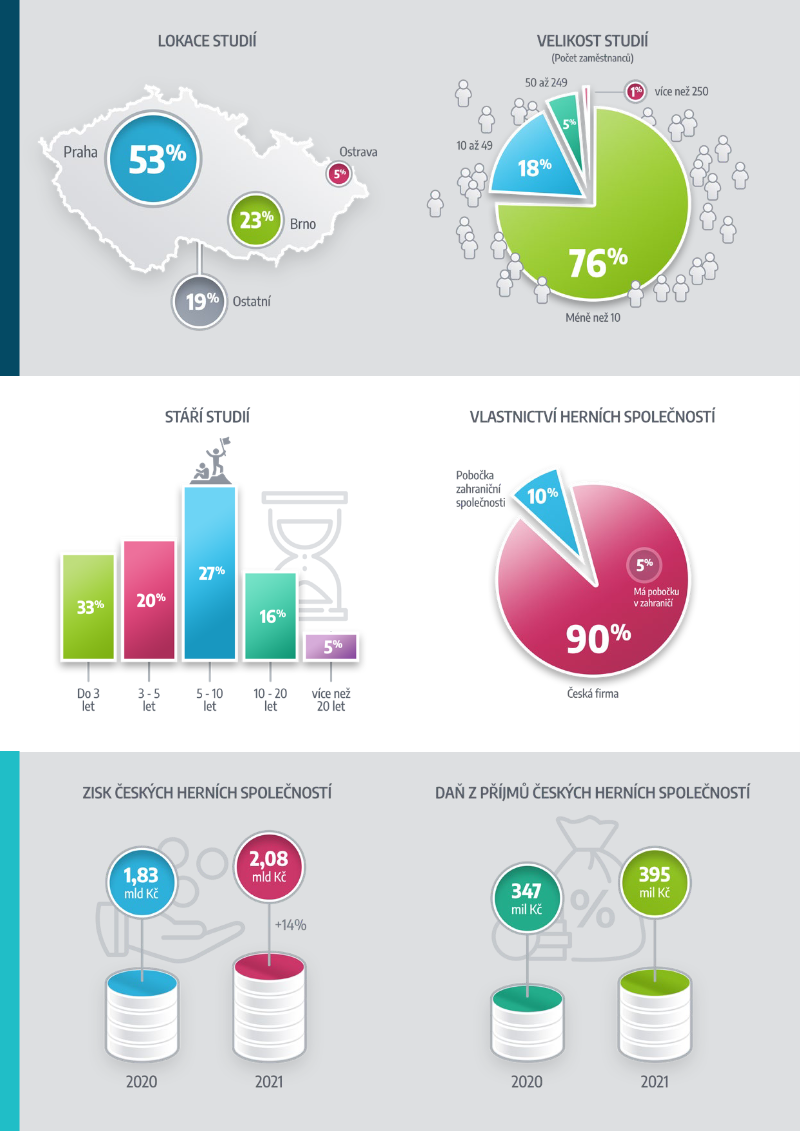
- The Czech game industry generated 2.08 billion CZK in total revenue in 2022, representing a 14 percent increase over previous periods.
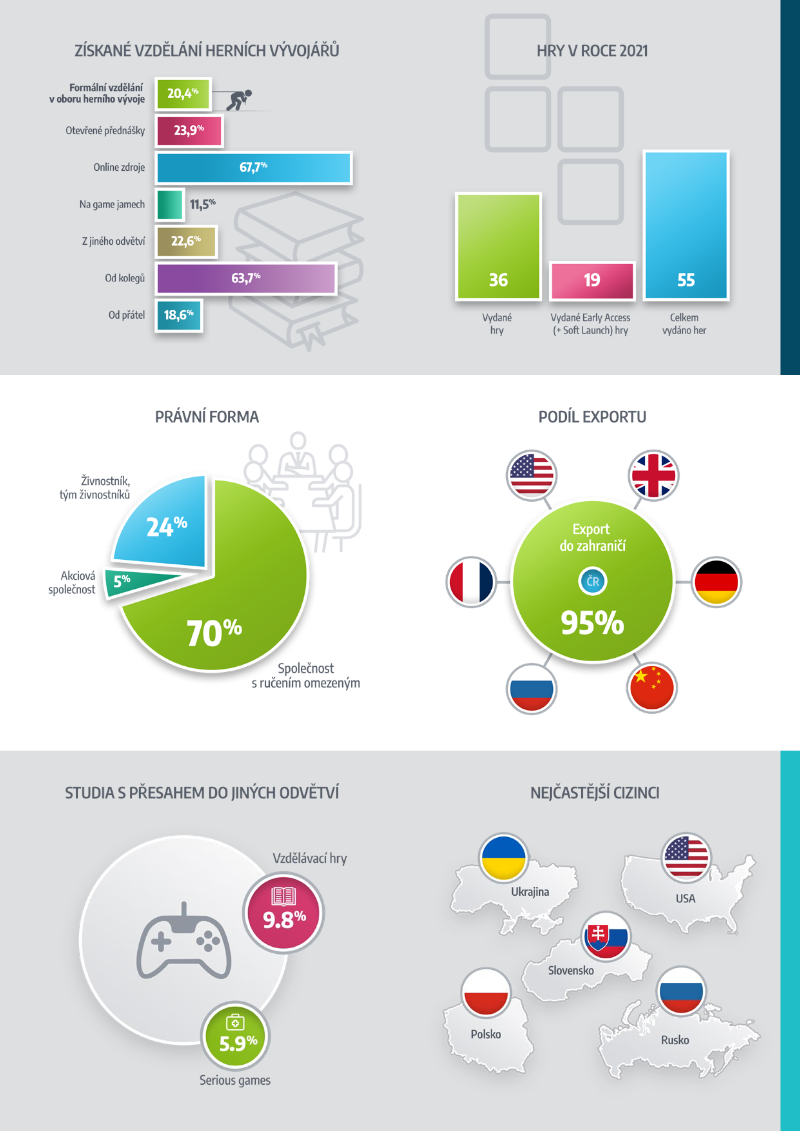
- The sector is highly export-oriented, with 95 percent of the 135 active studios generating revenue from international markets.
- The industry is dominated by small-to-medium enterprises, as 76 percent of studios employ fewer than 10 people.
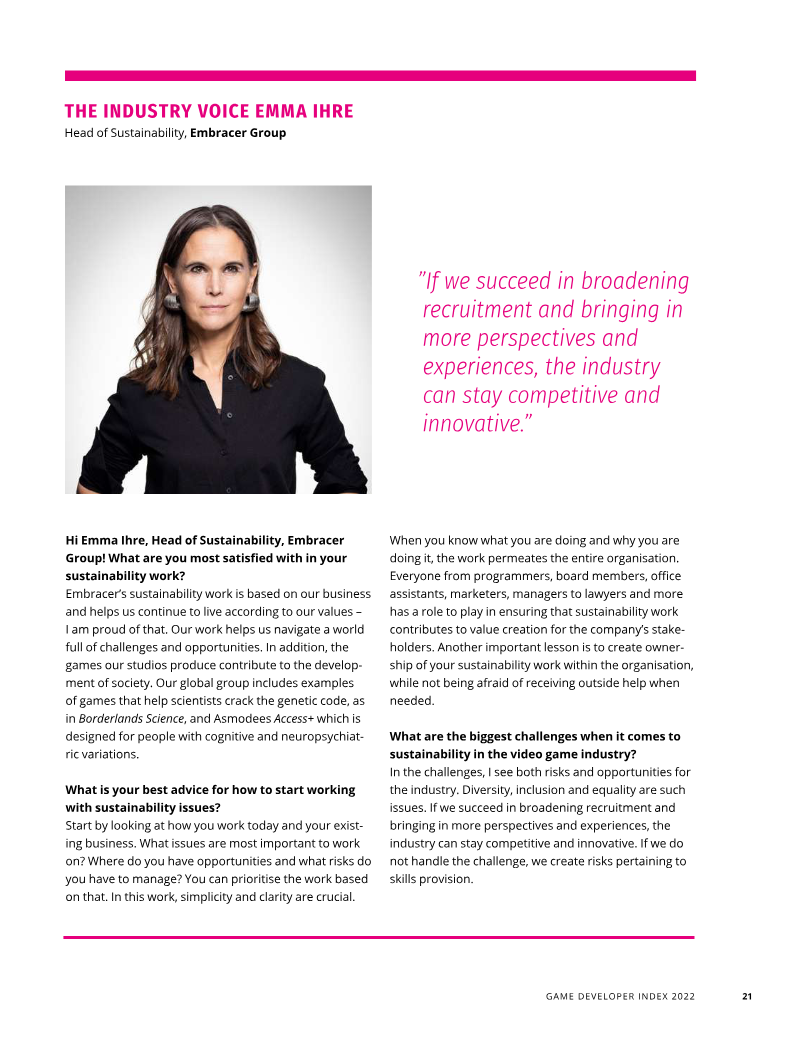
Game Developer Index: Sweden 2022
The Swedish games industry underwent a period of rapid expansion in 2021, characterized by a 22% increase in domestic revenue to €2.7 billion and a 43% surge in global revenue to €5.8 billion.
- The Swedish games industry experienced significant financial growth in 2021, with domestic revenue rising 22% to €2.7 billion and global revenue surging 43% to €5.8 billion.
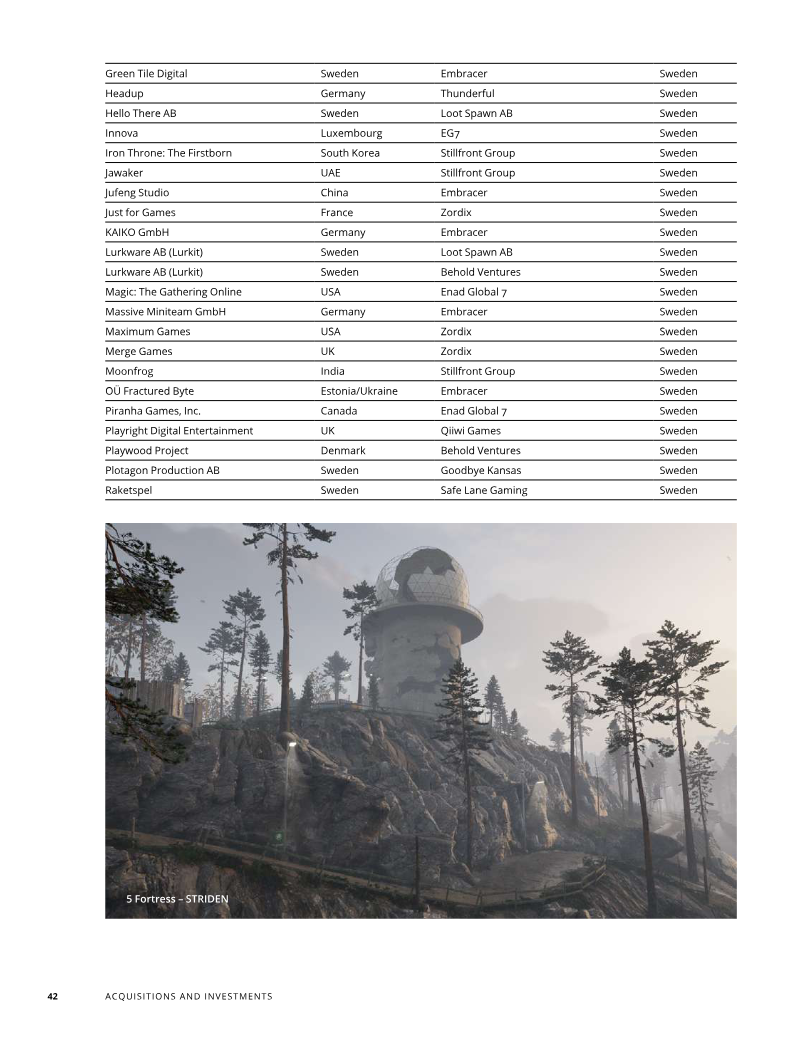
- Driven by 81 international acquisitions led by groups like Embracer and Stillfront, Swedish-owned entities now operate 197 studios across 49 countries, employing approximately 28,000 people globally.
- Swedish-developed titles maintain a massive international reach, with an estimated one in four global players engaging with these games and Swedish-associated content accounting for 6% of all Twitch watchtime in 2021.