1 free read left. Create a free account for unlimited reading + AI research.
Create free accountReport International Game Developers’ Association
1 free read left. Create a free account for unlimited reading + AI research.
Create free accountReportInternational Game Developers’ Association
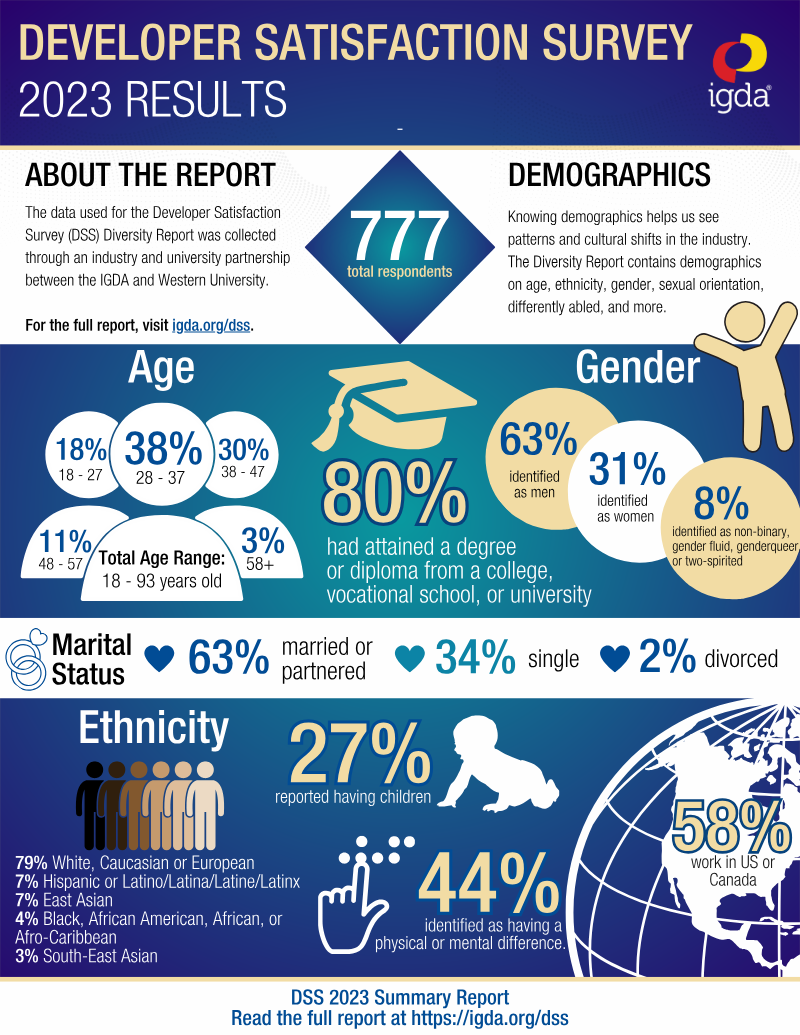
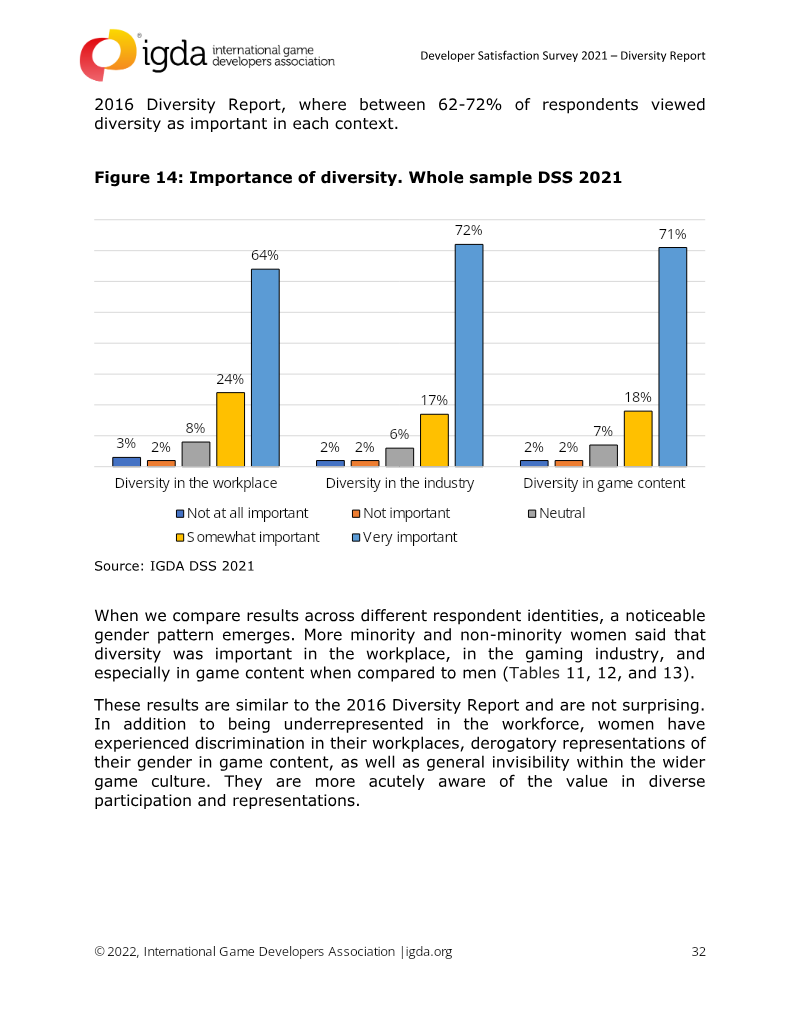
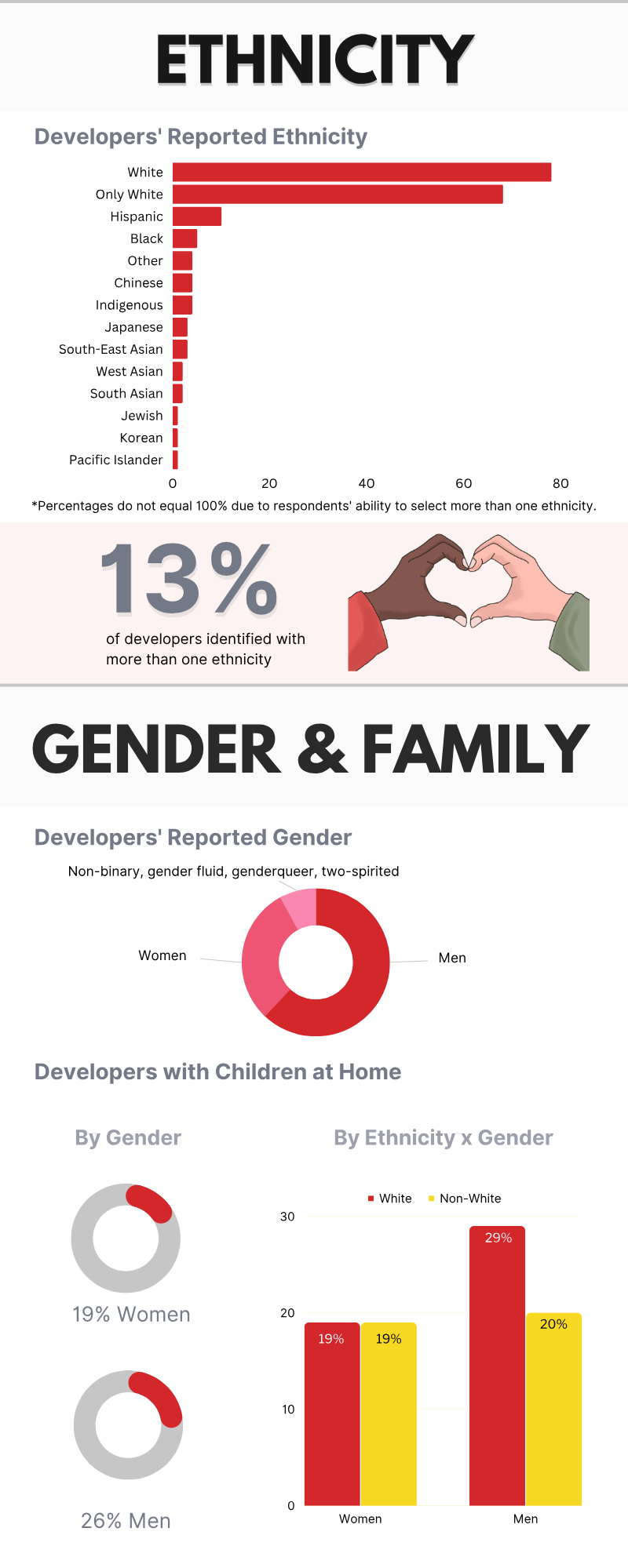
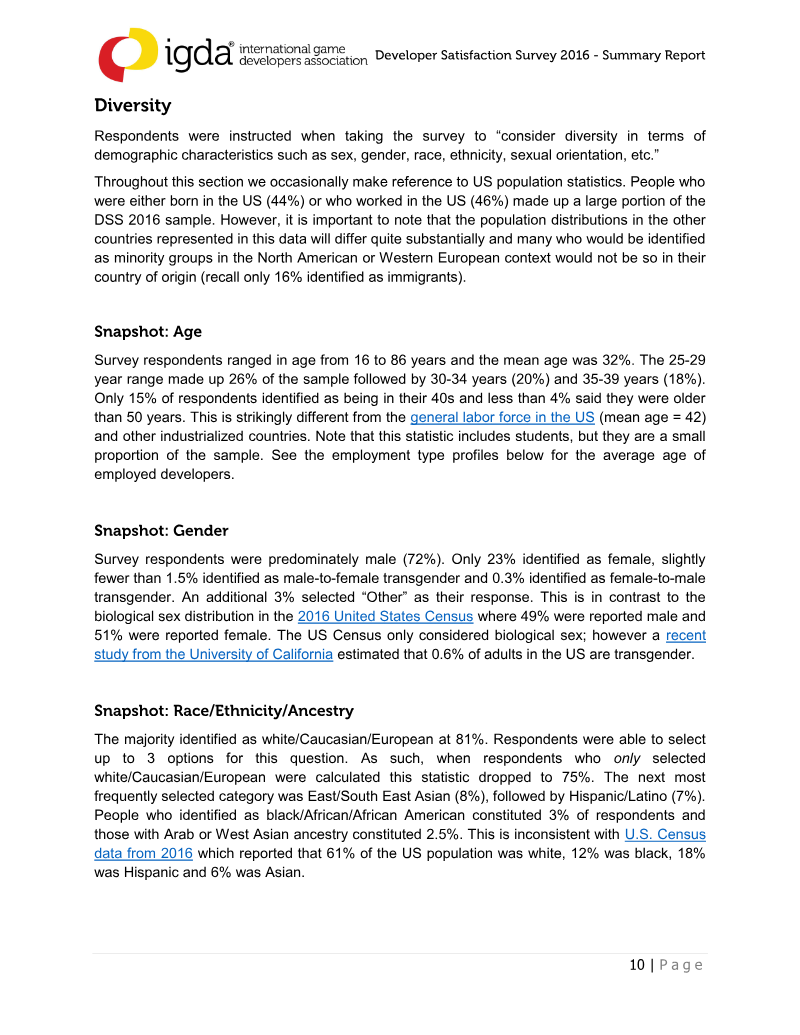
The global game industry faces persistent challenges regarding diversity, equity, and inclusion, with experiences varying significantly across North America, Europe, and the Nordic countries. While a broad consensus exists among developers that diversity is a critical priority, a majority continue to perceive a lack of equal treatment and opportunity within their workplaces. These disparities are deeply rooted in regional cultural norms, historical migration patterns, and the underlying social infrastructure of each territory.
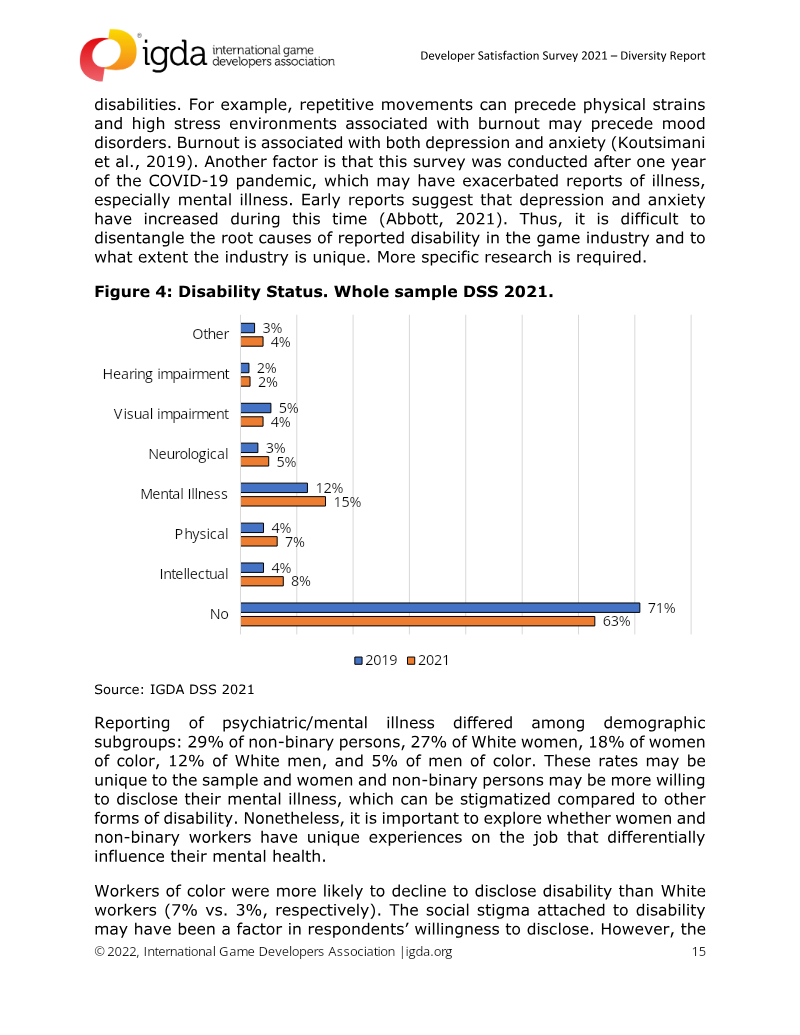
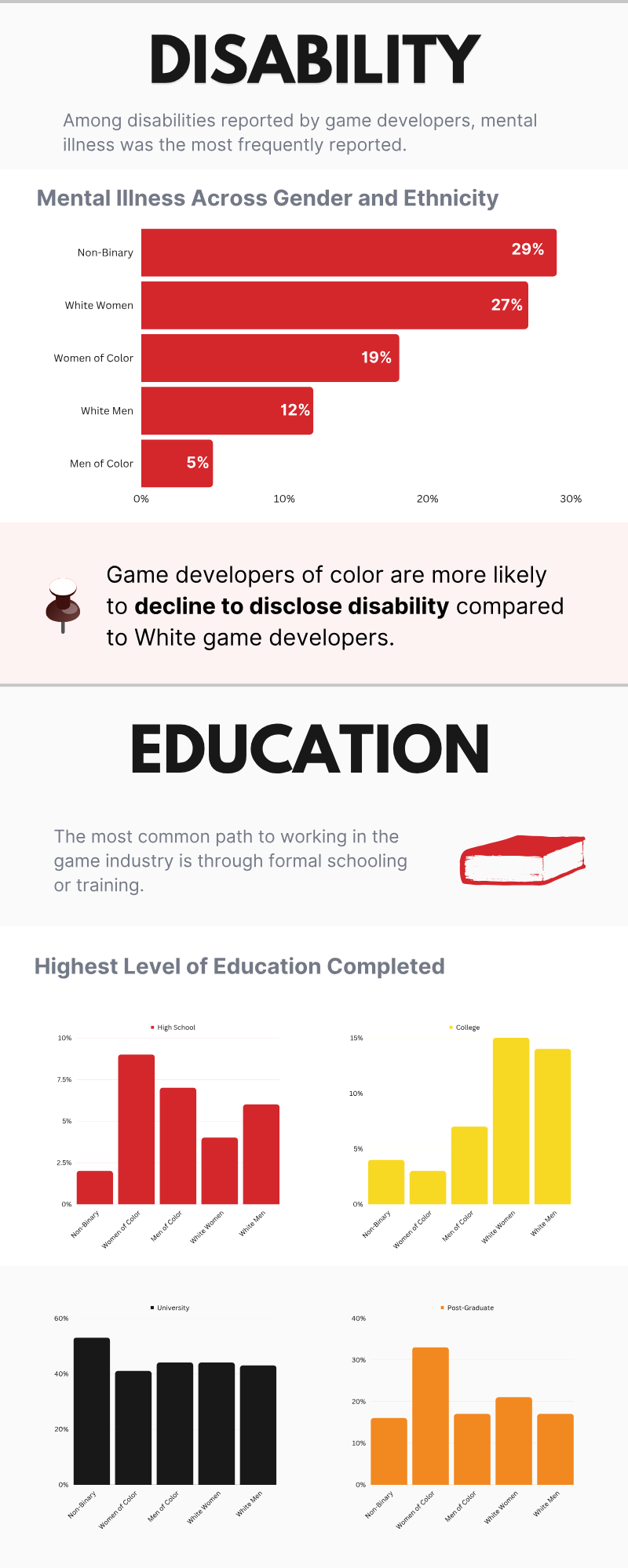
Data indicates that North American developers, particularly women and ethnic minorities, report higher frequencies of microaggressions and workplace inequity compared to their European and Nordic peers. Paradoxically, North American organizations often implement more formal diversity-focused policies and employer-provided support systems than those in other regions. Conversely, European and Nordic workers rely more heavily on government-backed social safety nets for health and parental support. Furthermore, individuals with disabilities report substantially higher levels of inequity across all regions, highlighting a systemic failure to provide inclusive environments regardless of the specific regional support model.
The industry’s struggle with inclusivity is further complicated by the prevalence of online harassment, which is reported more frequently by North American respondents. Although gender representation remains relatively consistent on a global scale, the intersection of regional policy implementation and lived experience reveals that formal corporate initiatives do not always translate into equitable workplace cultures. Addressing these challenges requires a nuanced, global perspective that accounts for how regional social structures influence both the perception of diversity obstacles and the efficacy of institutional responses. Ultimately, the industry must reconcile its stated commitment to diversity with the reality of persistent social and professional barriers that continue to hinder equitable progress.
International Game Developers’ Association · 2026


International Game Developers' Association · 2024
International Game Developers’ Association · 2023
International Game Developers’ Association · 2023
International Game Developers’ Association · 2022
International Game Developers’ Association · 2021
International Game Developers’ Association · 2021
International Game Developers’ Association · 2020
International Game Developers’ Association · 2020
International Game Developers’ Association · 2016
International Game Developers’ Association · 2016
International Game Developers’ Association · 2015
Develop:Brighton · 2025