Employment reports and market data
Documents
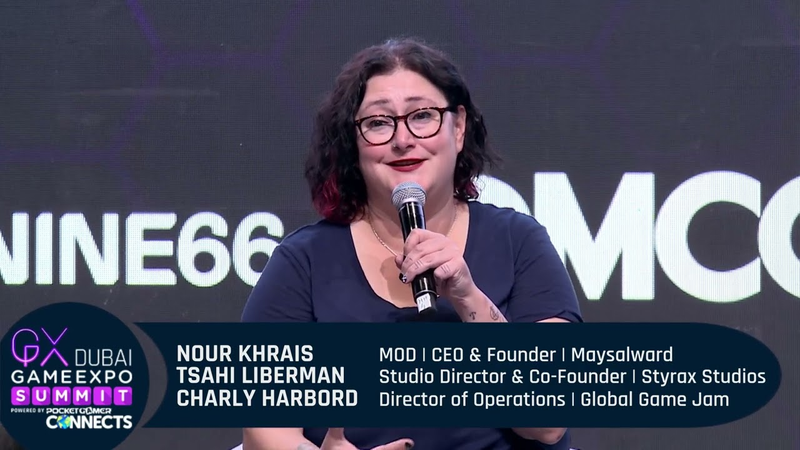
Panel: Diversity Drives Innovation: Overcoming Prejudice & Fostering Inclusivity in Game Dev Teams
Diversity in game development functions as a critical business imperative, directly linking the composition of development teams to the quality and resonance of the final product.
- Diversity is a business imperative that directly correlates team composition with the quality, resonance, and commercial success of the final product.
- True inclusivity requires shifting from performative gestures and tokenism to a culture where developers are valued for their professional contributions rather than demographic labels.
- Studios must utilize rigorous cultural research and expert consultation to prevent the inclusion of harmful stereotypes and stigmas in narrative and character design.

Open Salaries: Ensuring Equitable Pay Through Pay Transparency
Open salary policies serve as a critical mechanism for achieving organizational pay equity and addressing systemic wage disparities.
- Open salary policies improve pay equity and trust by replacing opaque negotiation-based compensation with a standardized, rubric-based system that links specific job levels and expectations to clear salary bands.
- Lightforge Games, which has practiced open salaries for three years with nearly 40 employees, maintains a 3.1x pay ratio between its lowest and highest-paid staff, demonstrating that transparency does not require flat compensation.
- Younger workers prioritize corporate transparency and ethical leadership, with Millennials and Gen Z ranking employee well-being as their top workplace concern and diversity/inclusion as their third.
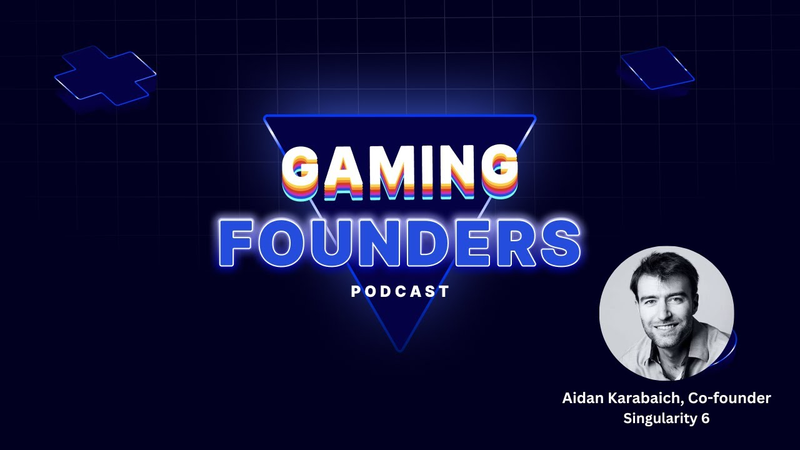
From Passion to Palia: Unraveling the Gaming Industry with Aidan Karabaich of Singularity 6
The gaming industry is currently witnessing a shift toward community-focused simulation titles, a trend exemplified by the development of Palia.
- Singularity 6, founded by Riot Games alumni Aidan Karabaich and Anthony Leung, secured early venture capital funding by pitching the underserved 'cozy' community simulation genre to investors like LVP.
- The studio prioritizes hiring for critical thinking and design talent by treating designers as product leads, requiring them to articulate the fundamental 'why' behind design decisions rather than relying solely on intuition.
- To avoid insular 'groupthink' and culture-cloning, the founders intentionally diversified their leadership and executive teams rather than relying exclusively on their professional networks from Riot Games and Obsidian.
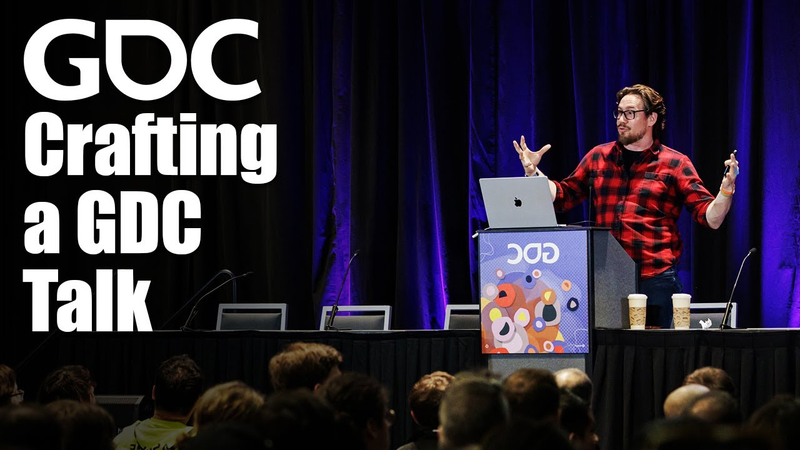
GDC Q&A: How to Submit a Talk, Session or Panel to GDC 2024
Securing a speaking slot at the Game Developers Conference requires a strategic focus on delivering high-value, actionable insights that directly benefit the professional development of the gaming community.
- Proposals must prioritize actionable, technical depth over high-level concepts or marketing pitches to demonstrate unique expertise.
- The GDC advisory board favors original content that provides new insights not already documented in the GDC Vault.
- First-time speakers should target a 30-minute session format to maintain a focused narrative and avoid the complexity of hour-long presentations.
The Path To Full Time Game Development Income | EP 007
Achieving financial sustainability in independent game development requires a strategic hybrid model that balances high-margin contract work with the long-term pursuit of original intellectual property.
- Achieve financial sustainability by adopting a hybrid model that uses high-margin work-for-hire contracts to fund the development of original intellectual property.
- Secure predictable cash flow by targeting non-gaming sectors such as cybersecurity, manufacturing, and food service, where project budgets typically range from $10,000 to $100,000.
- Position the studio as a high-value problem solver by creating interactive experiences for corporate trade shows and internal events rather than competing as a commodity laborer.
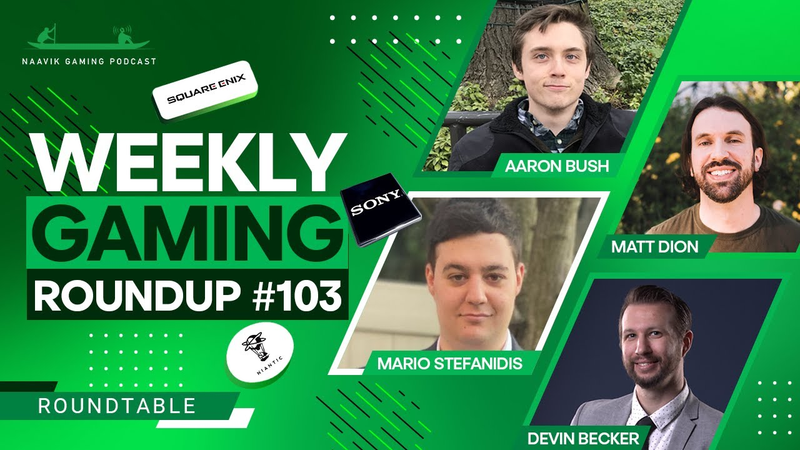
Niantic Layoffs / Square Enix’s Future / FTC Lawsuit Revelations
The global gaming industry is currently navigating a period of intense structural realignment, characterized by aggressive consolidation, technological pivots, and significant regulatory scrutiny.
- The FTC’s challenge to Microsoft’s acquisition of Activision Blizzard threatens the long-term viability of the Game Pass strategy, which depends on consistent IP acquisition to compete with Sony and Nintendo.
- Niantic has implemented a 25% workforce reduction and closed its Los Angeles office, signaling a cooling of market expectations for mainstream consumer augmented reality adoption.
- Square Enix is facing declining profitability and long production cycles, leading to pressure to refocus on core franchises like Final Fantasy and divest from speculative blockchain investments.
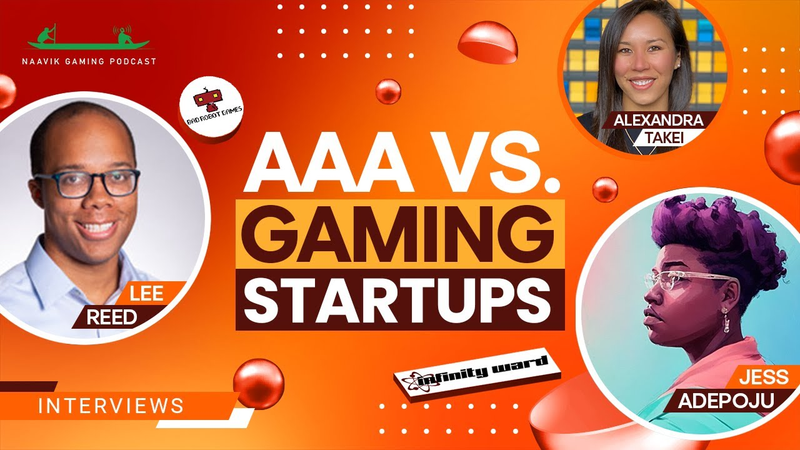
AAA vs. Gaming Startups
The gaming industry is defined by a fundamental dichotomy between the structured, resource-heavy environments of AAA studios and the agile, high-risk nature of gaming startups.
- Success in game development is driven by leadership vision and internal culture rather than organizational scale, with diverse teams serving as a strategic imperative to reach global audiences.
- AAA studios prioritize stability and risk mitigation through established genres and portfolio management, while startups must focus on rapid monetization and niche market disruption to ensure survival.
- Career development paths differ by environment: AAA studios offer specialized mentorship and discipline mastery, whereas startups provide broad exposure and autonomy suitable for those seeking leadership roles.

Lost XP: Why Junior Game Developers Quit and How to Help
The game industry currently faces a significant paradox characterized by a simultaneous shortage of experienced labor and a high turnover rate among entry-level professionals.
- Junior developers increasingly view job-hopping as a necessary strategy for career growth and salary advancement, shifting away from the traditional expectation of long-term tenure at a single studio.
- Data from the IGDA Developer Satisfaction Survey (DSS) indicates a persistent decline in confidence among graduates regarding their ability to secure a first job in the industry within six months of completion.
- Studios often set junior developers up for failure by expecting immediate high-level performance, despite granting senior-level hires six-month onboarding periods to acclimate to new roles.
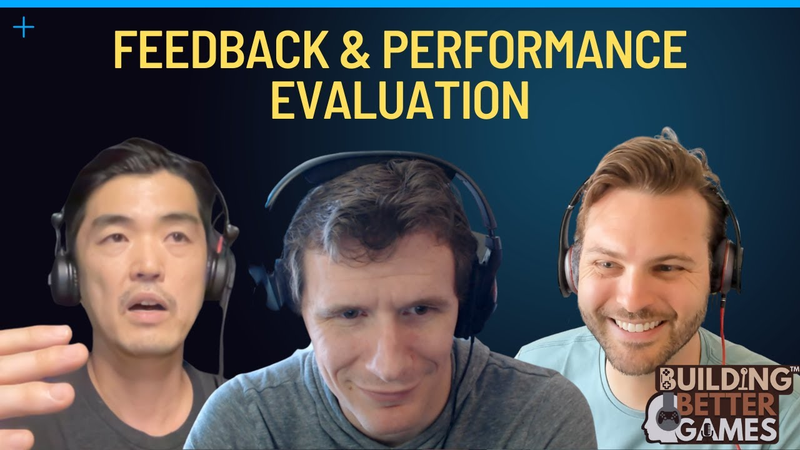
Feedback & Performance Evaluation | ft. Ben Carcich & Aaron Smith from Building Better Games
Performance evaluation in the game industry is frequently undermined by a culture of toxic kindness, where a fear of conflict prevents the honest, direct communication necessary for professional growth.
- Rigid, periodic evaluation systems like annual 360-degree reviews and stack ranking often fail because they prioritize superficial metrics and encourage political maneuvering over genuine impact.
- Effective performance management requires shifting from automated, checklist-based processes to a culture of continuous, proactive feedback that treats uncomfortable conversations as essential development tools.
- Psychological safety is the prerequisite for high-performing teams, enabling constructive conflict by decoupling frequent, informal feedback from high-stakes compensation reviews.
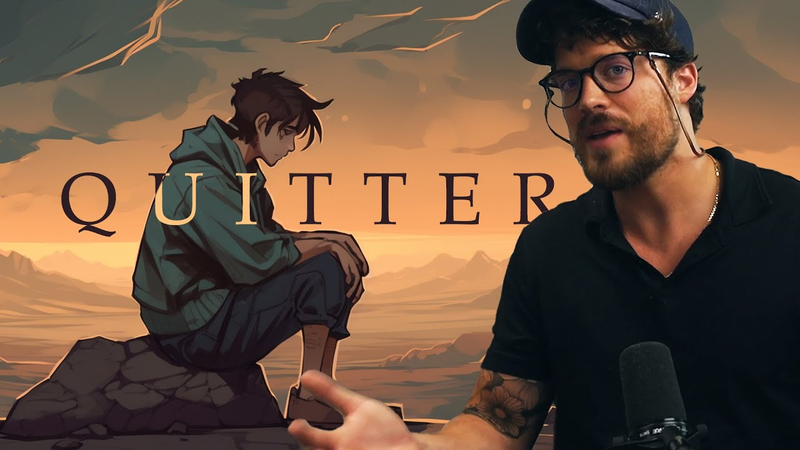
The REAL Reason You Keep Quitting Your Dreams
The core challenge for entrepreneurs and creative professionals, particularly within the game development industry, is overcoming the paralyzing insecurity that stems from an obsession with external perception.
- Prioritizing personal passion over market-driven conformity is the most sustainable strategy for building resilient businesses in the game development industry.
- Creators often stifle their unique interests to chase perceived market trends, which results in inauthentic work that fails to resonate with audiences.
- Shifting focus from external perception to genuine empathy allows creators to foster deeper community connections without compromising their personal identity.
Starting Your Career In a Post-Pandemic World
Securing a career in the contemporary game industry requires a strategic blend of digital visibility, professional resilience, and intentional self-alignment.
- Portfolios must move beyond finished assets to showcase a personal narrative, the development process, and granular evidence of an individual’s specific contributions to a project.
- Candidates should adopt a dual-track job search strategy that balances high-volume applications with targeted outreach, such as cold-emailing professionals and attending industry events like GDC.
- Applicants should utilize the Ikigai philosophy to align personal passion with professional utility, conducting reverse interviews to ensure a company’s culture and work-life balance match their values.
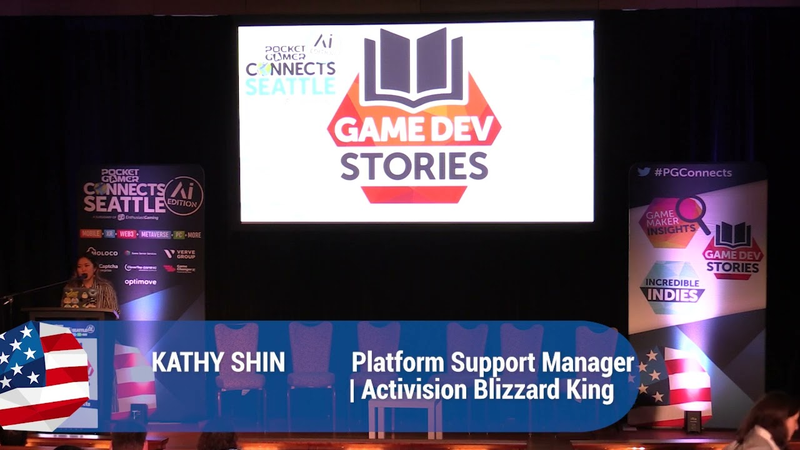
Session: A Noob’s Journey into the Gaming Industry - Kathy Shin, Activision Blizzard King
This presentation outlines a professional journey into the gaming industry, emphasizing the value of non-traditional career paths, networking, and personal branding.
- Transferable soft skills from customer-facing roles in retail and service are highly valued in game publishing for their direct application to live services and consumer feedback loops.
- Job seekers should optimize LinkedIn profiles by incorporating industry-specific keywords extracted directly from target job descriptions to increase visibility with recruiters.
- Resumes should be condensed into concise, one-page summaries that prioritize a clear value proposition and transferable skills over exhaustive chronological work histories.