Educational reports and market data
Documents

Högskolepoäng som XP: Synlig och osynlig kunskap inom spelutveckling hos akademi och industri
The Swedish game industry faces a persistent misalignment between academic curricula and the rapidly evolving technical and creative requirements of professional game development.
- The Swedish game industry suffers from a persistent misalignment between formal academic curricula and the practical, project-based skill sets required by professional studios.
- Industry stakeholders prioritize portfolio quality and the proven ability to ship products over formal degree structures, leading to the perception that academic training is secondary to workplace experience.
- A proposed solution involves conceptualizing academic credits as 'XP' to validate both formal education and informal, on-the-job knowledge through gamified, flexible assessment platforms.



Game Audio Curriculum Guideline
The game audio industry faces a persistent talent gap caused by the unique intersection of traditional linear media production and complex, non-linear technical implementation.
- The game audio industry suffers from a persistent talent gap caused by the difficulty of bridging traditional linear media production with complex, non-linear technical implementation.
- A standardized 120-credit, four-year undergraduate curriculum framework has been proposed to provide a consistent roadmap for higher education institutions in the United States.
- The curriculum prioritizes a constructivist pedagogical approach that emphasizes core principles and adaptability over software-specific training to ensure graduates can navigate evolving technologies.


How Are Digital Games Used in Schools?: Complete Results of the Study
This comprehensive study, conducted by European Schoolnet, evaluates the integration of digital games into classrooms across eight European nations.
- Successful game-based learning depends on the pedagogical framework and teacher facilitation rather than the specific game title used.
- Digital games improve academic performance in core subjects like mathematics, language, and history when aligned with curriculum goals.
- Students show a preference for the high-quality design of commercial off-the-shelf games over purpose-built educational software, highlighting a need for better industry-education collaboration.

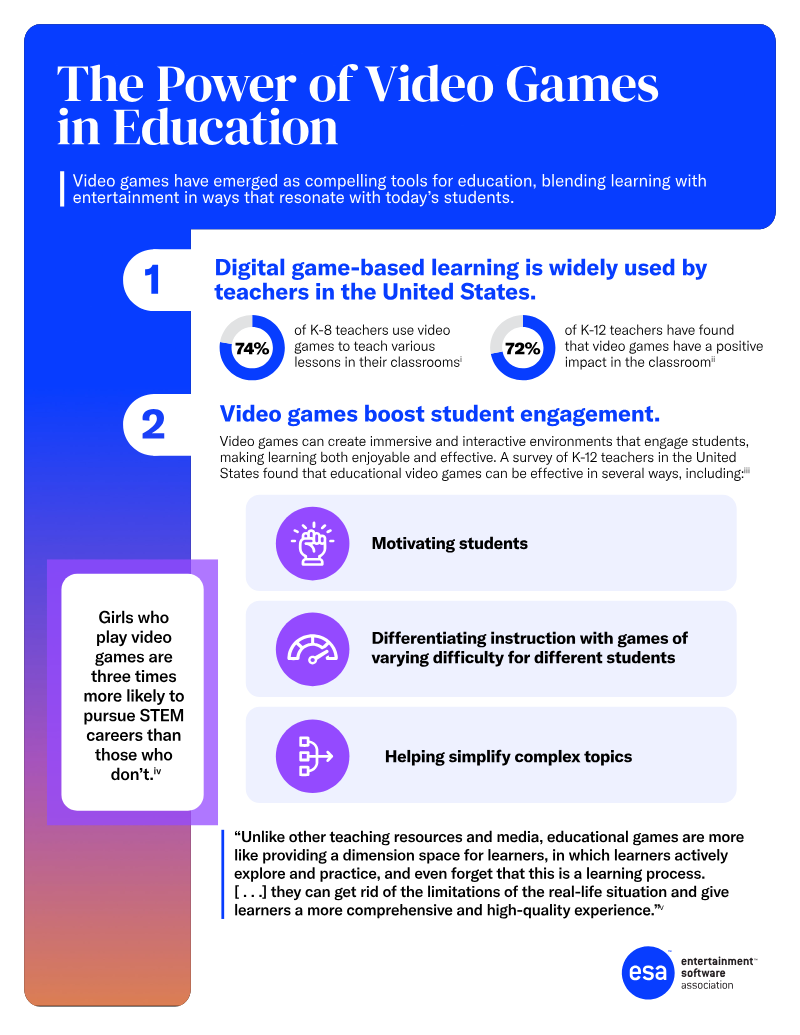
The Power of Video Games in Education
Digital game-based learning has become a significant pedagogical tool within the United States K-12 education system, driven by the ability of interactive environments to foster student engagement and academic success.
- Approximately 74% of K-8 teachers in the United States currently integrate video games into their curricula, with 72% of K-12 educators reporting a positive impact on classroom outcomes.
- Gaming experiences correlate with increased interest in STEM careers, as girls who play video games are three times more likely to pursue these fields.
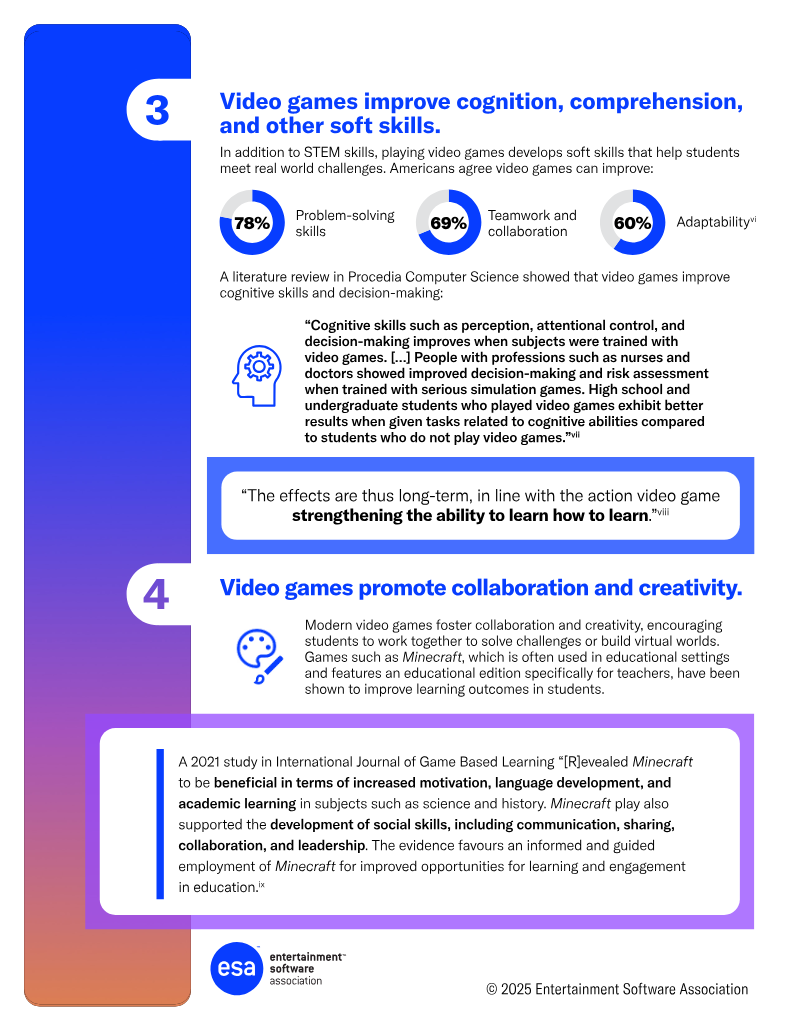
- Public perception strongly supports the cognitive benefits of gaming, with 78% of Americans citing improved problem-solving skills, 69% noting better teamwork, and 60% recognizing increased adaptability.
Benefits of Video Games in K-12 Education
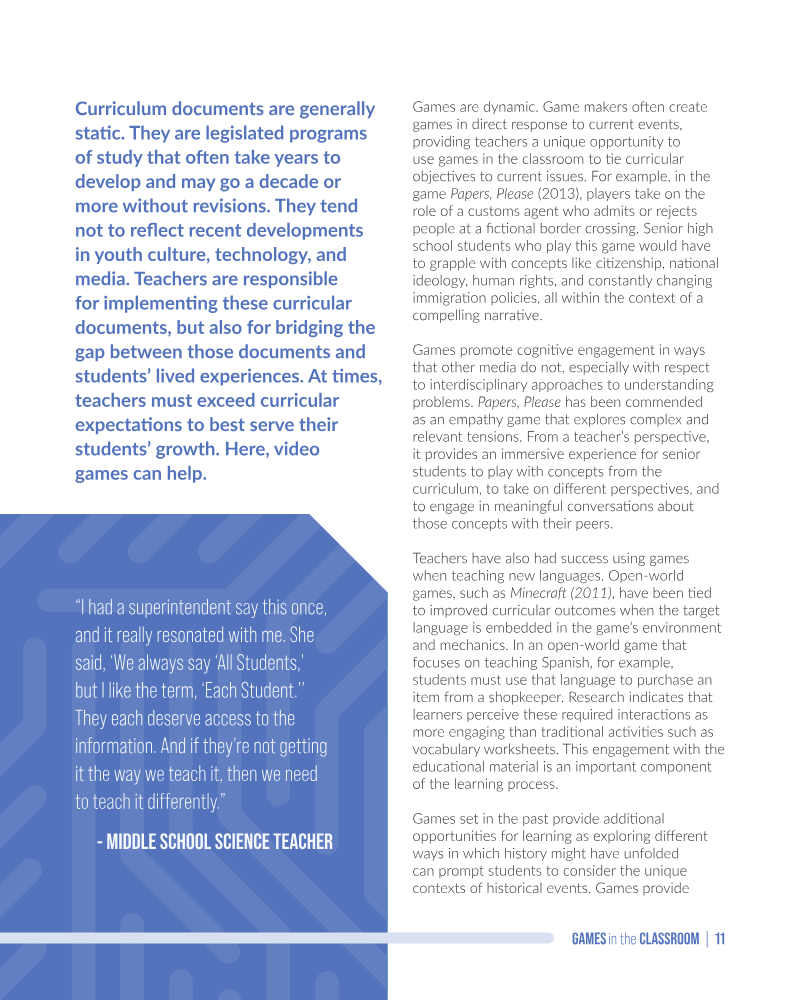
Video games function as transformative pedagogical tools within K-12 education, shifting students from passive recipients of information to active participants in their own learning processes.
- Video games shift K-12 students from passive information recipients to active participants, fostering critical thinking, complex problem-solving, and resilience.
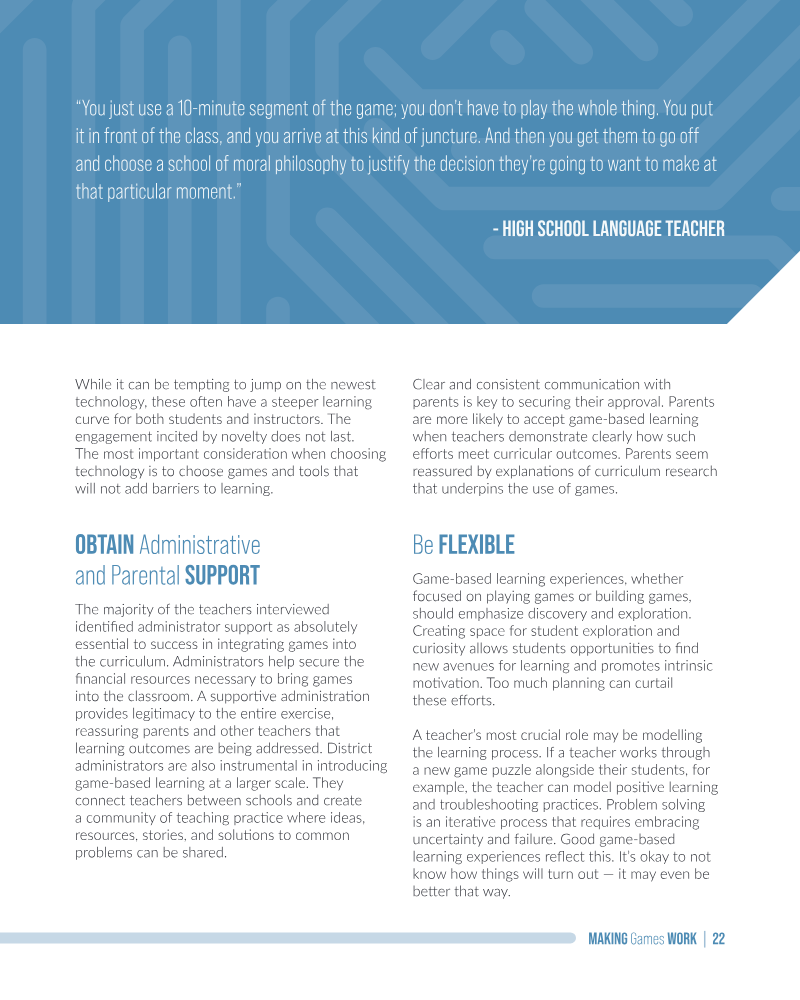
- Effective implementation requires strategic pedagogical integration rather than superficial gamification, utilizing short-form game segments aligned with specific learning objectives.
- Game-based learning accommodates diverse learning styles and provides personalized pacing, bridging the gap between rigid academic standards and student experiences.

Wojciech Ozimek: Profile and Expertise
Wojciech Ozimek has led one2tribe Sp. z o.o. for eleven years as CEO, overseeing organizational growth, product launches, sales and key client relationships.
- Wojciech Ozimek has served as CEO of one2tribe for 11 years, overseeing the development of online games and services that have reached four million subscribers globally.
- His professional focus centers on gamification and business-oriented game design, supported by his role as a senior consultant for the Cutter Consortium’s Business-IT Strategies and Enterprise Architecture teams.
- Prior to one2tribe, Ozimek held leadership roles at Infovide, where he directed development and architecture for major clients including Nordea Bank Polska, Telekomunikacja Polska S.A., and Onet.pl.