1 free read left. Create a free account for unlimited reading + AI research.
Create free accountReport Dataspelsbranschen
1 free read left. Create a free account for unlimited reading + AI research.
Create free accountReportDataspelsbranschen
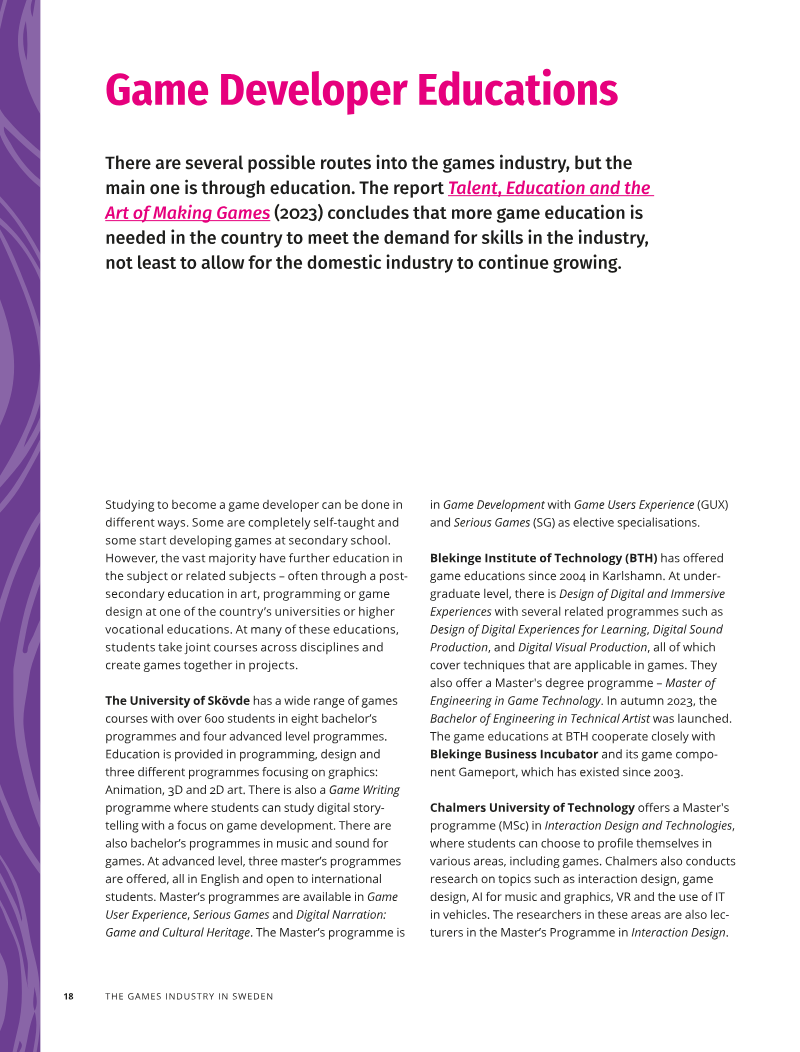
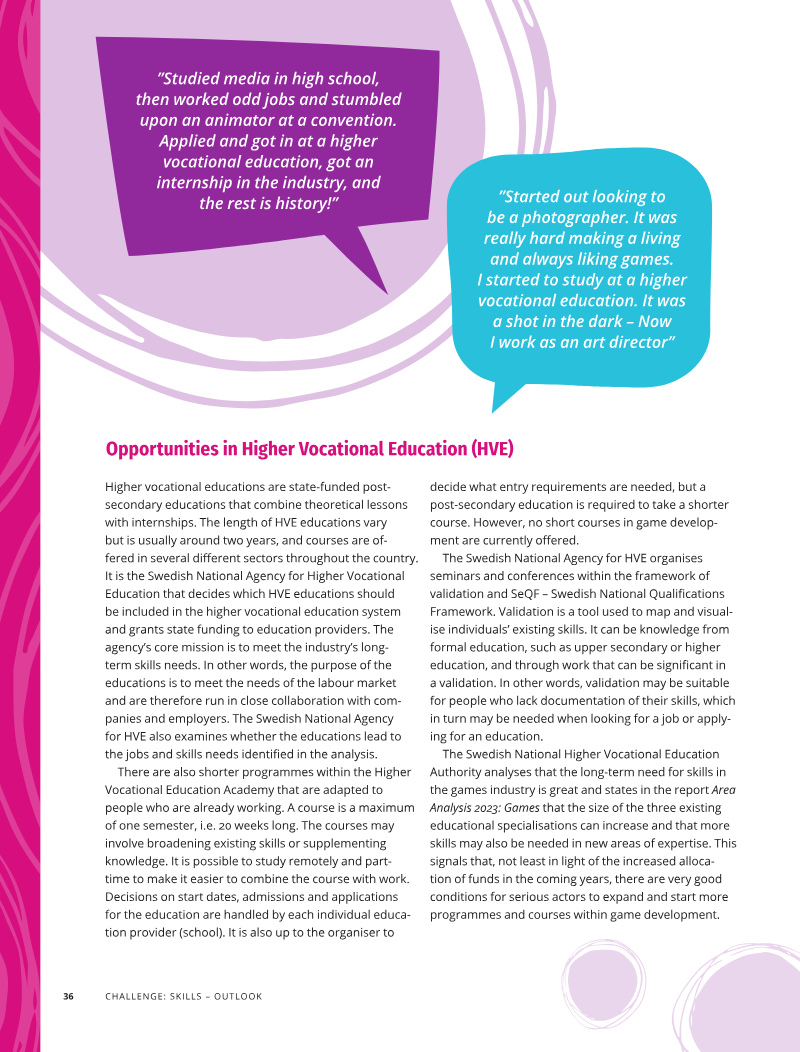
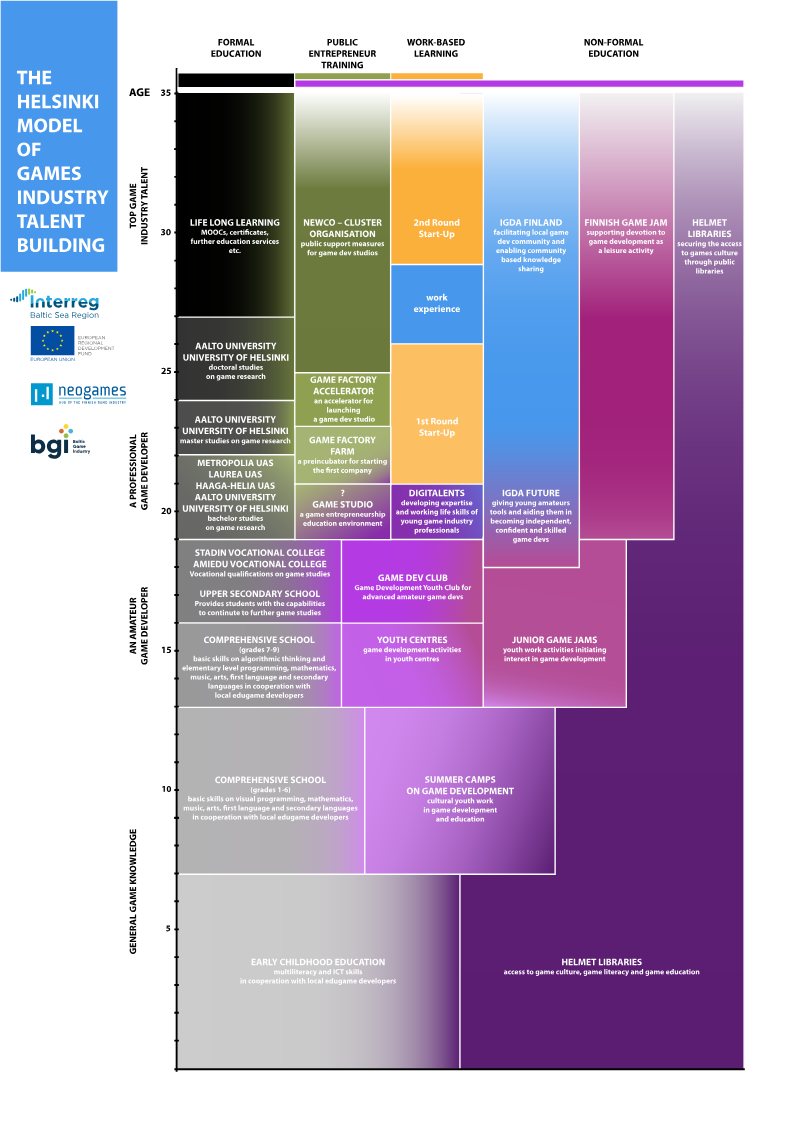
The Swedish game industry faces a persistent misalignment between academic curricula and the rapidly evolving technical and creative requirements of professional game development. While universities emphasize formal degree structures, industry studios prioritize practical experience, portfolio quality, and the proven ability to ship products. This disconnect creates a tension where academic training is often perceived as secondary to the informal, project-based learning that defines the workplace. To bridge this gap, there is a critical need to integrate academic rigor with the industry’s preference for flexible, high-impact skill acquisition.
The proposed solution involves conceptualizing academic credits as experience points, or XP, to better visualize and validate both formal education and the informal knowledge acquired on the job. By implementing gamified platforms and flexible validation systems, academia can better recognize professional expertise, while industry partners can gain access to structured research and analytical methodologies. Key strategies for this integration include the use of boundary-crossing roles like adjunct professors, the establishment of shared research networks, and the formalization of mentorship programs that align with existing production workflows.
Ultimately, the goal is to foster a symbiotic relationship where organizational competence is generated through interactive, cross-disciplinary processes. For this collaboration to succeed, academic institutions must reduce administrative burdens and ensure that research and educational initiatives remain directly relevant to product development cycles. By moving toward a model that values continuous, lifelong learning—supported by both industry-led workshops and academic validation—the Swedish game sector can better sustain its competitive edge, ensuring that the workforce remains agile, highly skilled, and capable of navigating the industry’s fast-paced innovation landscape.
Dataspelsbranschen · 2025
Dataspelsbranschen · 2025
Dataspelsbranschen · 2025
Dataspelsbranschen · 2025
Dataspelsbranschen · 2025
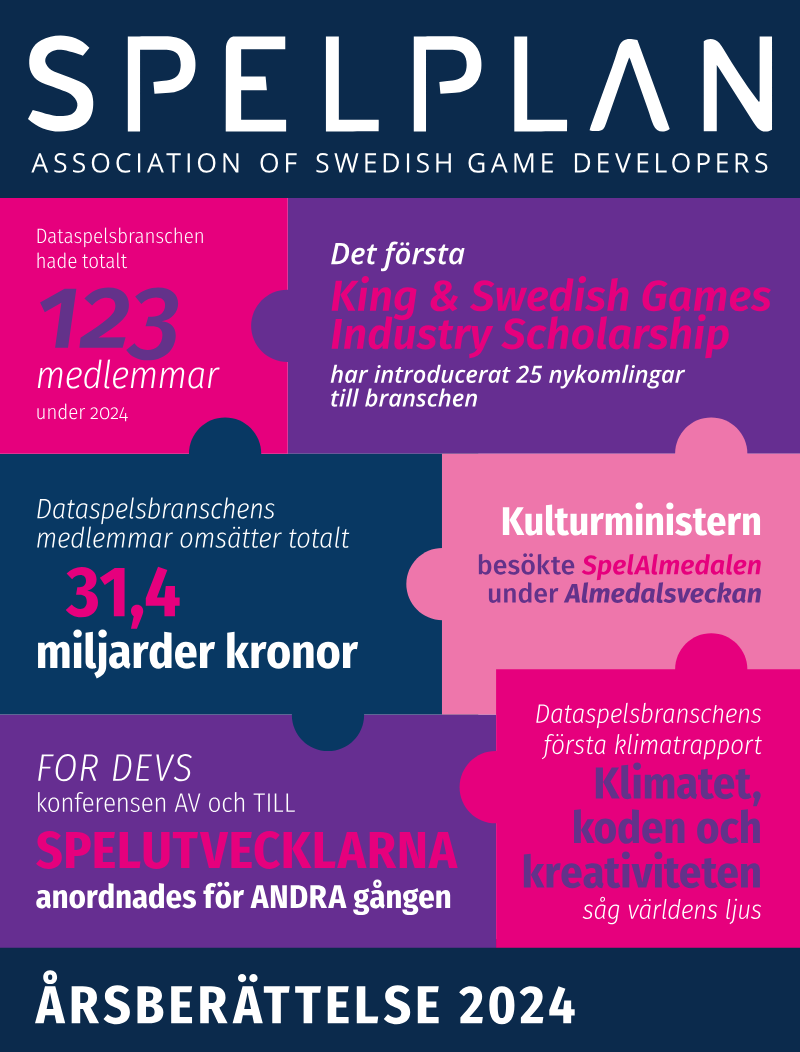
Dataspelsbranschen · 2025
Dataspelsbranschen · 2024
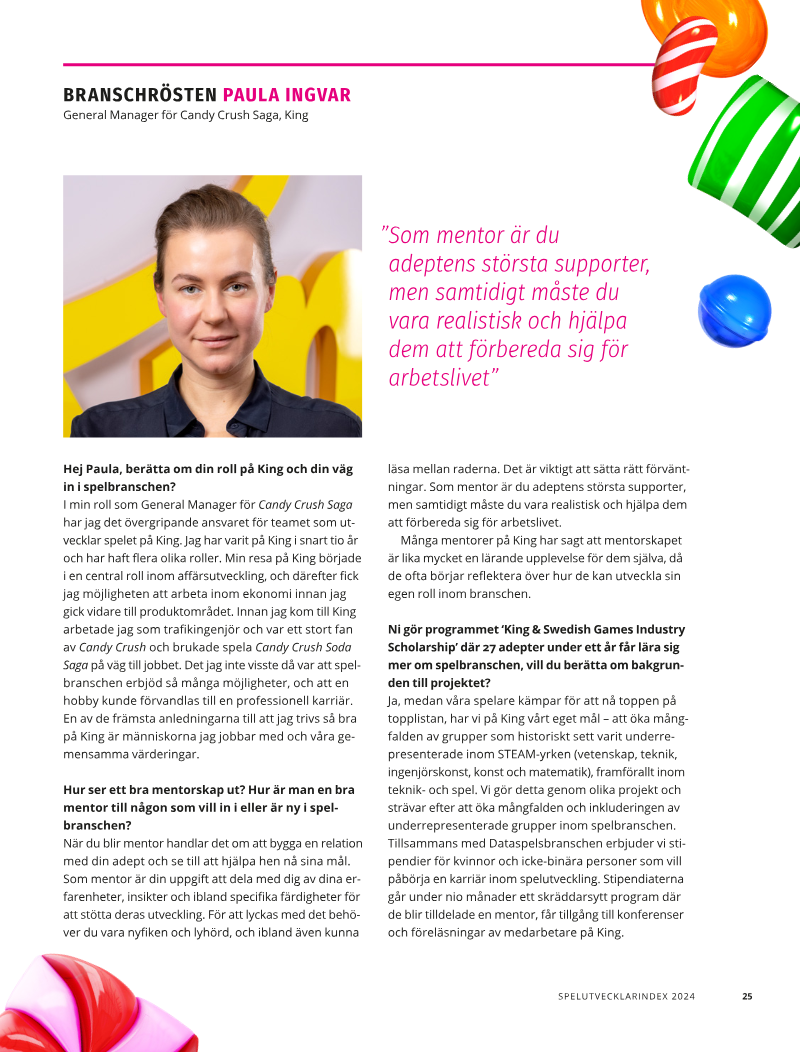
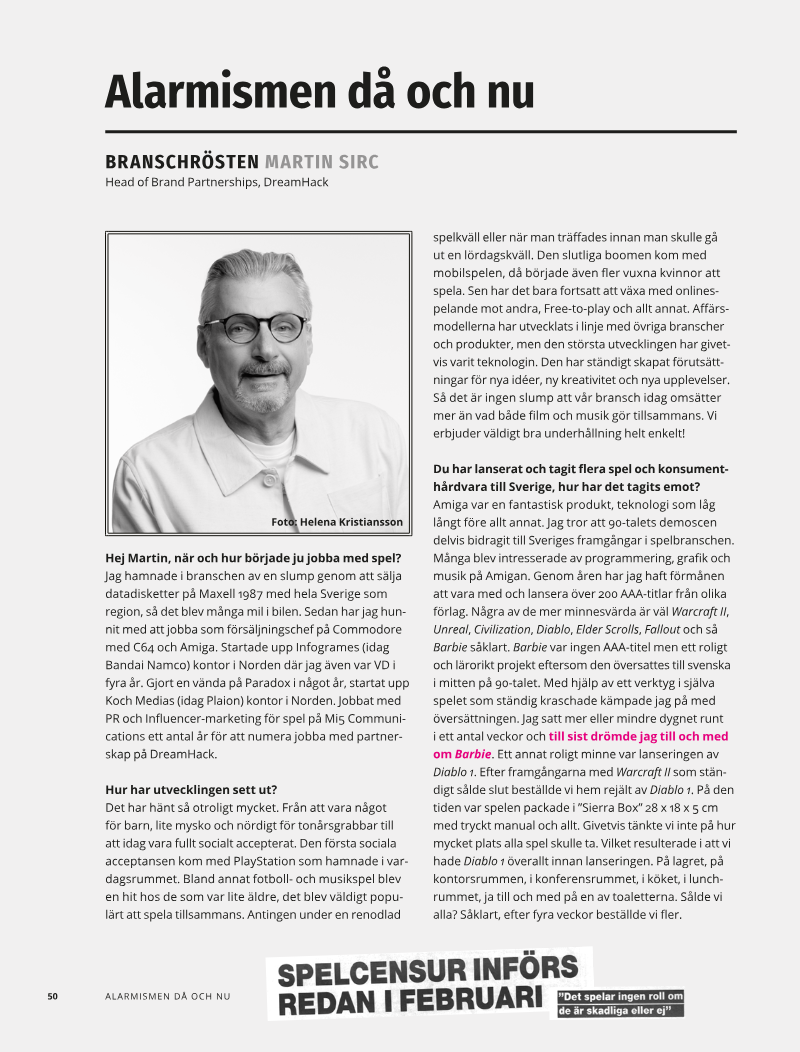
Dataspelsbranschen · 2024
Swedish Games Industry · 2024

Swedish Games Industry · 2024

Dataspelsbranschen · 2024
Dataspelsbranschen · 2024
The Swedish Games Industry · 2024