Educational reports and market data
Documents
How to Talk About Games, Today
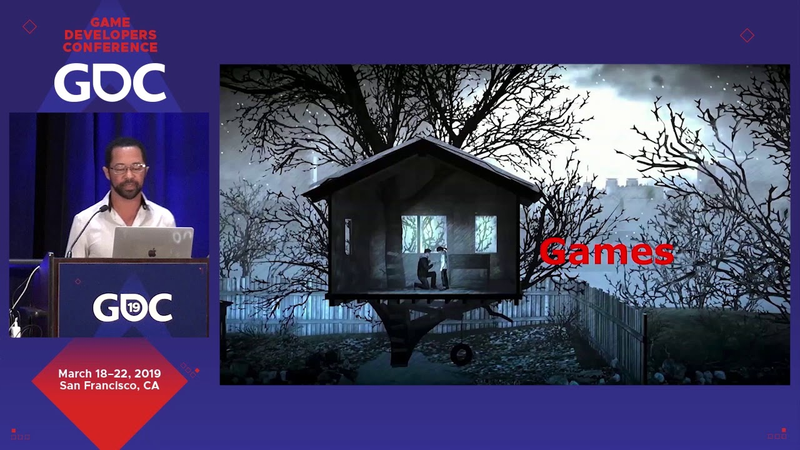
Public and political scrutiny of video games frequently mirrors historical moral panics directed at previous forms of entertainment, such as comic books and tabletop role-playing games.
- Public and political scrutiny of video games is a recurring cycle of moral panic that mirrors historical anxieties directed at comic books and tabletop role-playing games.
- Scientific research has failed to establish a causal link between gaming and real-world violence, as studies often rely on flawed laboratory proxies for aggression and struggle to isolate media consumption from socioeconomic variables.
- The industry must shift from a defensive posture to proactive advocacy, ensuring that legislative policy and public discourse are based on empirical reality rather than sensationalized misinformation.

Dinosaurs and Volcanoes: Roblox Education's Jurassic World Challenge
The Jurassic World Creator Challenge serves as a strategic framework for democratizing game development education by leveraging high-profile intellectual property to lower the barrier to entry for novice creators.
- The Jurassic World Creator Challenge engaged over 6 million participants and resulted in the publication of 270,000 games within a three-month period.
- Leveraging high-profile intellectual property acts as a strategic framework to democratize game development education by lowering the barrier to entry for novice creators.
- Educational outcomes were optimized by transitioning from complex tutorials to concise 40-minute modules designed for seamless classroom integration.
Because Games Matter - Victoria's Story - Extra Credits
This analysis examines the therapeutic potential of tabletop role-playing games, specifically Dungeons & Dragons, in addressing social and emotional challenges in children with ADHD and anxiety disorders.
- Tabletop role-playing games like Dungeons & Dragons provide a controlled, low-risk environment for neurodivergent youth to practice social interactions and develop self-regulation.
- Role-playing mechanics allow children with ADHD and anxiety to decouple personal anxieties from interpersonal engagement by navigating social scenarios through a character-based lens.
- Structured gaming programs serve as a viable, non-pharmacological therapeutic tool that helps socially marginalized children transition toward active participation and improved self-analysis.
Because Games Matter - J.J.'s Story - Extra Credits
The therapeutic application of video games in pediatric healthcare serves as a powerful tool for managing patient stress, pain, and emotional isolation.
- The C.S. Mott Therapeutic Gaming and Digital Technology Program, pioneered by child life specialist J.J. Bouchard, now serves over 3,000 pediatric patients annually.
- Therapeutic gaming in clinical settings acts as a critical tool for managing patient stress and pain while normalizing the hospital experience for children.
- Child’s Play Charity has expanded the reach of this practice by providing gaming equipment and funding specialized technology positions in approximately 180 hospitals globally.
Games that Change Lives: Social Impact Done Right
Games possess a unique capacity to influence societal perspectives, functioning as both entertainment and vehicles for meaningful reflection.
- Effective social impact design requires integrating themes into the narrative rather than relying on didactic moralizing, which risks alienating players.
- Developers should collaborate with subject-matter experts and victim support organizations to ensure narrative accuracy and avoid the use of harmful tropes.
- Gated progression systems force players to synthesize information and apply learned knowledge to overcome obstacles, transforming passive consumption into active learning.

AskGM #4: Psyon Games - How to create an anti-viral game! Psyon is making vaccine awareness games
Psyon Games is pioneering a novel approach to pharmaceutical marketing by utilizing interactive mobile gaming to drive vaccine awareness and public health education.
- Psyon Games utilizes the tower defense genre to gamify complex biological processes, aiming to replace traditional pharmaceutical marketing with interactive experiences that improve knowledge retention.
- The studio validates the commercial viability of health-focused gaming by using Facebook ad campaigns to track performance metrics like cost-per-install and click-through rates.
- To measure the effectiveness of educational content, the company uses proxy metrics such as email sign-ups and collaborates with government health institutes to assess shifts in player attitudes.

Should You Get A Degree In Game Dev? (My Story)
The central thesis of this analysis is that formal university degrees in game design are often unnecessary and potentially financially detrimental for aspiring developers.
- The game industry is a meritocratic field that prioritizes tangible portfolios and demonstrated technical proficiency over formal academic credentials.
- Formal university degrees in game design are often unnecessary and can be financially detrimental, as evidenced by a $35,000 graphic design degree that provided little professional utility.
- Independent project creation and self-directed learning are more effective methods for professional growth than traditional classroom instruction.
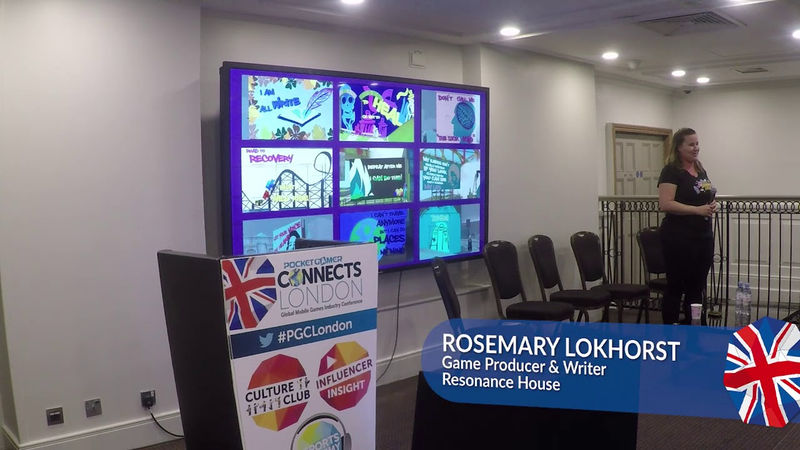
Can a game be therapy for emotional health? Can it change a teen's life?
The development of digital therapeutic tools for young people facing chronic illness and emotional distress serves as the primary focus of this analysis.
- Shadow’s Edge is a mobile game designed as a digital therapeutic tool to improve resilience in youth facing chronic illness and emotional distress.
- A year-long clinical study at Lurie Children’s Hospital is currently evaluating the game's impact on 174 cancer patients aged 16 to 24 to measure long-term emotional outcomes and recovery transitions.
- Clinical research conducted with Stanford Children’s Hospital and the University of the Netherlands confirms the game improves seven key resilience factors, specifically optimism, positive self-identity, and emotional regulation.
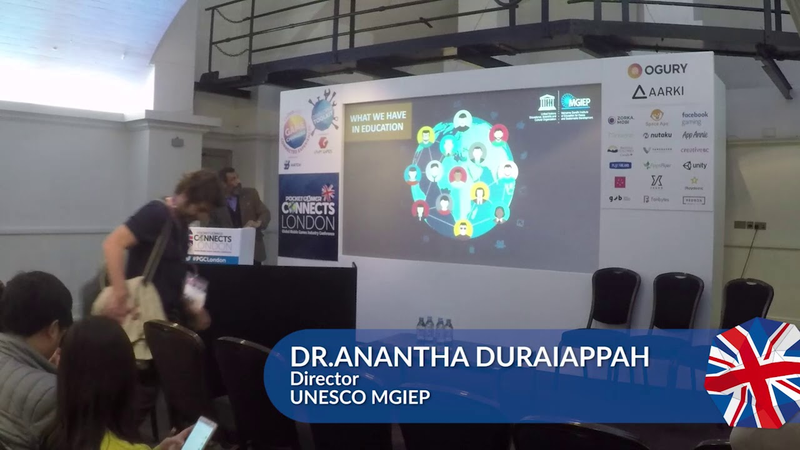
The gamer's brain – The untapped potential
Modern education systems are increasingly viewed as outdated, failing to address the evolving intellectual and emotional needs of students.
- Game-based learning leverages neuroplasticity, functional brain connectivity, and attention regulation to address the limitations of traditional, text-driven educational curricula.
- Core game design principles, including continuous feedback loops, self-paced progression, and endogenous assessment, are being used to create immersive environments that foster resilience and empathy.
- Global initiatives are currently developing standardized pedagogical certification frameworks to formalize the integration of gaming into formal education systems.
Because Games Matter - A Teachable Moment: Kingdom Hearts in the Classroom - Extra Credits
The integration of video games into educational settings serves as a powerful tool for fostering student engagement, inclusion, and academic success.
- Integrating video games into the curriculum validates students' personal interests, bridging the gap between traditional academic subjects and their lived experiences.
- Using cultural touchstones like the narrative structure of Kingdom Hearts can help students grasp complex literary concepts, such as the hero's journey found in the Odyssey.
- Validating a student's interests through familiar media can act as a catalyst for significant improvements in academic performance, classroom participation, and self-confidence.
Bringing Mars Down to Earth: Designing Educational Games for Low Income Students
Educational initiatives targeting STEM engagement among middle school students in low-income communities require a departure from traditional, rigid pedagogical models in favor of immersive, narrative-driven experiences.
- A pilot program reaching 2,500 middle school students in low-income communities resulted in 78% of participants reporting an increased commitment to completing high school.
- Over 50% of student participants expressed heightened confidence in pursuing STEM-related career paths following their engagement with the game-based platform.
- The design framework prioritizes the engineering design cycle and metacognitive learning over rote memorization to foster deeper scientific discovery.
Game a Week: Teaching Students to Prototype
The Game a Week pedagogical model serves as a transformative framework for game design education, prioritizing rapid iteration over the perfectionism that often leads to creative stagnation.
- The 'Game a Week' pedagogical model mandates the development of a new game prototype every seven days to prioritize rapid iteration over perfectionism.
- Institutions including NYU and RMIT utilize this high-pressure framework to force students to abandon over-commitment to singular projects and embrace a cycle of experimentation.
- The curriculum uses strict deadlines and thematic constraints to teach students the essential industry skill of scoping projects to fit limited timeframes.