1 free read left. Create a free account for unlimited reading + AI research.
Create free accountReport European Schoolnet
1 free read left. Create a free account for unlimited reading + AI research.
Create free accountReportEuropean Schoolnet
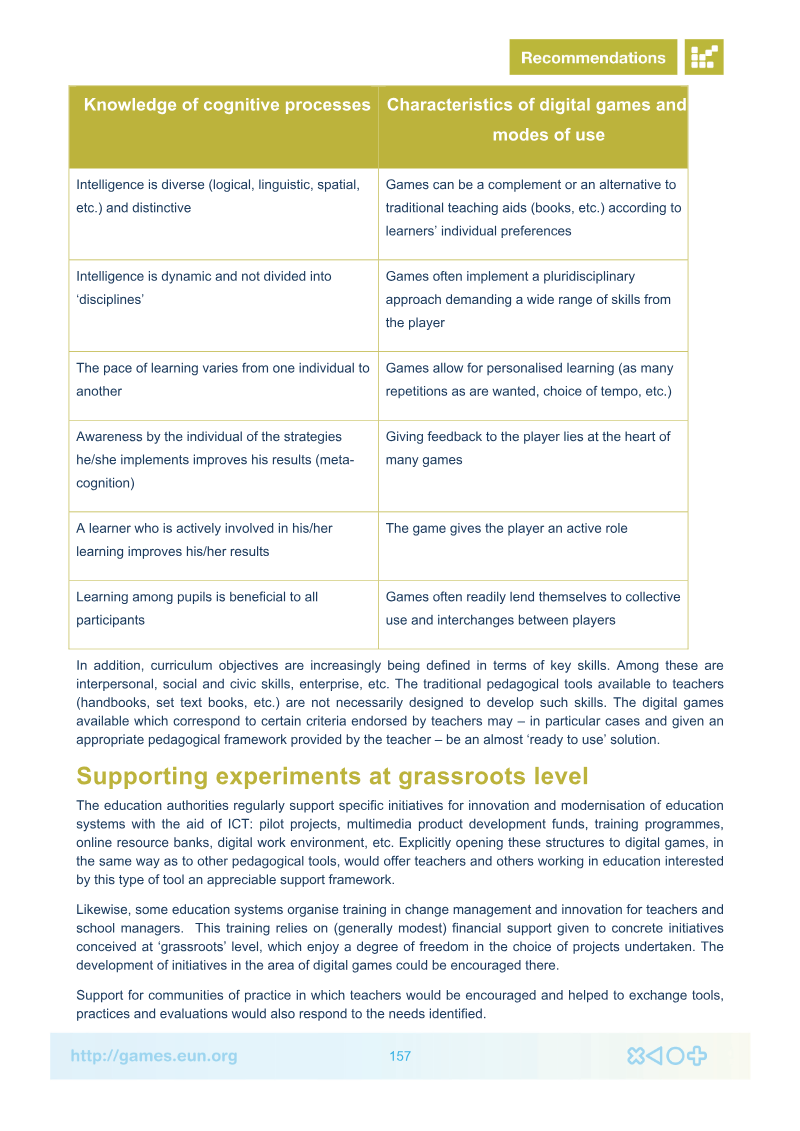
When aligned with curriculum goals, digital games enhance learning in mathematics, language, and history. They move students from passive observers to active participants.
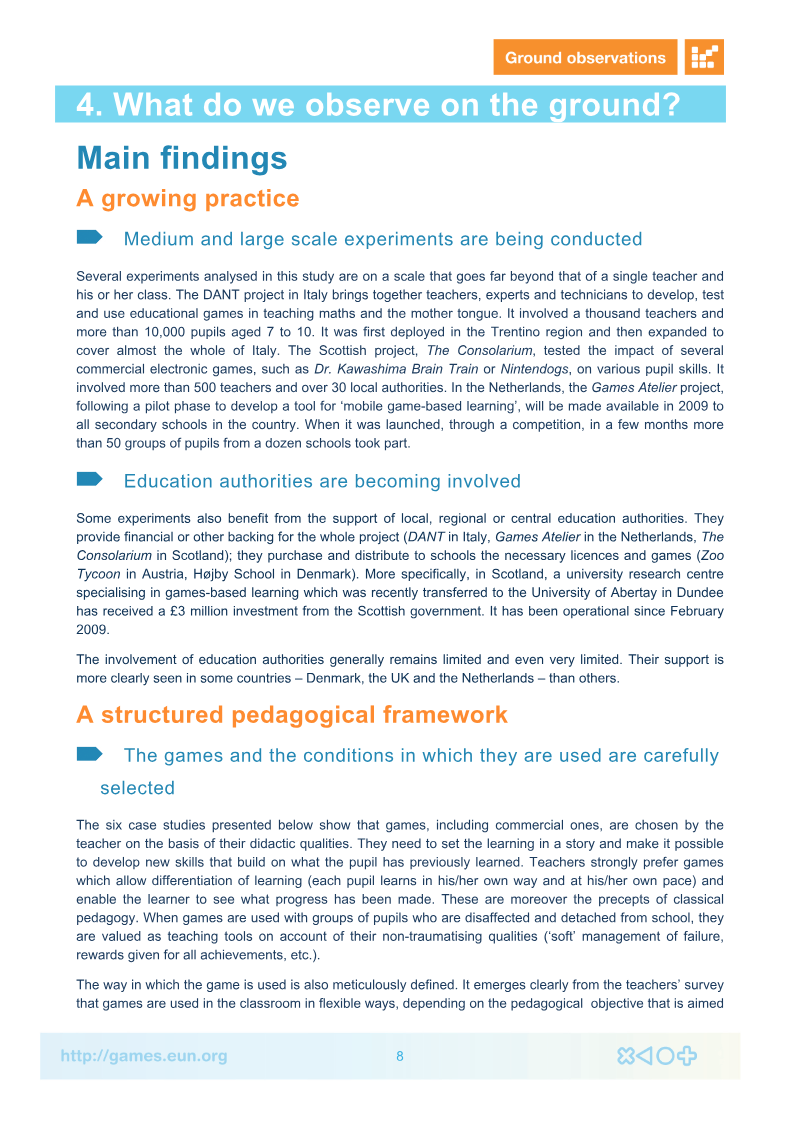
This comprehensive study, conducted by European Schoolnet, evaluates the integration of digital games into classrooms across eight European nations. The research establishes that digital games—ranging from commercial off-the-shelf titles to purpose-built educational software—serve as powerful pedagogical tools capable of increasing student motivation, fostering social and cognitive development, and supporting personalized learning. By shifting students from passive observers to active participants, game-based learning effectively bridges the gap between gaming competence and academic success, particularly for students who struggle in traditional, lecture-based environments.
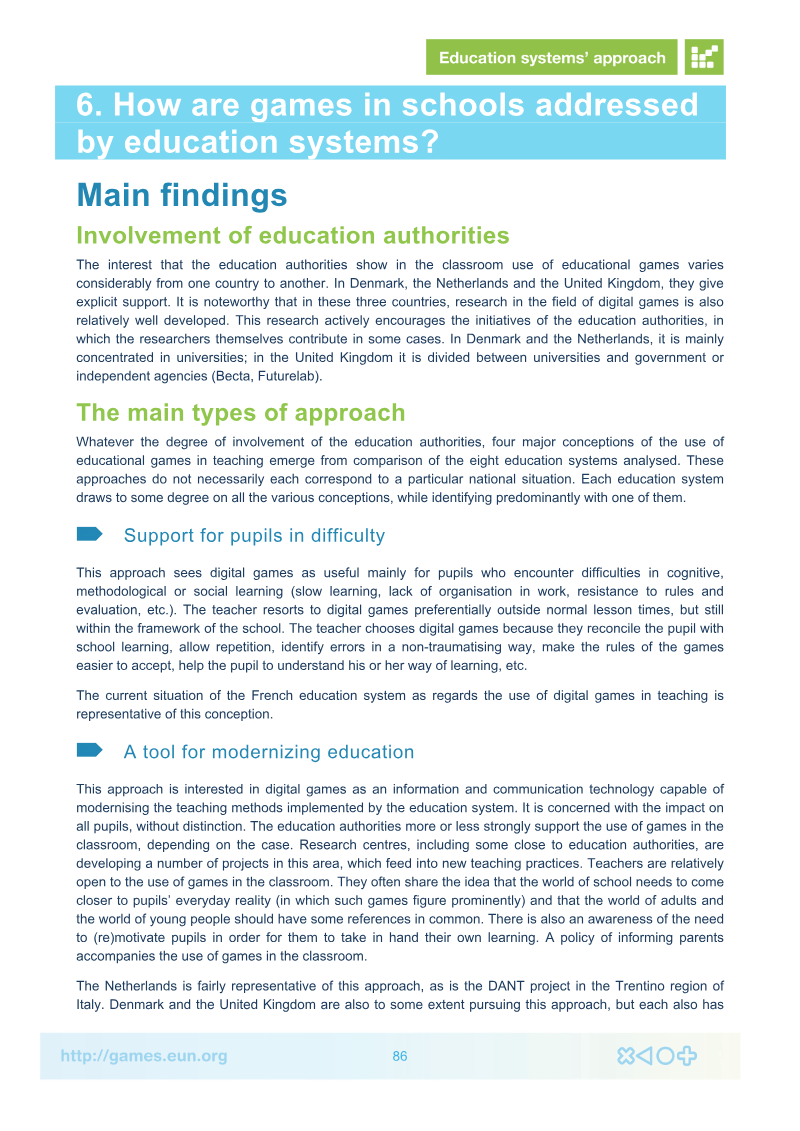
The findings indicate that successful implementation relies less on the specific game title and more on the pedagogical framework surrounding it. Effective integration requires teachers to transition into the role of facilitators who provide structure, reflection, and debriefing. Evidence from various pilot programs, such as those in Scotland, the Netherlands, and Italy, demonstrates that when games are aligned with curriculum goals, they improve performance in core subjects like mathematics, language, and history. Furthermore, the study highlights that students often prefer the immersive, high-quality design of commercial games over traditional educational software, suggesting that the industry and education sectors must collaborate more closely to develop high-quality, curriculum-aligned resources.
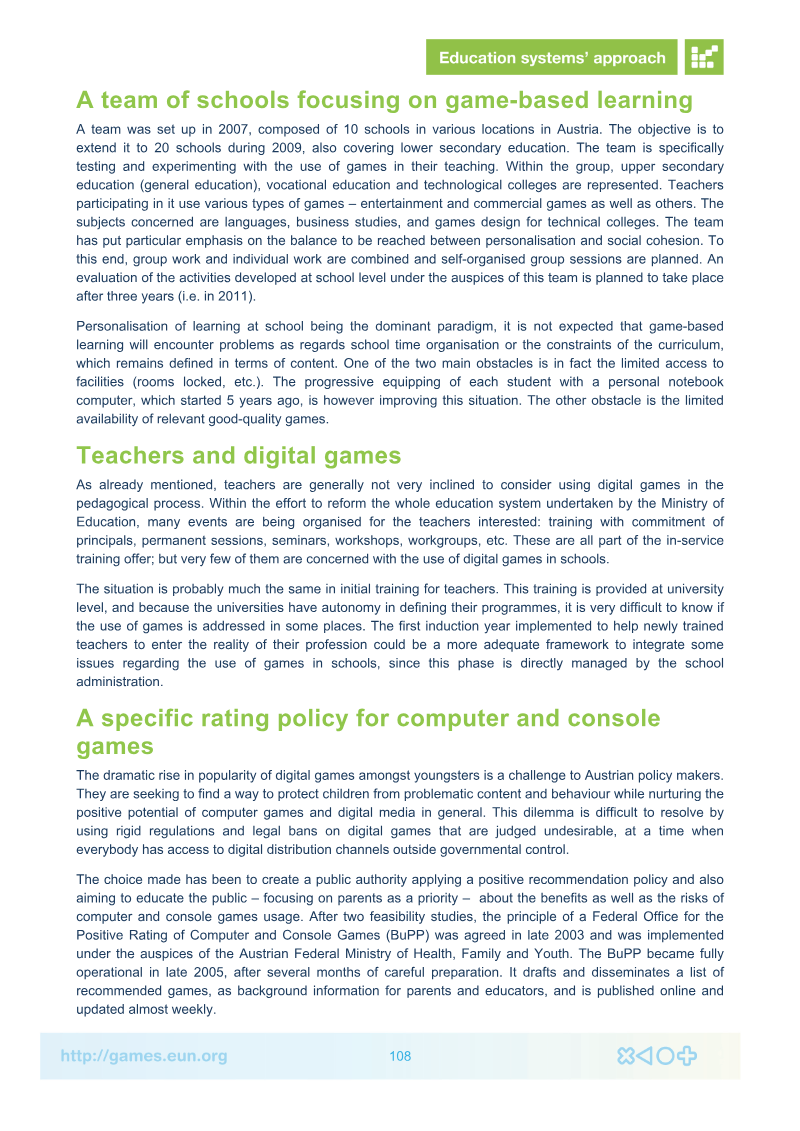
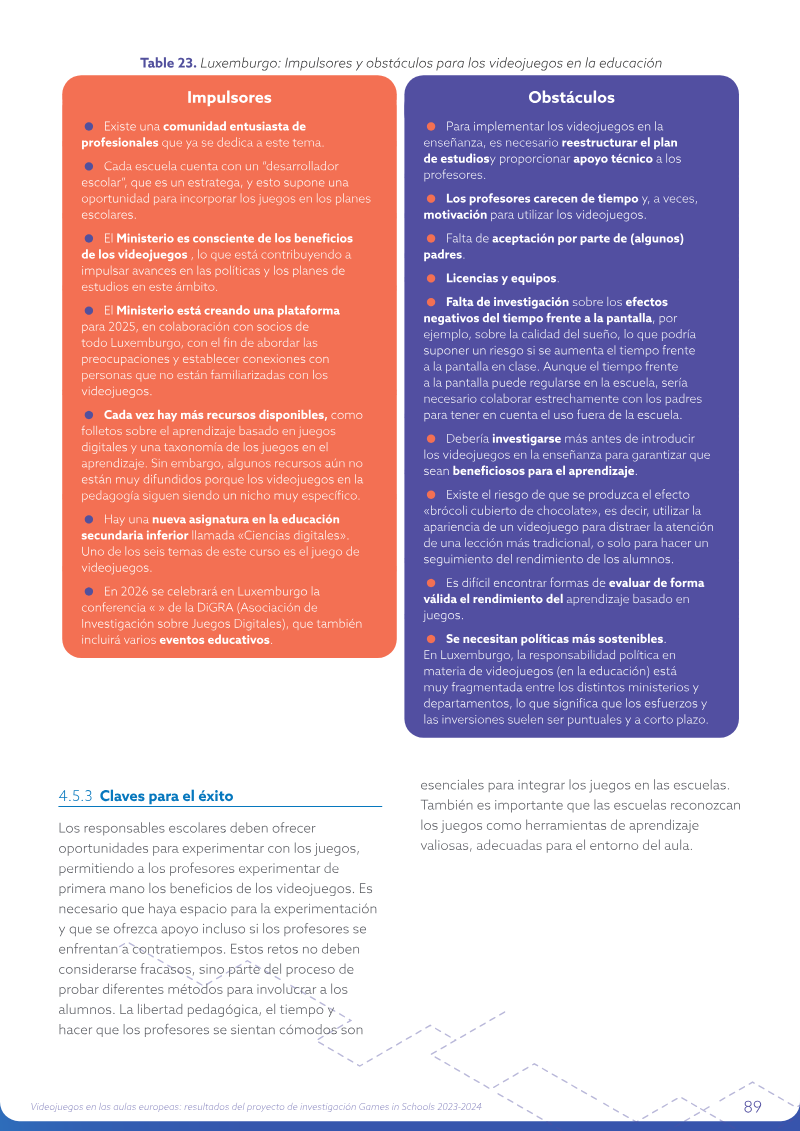
Despite the clear benefits, widespread adoption remains constrained by significant systemic barriers. Educators across Europe report that limited hardware, rigid school timetables, a lack of formal training, and institutional skepticism hinder the transition to game-based learning. While countries like the Netherlands and the United Kingdom have made strides in fostering communities of practice and integrating games into national curricula, other regions remain in early experimental phases or face cultural resistance. The study concludes that for digital games to become a standard educational resource, stakeholders must prioritize teacher training, invest in evidence-based research, and establish collaborative networks that bridge the gap between the gaming industry and formal education systems.

European Schoolnet · 2024

European Schoolnet · 2024

European Schoolnet · 2023


European Schoolnet · 2020

Two & a Half Gamers · 2026