Diversity & Inclusion reports and market data
Documents

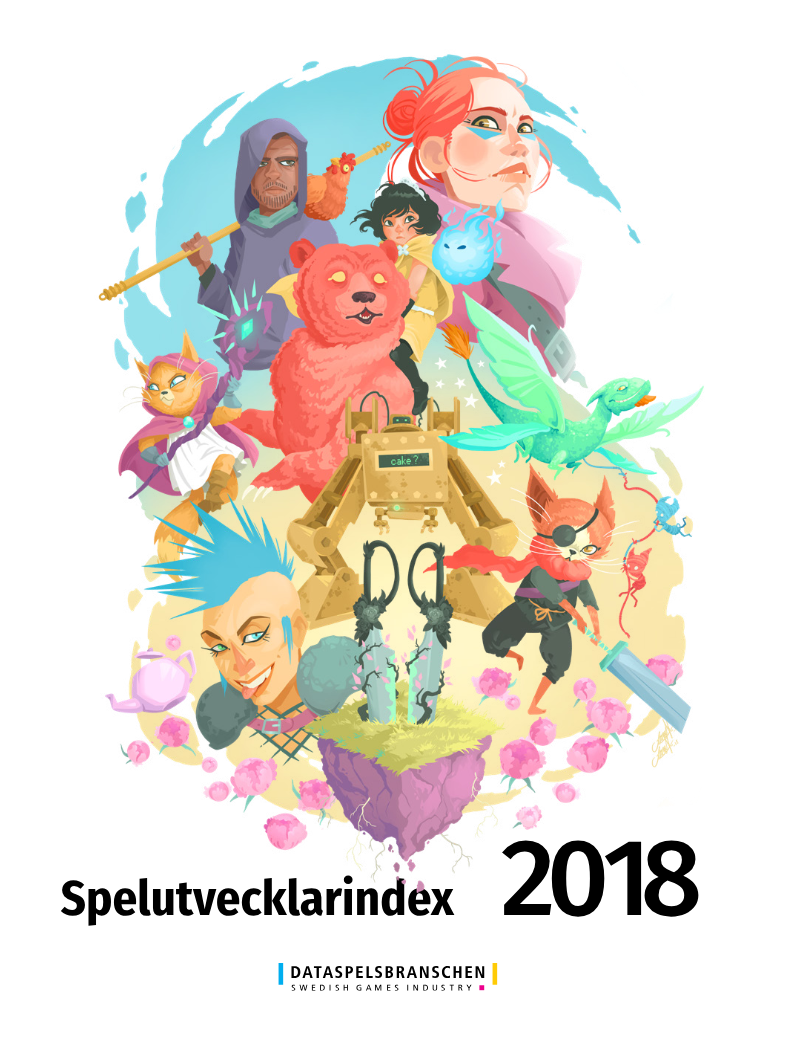
Spelutvecklarindex 2018
The Swedish game industry experienced a period of robust expansion throughout 2017 and 2018, solidifying its position as a globally competitive force.
- The Swedish game industry's revenue reached 14,695 MSEK in 2017, continuing a strong growth trend from 3,715 MSEK in 2012.
- Employment in the Swedish game industry increased by 24% (1,047 full-time positions) in 2017, nearly doubling the 558 new positions from 2016, but companies still face recruitment challenges and a shortage of skilled developers.
- The number of women in the Swedish game industry has quintupled in six years, with women now making up 20% of all employees, and more women are taking leadership roles, such as Ebba Ljungerud becoming CEO of Paradox in August 2018.
Fostering Diversity in Games
Fostering diversity within the gaming industry necessitates a transition from passive rhetoric to intentional, systemic reform.
- Inclusive hiring and team composition are essential drivers of product quality and market resonance rather than just ethical considerations.
- Studios must move beyond passive rhetoric by implementing structural reforms such as blind application reviews and the removal of gendered language from job descriptions.
- Meaningful progress requires rigorous, ongoing auditing of internal processes, including recruitment, professional development, and conference attendance.
AAA Gaming While Blind
Blind gamers are successfully engaging with major AAA sports titles by utilizing 3D spatial audio, engine pitch, and haptic feedback to navigate complex digital environments.
- Developers are shifting from reactive accessibility patching to intentional, inclusive design by embedding features directly into the core development pipeline.
- Studios are utilizing 3D spatial audio, engine pitch, and haptic feedback to allow blind gamers to navigate complex AAA sports environments.
- A no-regression policy is becoming a critical industry standard to ensure accessibility features are maintained or improved through every subsequent game update.
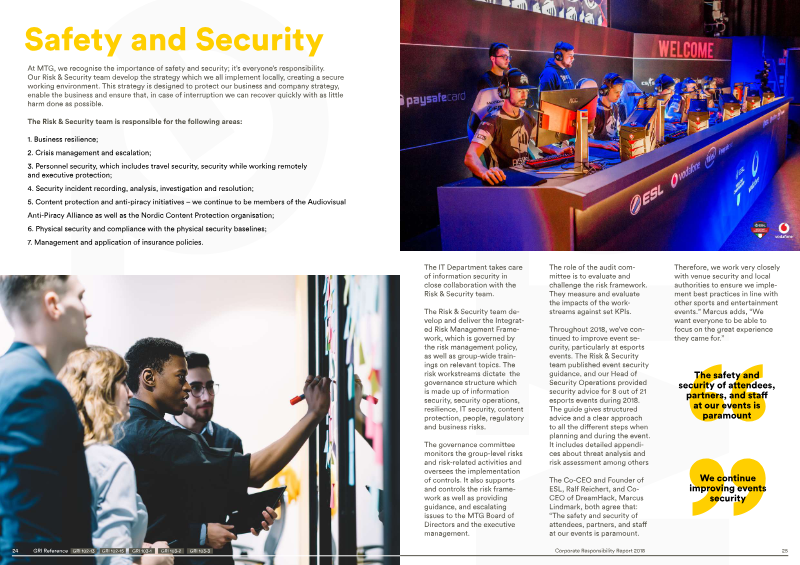
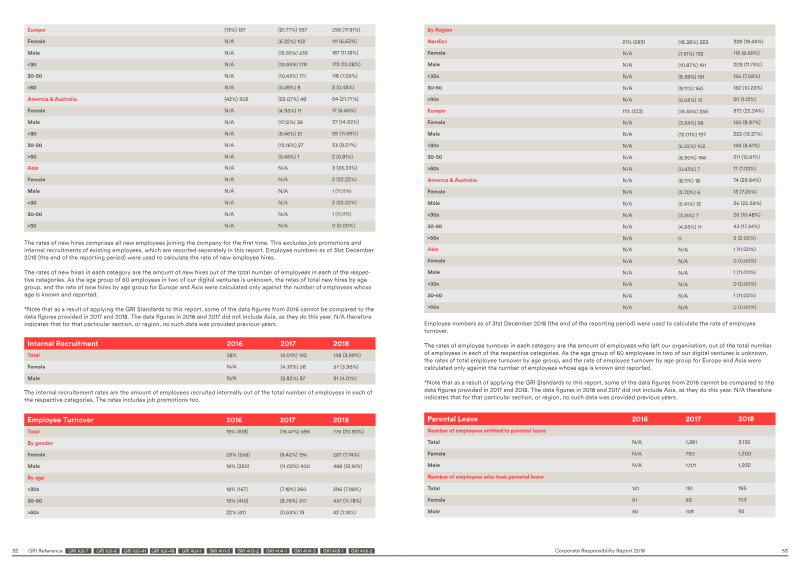
Corporate Responsibility Report 2018
The 2018 corporate-responsibility overview for Modern Times Group (MTG) reflects a year of strategic realignment following the spin-off of its Nordic Entertainment and Studios businesses into the newly listed Nordic Entertainment Group.
- Following the spin-off of Nordic Entertainment Group, MTG realigned its corporate responsibility strategy to focus on esports, gaming, and digital ventures.
- MTG reported net sales between 15 and 20 billion SEK for the 2018 fiscal year.
- The company’s total carbon footprint reached 25,215 t CO₂e, representing a 7% year-on-year increase, despite a reduction in energy intensity to 40 GJ per employee from 66 GJ in 2016.
Leveraging inclusion to build better teams – and games
The game industry is currently facing a critical juncture regarding its internal culture and workforce composition.
- Inclusion is a strategic business imperative that directly enhances creative output and commercial success rather than being a mere demographic quota.
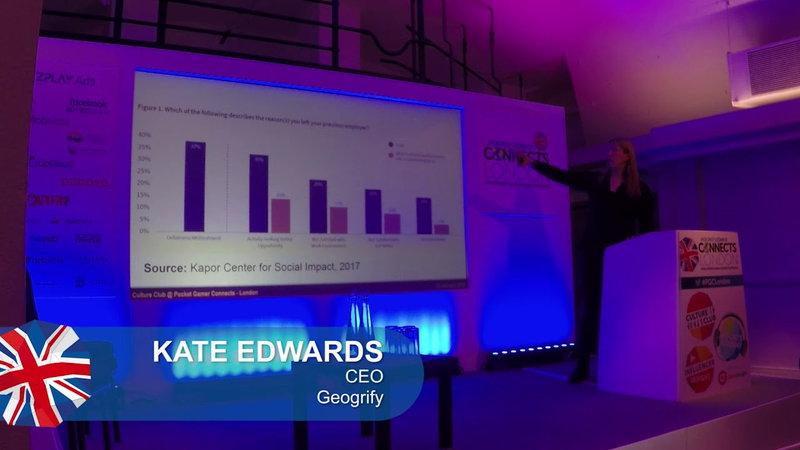
- Systemic bias in performance reviews creates disparate feedback patterns for women compared to men, contributing to talent turnover and perceptions of inequity.
- Unconscious bias frequently influences hiring decisions, as managers often incorrectly perceive diverse teams as disruptive to the development process.
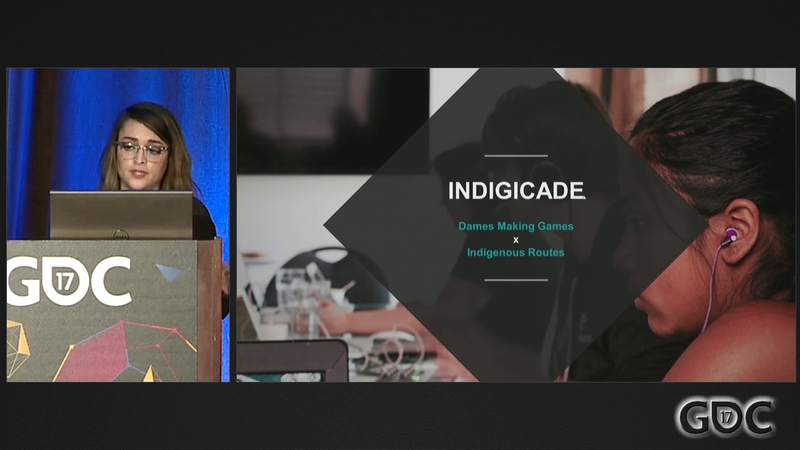
Making Diversity and Inclusion Work
Diversity and inclusion initiatives within the gaming and technology sectors function most effectively when treated as an evolving, systemic process rather than a static checklist of corporate policies.
- Diversity and inclusion must be treated as an evolving, systemic process rather than a static checklist of corporate policies to drive meaningful organizational progress.
- Companies should shift toward a growth mindset where employees at all levels prioritize continuous learning and introspection to dismantle the root causes of exclusionary behavior.
- Top-down mandates and superficial quotas often trigger defensive reactions that undermine collaboration, whereas meritocracy and diversity should be viewed as symbiotic forces for identifying high-quality ideas.
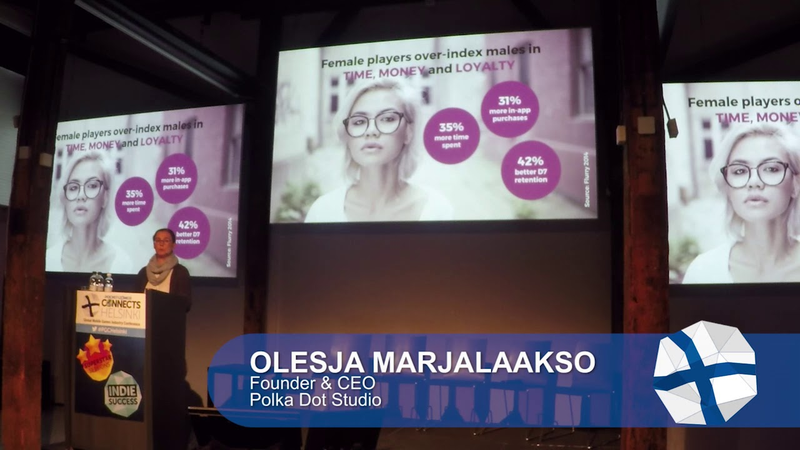
Why aren't there more game developers making games for women?
The mobile gaming industry faces a significant paradox: while women represent a majority of the mobile player base, demonstrate higher engagement and loyalty, and offer lower user acquisition costs, the sector remains heavily focused on male-centric content.
- Women constitute the majority of the mobile gaming player base, yet they remain underserved because less than 10% of core development roles are held by women.
- The industry suffers from a cycle of homogenous development where predominantly male teams design games based on their own personal interests, ignoring the high engagement and loyalty of female players.
- Mobile studios often prioritize 'passion-driven' development and autonomous team structures modeled after companies like Supercell, which inadvertently reinforces hiring biases and excludes female talent.
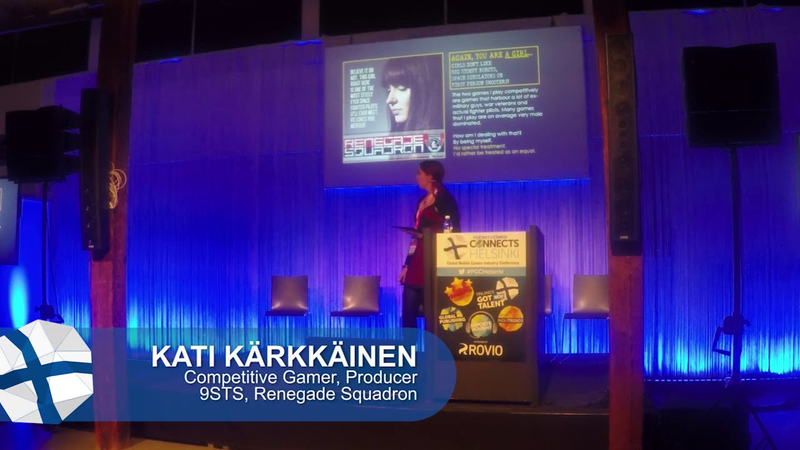
Piloting my way up – Being a competitive woman In gaming
Kati Kärkkäinen, a producer and competitive gamer, explores the cultural and psychological barriers preventing women from participating in esports.
- The underrepresentation of women in esports is primarily driven by societal conditioning that discourages girls from developing traits like aggression, competitiveness, and assertiveness, rather than solely by harassment.
- Competitive success in high-performance gaming requires specific, non-gendered psychological traits including stress tolerance, resilience, and ego strength, all of which can be cultivated through deliberate practice.
- Women often gravitate toward games marketed to their gender or those perceived as requiring 'hard work' over 'brilliance,' reflecting broader societal beliefs about gendered capabilities.
Invent a Game, Reinvent Yourself
The game development industry faces a critical mental health crisis driven by perfectionism, the pursuit of external validation, and the normalization of chronic overwork.
- The game industry faces a mental health crisis fueled by chronic overwork and a culture of perfectionism, which often leads to burnout and impaired cognitive performance.
- Mental health struggles in developers frequently manifest as irritability or social withdrawal rather than sadness, causing these issues to go unrecognized until they severely impact productivity.
- The 'AAA' framework—Audit, Accept, and Act—provides a structured approach for developers to categorize and manage coping strategies, including appraisal, problem, emotion, or occupation-focused methods.

Where it all starts: Episode 1
The modern game development landscape is undergoing a fundamental shift, moving away from traditional, high-cost academic degrees toward specialized, accessible online learning.
- The game industry is shifting away from traditional academic degrees toward specialized, accessible online learning due to a misalignment between formal education and practical technical requirements.
- Career sustainability is threatened by high burnout rates, frequent layoffs, and a systemic industry preference for hiring junior talent over retaining experienced staff.
- The 'magic management math' approach—attempting to increase productivity by simply adding more personnel to AAA projects—is failing, leading to rigid, repetitive roles and stunted professional growth.
Accessibility - The Curb Cut Effect - Extra Credits
The core thesis of this analysis is that accessibility in game design functions through the curb cut effect, a phenomenon where features intended for disabled players provide significant usability improvements for the entire player base.
- Accessibility features function through the 'curb cut effect,' where tools designed for disabled players provide usability improvements that benefit the entire player base.
- Integrating accessibility features during the earliest stages of development prevents costly technical debt, such as broken UI layouts or text-box overflows, that frequently occur during late-stage implementation.
- Accessibility is a fundamental quality-of-life standard that benefits diverse groups beyond the disabled community, including busy parents, players with hardware limitations, and those in noisy environments.
Raising the Bar: 2016's Accessibility Advancements
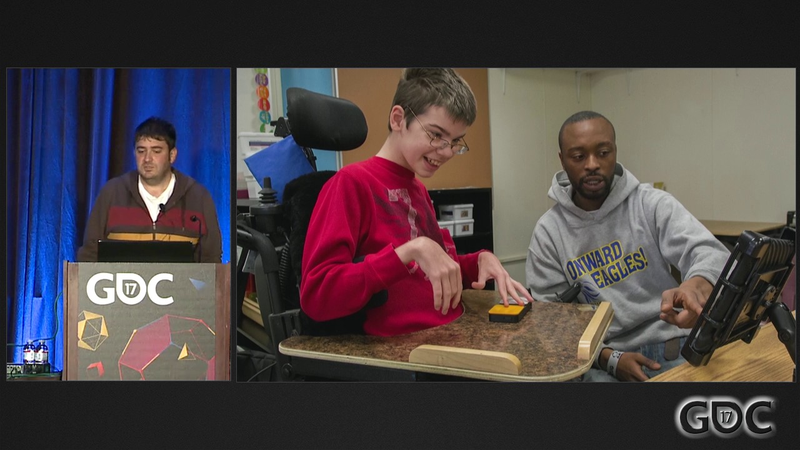
Accessibility in the gaming industry is defined as the systematic removal of environmental barriers that prevent individuals with medical conditions from participating in digital play.
- Approximately 22 percent of the United States adult population lives with a disability, representing a significant market demographic for the gaming industry.
- Accessibility is shifting from niche consideration to a standard expectation, as evidenced by advanced features in high-profile titles like Uncharted 4, including color-blind symbolic indicators and motor-impairment assistance.
- Industry progress is increasingly driven by platform-level and engine-level solutions, such as system-wide button remapping on consoles and Steam, which remove the need for individual developer intervention.