Diversity & Inclusion reports and market data
Documents
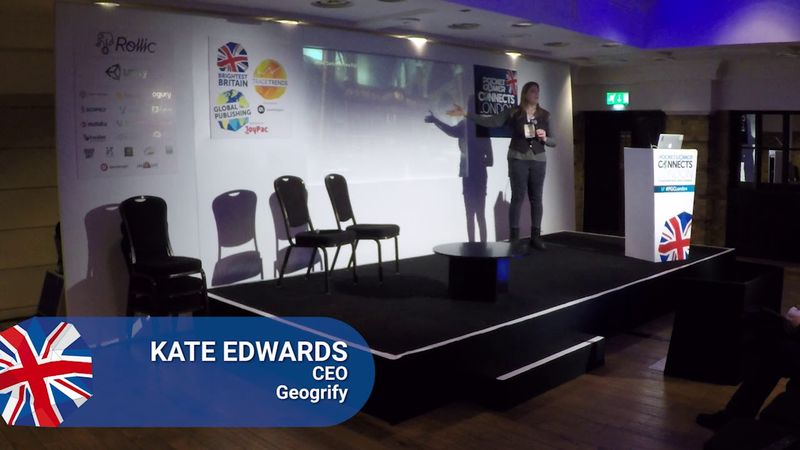
PGC 2020 Sessions @ PGC LONDON - Kate Edwards
Effective world-building in the global gaming industry requires a sophisticated approach to culturalization, balancing creative vision with the diverse political, religious, and social sensitivities of international markets.
- Culturalization is a strategic necessity for global expansion, as developers must align creative content with the specific legal and value-based requirements of international markets to avoid bans or government sanctions.
- China currently stands as the world’s largest gaming market, necessitating that developers navigate its complex regulatory environment and specific cultural expectations to ensure product viability.
- Developers face significant risks when depicting sensitive geopolitical boundaries, historical events, or territorial disputes, particularly involving nations like China, India, Japan, and Korea.
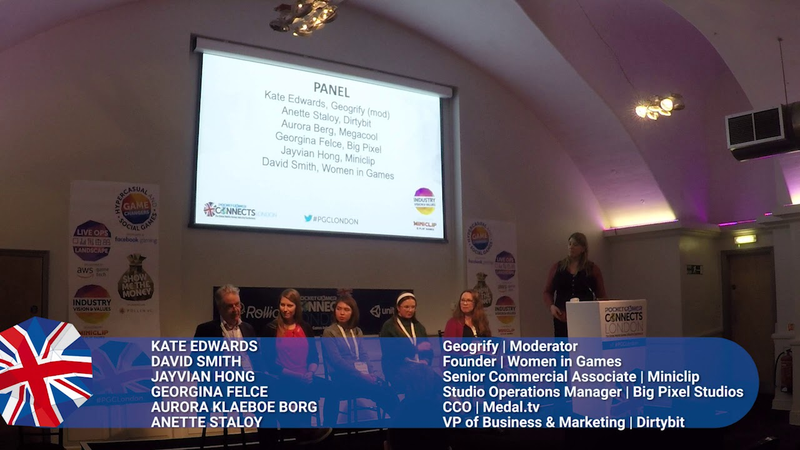
Panel: What Needs to be Done to Guarantee a Harrassment-free Company
This panel discussion, held at Pocket Gamer Connects London in January 2020, explores strategies for fostering harassment-free environments within the video game industry.
- Companies must move beyond passive policies toward active, transparent, and inclusive leadership to mitigate harassment risks and ensure accountability.
- Data indicates that 75% of disruptive online behavior is attributed to men, highlighting a specific demographic that requires targeted intervention strategies.
- Effective anti-harassment frameworks must be tailored to specific company cultures rather than relying on generic templates.

Fireside Chat: Sustainable Diversity - Women in Games
The industry-wide challenge of fostering diversity and inclusion in the games sector requires a dual approach that combines internal corporate initiatives with broader societal education.
- Diversity initiatives must be treated as long-term strategic investments rather than short-term fixes, requiring a multi-year commitment to achieve meaningful demographic shifts.
- Corporate diversity efforts should extend beyond gender to encompass neurodiversity, accessibility, race, and socioeconomic background to drive product innovation and employee retention.
- Securing leadership buy-in for diversity programs is most effective when utilizing data-driven advocacy that links diverse team composition to increased commercial profitability.

Panel: Games for Good
The panel discussion, held at Pocket Gamer Connects London in January 2020, explores the integration of social responsibility, diversity, and environmental sustainability within the video game industry.
- Inclusive organizations experience a 30% to 40% increase in performance, demonstrating that diversity is a strategic driver of profitability rather than just an altruistic goal.
- Modern consumers increasingly demand that gaming brands take public stances on social and environmental issues, making purpose-driven initiatives essential for maintaining market relevance.
- The traditional reliance on a homogenous demographic of young, male developers has historically restricted the industry's creative scope and limited potential audience engagement.
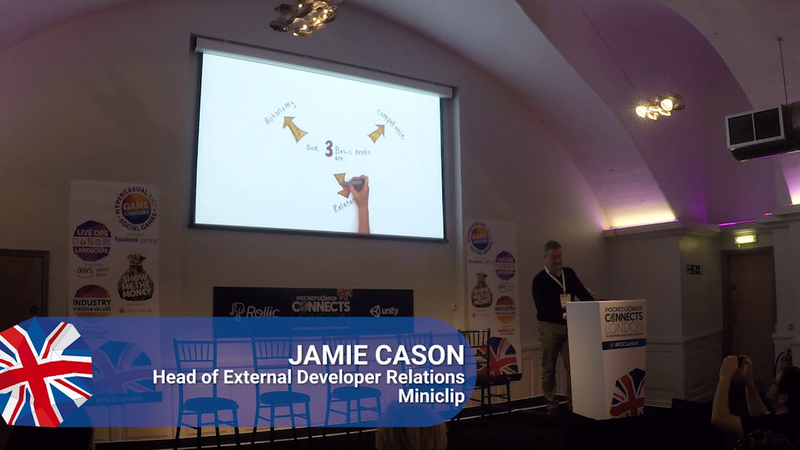
Keynote: Miniclip The Importance of Having Relevant Values to Ensure a Happy & Productive Workplace
The mobile gaming industry holds significant global influence, reaching approximately 2.4 billion people and accounting for 74 percent of total app spending.
- The mobile gaming industry reaches approximately 2.4 billion people and accounts for 74 percent of total global app spending, necessitating a focus on ethical organizational structures.
- Corporate culture should be aligned with the three pillars of self-determination theory—autonomy, competence, and relatedness—to drive both employee engagement and player retention.
- As gaming companies scale beyond the startup phase, they must transition from informal, founder-led cultures to formalized, consultative processes to maintain purpose and prevent workplace toxicity.
Diversity and Inclusion Starter Kit
This presentation outlines a framework for establishing sustainable Diversity and Inclusion (D&I) initiatives within small to medium-sized game development studios.
- Avalanche Studios New York achieved a near-doubling of female hires and a significant increase in the representation of people of color between 2016 and 2018 by implementing a long-term, incremental D&I strategy.
- Successful D&I initiatives require a dual-track approach that simultaneously fosters an inclusive internal culture and implements structured improvements to recruitment processes.
- Studios can improve recruitment outcomes by training interviewers to mitigate bias, adopting gender-neutral job descriptions, and expanding outreach to diverse professional and academic organizations.
Frag You, Pay Me: Getting Started with Salary Negotiation
Salary negotiation serves as a fundamental career competency, yet professionals in the game industry frequently undervalue their labor due to the pervasive "dream job" narrative.
- The 'dream job' narrative in the game industry often leads professionals to undervalue their labor, resulting in systemic pay inequality and significant lifetime earnings losses.
- Candidates should reframe salary negotiation as a proactive career-shaping tool rather than a hostile confrontation to overcome self-limiting beliefs like imposter syndrome.
- Hiring managers are highly motivated to fill vacancies to mitigate operational risk, which provides candidates with essential leverage to advocate for fair compensation.

Squeezing into the Industry: How a Couple African Kids Made a Video Game
The independent game development landscape presents formidable barriers to entry, particularly for creators operating outside traditional global hubs like North America or Europe.
- Emerging studios in isolated regions must prioritize long-term institutional survival and reputation building over the pursuit of immediate blockbuster success.
- Strategic survival requires aggressive scope management and maintaining a constant, demo-ready state to facilitate engagement with Western markets.
- Financial sustainability for first-time developers often necessitates a reliance on government grants and significant personal sacrifice to offset high development costs.
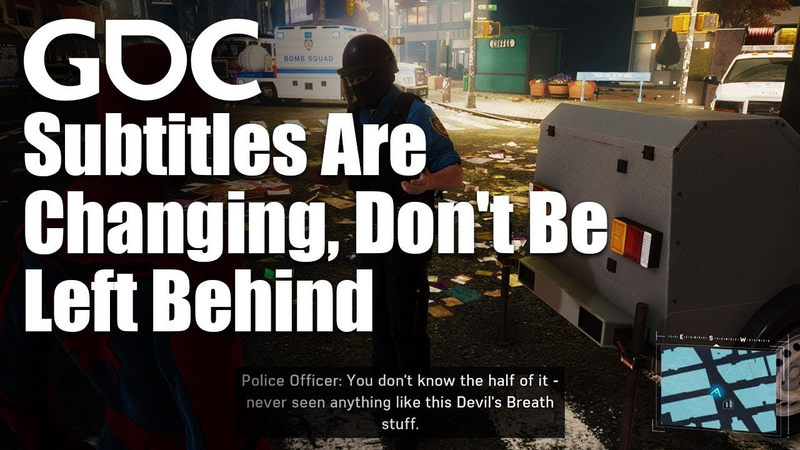
Subtitles Are Changing, Don't Be Left Behind
Subtitles are a critical accessibility feature in modern gaming, serving a diverse user base that extends far beyond the deaf and hard-of-hearing community.
- Over 60% of players utilize subtitles, as evidenced by usage metrics from Assassin’s Creed Origins, indicating that demand extends well beyond the deaf and hard-of-hearing community.
- Effective readability requires a minimum font size of 46 pixels at 1080p, with text limited to two or three lines per screen and a maximum of 38 characters per line.
- Developers must prioritize high contrast by using drop shadows, outlines, or adjustable background boxes to ensure text remains legible against varying game environments.
Our story in Games Development
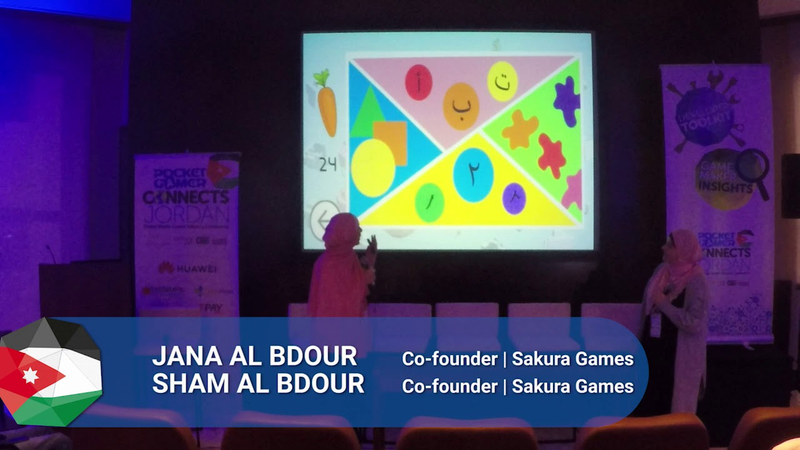
Sakura Games, founded by teenage developers Sham and Jana Al Bdour, focuses on the development of edutainment software designed to integrate interactive learning into school curricula.
- Sakura Games, founded by Sham and Jana Al Bdour in Jordan, develops edutainment software using the Unity engine and Autodesk Maya to integrate interactive learning into school curricula.
- The studio targets the underserved MENA market by creating specialized educational tools, such as the award-winning language-learning game Crimson, to address gaps in traditional schooling.
- The founders prioritize pedagogical value over standard gaming tropes by drawing design inspiration from the animation and film industries rather than traditional gaming sectors.
The Video Game Industry in France: 2020 Edition Economic Context and Production
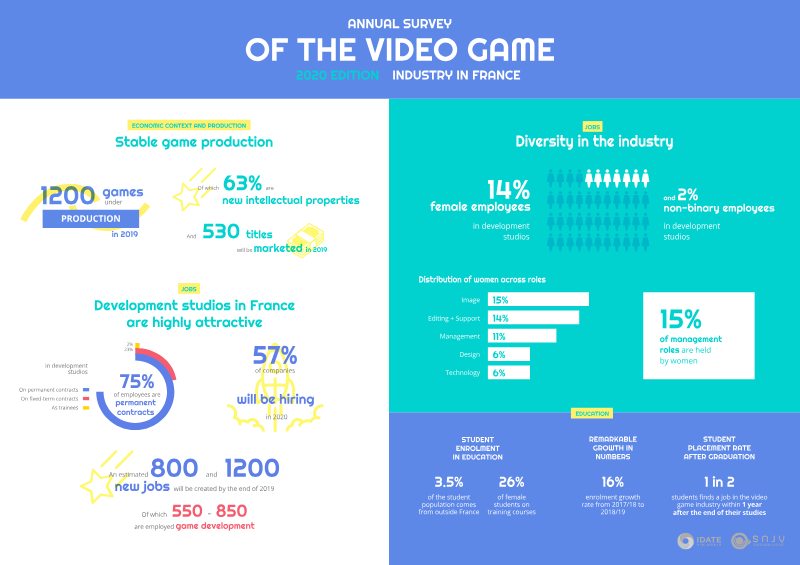
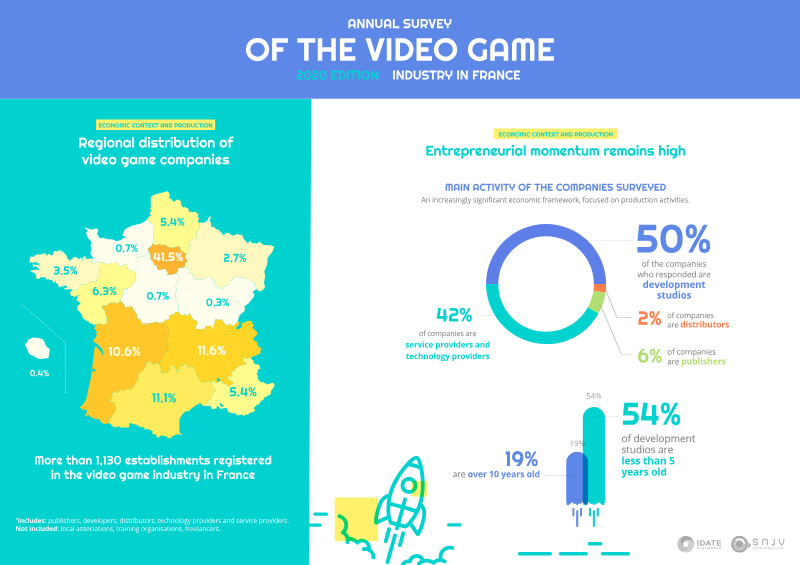
The French video game industry demonstrates robust entrepreneurial momentum and a strong focus on production, characterized by a diverse ecosystem of over 1,130 establishments.
- The French video game industry comprises over 1,130 establishments, with development studios representing 50% of the sector and service/technology providers accounting for 42%.
- The industry demonstrates a strong commitment to original content, with 63% of the 530 titles marketed in 2019 based on new intellectual properties.
- Employment is characterized by stability and growth, with 75% of the workforce on permanent contracts and projections for 800 to 1,200 new jobs created by the end of 2019.
Game Developer Index: Sweden 2020
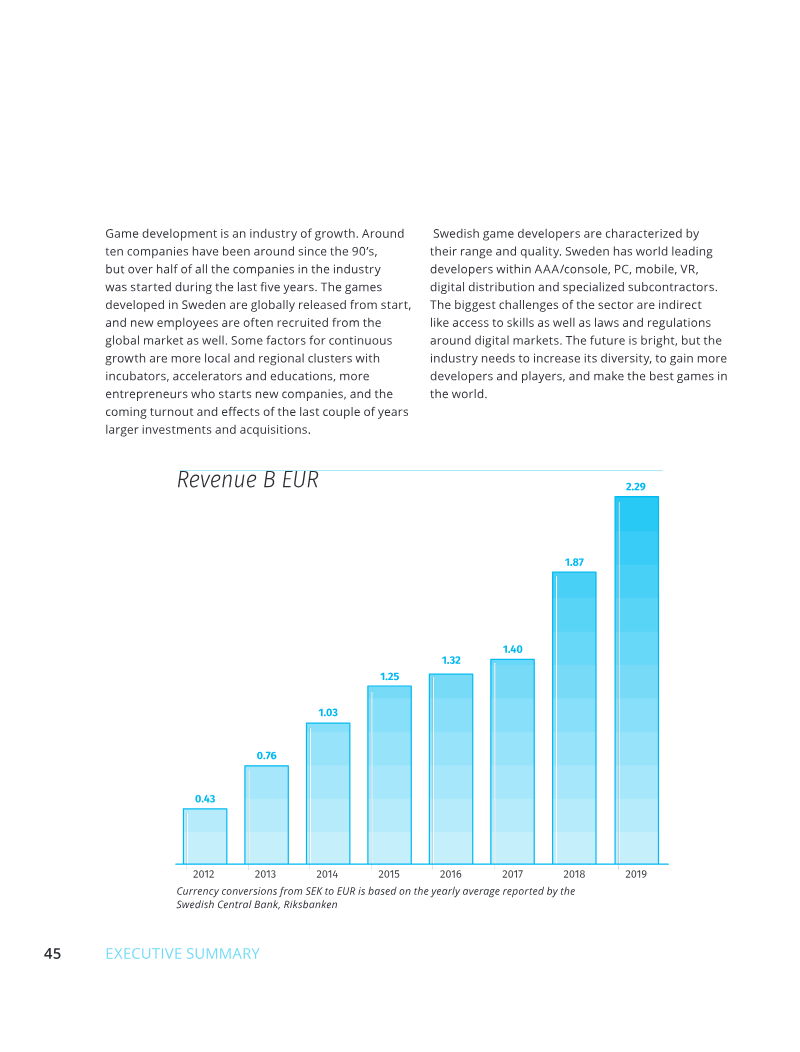
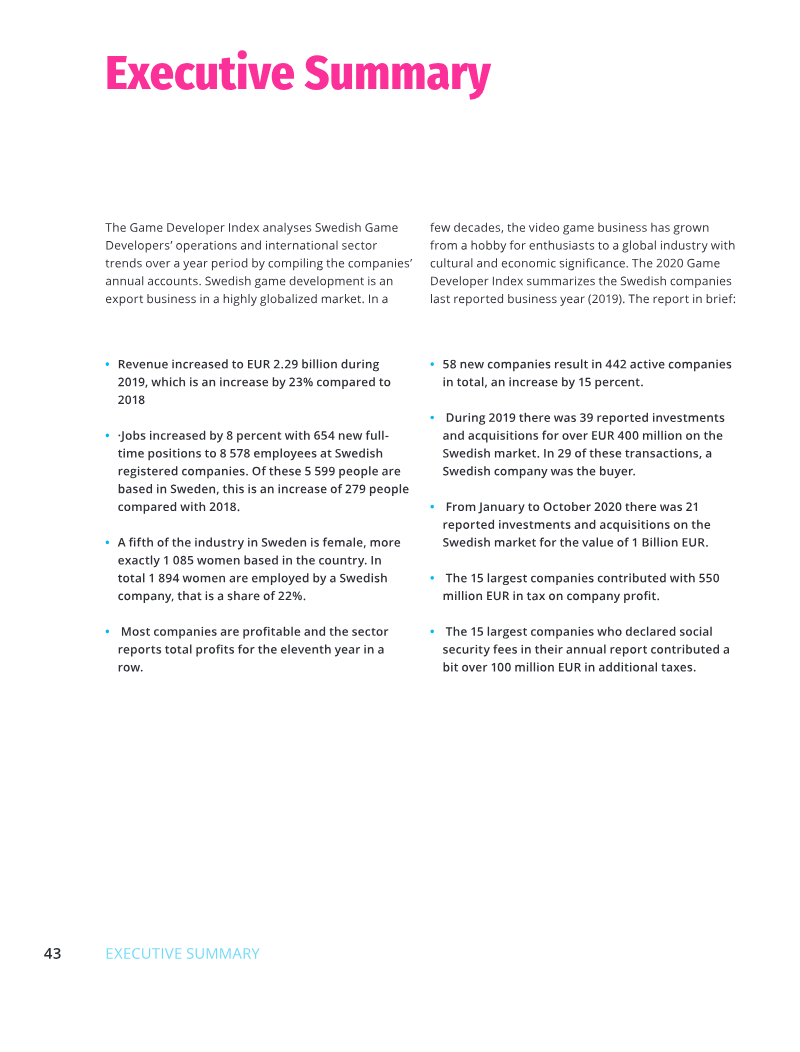
The Swedish game development industry demonstrates robust economic expansion and sustained profitability, functioning as a highly globalized export sector.
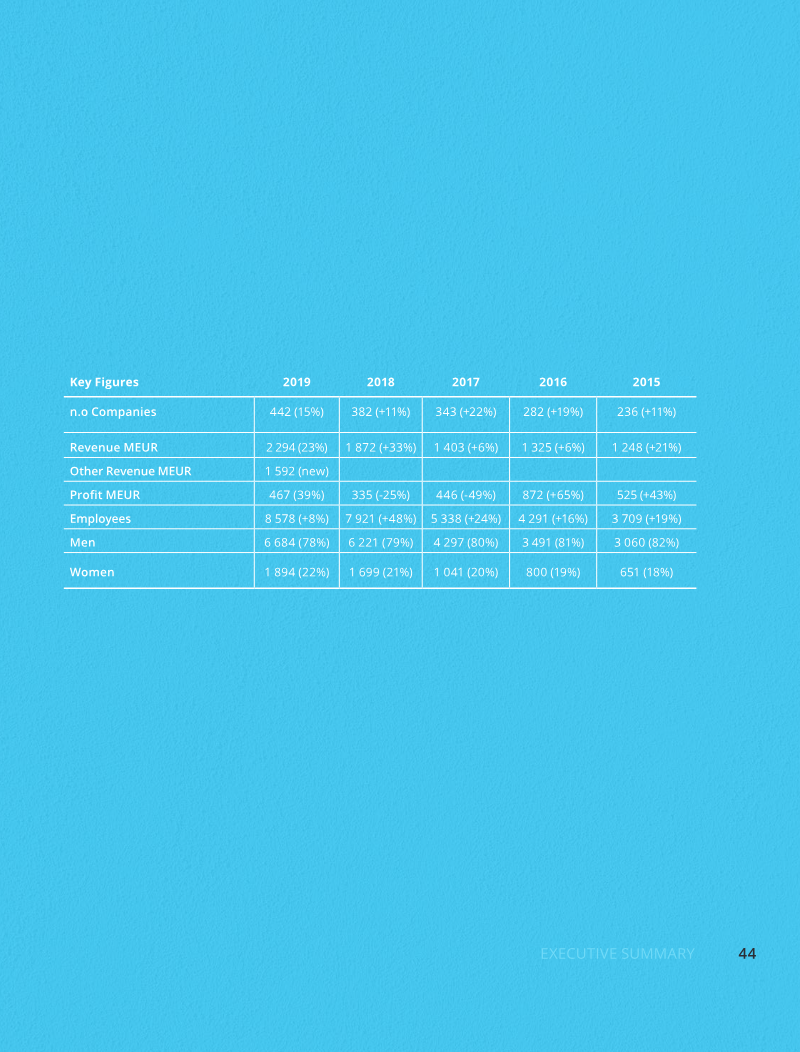
- The Swedish game industry generated EUR 2.29 billion in revenue in 2019, marking a 23 percent year-over-year increase and the eleventh consecutive year of sector-wide profitability.
- Investment activity surged significantly, with 39 transactions totaling over EUR 400 million in 2019, followed by 21 transactions valued at EUR 1 billion between January and October 2020.
- The industry workforce grew to 8,578 full-time positions by the end of 2019, with 5,599 of those employees based in Sweden and women representing 22 percent of the total headcount.