Advertising reports and market data
Documents
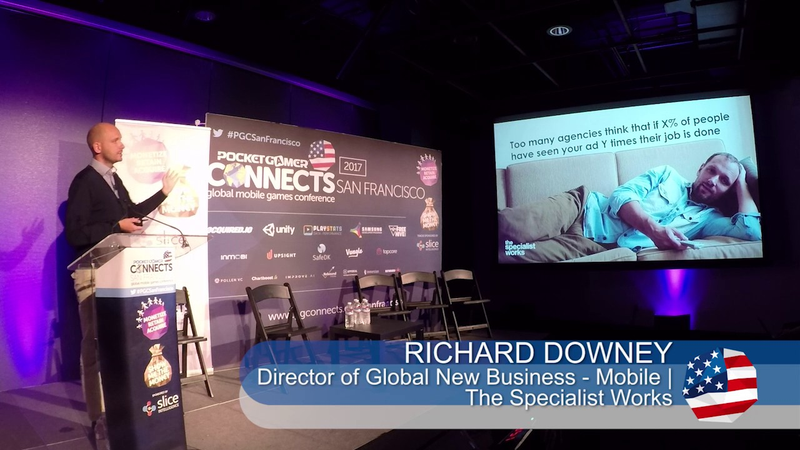
Using TV to drive app downloads at scale
Television remains a powerful tool for large-scale mobile app user acquisition, yet traditional advertising models often fail to meet the needs of modern mobile publishers due to their inherent rigidity and lack of performance-based data.
- Mobile publishers should shift from traditional broad-reach TV buying to a performance-based model that prioritizes agility, real-time optimization, and clear attribution.
- Attribution for TV campaigns is most accurately measured by monitoring organic install baselines and daily uplifts rather than relying on short-term, granular click-through windows.
- Performance analysis should utilize 24-hour cycles to account for the delay between viewing a TV spot and the user completing an app download.
2017 Advertising Megatrends
The digital advertising landscape underwent a significant shift in 2016 as digital spending surpassed television, a milestone previously not expected until 2017 or 2018.
- Digital advertising spending surpassed television in 2016, a shift accelerated by mobile-first audience migration in the Asia-Pacific region.
- Mobile advertising is forecast to grow from $28 billion in 2016 to $50 billion by 2018, while desktop advertising growth remains stagnant.
- Facebook, Google, and Snapchat captured 70 percent of the $77 billion U.S. mobile advertising market in 2016 by utilizing closed-loop ecosystems that eliminate intermediaries.

DCMN on why mobile game TV advertising is something for everyone
Television advertising serves as a highly effective performance-based user acquisition channel for the mobile gaming industry, offering a viable alternative to traditional digital marketing.
- Television advertising functions as a performance-based user acquisition channel that delivers higher-quality users with faster monetization and longer retention compared to social media or search engine advertising.
- Developers can track television ROI by using proprietary systems that measure organic traffic baselines and analyze organic uplift on both a spot-to-spot and campaign-wide basis.
- While television advertising requires a higher initial financial commitment to generate sufficient market pressure, it remains a cost-competitive alternative to traditional digital marketing.
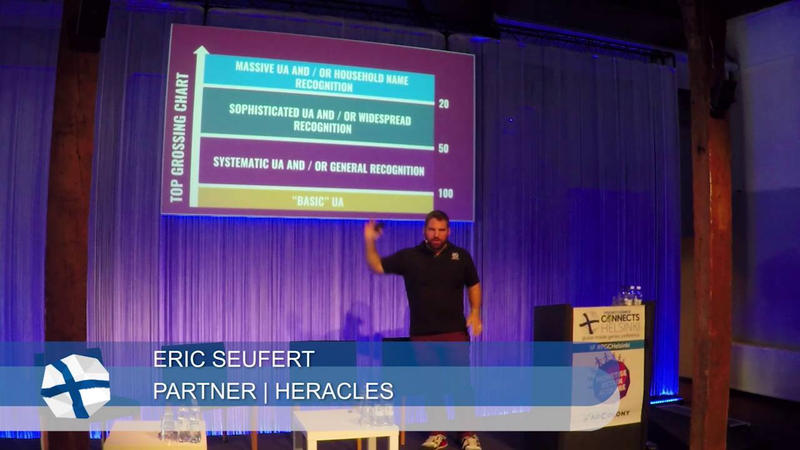
Doing a lot with a little – Mobile user acquisition on a budget
Mobile user acquisition (UA) for studios with limited budgets requires a shift in strategy from the high-risk, high-capital models used by major industry players.
- Prioritize firm-level economics by ensuring daily revenue consistently exceeds daily marketing spend to maintain solvency and avoid the high-risk, long-horizon capital models used by larger studios.
- Focus limited budgets on a small number of major ad networks rather than spreading resources thin, which allows for higher data density and more reliable optimization of ad creatives.
- Mitigate the lack of statistical certainty in small data sets by bidding against short-term, high-confidence LTV metrics rather than attempting to project unreliable 180-day LTV figures.
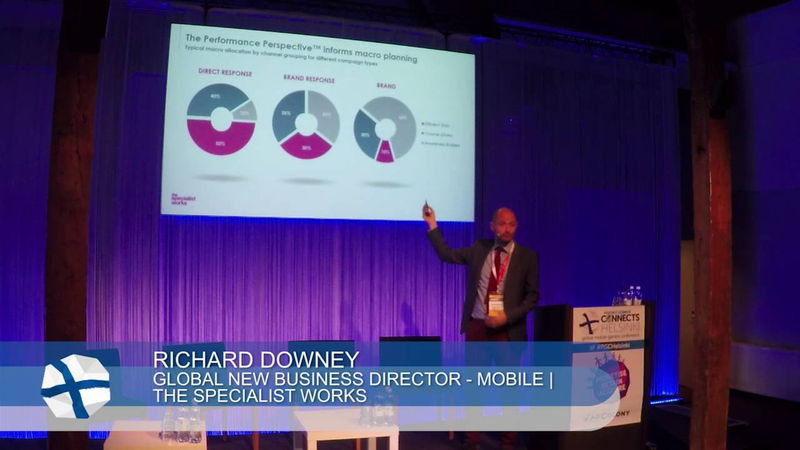
Using trackable and optimisable TV campaigns to drive large scale mobile game user acquisition
The Specialist Works advocates for a performance-driven approach to television advertising, specifically designed to help mobile game publishers achieve large-scale user acquisition.
- Mobile game publishers can treat television as a performance-based acquisition channel by applying digital marketing principles like real-time tracking and iterative optimization.
- TV campaigns are measured by integrating airtime data with mobile attribution partners such as AppsFlyer, Adjust, and Tune to correlate specific TV spots with organic download spikes.
- Proprietary attribution tools filter out baseline organic noise to isolate the impact of specific TV channels and creative assets, accounting for the longer user journey typical of app downloads.
Your treasure map towards successful mobile user acquisition
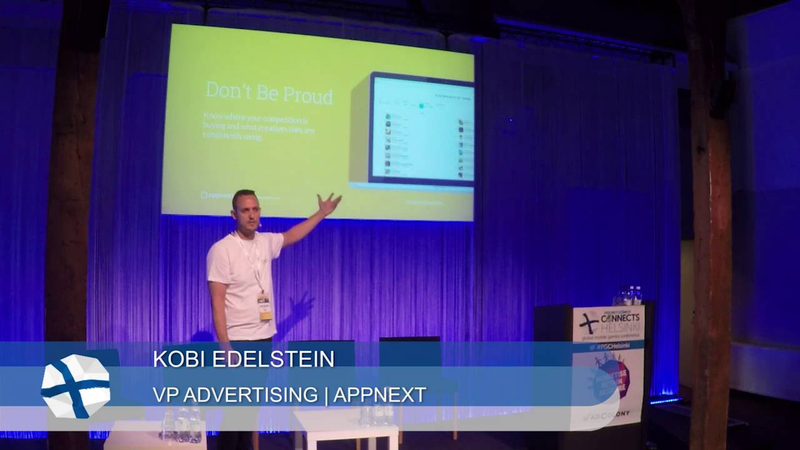
Successful mobile user acquisition requires a strategic, data-driven approach that prioritizes game readiness, transparency, and the mitigation of pervasive industry fraud.
- Mobile developers lose an estimated $7.2 billion annually to fraudulent activity, including bot traffic and organic install hijacking.
- Games must be fully optimized for retention and monetization before launching paid campaigns to avoid poor conversion rates and weakened leverage with media partners.
- Fraud detection requires monitoring for suspicious patterns such as unreasonable click-to-install times, repetitive device behavior, and discrepancies between pre-install and post-install engagement metrics.

Why Sports and Brands Want to Be in Esports
This analysis explores the strategic motivations behind the increasing integration of traditional sports organizations and global consumer brands into the esports ecosystem.
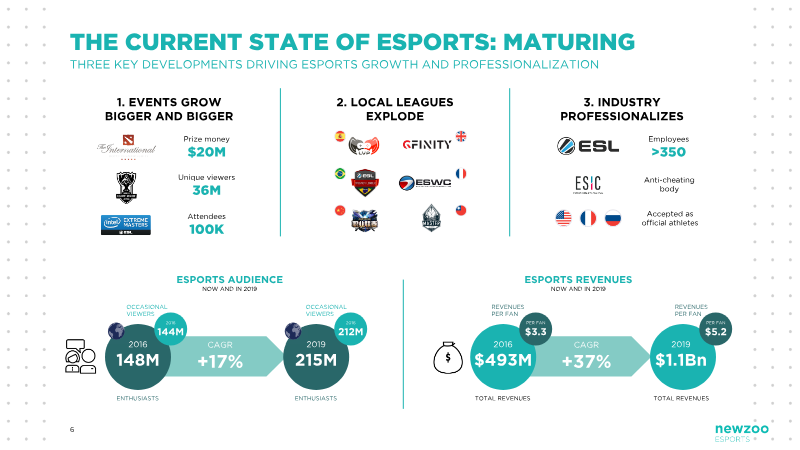
- Esports revenue is projected to reach $1.1 billion by 2019, reflecting a 37% compound annual growth rate.
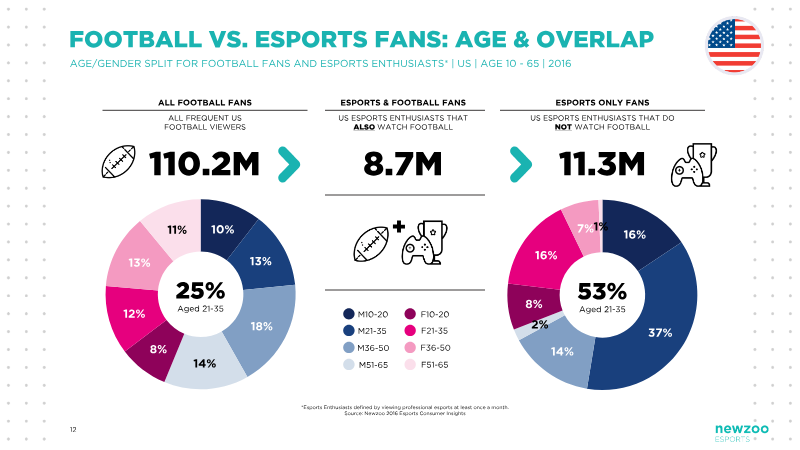
- Among men aged 21 to 35 in the United States, esports viewership has reached 22%, achieving parity with traditional sports like baseball and ice hockey.
- The esports audience is characterized by high digital engagement, showing a distinct preference for platforms like Twitch and Instagram and a stronger affinity for technology brands compared to traditional sports fans.
Maximising ad revenue through the next generation of Mobile advertising
Mobile game developers can unlock significant new revenue streams by shifting from traditional interstitial and video advertising toward immersive, brand-sponsored gameplay experiences.
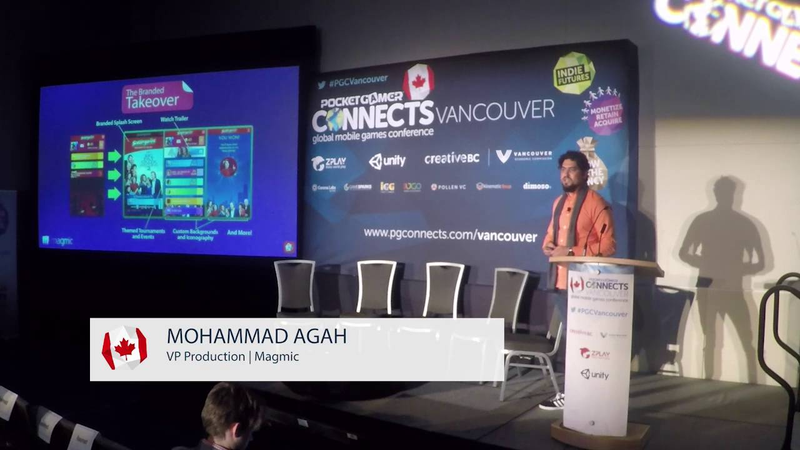
- Mobile game developers can generate higher revenue by replacing traditional interstitial ads with immersive, brand-sponsored gameplay experiences integrated via server-side architecture.
- A Scattergories campaign with Universal Studios generated 16.5 million impressions, exceeding its 12 million-impression goal and producing six-figure revenue that outperformed standard advertising models.
- Branded content drives deep user engagement, as evidenced by Scattergories players participating in themed tournaments an average of 16.3 times with session lengths reaching 33 minutes.

How The Specialist Works tracks mobile app downloads from TV ads
The Specialist Works provides a framework for integrating offline media, specifically television, into mobile user acquisition strategies.
- The Specialist Works enables performance-based TV advertising by correlating broadcast schedules with organic download spikes to attribute mobile installs to specific TV spots.
- Attribution is achieved by establishing baseline organic download rates and monitoring deviations within specific windows following a broadcast.
- Once installs are attributed to a TV spot, mobile SDKs track post-install metrics like lifetime value, retention, and in-app purchases to measure campaign ROI.
Trends in mobile game brands and branding
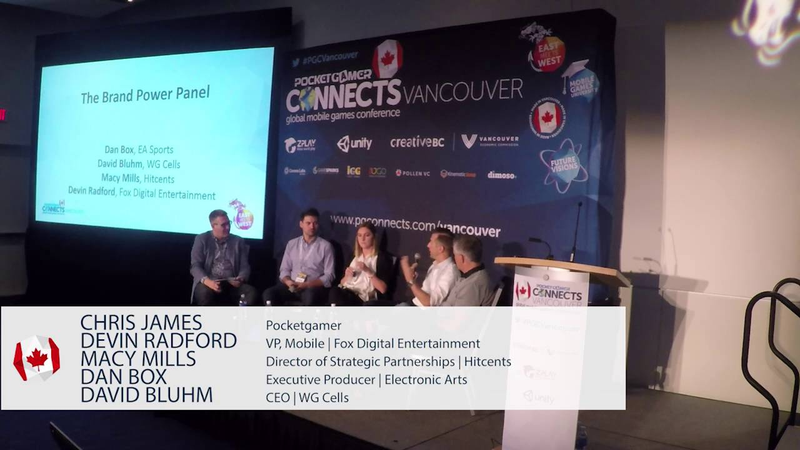
Mobile game branding functions as a strategic lever to mitigate rising user acquisition costs by capitalizing on established intellectual property.
- Mobile game branding is increasingly used as a strategic tool to counter rising user acquisition costs by leveraging established intellectual property to drive organic downloads.
- Successful IP integration now requires deep, collaborative partnerships where brand owners actively participate in the creative development process rather than acting as passive licensors.
- Major gaming franchises, including Call of Duty and Assassin’s Creed, are expanding into film and television to transform gaming titles into comprehensive, cross-media entertainment brands.

Next Games - 비디오 광고 수익 극대화를 위한 Top Tip!
The integration of video advertisements into mobile games serves as a powerful tool for both monetization and player engagement, provided the implementation is strategic and user-centric.
- Strategic video ad integration can boost key financial metrics, as evidenced by Compass Pointe West, which saw a 20% increase in repeat purchases, a 15% higher conversion rate, and a 50% increase in average revenue per paying user.
- Well-executed ad strategies do not cannibalize in-app purchases; instead, they act as a gateway to the premium economy by allowing non-paying users to experience premium items.
- High-performing ad implementations can achieve a 75% daily active user engagement rate, generating an average of six cents per player daily.

Machine Zone, Supercell and King spent $200M on US TV ads in 2015
The mobile gaming industry experienced a significant shift in marketing strategy during 2015, characterized by a rapid expansion into traditional television advertising.
- US television advertising spend for video games reached $630 million in 2015, marking a 47% year-over-year increase driven primarily by mobile-only studios.
- Machine Zone, Supercell, and King collectively spent nearly $200 million on US TV ads in 2015, with individual spends of $93 million, $60 million, and $41 million respectively.
- Top-tier mobile developers are utilizing a 'brute force' marketing strategy, leveraging calculated player lifetime value data to justify massive investments in broad-reach traditional media.