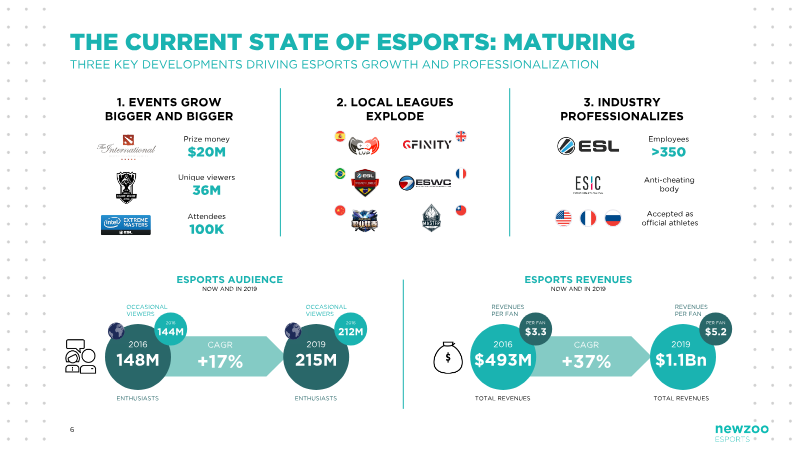
This represents a 37% compound annual growth rate. The industry is transitioning from a niche hobby to a major entertainment pillar.
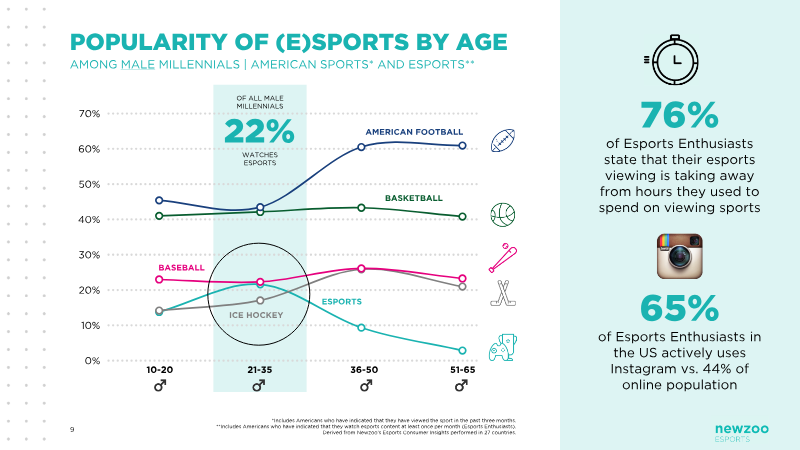
22% of men aged 21 to 35 in the United States watch esports. This figure achieves parity with traditional sports like baseball and ice hockey.
They also have a stronger affinity for technology brands.
This digital-native demographic is increasingly difficult to reach through conventional media. Esports offers a unique, high-growth channel for engagement.
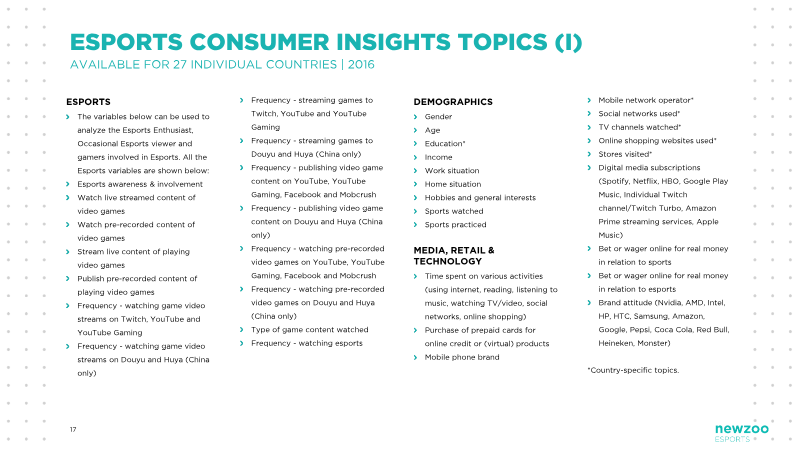
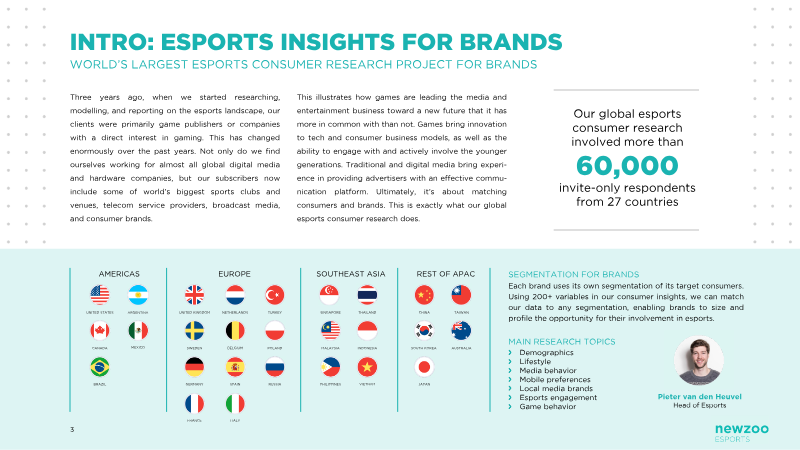
The study covers 27 countries and utilizes 200 variables. These variables profile demographics and media behaviors.
This analysis explores the strategic motivations behind the increasing integration of traditional sports organizations and global consumer brands into the esports ecosystem. The primary thesis posits that esports offers a unique, high-growth channel to engage a young, digital-native demographic that is increasingly difficult to reach through conventional media. By leveraging data from over 60,000 respondents across 27 countries, the research highlights how games have evolved into a global spectator sport, characterized by a professionalizing industry and a rapidly expanding audience.
Key findings indicate that esports is achieving parity with traditional sports in terms of popularity among male millennials. In the United States, 22% of men aged 21 to 35 watch esports, a figure comparable to baseball and ice hockey viewership. Furthermore, the industry is experiencing significant financial maturation, with total revenues projected to reach $1.1 billion by 2019, representing a 37% compound annual growth rate. The data suggests that esports enthusiasts are distinct from traditional sports fans, often exhibiting higher digital engagement, such as increased usage of platforms like Twitch and Instagram, and a stronger affinity for specific technology brands.
The scope of this research encompasses a global perspective, covering markets across the Americas, Europe, and Asia-Pacific. The methodology relies on extensive consumer insights, utilizing over 200 variables to profile target demographics, media behaviors, and gaming habits. By matching these insights with specific brand segmentations, the analysis provides a framework for stakeholders to quantify the value of esports involvement. Ultimately, the professionalization of leagues, the growth of large-scale events, and the influx of investment from traditional sports franchises underscore the transition of esports from a niche hobby to a multibillion-dollar pillar of the global entertainment economy.