Undertale
10 documents in the library are about Undertale, from writers such as Extra Credits, Game Developers Conference and Thomas Brush, the newest from 2025. Each has a summary and key insights with the page they come from.

A small child falls into the Underground, where monsters have long been banished by humans and are hunting every human that they find. The player controls the child as they try to make it back to the Surface through hostile environments, all the while engaging with a turn-based combat system with puzzle-solving and bullet hell elements, as well as other unconventional game mechanics.
- Released
- Sep 15, 2015
- Developer
- tobyfox
- Publisher
- 8-4
- Genres
- Puzzle, Role-playing (RPG), Adventure, Indie
- Platforms
- PlayStation 4, Linux, PC (Microsoft Windows), Mac, PlayStation Vita, Xbox One, Nintendo Switch
- Links
- Official site, Wikipedia
Game data from IGDB.com
Documents about Undertale
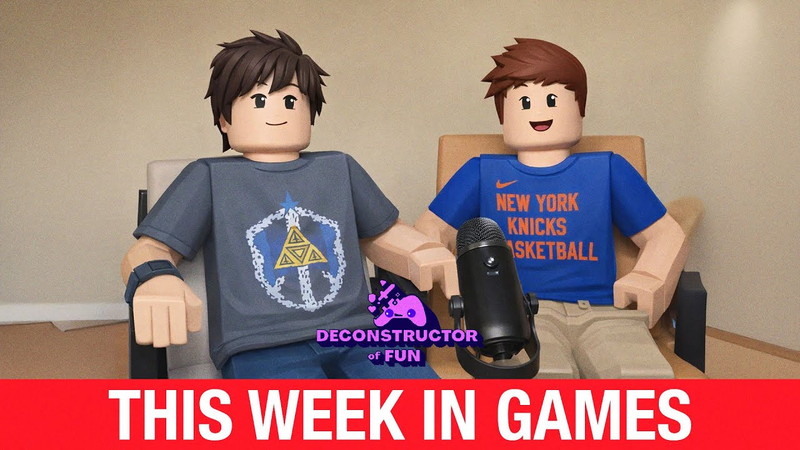
TWIG Jr: Awards, Predictions, and Gen Alpha's Take on Gaming
Generation Alpha’s gaming preferences reveal a sophisticated shift away from hypercasual mobile titles toward experiences that offer depth, narrative, and social utility.
- Generation Alpha is shifting away from hypercasual mobile games toward indie titles like Hollow Knight and Undertale, citing a preference for mechanical depth and a dislike for intrusive advertising.
- Platforms like Roblox and Fortnite are functioning as essential digital third spaces, though players are showing signs of fatigue regarding the aggressive pop-culture collaborations currently driving Fortnite’s model.
- Children are developing high brand awareness for sports betting platforms like FanDuel and PrizePicks due to the pervasive integration of wagering advertisements into televised sports and gaming environments.

I Was Wrong About Making Games...
The primary thesis of this analysis is that indie game developers often hinder their success by obsessively pursuing groundbreaking, unique mechanics rather than focusing on quality and execution.
- Success in the indie game market does not require creating a groundbreaking or entirely unique mechanic; focusing on executing a solid, high-quality game within an established genre is more effective.
- Attempting to force innovation often leads to bloated codebases, development paralysis, and wasted resources, as evidenced by the speaker's failed attempts to iterate on complex, 'unique' mechanics like magnetiles or skydiving.
- Leveraging your specific strengths—your '20%' or forte—is the most reliable way to ensure quality, as seen in the speaker's shift from struggling with new mechanics to focusing on storytelling and atmosphere in his title, Twisted Tower.
Game Dev Mistakes Nobody Is Talking About
The discussion between indie developers Matt Dabrowski and Thomas Brush identifies critical pitfalls that often hinder the success of independent game studios.
- Prioritize a strong, immediate 'hook' that captures player interest within the first five seconds of a trailer to remain competitive in a saturated market.
- Avoid rigid, formal Game Design Documents in favor of flexible, living documents that evolve alongside the project's development.
- Allocate significant development time to essential but often underestimated tasks such as UI design, controller remapping, and platform-specific integrations like Steam.

To the Beat Y'all: What Designers Can Learn From Hip Hop
The presentation explores the intersection of hip-hop culture and game design, arguing that the literary and rhetorical techniques inherent in hip-hop songwriting offer valuable frameworks for narrative design.
- Hip hop storytelling techniques, such as verse-chorus-bridge structures, can be applied to game narrative design to create better pacing and thematic reinforcement.
- The 'vignette' structure used in hip hop—which prioritizes immediate character needs and wants—is an effective model for designing compelling side quests and minor character interactions.
- Undertale (2015) serves as a prime example of musical narrative structure, where boss fights function as verses, recurring themes act as choruses, and tonal shifts like the secret lab act as a bridge.
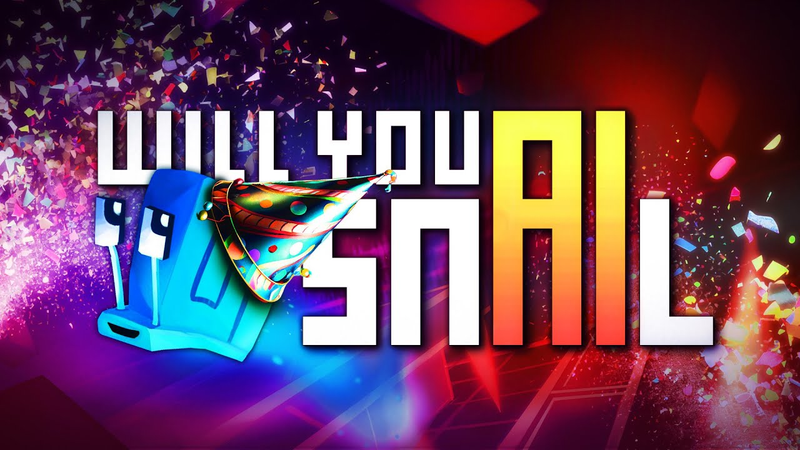
Playing Will You Snail Mods (Anniversary Stream)
The indie platformer Will You Snail maintains a vibrant post-launch lifecycle through a robust community-driven modding scene.
- The developer is prioritizing the integration of Steam Workshop support for the level editor to streamline content distribution and improve accessibility for community-created mods.
- Community modders are utilizing the Undertale Modding Tool to manipulate the GameMaker architecture of Will You Snail, enabling significant gameplay overhauls like physics-based ball mechanics and time-dilation systems.
- The game has transitioned into a maintenance phase as the developer shifts focus toward new projects such as Thronefall, while still evaluating strategies to support the existing modding ecosystem.
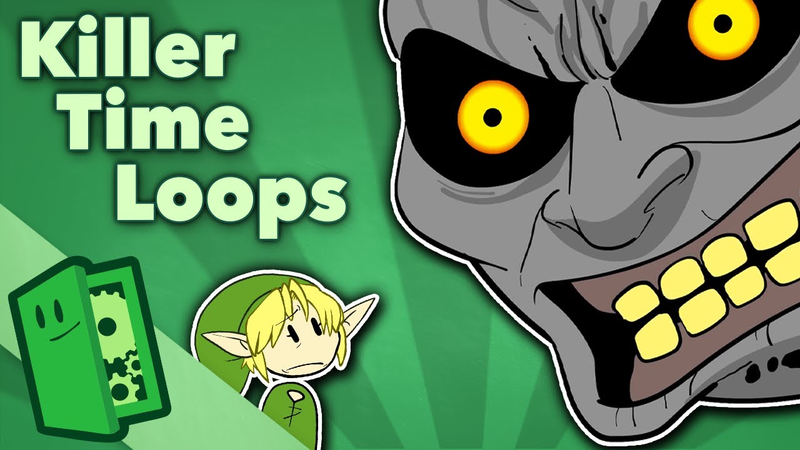
Why Time Loops Work Best in Video Games - Extra Credits
Video games provide a uniquely effective medium for time loop narratives because they align the player’s experience of trial and error with the protagonist’s in-game reality.
- Time loops uniquely align the player’s real-world trial-and-error process with the protagonist’s in-game experience, turning failure into a narrative-integrated tool for discovery.
- Unlike traditional games where death is a disconnected failure state, time loop mechanics transform repeated resets into a core pillar of character growth and progression.
- The genre fosters deep world mastery by requiring players to learn schedules and character behaviors, as demonstrated in titles like Majora’s Mask, Elsinore, and Outer Wilds.
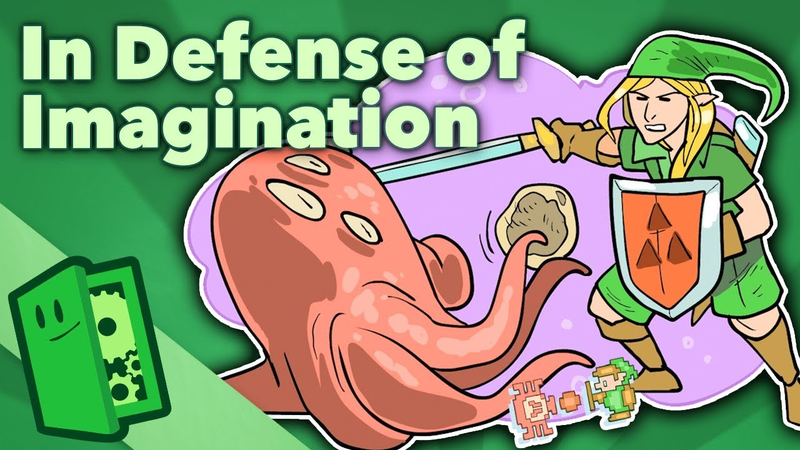
In Defense of Imagination - When to NOT Tell the Whole Story to Players - Extra Credits
The modern video game industry has increasingly prioritized high-fidelity graphics and exhaustive visual detail, a trend that inadvertently discourages player imagination.
- The modern industry's pursuit of photorealism often replaces active player participation with passive consumption, undermining the potential for deep, lasting immersion.
- True immersion is driven by world-building that invites player collaboration rather than high-resolution textures or particle effects.
- Titles like Undertale and Stardew Valley demonstrate that simpler aesthetics can effectively invite player participation and foster stronger personal connections to the game world.
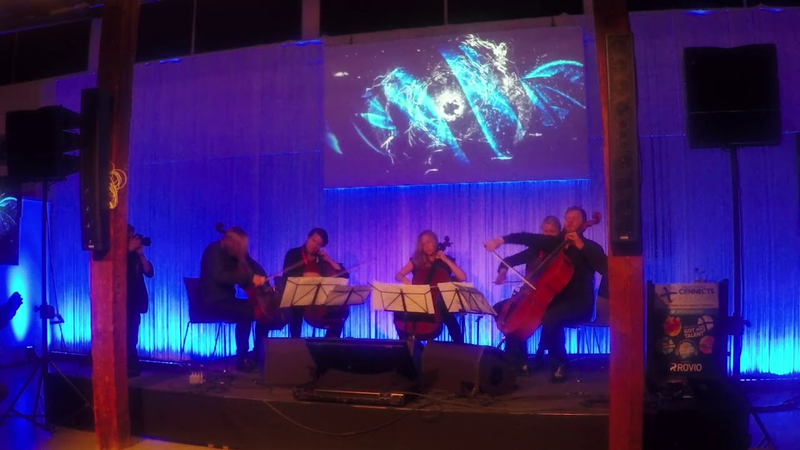
Game Music Collective concert at Pocket Gamer Connects Helsinki 2017
The Game Music Collective serves as Europe’s first professional orchestra dedicated exclusively to the performance and production of video game scores.
- The Game Music Collective is Europe’s first professional orchestra dedicated exclusively to the production and performance of video game scores.
- The ensemble provides a full-service production chain for game developers, including composition, arrangement, recording, and mixing services.
- The collective bridges traditional orchestral arrangements with modern electronic production to create bespoke musical assets for interactive media.
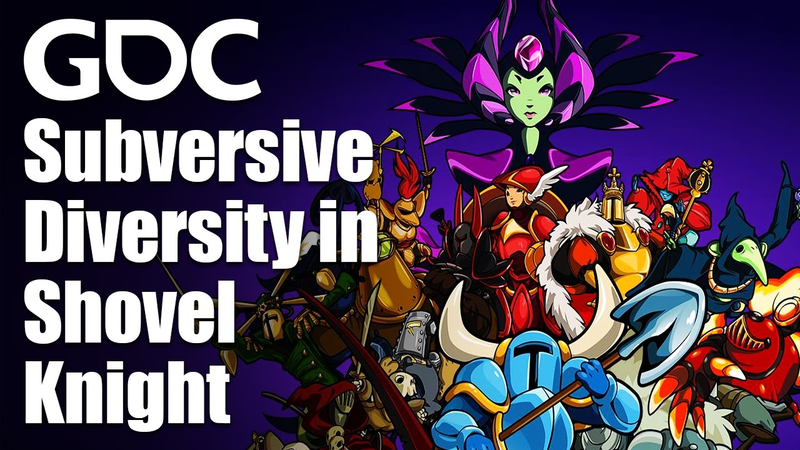
Knights, Fist Fights, Lasers & Catacombs: Subversive Diversity to Improve Our Games
Meaningful diversity in game development requires moving beyond superficial aesthetics to integrate inclusive design from the earliest stages of production.
- Diversity in game development should be an intentional design choice integrated from the beginning of production, rather than a superficial veneer added at the end, to avoid it being easily discarded or poorly implemented.
- Developers should avoid relying on lazy tropes, such as assigning specific gender roles to character stats or using 'color-swapped' character models that lack unique backstories, as seen in games like Crypt of the NecroDancer where character models were identical despite different skin tones.
- Inclusive character design requires authentic representation; for instance, developers should consult with diverse teams to avoid harmful stereotypes, such as the inaccurate depiction of black hair in Broken Age.
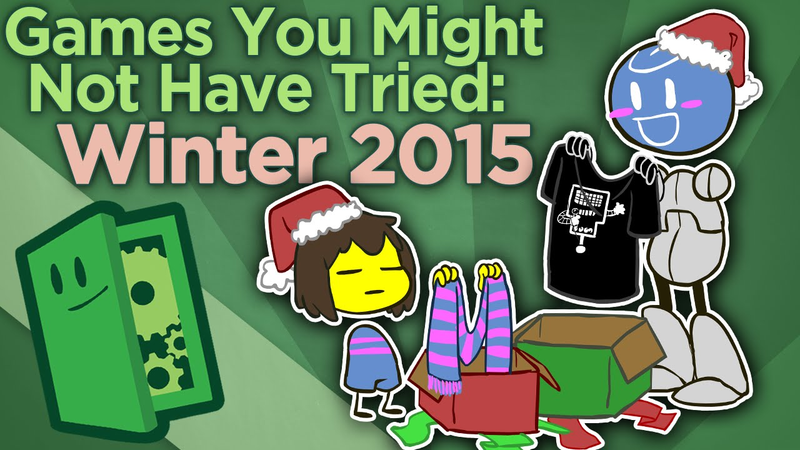
Games You Might Not Have Tried: Winter 2015 - Find New Games - Extra Credits
This selection of video games highlights titles from late 2015 that offer unique design concepts, innovative mechanics, or compelling narratives that may have been overlooked by mainstream audiences.
- Undertale (2015) is highlighted for its innovative subversion of JRPG tropes, specifically through a combat system that allows for a pacifist playstyle.
- The Beginner’s Guide offers a unique narrative focus on the creative process, exploring themes of self-doubt and the psychological struggle for validation.
- The Black Watchmen demonstrates the effective integration of alternate reality game (ARG) mechanics to create an immersive, non-traditional gameplay experience.