Narrative Adventure reports and market data
216 game industry reports, presentations and talks about narrative adventure from writers such as Game Developers Conference, Extra Credits and Thomas Brush, newest from 2026. Every document has a summary and key insights with the page they come from.
Documents
Is Netflix the future of video game story-telling?
Netflix is actively expanding its footprint in the video game industry by leveraging its massive subscriber base of approximately 700 million users.
- Netflix is leveraging its 700 million subscriber base to integrate interactive narrative experiences into its existing streaming ecosystem, targeting non-traditional gamers rather than competing with console manufacturers.
- The company categorizes its gaming strategy into four distinct verticals: kids, party and puzzle, mainstream, and narrative.
- Netflix’s internal Night School Studio launched 'Unhinged,' a 30-minute horror title that uses smartphones as controllers to test the viability of mobile-first, interactive storytelling.
Interview with Dispatch developer: We were told comedy games don't sell
The interactive narrative game Dispatch serves as a compelling case study in challenging industry orthodoxy regarding the commercial viability of comedy and narrative-driven titles.
- Dispatch achieved commercial and critical success with over four million sales and nine BAFTA nominations, despite industry skepticism regarding the viability of comedy-focused narrative games.
- The studio successfully utilized an episodic release model to maintain high player engagement and completion rates throughout the product's lifecycle.
- After losing an initial publishing partner, the studio pivoted to self-publishing, using a high-impact trailer at The Game Awards to secure investor confidence and retain creative control.
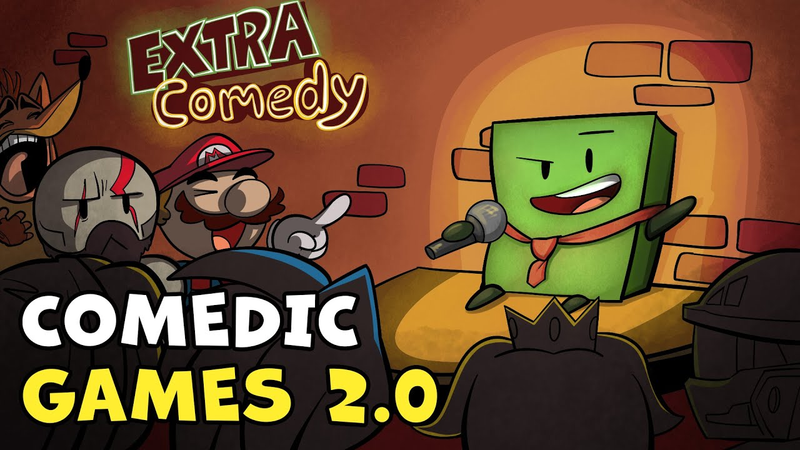
How the Joke has Changed | Comedy in Games 2026 | Extra Credits Gaming
Comedy in video games has evolved significantly over the last decade, shifting from a reliance on scripted writing and voice acting to a model where gameplay mechanics and player interaction serve as the primary drivers of humor.
- Comedy in games relies on the structural manipulation of player expectations, where developers create tension through established rules and resolve it through surprising or subverted outcomes.
- Effective game comedy often involves a strategic balance of player agency, where designers must decide when to grant control and when to remove it to ensure the player's input enhances rather than disrupts the intended humor.
- Modern comedy games have shifted from relying solely on written dialogue to utilizing gameplay-driven mechanics, such as physics-based simulations in titles like Octodad and Surgeon Simulator that intentionally defy real-world gravity and logic.
Interview with Troy Baker: Could we see video game actors on Jimmy Fallon?
Video games have solidified their position as a primary medium for sophisticated storytelling, moving beyond their historical status as a secondary industry to become a central pillar of modern entertainment.
- Video games have transitioned from a secondary industry to a primary pillar of modern entertainment, driven by the increasing integration of high-profile Hollywood creators.
- The industry’s capacity for fostering deep empathy and human connection is fueling a cultural shift that makes the future mainstream visibility of game actors on platforms like late-night talk shows inevitable.
- Human-centric performance is the industry’s primary defense against artificial intelligence, as automated tools lack the capacity for the genuine artistic expression that audiences increasingly demand.

Want To Make 3D Games? It's Easier Than You Think!
This presentation outlines a streamlined, cost-effective workflow for achieving a stylized, Firewatch-inspired aesthetic in 3D game development using Unity.
- Achieve a stylized, Firewatch-inspired aesthetic by removing specular information from materials and applying image-editing filters like oil paint and smart blurs to textures.
- Maintain consistent environmental scale by using a primitive cube—specifically half the height of the character controller—as a universal reference point for all assets.
- Streamline iteration by converting all external assets into editable formats like PSD and Blender files, eliminating the need for repetitive re-exporting.
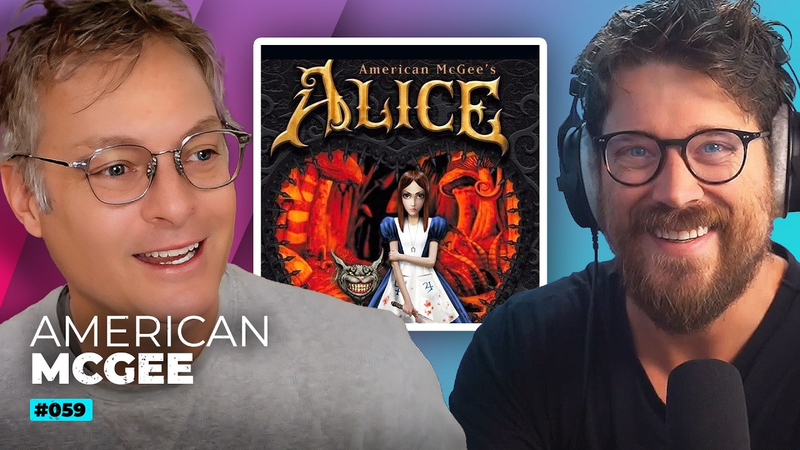
Want To Make Games? Here's 1 Hour Of Brutal Honesty From A Game Dev Legend (American McGee)
The production of high-end interactive media requires a delicate balance between artistic vision and rigid financial constraints.
- Large-scale game production, such as 'Alice: Madness Returns,' often relies on a core team of fewer than 10 stellar programmers to handle complex technical challenges like hair physics, while the remaining staff focuses on integration and cleanup.
- Production of 'Alice: Madness Returns' involved a total team of approximately 300 people, consisting of 100 internal studio staff and 200 external contractors dedicated to art asset production.
- Publishers may structure development deals to keep spending off their financial books by delaying the booking of costs until the moment a game is delivered and a bond is repaid, effectively making the development process invisible to shareholders during production.
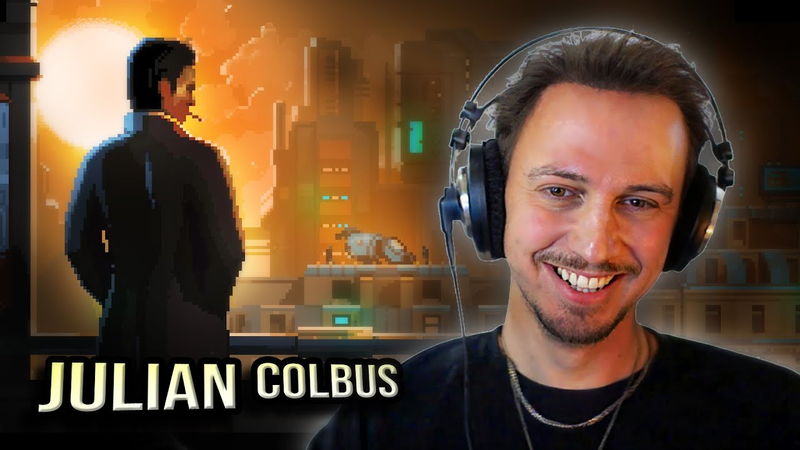
Their Second Game Did Worse, Now What?
The commercial underperformance of a studio’s second title often stems from the common trap of scaling production complexity at the expense of a clear, marketable core concept.
- Commercial success in indie development is more achievable by keeping budgets low—such as aiming for a 100,000 euro return on a 50,000 euro budget—rather than relying on the high-risk, high-cost model of large-scale sequels.
- Indie developers should avoid the assumption that a successful first game guarantees a sequel's success, as the player base for a title with 1,000 to 2,000 reviews is often not large enough to justify a sequel strategy.
- Detective game design should prioritize player engagement by integrating story into gameplay mechanics, such as requiring players to pass tests based on information gathered during dialogue to avoid the 'click-through' apathy common in RPGs.
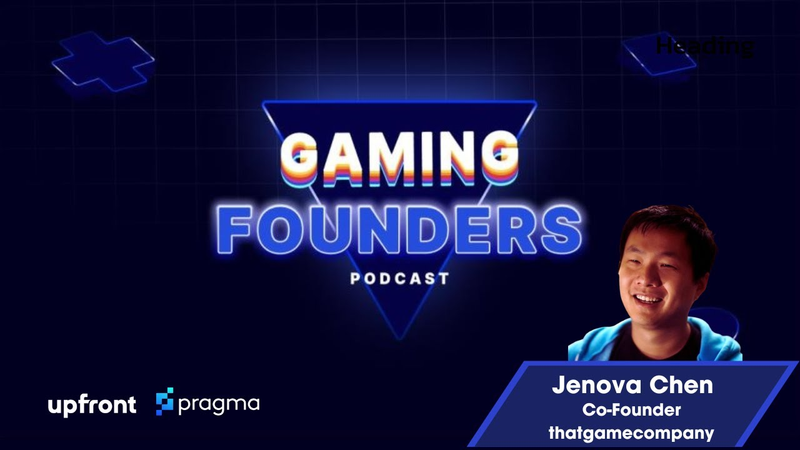
Part II: Gaming's Emotional Blind Spot: Jenova Chen's Strategy Behind Making Journey and Sky
The gaming industry is currently undergoing a period of consolidation characterized by a trend toward the Hollywoodification of content, where market dominance is increasingly concentrated in low-risk, established intellectual properties.
- Jenova Chen aims to evolve 'Sky: Children of the Light' from a three-quadrant experience into a four-quadrant product that appeals to all demographics, similar to Pixar or Disney films, by moving beyond traditional adventure-focused gameplay.
- By replacing predatory virtual currencies and loot boxes with a direct gifting-based monetization model, thatgamecompany achieved a 3x increase in purchase volume compared to standard conversion rates.
- The viral growth of 'Sky' was driven organically by a core community of Japanese female players who created fan art, demonstrating that high-quality social sharing features—such as UI-free video recording—can fuel user acquisition without traditional marketing spend.

The Ultimate Guide To Writing A GREAT STORY For Your Game
The current landscape of game development suggests a potential renaissance for narrative-driven titles, as reduced production costs allow small teams of one to five people to create high-quality, personal experiences.
- A compelling game story is built on a strong, unique setting paired with a strange or interesting event, which can then be grounded by a relatable, sympathetic protagonist.
- Game developers should aim to create a 'perfect' short plot summary that acts as a recipe, including only essential story beats and excluding irrelevant details.
- Storytelling in indie games can be cost-effectively delivered through four primary mechanisms: cutscenes, NPCs, artifacts (like newspaper clippings), and audio diaries.
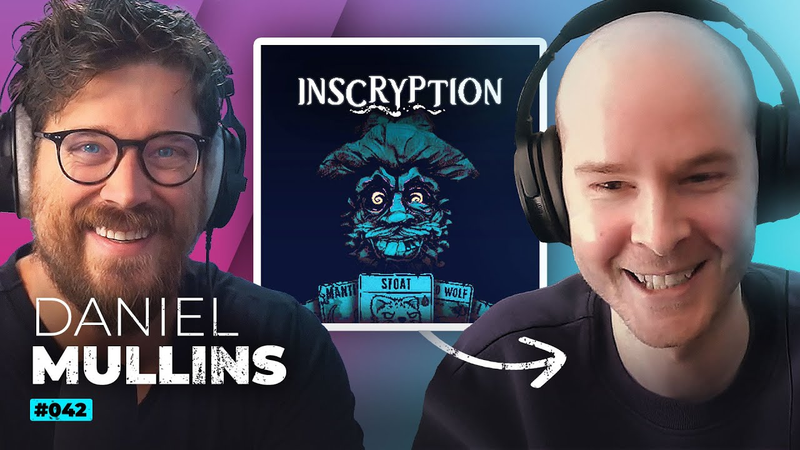
Daniel Mullins: Making Games Alone (ish), Burning Through Savings & Failing Upwards | Ep. #042
The trajectory of independent game development is defined by a strategic blend of creative intuition, financial pragmatism, and iterative learning.
- Daniel Mullins attributes much of his early career success to luck, including an unsolicited $5,000 contract for a children's math game he received at age 18 after a stranger discovered his early work online.
- To ensure high streamability, Mullins designs games around 'whoa' moments—unexpected shifts in gameplay similar to those in Bioshock or Portal—which provide streamers with natural opportunities to display reactive personality.
- When working with publishers, developers should be wary of 'greenlight' deals where the publisher takes a revenue percentage without providing significant value-add services or marketing support.

Sam Lake: "I had to take six months off after Alan Wake 2"
The development of Alan Wake 2 represents a pinnacle of interactive storytelling, characterized by the complex integration of live-action sequences, musical elements, and narrative-driven mechanics.
- The intense development of Alan Wake 2 required Sam Lake to take a six-month sabbatical to recover from the project's unsustainable production demands.
- Remedy Entertainment has transitioned to a co-creative director model to support the studio's growth and the management of multiple concurrent projects.
- The studio is scaling its intellectual properties through strategic partnerships, including a collaboration with Annapurna Pictures to develop film and television adaptations.
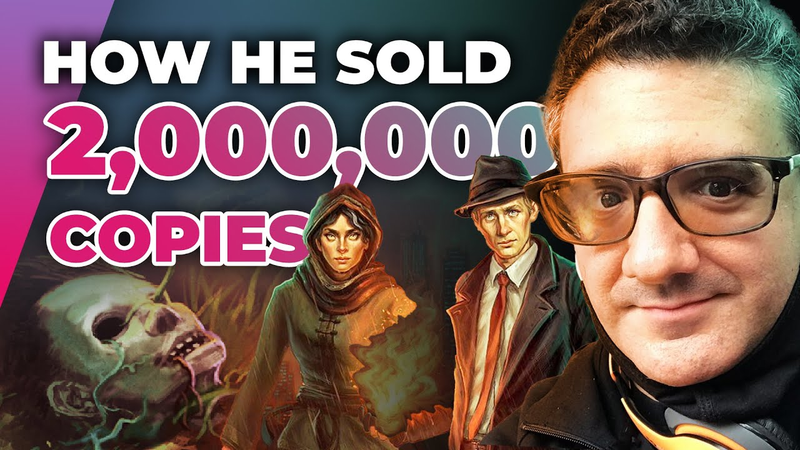
How He Sold 2,000,000 Copies Of His Games (Dave Gilbert) — Full Time Game Dev Podcast Ep. 039
Achieving long-term success in the independent game development industry requires a disciplined, incremental approach that prioritizes sustainable growth over high-risk, large-scale projects.
- Building a sustainable game development career is best achieved by starting with small, manageable projects that allow for rapid iteration and learning rather than risking all resources on a single long-term title.
- Developing a consistent brand and universe across multiple titles helps cultivate a loyal audience of returning players, which provides a financial safety net for future, more ambitious projects.
- Managing the psychological toll of public feedback requires a 'thick skin' that prioritizes mental health by choosing not to engage with negative criticism, even when it feels like a personal attack.