The Last of Us Part II
11 documents in the library are about The Last of Us Part II, from writers such as Game Developers Conference, Game Dev Unchained and Extra Credits, the newest from 2024. Each has a summary and key insights with the page they come from.

The Last of Us Part II is an action-adventure game set five years after the events of The Last of Us. The player traverses post-apocalyptic environments such as buildings and forests to advance the story. They can use firearms, improvised weapons, and stealth to defend against hostile humans and cannibalistic creatures infected by a mutated strain of the Cordyceps fungus. The game intermittently switches control between Ellie and Abby, and also briefly Joel in the opening sequence. The nimble nature of the player character introduces platforming elements, allowing the player to jump and climb to traverse environments and gain advantages during combat.
- Released
- Jun 19, 2020
- Developer
- Naughty Dog
- Publisher
- Sony Interactive Entertainment
- Genres
- Shooter, Adventure
- Platforms
- PlayStation 4, PlayStation 5
- Links
- Official site, Wikipedia
Game data from IGDB.com
Documents about The Last of Us Part II

The State of Adaptive Gaming
The global gaming industry is undergoing a fundamental shift toward inclusive design, driven by the need to accommodate a player base that includes between 46 million and 300 million individuals with disabilities.
- Gamers with disabilities represent a significant market segment, with estimates ranging from 46 million to 300 million individuals globally.
- Inclusive design is a strong business growth strategy, as players with disabilities demonstrate higher brand loyalty and spend 2.3 times more on in-game purchases than the average player.
- The industry is shifting from expensive, specialized hardware toward software-based accessibility solutions that leverage machine learning and mobile neural processing units for voice, gesture, and facial recognition.
PlayStation's Top First-Party Games Now Cost >$200 Million to Make
Internal documents from the legal proceedings between the Federal Trade Commission and Microsoft have revealed significant financial data regarding Sony Interactive Entertainment’s first-party development costs and the commercial impact of the Call of Duty franchise on the PlayStation platform.
- Sony’s top-tier first-party titles now frequently exceed $200 million in development costs, with 'Horizon Forbidden West' costing $212 million and 'The Last of Us Part II' costing $220 million.
- The 'Call of Duty' franchise is a critical revenue pillar for PlayStation, generating $1.5 billion in worldwide consumer spending on the platform in 2021 alone.
- Over 43 million unique U.S. PlayStation users have played 'Call of Duty' since 2019, accounting for two-thirds of the platform's domestic user base.
Sony’s Confidential PlayStation Secrets Just Spilled Because of a Sharpie
The inadvertent public disclosure of sensitive Sony Interactive Entertainment business data during the Federal Trade Commission’s legal challenge against Microsoft’s acquisition of Activision Blizzard has provided unprecedented insight into the financial mechanics of the modern gaming industry.
- Sony's confidential documents, unredacted due to a scanning error, revealed that "The Last of Us: Part II" and "Horizon Forbidden West" each cost over $200 million to develop.
- In 2021, approximately 1 million PlayStation users exclusively played "Call of Duty," while over 6 million spent more than 70% of their gaming time on the franchise.
- "Call of Duty" players spent an average of 116 hours per year on the game in 2021, with those dedicating over 70% of their time to it averaging 296 hours.
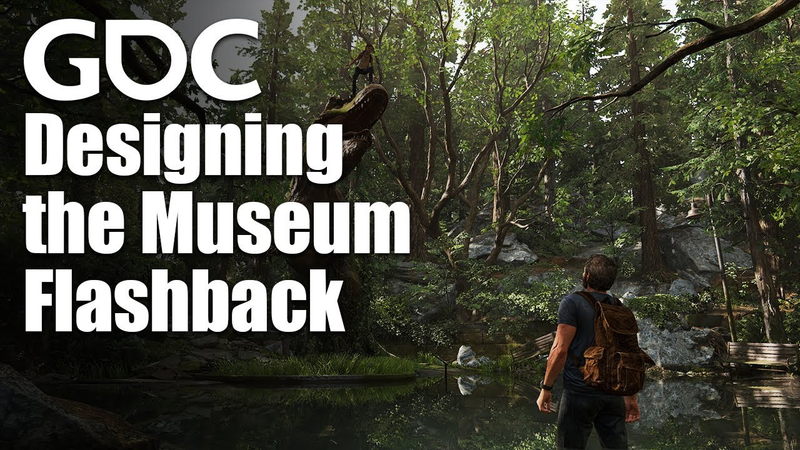
Designing the Museum Flashback: 'The Last of Us Part II'
The design of the Museum Flashback in The Last of Us Part II serves as a masterclass in integrating narrative depth with functional gameplay.
- Level design functions as a non-verbal script, using spatial layout and environmental cues to guide player behavior and emotional response without explicit instructions.
- The development process for the 'Museum Flashback' level utilized a 'playable storyboard' approach, where designers used Maya to create rough 3D block-outs to test narrative beats before committing to full production.
- Naughty Dog employed a 'strike team' of four to six developers to support the lead level designer, facilitating rapid iteration and feature development through a cycle of frequent playtesting.
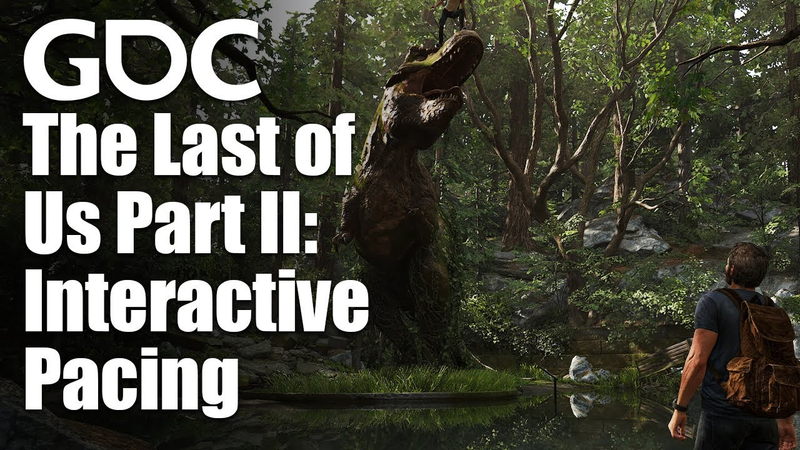
Interactive Pacing from the Museum Flashback in 'The Last of Us Part II'
The Museum Flashback in The Last of Us Part II serves as a masterclass in interactive narrative pacing, prioritizing player agency over rigid, developer-dictated tempo.
- Interactive pacing allows players to set their own tempo by choosing whether to rush through linear narrative beats or linger to engage with optional environmental content.
- The 'Museum Flashback' level in The Last of Us Part II utilizes a three-tiered hierarchy of interactions: focal points (mandatory story beats), prospects (optional, repeatable interactions like quips), and secrets (unexpected, high-effort 'mold-breaking' moments).
- To teach players they can interact with the environment without tutorials, the design introduces two simple, isolated exhibits early on, establishing that interaction is both optional and consistent in scale.

Easy Modes Aren't Easy - Designing Dynamic Difficulty - Extra Credits
The design of difficulty settings in AAA action-adventure games is evolving from simple health and damage adjustments toward nuanced, accessible, and customizable experiences.
- The industry is shifting from binary difficulty tiers to granular, customizable gameplay settings that allow a broader audience—including casual players and those with disabilities—to engage with AAA action-adventure titles.
- The Last of Us Part II serves as the current industry benchmark by offering a comprehensive suite of accessibility features, including combat modifiers, motor-skill assistance, and puzzle-bypass options.
- Modern design strategies prioritize adjusting mechanics like enemy aggressiveness and reaction windows rather than relying solely on traditional health and damage scaling.
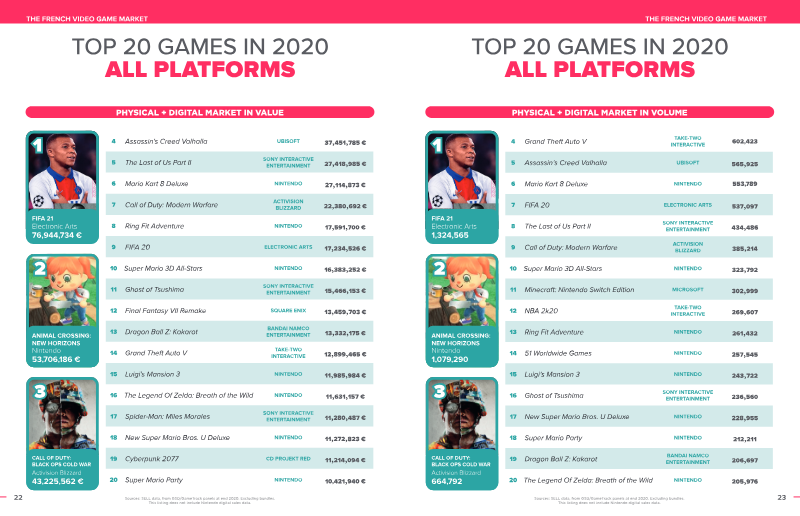
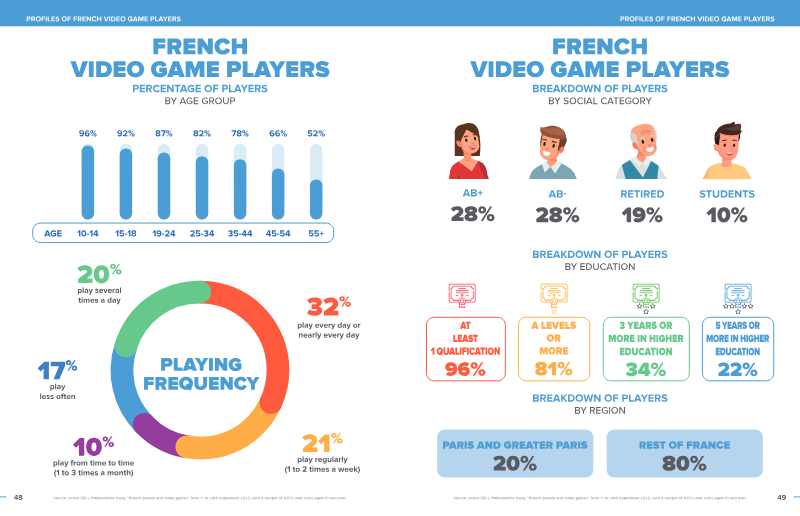

Essential Video Game News: French Market Report 2020
The French video game market reached a historic milestone in 2020, generating €5.3 billion in revenue.
- The French video game market reached €5.3 billion in 2020, representing an 11.3% year-over-year revenue increase driven by pandemic-related engagement.
- Mobile gaming led sector growth at 16%, followed by console at 10% and PC at 9%, while physical retail sales showed resilience with only a 3.2% decline.
- Hardware demand surged significantly, highlighted by a 20% increase in the PC segment.

Playstation 5 Reveal Event Reaction | Game Dev Unchained Roundtable News
The PlayStation 5 reveal event signals a strategic pivot toward a diverse portfolio of high-fidelity first-party exclusives, experimental indie projects, and cross-generational titles.
- Sony is prioritizing a strategy of high-fidelity first-party exclusives and narrative-driven titles to maintain a competitive advantage over Microsoft’s subscription-based model.
- The PlayStation 5 hardware introduces significant technical advancements, specifically SSD-powered load speeds and dimensional mechanics as demonstrated in Ratchet & Clank: Rift Apart.
- External economic pressures, including high unemployment and COVID-19-related supply chain disruptions, pose significant risks to the feasibility of the projected console launch timeline.
Live Streaming Real Tears: The Last of Us Part II Tells Us Everything We Need
This analysis examines the shifting cultural and economic landscape of the global video game industry during mid-2020.
- The Epic Games Store reached 61 million monthly active users by mid-2020, positioning itself as a significant competitor to Steam, which reported 95 million active users in the previous year.
- Discord transitioned from a niche gaming tool to a mainstream social and educational platform, resulting in a $3.5 billion valuation.
- The video game industry is experiencing a shift toward becoming a deeply political and social medium, evidenced by the polarized audience reception and 'review bombing' of narrative-driven titles like The Last of Us Part II.

Unreal Engine 5 Reactions, And Last of Us 2 Ending a Generation | Game Dev Unchained Roundtable News
The introduction of Unreal Engine 5 marks a pivotal shift in game development, primarily driven by the integration of Nanite geometry and Lumen real-time global illumination.
- Unreal Engine 5 introduces Nanite geometry and Lumen real-time global illumination to automate light-baking and eliminate traditional optimization bottlenecks for high-fidelity assets.
- Despite technological advancements, Unreal Engine 5 does not remove the need for rigorous character animation, physics simulation, and efficient asset management in full-scale production.
- Industry experts view high-end tech demonstrations as aspirational marketing tools rather than immediate standards, as most studios continue to prioritize cohesive art styles over raw photorealism.
The Last of Us Part II Pre-Sales Surpasses God of War in Brazil
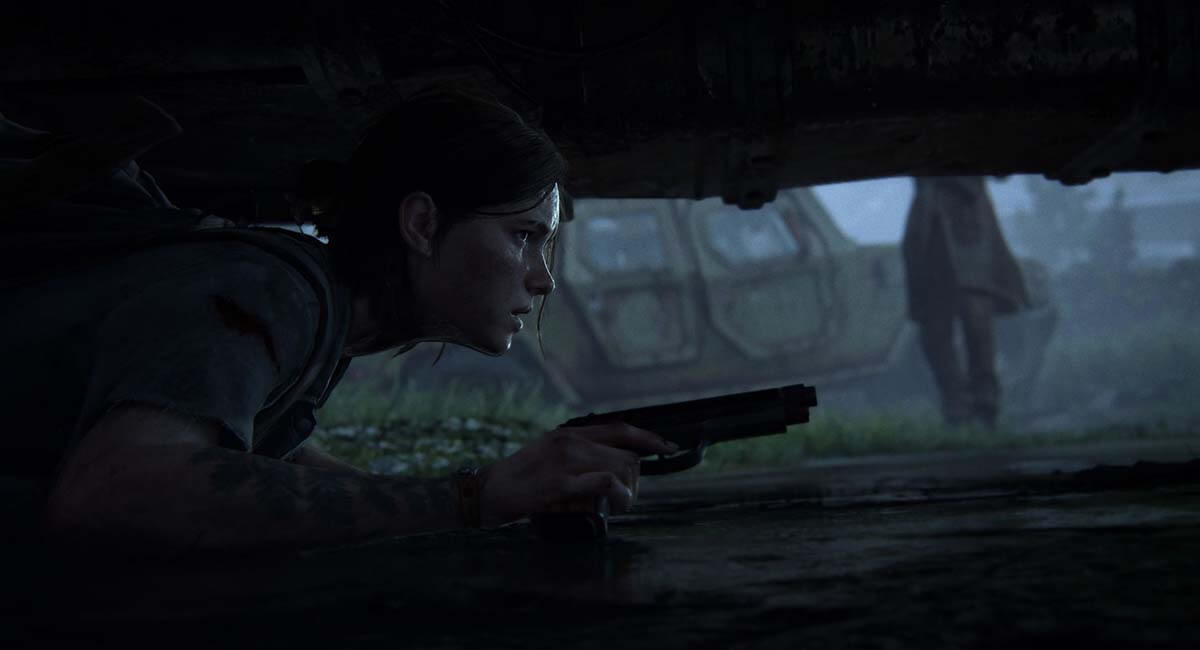
The Last of Us Part II achieved a significant commercial milestone in June 2020 by surpassing the pre-sale record previously held by God of War for a PlayStation exclusive in Brazil.
- The Last of Us Part II has surpassed God of War to become the PlayStation exclusive with the highest number of pre-sales in Brazilian history.
- Sony confirmed that the title achieved this record-breaking pre-sale performance in the Brazilian market ahead of its scheduled release on June 19, 2020.
- The previous record for the highest number of pre-sales for a PlayStation exclusive in Brazil was held by the 2018 release of God of War.