This analysis examines the shifting cultural and economic landscape of the global video game industry during mid-2020. It addresses a critical inflection point where the sector faced internal reckonings regarding workplace misconduct and external pressures from a rapidly consolidating digital marketplace. The primary thesis suggests that gaming has moved beyond pure entertainment to become a deeply political and social medium, as evidenced by the polarized reception of narrative-driven titles and the evolution of communication platforms.
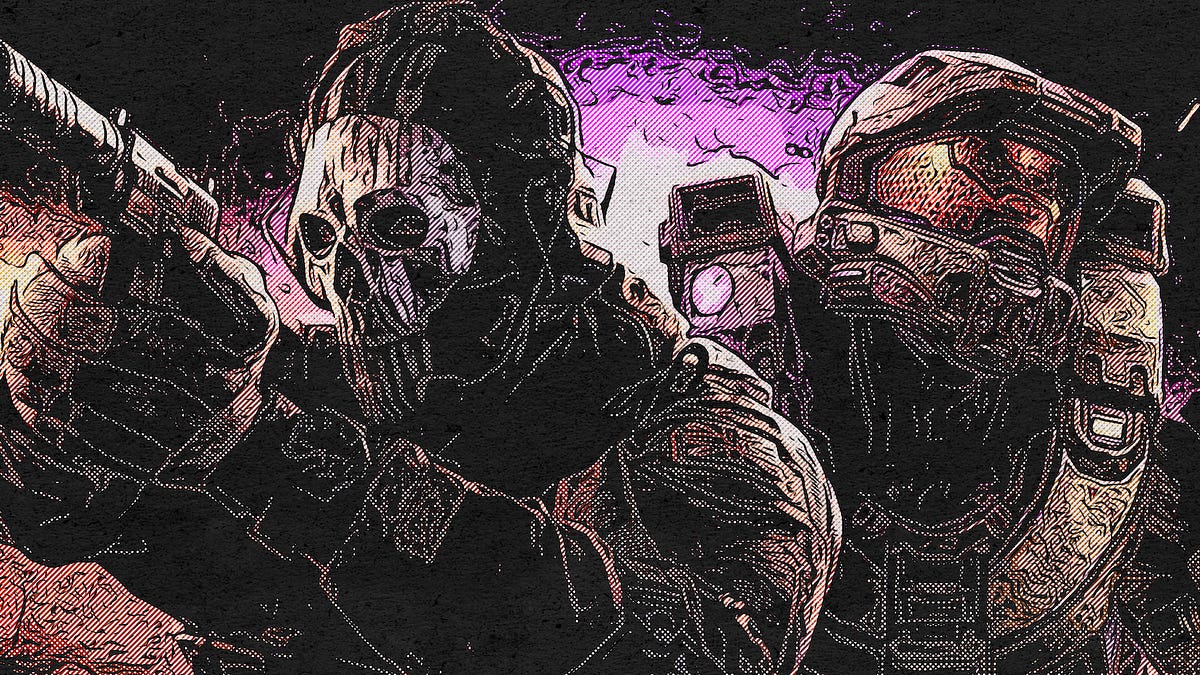
Market data highlights a significant shift in the PC gaming segment, where the Epic Games Store reached 61 million monthly active users. This growth, fueled by aggressive free-game promotions and a developer-friendly 12% revenue split, positions Epic as a formidable challenger to Valve’s Steam, which reported 95 million actives in the previous year. Simultaneously, the industry prepared for a high-stakes holiday season characterized by a "traffic jam" of AAA releases, including franchises like Assassin’s Creed and Halo. The analysis concludes that market momentum is tempered by economic instability and high unemployment, likely favoring established franchises over new intellectual properties.
The scope of the commentary extends to the social utility of gaming technology, noting Discord’s $3.5 billion valuation and its transition from a niche gaming tool to a mainstream educational and social platform. It also critiques the cultural divide within the player base, specifically referencing the "review bombing" of The Last of Us Part II. This phenomenon illustrates a disconnect between professional critics and a vocal segment of the audience resistant to the medium’s inherent political evolution. Ultimately, the findings suggest that the industry’s future will be defined by its ability to navigate these complex social dynamics while managing the logistical challenges of a crowded release calendar.