Transcript
[Music] welcome to the novic gaming podcast where it is our mission to explore the business and future of video games we bring together the industry's brightest Builders investors and thinkers to keep a pulse on current events dissect emerging Trends and games share Lessons Learned and have a great time this podcast is also part of novic growing ecosystem which ranges from free and premium research to Consulting and AD advisory services for more information visit [Music] www.nic.edu Europe and Asia with its dedicated gaming practice light speed gaming the firm is investing from over $7 billion in early and growth stage Capital making
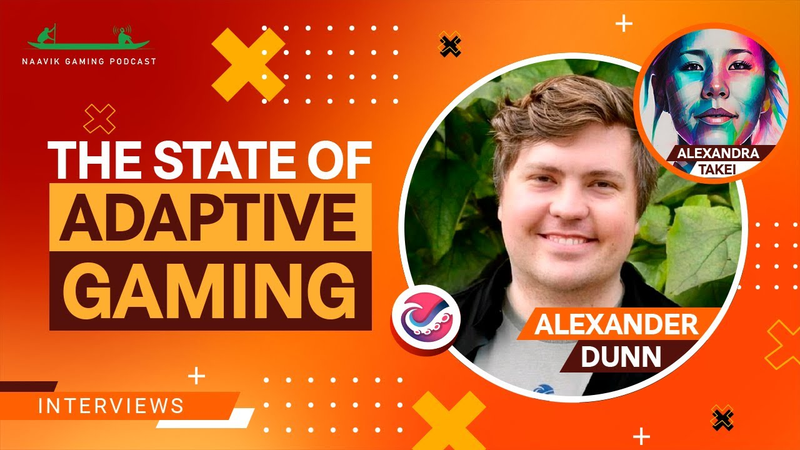
it by far the largest fund focused on gaming and interactive technology Light speed's Team combines deep expertise in gaming with a global multi-stage investment platform and a culture that truly puts Founders first selected Investments include epic games snap and stability AI as well as game designers and producers who led the creation of titles like fortnite Call of Duty League of Legends valerant Starcraft 2 and many more for more information simply go to gaming. lsvp docomo everyone and welcome to the novic gaming podcast I'm your host Alex te and this of course is interview and insights so last episode we talked a ton about voice as an input covering a big series C for a company called volley that's building voice video games and we talked about inputs like motion sensors and specific hardware for games that extend beyond the controller however we talked most about making those experiences fun
versus enabling people to have them in the first place and today that's what we're going to do we're going to talk about adaptability in gaming or as some call it accessibility in gaming there are three billion gamers in the world but limited Research into the experiences of disabled Gamers and according to even NPR of those three billion around 46 million Gamers have disabilities currently So today we're going to spend some time unshackling stereotypes around what a disability for a gamer actually is um how folks are working towards cultivating an industry where everyone can play and enjoy the entertainment experience some of the business forces that are cajoling industry players to step left or step right and what more needs to be done um you know I.E how can we get people to think about and design for this group of players um and so I have on air with me another Alex or Alexander rather um I'm honored to welcome Alexander Dunn founder and CEO of cable uh cable is a platform that is enabling control over technology through facial recognition
gesture control voice activation and adaptive interfaces um of course he'll take a deeper dive but I'm super to have you on air today uh welcome to the show Alex yeah thanks for having me awesome um so before we actually dive into the meat of the content today um I'd love for you to tell the audience a little bit about yourself and a quick summary of seable um and also on top of that I'd love you to close your intro with telling us about a game that you admire actually for its game for its advances in accessibility yeah so thanks so much Ramy I'm I'm Alex Dunn uh and I'm really coming from a background mostly in engineering and and applying machine learning over the last sort of8 to 10 years and really got started on the research that led to what seable is uh in order to support a younger brother of mine with a disability so basically right at the start of the pandemic went home to visit my family uh watched my brother have a hard time keeping up with some of his friends in in Minecraft and for him it you know his disability impacts sort of the dexterity in his
hands and find motor control in some ways so using things like a keyboard and a mouse or a Gamepad or you know these sort of physical inputs can be challenging uh not impossible but you know it it's things that he has to do at his own pace and so through the pandemic I had a whole lot of extra time working on ways to apply speech recognition in new ways that might work best for him and then that started to sort of slowly turn into more and more people trying these early prototypes uh created a version of camera controls that actually use Snapchat and probably the hacki thing I've ever created and ultimately w a few hackathons to bootstrap what was originally called enabled play which was these physical boxes for uh plugging into your console or into your PC to use voice and face and head controls and now is all software based uh and and really empowering people to do all sorts of things across their sort of uh digital landscape now in terms of games where accessibility has sort of been at the Forefront uh I'm really a big fan of
things like Forza uh which have not just added accessibility in the form of like uh different color settings different input modes but I think has done a really good job at leveling the playing field with some levels of automation things like keeping you on the track and stuff like that without compromising uh things like the the competitive side of the game which is something that we hear all the time like is there going to be some trade off uh of making something more accessible with hurting the the Competitive Gaming aspect of the game and I think Forest has done a really great job at sort of basically bolstering both sides of that W that's fantastic well very inspirational background I think um you know a lot of Founders are inspired by you know a personal life experience or something that you know has happened in their um in their family or their life so um you know what you're doing in the space is tremendous and um I really appreciate the for as an example because it's a great place to kick off into our topic because you just mentioned some things that maybe stand out to some people as surpris Rising um you know like you said
color blind mode or assistance in staying on the track that's not necessarily always what we think of when we think of supporting players with disabilities um and so I think that you know this is a great way to kick off our episode today which is kind of what disabilities do games need to be serving better um and you know what it means to be a disabled gamer and what it means in the space to have a disability because I think we potentially might have a very narrow definition of what that looks like um so I'd love for you to run through potentially like a list um of you know what of of disabilities in the sense that we are designing potentially adaptive hardware for it or intuitive design for it like you said a color blind mode or assistance with staying on the track um to you can you help me break down like what those categories are for gamers yeah would it be inappropriate to say like all of them um no I don't think so so the the way that I sort of look at it is there's impairments that imp how you as a as an
individual player receive information from the game like that's audio that's visual that's uh conceptual that's learning curves things like that and then there's impairments that might impact how you input back into the game things that might impact how you use a controller how you actually send your inputs to the input system to actually take actions on the game um and so the the way to sort of categorize those is uh at an sort of impairment level in the disability space is it for folks that have Vision impairments whether that that's blindness color blindness and that's a very much a spectrum in the world of the blind Community uh and how can we basically support interacting and understanding what's like conceptually happening on screen or in the game without having to really rely on all facets of the screen and there's some really interesting approaches to uh Dynamic audio descriptions to uh changing different colors and and sizing and things like that that can really help a lot of people that aren't really experienced and supporting folks with disabilities always just assume well a
blind person can't play my game because they can't see what's going on and it's a visual experience uh however uh the that spectrum is very Broad and so blindness can impact like just a certain spot whether that be more of a tunnel vision and loss of peripheral vision or the opposite it might be impacted blurriness at certain uh sizes or seeing certain things not just like this sort of uh a misconception of like a person just sees all black or all white and they they therefore can't experience it and so for folks especially in the sort of mid-range of that Spectrum uh of vision being able to have an alternative way to just change settings even to to impact like UI size is one of the most common things that we we hear from folks uh when it comes to the uh side of folks that have hearing impairments Stephan heart of hearing it's ensuring that you have some other way to uh Express what's going on in an audio fashion my favorite example is fortnite that added the visual effects to when you hear gunshots
or cars in sort of directional audio they'll show like a ring and sort of a a visual uh signal as to how loud that noise is near you so you know if someone is like shooting a gun right next to you even if you can't see them uh because you're you're getting that audio feedback um and then when it comes to the the input side this is really where I I you know spend most of my time and my focus and what we do it effable but it's uh it's there's a lot of really easy wins to get started and there's sort of the spectrum of is it possible for someone to play my game and then there's the level of like is it an equitable experience that I can create for someone that just needs a different type of input uh and so when it comes to things like is it possible one of the the most common easy wins is just allowing someone to remap their controls and it's something that if you think about it up front and you execute it up front super easy to then maintain through the the game development life cycle but if you're then trying to patch it in last second it can be challenging right and so so it's it's one of those
considerations that should be looked at first and foremost and then there's the the alternative inputs right it's like how can I best support uh someone who's using an Xbox adaptive controller or a PlayStation Access Controller or voice inputs from seable or or you know voice attack or things like that or camera based inputs and making sure that a player can easily adapt those controls uh in order to to still play the game in the same way yeah those I mean first of all thank you for the terrific overview it sounds like you know we've split these two things into two categories the way that I see and experience the game and then the way that I interact with it on the input side you kind of also jump forward totally which was which was towards like what does building accessibility mean across assistive Tech adjustable difficulty levels haptics feedback like you mentioned or uiux stuff or visual effects um but kind of like backtracking in there in general there's these two kind of tranches right and I actually think that it's interesting because we call this potentially adaptive gaming but you know even for someone like myself um who I guess I wouldn't
consider myself to be having a disability on the most extreme side I've had some very difficult times reading the inventory screen in Witcher right I I think I know a lot of people that have had a lot of difficulties reading the inventory stuff and the and the and the text scrolling in balers gate three for example um and so I think that it's kind of you know it's important to mention that you're obviously serving this group of community who may have an actual visual impairment but it's also a lot of this accessibility stuff are is just for your everyday gamer as well um so I just wanted to call that out there but you know I have a question here uh and this might be just a perspective thing um we Chen this episode by talking about that there's three billion Gamers and there's you know limited Research into you know potentially the experiences of disabled Gamers um and we talked about these two sides input inputting into the game and then also being able to experience and perceive it in the appropriate manner um is there a bigger problem to tackle like
which one is the bigger problem right because I think obviously every Studio has limited resources um and so if you had to say like which is the one that is the most malignant or the most behind what in your opinion is is the is the appropriate problem to tackle first yeah I guess perspective wise not not to State this as like a matter of fact but you know we we see mostly folks that need adaptive inputs being where there's the biggest gaps and for a couple reasons like one if if you do have the means to support adaptive controls whether it's switch based inputs Xbox adaptive controller things like that it still means that the player has to pay a lot more money in order to play your game right so we refer to that as a disability tax versus like is there a way to support alternative inputs directly in the game up front without basically asking a player to go buy an extra $100 controller which then requires on average about $800 worth of switches and custom joysticks in order to use uh that's where I think there's a bigger impact and also just looking at
like the macroeconomic side of it in the disability space uh folks with Mobility impairments are the largest category of of people in general again there isn't a ton of studies done in gaming specifically to say like are Gamers with disabilities sort of following those same trends that uh the World Health Organization put out last year um generally speaking we tend to sort of see it as Truth uh that they that gaming tends to follow the same sort of categories the same percentages in terms of like folks with disabilities against the general population Gamers with disabilities against the larger gaming population but there's there's still you know the jury sort of out on on what those numbers are you know for example you mentioned I think it was like 46 million Gamers with disabilities uh Microsoft put out a number that was like 300 or 400 million and that's sort of looking at the 1.3 billion people globally with a disability and then sort of taking the the average of 20 to 26% of of folks having some sort of an impairment uh or dis ability according to the World Health Organization which
not to get like too nerdy and sciency about it essentially like to say that that that it's a disability according to those numbers is to have an impairment that affects a uh an ability to do a major like life activity independently so that could be I can't feed myself I can't uh move independently I can't uh you know without some sort of assistive technology or Aid basically do these these typical activities of daily living and so when we see the gaming space specifically there's also some skewed things around like well are folks with disabilities really gaming if if it is not accessible to them uh and that's one of the misconceptions that we hear too but especially for folks with motor impairment we hear that all the time like well if an individual can't use a controller can't use a keyboard or Mouse are they really playing my game and the answer is they probably try to and then don't continue to play your game uh is is what we hear from especially you know our our user feedback in Consortium right right yeah and I think that
honestly Echoes a little bit of what might be my gut instinct right because I think what I want to talk about next is you gave a couple examples of different types of impairments from the perception side and the input side and I kind of want to walk through a couple examples of games that are actually like good shining beacons to understand like what can you actually be doing and I think that there's actually a plethora of games that have done a lot of the perception based impairment impairment assistance and so I guess we'll talk about some of those things you know we know God of War for example and last of us too are shining beacons of what to do in accessibility based on some of the way that they did their input control sorry their their control mapping color blind modes text sizes Etc um and so I want to talk a little bit about you know like mapping some of the solutions that you can do to create accessibility to the disability itself so maybe if it could be possible let's talk a little bit about those that help perception right so those that have um cognitive impairments hearing impairments or
visual impairments um what are what are games that have done and solved this problem really well in a you know in a way that you admire yeah you've named a few of them one of the ones that I I think more recently that surprised people was actually Call of Duty uh spec specifically in the single player campaign first but uh basically giving folks the ability to see uh outlines bright colors of friendlies versus enemies uh when otherwise if you haven't played a Call of Duty campaign a lot of it's very dark and you can't really perceive what's going on and it's intentional by Design to be thematic to like you know what a real Combat experience should be like but uh I think they they did a really great job with that implementation to support well I can't see someone who is you know 100 yards away from me in the dark you know because of a disability will give me some alternative to be able to do it uh and doing it first in a way for Their audience where it's it's in the single player campaign it's not impacting the the competitive side of things where
everyone's going to turn it on and now it's an expectation that everybody's playing with some change color mode uh but they've also done a really great job including in competitive with different forms of uh color blindness UI sizing things like that um I think there's there's been you you know you named a few more that have done a really great job with sort of showcasing uh not just like different forms of of color palleting based on color blindness but being able to basically raise uh certain colors and certain events to give a visual indication that something important is happening and there's there's for example God of War is one of my favorite examples cuz they they do it in a way where it feels part of the Thematic experience that you have you know it's a it's a game that obviously is action-packed but it is so much storytelling and experience and they did such a great job leaning into uh the perception side while feeling like that almost enhanced the the sort of cinematic experience that you have too so those are sort of my go-to like sort of single player RPG side and then like
what you you know wouldn't necessarily expect like competitive firstperson Shooters and some really cool changes there uh one last shout out uh is to OverWatch 2 they added all sorts of different modes uh for uh color indications UI sizing things like that and those are the the types of interactions that you can make more accessible with relatively easy wins right we talk about like adding inputs to games for folks that need uh you know an alternative or augmentative input like yeah adding speech recognition that's adaptive to your game is typically something that's challenging uh versus like making it so you can resize the UI gives such a a big win uh with with relatively low effort compared to Alternatives so shout out to the games that are doing that for sure yeah well thank you for sharing those examples and um before we go into the you know the more like Hardware side um maybe some Rhythm based games could be like a good example but um How is your perception AI imp impacting the ability
to build these tools um for example um in in my research I think one of the big uh Solutions is also Adaptive Difficulty so um you know honestly maybe Elden ring is not that accessible to anybody but and a lot of from Souls games are not accessible right but um and again I think this goes to your point of you know what's the balance between uh making it adjustable such that it kind of um changes or manipulates the way that the genre is perceived like it is supposed to be hardcore hacken slash like you are supposed to it is supposed to be unforgiving that is the point of the fun that the designers have intended right and then there's this kind of like Adaptive Difficulty part which kind of you know would put put you put uh tricycle Wheels on the side of your bike right um but is AI really impacting any of any of a Studio's ability to do any of these things faster easier with less resources and if so how uh I definitely think so and I mean I guess there's two sort of sides to how the AI is
supporting there's like the literal NPC AI uh enhancements that have been happening which have been built around you know updates and machine learning and and on device Hardware capabilities at the Silicon level and then there's also like the literal generative AI side um when it comes to things like Adaptive Difficulty I really like your point like they're sort of uh the put on the tricycles and then there's also ones that really do a well by Design and actually think I'm I'm a from softi uh myself I uh when I first started my research I said you know this is back when Dark Souls 3 was new I was like if I can make Dark Souls 3 accessible to play with just your face and your voice then I can make any game more accessible and like did some of that which was cool but from from a a perspective of like integrating uh enhanced experiences that can be accessible like difficulty settings like Elden ring was I think the first time that from software actually did anything like that but they did it in a way where it was built into the design of the game you could play like I do and bash your head against the wall over and over again playing at at like a
much lower level not using any summons things like that but they give you an alternative path you can take and then I also think that there's been enhancements in how we can change the interactions that NPCs are having with like typical like pathing in AI in in character development uh by just using more generative Ai and modern machine learning practices that can run on device uh in order to basically make interactions easier and and I think games that add difficulty settings in single player uh have started to get a lot better where it's no longer the easy mode is people just NPCs running into walls uh which we've seen in especially in early development stages in Indie Studios like because figuring out AI is hard but I also think like the use of generative AI in order to enhance the player experience uh and make it more accessible in general has been cool so making it easier to uh actually first of all write the code itself with things like GitHub co-pilot uh when you're actually tapping C++ code and unreal or C in unity to actually make it easier to
implement things because people have done this stuff before uh from even things like we talked about like UI resizing and and you know color rep palting um but I I also look at AI impacting accessibility from the player perspective and it's what we do at seable right we're a m a heavy machine learning application we do things like speech recognition and inferencing we're even doing some really cool stuff now that we're exploring like being able to contextually understand what's happening on your screen in the game in order to help a player like basically chip away at some of the input sequences and sort of help them get there without like doing it for them um but I do think there's also some pretty interesting advancements in in how even games like Forza keep you on the track like they're not doing that with just like basic pathing it's contextually doing it where it's a smooth drive uh and then they're using neural Nets behind the behind the scenes in order to actually keep your pathing the same way that they would use an MPC for dynamic pathing um so things like that I think have been really interesting it's like advancements in
machine learning in and AI I think kind of touch all aspects of of game and application development and ultimately the player experience yeah and actually like this is maybe a tangential but I'd love to get your take on this because I just thought of something um I think we've probably all seen that video of the Tik Tock girl playing video games with her mind um she plays like elen ring with her mind using EEG which is just the electrical activity of the brain I think her name is like Perry per Perle yeah something like that yeah um what do you think about kind of that as a creating a for a creation of a form of accessibility I guess i' I've more perceived it as I don't know if this actually works um maybe this is kind of like some magic situation um do we think that that's actually like a a strong solution and to building accessibility uh is yes and no so you know for example what is using I believe it's an open BCI headset I could be
wrong so don't take that as fact but it's uh either way it's BCI brain computer interface devices they've existed for a while uh as a category being able to perceive EEG signals from your head and then do something with it um I'd say in terms of like real world scenario we're still at least five to 10 years off from seeing that be like reliable as a primary input uh if you've never used a BCI uh the process is basically that you one for a non-invasive BCI like neuralink being like you need surgery to implant this thing there's a few others that are in that space too but let's say noninvasive you put on a headset uh first of all it's not as easy as just putting on the headset usually you need some sort of uh solution to actually be able to read the EEG signals usually that's like a saline solution and you have to constantly reapply it to the actual nodes uh that go on your head now your hair is all wet and salty too anyway that's that's besides the point um but the the actual understanding of signals right now is typically limited like at the most to
like 10 different signals it can perceive and so the process too of saying like okay I've got this headset I dunked it in Saline and I put it on my head how can I make sure that when I think this thought it's the a button or it's the right Trigger or things like that that process takes a long time and it's very unreliable uh over time so the more you use it the the Sofer signals get uh things like that there are advancements happening uh in that space to make it easier to sort of read through the noise and it's actually where on device machine learning is is advancing a lot um but the way that like we look at um BCI from the sth perspective is like we want to be able to receive BCI inputs and then help player adapt that to the game that they're doing without having to go through this sort of constant retraining process uh because it's definitely a pain but there's there's some really cool things happening it's just it's not a like here's a here's a headset Go Solution and they're also really really expensive right so we're not talking about an Xbox adaptive controler like I have over here for 100 bucks and then
like $800 worth of switches and joysticks we're talking like thousands and thousands of dollars for uh even like the the midlevel headset so um it's very cool Tech I think it's it's got a long ways to go though before it becomes really consumer grade yeah yeah I mean I just think that it just it sounds like first of all some games are just so complicated right like it's like I don't sometimes I don't even know what I'm doing to be honest like if I'm playing Devil May Cry like I'm just it's like I'm not like oh yes XX pause pause square square triangle that clearly in my mind right so I actually think it would be almost more difficult to use my mind to play a game like that than it would be to use a controller where it's almost like second nature I mean I guess it is happening in my brain I just don't even know it but my Consciousness don't doesn't know it so I don't know it's interesting so thank you for um kind of clarifying you know what you think of the the EEG space and I think also the cost component is really relevant right it's not really a plausible solution just given how priced out everybody would be um but you know you just
actually just tapped in for those that are watching on YouTube right Alex has got a bunch of um different adaptive controllers behind him um can you talk a little bit about like what it means to be building accessibility with assistive actual Hardware technology um and like how some of these controllers works and then after this we're probably going to talk a little bit about you know actually what Sony what Microsoft what seable is doing but from the general level um you know is this something that a gamer buys an Adaptive set of hard Ware they set it up themselves and is there compatibility in the same way that you know how steam has supports controllers does the game have to basically support an Adaptive set of Hardware so for those watching the video set I'll pull it up but I've got an Xbox adaptive controller in front of me it's a white rectangle two giant black buttons on it d-pad Xbox button and there's a whole bunch of uh basically mono jacks on the back with icons for each of the actual typical Xbox buttons um and so the way that that a lot of these physical I'll say switch based
hardware and I can talk about the other categories of Hardware inputs work uh is they take switches uh which is a literal button just like a key on a keyboard that usually the sort of standard is taking like a mono audio jack uh and essentially when button is closed signal goes through when button is open signal stops uh and you can get a whole bunch of them and have a whole bunch of spaghetti uh cables floating around in order to use uh logic Tech ships a kit for uh uh the Xbox adaptive controller and the PlayStation Access Control it's the same switches but just with different uh stickers for the different buttons um and what's cool about these is that uh they just act as the regular controller would so like an Xbox adaptive controller you can connect over Bluetooth to your Xbox or to your PC and it says I'm an Xbox controller and it's just a different form of creating the inputs and the same is true for uh the Sony controller as well it's going to say it's going to act basically like a dual shock um but the in terms of typically how
people procure them you you buy them right and and you hope that there's inventory for them ver of all because there's not a whole lot of them that are made but what's what's also sort of a challenge with it and and I mentioned this a little bit earlier is like the the controllers themselves like the Xbox adaptive controller is at a relatively affordable price point compared to other assisted technology right I think it's like $100 or something like that yeah but you can't just buy this and use it like you do also need to buy switches and that's where the market of like assistive Tech kind of gets outrageous um so people like Logitech that aren't an assisted technology company building switches is great but usually uh someone who needs an Xbox adaptive controller also needs to be able to use a joystick with it and can't use a a standard uh you know Xbox joystick they they need a custom joystick those start to get really expensive or if you need a switch that isn't a button uh you know there's like uh touch sensor switches there's really large they call big red button switches each of those is like $100 so if you're thinking about like what's on
an Xbox pull up an Xbox One controller for for those watching the video too like for every single one of these buttons you're paying on average between $10 to $150 so in order to play games on your PC or on your Xbox using an Xbox adaptive controller or same thing with a PlayStation Access Controller you need to spend that type of money and that's where it gets you know really expensive and it's why organizations like able Gamers charity special effect um oh gosh I'm like on a whole bunch of other ones seral poliy Foundation um uh she there's so many but basically like they'll go through the process of getting grants to procure devices and switches and setups and then they go work with individuals to personalize those those setups and those are the organizations we work with as well to help folks use seable um but the that's that's sort of the space right and so that's with like the cheapest option like Xbox really disrupted the assisted Tech market for and and opened up the the generally gaming experience for a
lot of people by doing this even at that expensive price point because typically the way that assisted technology Hardware is procured is through insurance or through Medicare and because of that there's this whole CMS coding practice where you get put in a device category and then you get a minimum price that you can set so even if you wanted to sell something that could get covered by insurance and then have someone buy it minimum price is usually around a few thousand do um so there's there's this interesting space of like there's either makers who are just out there making stuff and trying to ship them uh for example the quad stick which I could talk a little bit more about in the hardware space and then there's medical grade ones that you either talk to your doctor wait six months then they have to go to insurance or Medicaid Medicare wait another six months most people get rejected uh in terms of getting access to it in the first place but then if you do it's been a year since you literally said hey Doc I think I need a different input device to be able to you know do things on my computer so it's a pretty it's a pretty
wild uh space from sort of the the E economic standpoint and like how users actually acquire these um I mentioned quad stick uh for those who don't know what quad stick is there's a few different ones but the primary one is a quad stick I think it's called the FPS uh it's basically a small microcontroller that has uh the way I would describe it as some straws that stick out of it uh and then they have Sip and puff sensors within those straws and then itself is mounted as a joystick and so typically someone would have a mounting arm either to their chair or to their desk that then has the quadstick on it and it's sitting in front of their face and then they can sip and puff into switches and then move the quad stick around uh as a joystick so you get buttons uh for different pressure points within those Sip and puff sensors so mean someone typically with quadriplegia uh is able to use just their mouth uh as a means to control and there's some there's some competitive Gamers out there that are pretty pretty nasty uh in like the competitive FPS space that jet use quad sticks or they use quad sticks in voice controls through cell or
something like that but it's uh that's that's another interesting device where I think they price it like $500 and you also have to buy a mount and then you also have to wait because it's being built by a guy uh just a single guy who's just trying to build as many as he can and like there are people who have built macros to purchase them on Sunday night because he opens up like three every Monday that he can actually sell and ship wow so like that that's the that's like the Dynamics of the space it's either you get like medical grade stuff you get an Xbox adaptive controller and then you still need to get like medical grade or expensive consumer switches or you go like you know quad stick or something like that it's pretty wild yeah I guess I just never really appreciated kind of like the it almost to me it's it's like I'm building my own rig right it's like oh it's just not only that I bought the CPU but I got to buy my Ram and I've got to buy the the fish tank and I've got to buy like all this other stuff and if I want an optical drive I got to buy that right it's like it's not just the one thing I gu I was always under the presumption that I would just buy an
Adaptive controller right and that would be set and ready to go um but it sounds like it's a lot more complicated than that and we're going to get kind of to the business and economics of this space we've clearly touched upon like kind of all of these peripheral components that are required um and you know you mentioned the Sony uh sorry the Microsoft Xbox adaptive controller um you know which you just showed on the screen and I know that Sony for example has working on Project Leonardo which is another kit for more comfortable play and you mentioned some of the the quad stick which is kind of done by clearly like one guy as you said an independent kind of contractor yeah um but you know maybe I want to get your take before jumping into you know how seable is tapping in I want to talk a little bit about what you know what the first parties are doing right and how they're pushing the space forward you just said for example that the Xbox has really kind of changed the name of the game with the Adaptive controller um what do you think about what Sony and Xbox is doing and in leading the charge in this space and are there other entrance that are playing in here you know besides someone like quad stick um that are
creating the the the hardware um obviously you said there's also a lot of independent vendors for switches and stuff like that but give us a little bit of a rundown on you know who is doing what um in terms of the actual Hardware space yeah I mean like I like I said Xbox was sort of the first of the the big Brands to sort of put the their name behind building these adaptive Hardware controls and and shipped the Xbox adaptive controller a few years ago uh that very clearly indicated to the other players in the space that like there's economics to it and they need to start investing so you mentioned Sony's project Leonardo that's that became the the called the Sony Access Controller which they're shipping now uh it looks a little different I don't have one on hand for it's like the circles yeah yeah so it's like it's like a circle there's a joystick on it you can also swap out buttons along the circle and then the middle of the circle is also a button you can buy two of them and Link them together you can also pair it up with a regular PlayStation controller which you can also do with the Xbox adaptive controller and an Xbox controller uh
playing in co-pilot mode separate from Microsoft co-pilot this is just another name for another co-pilot thing but um so what they've sort of done in the space is actually said like well we realize that there is a a massive Market of Gamers with disabilities who we want to be able to bring into our our ecosystem I like I as Xbox want to have more players using buying Xboxes playing Xbox or playing PC games iio Sony want more people to be playing PlayStation 5 and playing PlayStation games therefore we need to break down some of the barriers and just make it possible and so that's really what the the sort of U introduction of these new hardware devices has become in the uh Nintendo switch space because I haven't mentioned Nintendo yet you know they don't have an official one but they do have official partners that uh are shipping hardware for example there's one called the Hy Flex h r Flex it's very much like an Xbox adaptive controller bunch of ports in the back for switches uh but it's designed for the Nintendo switch uh and then there's also 8bit do does some
really cool like arcade style buttons on the top of the controller as a means of making them more accessible um so there there's definitely some really interesting sort of first party and like first party adjacent I guess uh Hardware devices that are coming out and are out in order to you you know really make the the space more accessible got it and what about in Mobile um how's our how's how's our biggest platform in games doing with this so mobile is tricky um Native operating system wise you know there's things like voice access and there you know Android has face switch and stuff like that for some Android devices anyway uh the problem is that they don't really surface up the means to integrate them well into your mobile games meaning that like yeah you can have voice access but it won't recognize the a label in your UI that that you're trying to ship unless using native Android SD and you're not building on you know a
graphics platform or or an engine that uh is actually drawing the the UI uh not to get too much into the the technical weeds of it but uh it it basically means that like they don't really work in those games there's uh there are some switch devices like you know similar to an Xbox adaptive controller that are third party that can work with a mobile device and can be used to emulate TAPS in certain areas but the other pain is that like you have to kind of configure that and given how much screen interaction is is typically expected with uh mobile games it becomes a challenge so there's there's angles to take just like in you know console and PC gaming to make things accessible from the perception perspective if you're using touchscreen inputs especially uh games that are emulating like the typical Gamepad but on touchcreen you you've got two joysticks you've got some buttons making those resizable and adaptable and repositionable can make a big difference uh but outside of that I mean mobile is there's a big gap uh in
terms of making games really accessible uh it's an area where we're trying to help solve it's just like well let's let's give developers the means to actually like add adaptive controls natively into it in order to actually like make it so people can play those games um but it's also hard on mobile because you are already kind of pushing the resources of the device to the limits for the most part you know unless you're on like the latest highest end tablet or phone most of the times the the game you're building is really beating up the CPU and integrated GPU and so it's like well what's left to to add you know AI based accessibility or or adaptive controls it's like there's not much um but I think there's there's some interesting ways to to solve that yeah it's actually just jogged my memory um there's a company called backbone that's building kind of uh controller stuff for mobile you kind of Wonder like oh like isn't the point of playing on mobile oh you got a backbone I have I love my backbone yeah uh got a bunch of friends that work at um at the company and uh I'm actually trying to get them
on air as well so hopefully uh they I would love to you know talk about you know their what they're doing in the space for mobile for mobile Hardware right and ideally you know it's kind of a little bit counterintuitive because you think oh we got to take away the controller that's the whole point of mobile but you know in your perspective right if you had a controller it's a lot easier to do some of the accessibility controls because you can do that extra kind of button mapping which is pretty interesting um but I guess this is actually a great place to start talking about like you know how seable plugs into this process um and you mentioned that what a lot of the things that you're doing are to amarate some of the challenges that people are having on the mobile side so tell me a little bit more about you know what you guys are doing and how you guys are basically plugging into the gaming space yeah so in general seable I know you mentioned this at the the start of the podcast but we're a software platform focus on integrating adaptive controls like adaptive voice controls camera based inputs so tracking face expressions head movements is multimodal control so being able to use like your phone to do something on your
PC or console or you know your PC to do something on your phone uh or tablet and so the way that we are focusing gaming one our our Origins are in gaming like I said my research led to how can I help my brother play Minecraft into how can I play Dark Souls 3 with just my voice to and how can we sort of unlock these experiences for everyone um and so the way that we work with game developers is in a couple ways you can especially if you're doing PC and console you can integrate our like apis and S super easily to allow someone to use the existing seable apps as inputs meaning that if you're building a game on PC for example you can also allow a user to use the seable app on Windows and run camera controls and voice controls you don't have to integrate those models or anything you just receive inputs from the seable app and then map them to actions so things like when I tilt my head forward I should be running forward in the game when I tilt my head right I should start to strafe to the right I should be able to open my mouth to jump or when I raise my eyebrows it should do
something and I need to be able to say open inventory or pause or uh use voice commands for basically core actions out of the box and then to be able to do that on Console as well where you might not have a camera and a microphone as a player maybe a microphone but likely not a camera plugged in empowering a player to use their PC or their phone or a tablet still with the seable app to like pull up the camera from my phone for example in front of my face and be ble to like tilt and turn my head and have that do something on you know my Xbox my switch or my PlayStation I think it's more of a a need when it comes to mobile uh because typically when someone's playing a mobile game they're not going to have two devices right so the scenario of playing on a console and I'm using my my phone's camera as an input isn't really relevant here because there's no two devices we're focused on supporting developers being able to run our camera controls and voice controls natively within their own games on in Mobile especially what's really cool is we've been partnering with folks like Qualcomm
uh to get all of our models running on the new mobile npus the neural processing units that ship with most modern Android devices especially and running on the neural engines on iOS to be able to not impact your game experience right because the alternative that typically folks with disability see in the space is uh well I need to turn down my graphic settings because my adaptive controls seable or not you know we're not the only ones out there uh needs the GPU in order to run it needs more CPU resources in order to run and so when you get in Mobile it's not usually a thing that we play with turning down Graphics settings a lot um maybe on some of the the the you know larger uh like first-person shooter games that are out they have some settings but uh our our goal is to basically like Empower developers to actually reach and support more players with disabilities and and ultimately like Drive business for them uh and for our players to actually be able to unlock experiences that weren't accessible to them before uh and so whatever me we we have to do that like that's the goal right it's it's
unlocking experiences and and turning that into a value for the developer and the studio or the publisher got it so again just to walk back basically kind of what it what it is um you basically are an apps side interface right that allows maybe a person to interact with a game even though that game may not have optimized for accessibility you have optimized for accessibility and players path through um seable right um and so kind of in a way you're a little bit like a two-sided marketplace where you've got like all of the players looking for one thing and sorts of needs but then you also have to be building seable to accommodate what games are doing right and so I'd imagine there's actually some challenges there where there are certain genres or certain types of games that you've chosen to support first right you gave some examples of if I want to run forward I tilt my head forward if I want to strafe left or strafe right right but imagine that I'm playing like a puzzle game or or a rogue light right or something like that or a 2d Sid scroller
I'm sure all of those controls are really different um and so there's probably you know you probably have like an a long list of you know motion gesture controls that could po potentially be applicable and then there are games that have um control schemes or a limited number of controls that map into that number but what if you kind of run out of slots if that makes sense like there's only so many and maybe again maybe this could be my own naive but like I would presume there's only so many different facial expressions or gestures that I could make and there are some games like that have just so many buttons um yeah so how do you work on that to make that the best for your players yeah so you're totally right on on sort of what we do and and some of the challenges we see in the space and the and also where we sort of are in the marketplace right like seel's free for individuals we don't have like players don't have to pay to use your stuff um they just use it and we've got tons of people that use sful every day and we're trying to help basically mirrror them up with with game studios when it comes to
the input systems um it's a couple things right like one yes there there's a limited number of things you can do with head movement and face expressions and also that head movement or face expression would probably do something very different we solve that in a few ways one we have pre-built templates for basically every typical category of game tap and swipes to competitive firstperson Shooters fast-paced RPGs and things like that um and then we also so really focus on empowering each player to customize those controls and and also being able to do that in the seable app and not having to add a whole another interface that you need to create your own app of course you can um let's say for example like I'm an individual that and I'm playing a a 2d s side scroller so tilting my head should have me run to the right tilting my head back should uh be able to jump or something like that um and do sort of core movement stuff maybe opening my mouth is is an attack or a dash or something like that right like let's start with the basic well what happens if I can't tilt my head to the right well it's important to
for us to allow a user to customize how those inputs work and so what we do it for for developers is we expose an API that allows you to basically list like what are all the output actions that can happen in different context groups too so you can either do like a direct mapping AKA like stilling my head to the right is the same as holding the D key to strafe and like we can just say like yeah just do the D key and we'll send that to your input system we also just expose custom actions so developers can choose you know how complex they need that to be and how many things they do want to expose um and then we can basically pre-build like the default mapping um but also it's worth noting like we we have very very few users that only use head-based inputs typically it's head and Voice or it's it's head face and uh virtual buttons on an iPad that they can tap with the side of their hand or something like that plus any other input right like if I can press some buttons on a controller or if I
have an Xbox adaptive controller PlayStation Access Controller like use those and seable at the same time is sort of the focus but uh so we haven't really run into issues where we we find limitations because even in in really complex games where there's a lot of different inputs and there's combos well we can match combos like I can combine tilting my head forward back and raising my eyebrows the same way that I could uh map pressing the right trigger the x button and up on the d-pad at the same time um but it's really more important to expose like what are the actual output goals and actions that a user is going to do contextually and how do we help set a a strong default so most folks won't have to change things uh but that's people still can uh go in and customize and adapt them so that's sort of the focus it's it's like get really strong defaults get all the sort of mappings that we can out of the way uh contextually like menu navigation is different than like 3D player navigation but I you know when I when I pause tilting my head up should probably intuitively move up in the menu down the menu right like versus like when I'm
playing a you know a first person RPG moving my head up and down I should probably expect to move my character like even just like that basic context switch of like person is in the menu head movement does this person is in the game head movement does this um but yeah it's it's really just about opening up the flexibility to the player uh to to be able to personalize it wow well I mean first of all it sounds like a tremendous solution I'm sure that um a lot of people find this to be really useful because I think that level of customization um you know is is really impactful for how people can play and I think also this is a great time to also shift towards the business and economics of the space because you mentioned that seab is actually free to players um and so I think I want to talk a little bit about kind of you know you you guys are doing all this great work for all for all these players and so I'm curious you know how do you guys see building a business around seab bable if you you know in in general right to continue to do and Supply the the number of people that work there Etc um you know especially in a place where you've
commented on the inverted relationship between the disabilit about resourcing for disab gamers with disability this disability tax and so you're kind of going the other way where you're saying hey I don't want anybody to pay the disability tax or limit it as much as possible so I'm G to charge zero um so tell me a little bit about your business model and you know how you see that kind of going forward yeah so we we have two Revenue models one is we license seable as an employee accommodation to employers that have team members with access with accessibility needs so basically you you can like you know we do a lot in gaming we also do a lot in just like productivity apps and stuff like that the same way that I can map my head and voice movements to my character movements menuing and things like that I can do the same thing in PowerPoint um and and a lot more than that too so we license in that space But then also we the other side that we do is we license to application and game developers to integrate the controls not just to say yay I added voice controls and a good to go but for us to actually bring you players um you know for the way that we
sort of price uh things like that it's it's based off of essentially how many folks can we get to your game and the way that we sort of do that is uh one we literally highlight the the games and apps that were integrated into to be able to say like hey this is now accessible that may not have been before uh but also we work with large Community Partners from the ampt coalition to Able Gamers uh to uh the US Department of education and basically like putting things that are going to be more accessible in terms of experiences in in getting them in front of the eyes of of users especially like one of the challenges in general in the syot tech and accessibility space is marketing to folks with disabilities uh you know there's there's been so much of a burden on individuals to try stuff to see if it's accessible only to find out that it's not that this sort of Paradigm Shift has has happened where people just assume it's not accessible to me till you tell me it is and you show me that it is so we're trying to be that means
to help you actually make your game accessible or your other applications and then to actually tell people and show people uh and really just bring more player to so like the economic side of it is essentially like if you can calculate your average uh customer acquisition costs your CAC uh we will be lower than that and just bring you more customers essentially I see yeah I guess I didn't I guess I you know you also have a little bit of this like kind of like I said oh you are a two-sided Marketplace but you really actually are a Marketplace um I I didn't realize ex exactly that but um you know so you basically currently how many games do you support and like I'm sure that's part of it is it's like oh we've support 20 or 30 games or something like that um how many games are on the platform or like youve built interaction so we we have the means to do uh it's about a 100 different PC games that that we have a pre-built control setup and then on the deeper integration side uh we're starting to ship our first few this year there's a couple Indie Games
it's mostly sort of AAA games that that get the bigger economics side um can't necessarily name them because the games aren't out yet but they're coming out this year uh in the categories of uh really large Ed of firstperson Shooters uh third person RPGs and a couple mobile games too okay awesome well that's 100's kind of you know we're getting they're getting there um and I'm sure you're obviously Trum somewhat selective you've looked at you know like what are the games that people are most interested in playing um you know what's kind of like the game that has like the most like demand I guess from this community of players that like they you know people wish they would be able to play um and I guess uh you know um we this is basically you're an interface right in a Marketplace for these kinds of things um and you know we talked a little bit about the Adaptive controllers you know being more expensive than regular controllers um I think you said like dual sense I think dual sense um controllers are like Sony's are like $89.99 but you could definitely buy like a cheaper
PlayStation controller for like 50 bucks but I think a lot of the Adaptive controllers that both Sony and Xbox do are somewhere in the 100 Buck range um and uh you know and then so there's that on the hardware side for the then that's a cost to the player right and then there's all of the extra Voice work or the extra subtitling or the extra haptics that all cost money that the studio has to do right yeah um and so when we think about the economics of this space you know at the end of the day most of these places in corporations are businesses right and they're going to do an npv analysis and they're going to say hey I have to spend X more to to to basically make this game accessible and am I going are there Gamers that I'm going to acquire that are going to offset those costs or are the gamers that I am acquiring no matter how small or big they are do they tend to have a really high LTB right um do you think that there's anything in this model the way that people think about this um that needs to change in order to make the EC ecomics work because you know from a one too quick glance based on what you just
said the economics don't work that well but um I'm not I'm not sure maybe I'm underestimating the market size and potentially also underestimating the time spent in games for those players yeah so a couple things to know around players with disability specifically some research that came out of Scopes that was like uh basically highlighted players with disabilities tend to have wayn more loyalty to a game and have a higher LTV in general uh they also spend on average 2.3 times as much on ingame purchases as their non disabled counterparts do uh in the market so like a player with disability is sticky because there's not very many games out there honestly that are accessible to that the ones that they play they stay with right um but also the the actual Market size is is large even if you take some of the smaller estimated numbers like you know 50 million uh although there's an estimated 33 million Gamers with disabilities just in the US like let's say you could go actually capture like 1% of them like with 300,000
players you know that's it's not it's not a lot but it's also not small well how much do you have to spend to go get 300,000 players um to to actually play your game typically it it's you know if you're in the mobile space it's it's a good amount definitely yeah yeah uh so the way that we sort of look at it is like can we one unlock that section of the market in general uh because otherwise like you just don't have access to it um and two can we can we just make that cost lower and so far the answer has been yes and it's also you know one of the reasons why we see especially larger Studios that have much larger costs on feature development typically um actually investing in in in accessibility features because the the numbers are starting to come out over the last sort of like three or four years where there's been this sort of wave of people really focus on accessibility implementations where it's like oh it is paying off you know and and not that it's necessarily the best thing but you know it's not just paying off in
the form of bringing in new players with disabilities it's also paying off in the form of more positive marketing and brandess sure your games too people like to hear that a game is accessible not everyone can play it uh and that it's been done with thought uh more than than just the players with disabilities themselves so in the the sort of economic side of it is like there's definitely definitely have to spend money to make money when it comes to player position uh and in a lot of ways like when it comes to custom feature development it can be expensive and it's also one of the areas that we're trying to disrupt like how can I make it a no-brainer for a game developer to add SLE controls to their game because it's just going to get them more players like and it's not going to cost them a whole lot um that's sort of the the the thing that we're trying to break not just in the gaming space too I mean in any application like yeah we work with productivity apps and creativity apps and code editors and stuff like that same it's kind of the same economics like can we unlock enough users for you
to make it worth it so far has been yes um but you know only time will'll tell is more people invest in it the ones that invest earlier are going to be the ones that win got it yeah well I um you know we're we're almost up on on time for us and I really appreciate those the answers to those questions and I think it is a space that we're still kind of solving the problems I love the example of it should be a no-brainer right um to to to basically build in this way um and so I guess that kind of brings us us to our last topic which is you know what more can be done right and you know you pointed out that some of the first party Studios the bigger games I'm sorry the bigger Studios and the bigger games that have resources are like oh this is a no-brainer because uh I'm it's it's almost like just like a Market expansion you're like okay like I could you know expand to the India gaming Market but I can also expand to those with disabilities it's just another customer acquisition tool and they have a lot of resources to actually build against it execute the plan Etc but if I am a smaller studio right and I should and I and let's just say I want to really devote myself to to my studio and my
game and bringing this forward but I don't know where to start um where should I start um and what groups support this space and kind of like what of like the loow hanging fruit that I can do that it's maybe not the most complicated like custom UI or you know um uh you know some of the like the things that you were saying Forza was doing with the neural networks you know where where can I begin yeah I would honestly say first go get an abl Gamers a PX certification it's cheap and they're so amazing at like actually breaking down how to execute some of these things easily they work with biged Studios too but so many Indie developers that I've talked to it's also how some of them have discovered us through that but like so many of them said like this was worth the like few hours in time to like really get into the details um but I would say like that like start with with intention from the beginning because even if you're not building every single thing in the most accessible way possible one of the things that I think people have a misconception about when it comes to accessibility is that it's an all or
nothing game and it's not like adding any amount of intention to accessibility from the start is going to make your game attractive to more people if it's just simple resizing and remapping of controls you just unlocked your game for for hundreds of thousands of people that otherwise couldn't play your game like just that simple of an implementation from the start um so I'd say start there and then uh if you're interested in getting into the win more advanced stuff adding you know new types of inputs that's where things like what we do at seable can can try to make that a lot easier um but there's it really just comes down to like having the intention to get something done even if you're on a lower budget and just talking to the disability Community about what they need you'll find that it's it's not big ask to get started um the bigger ask is like how do we make it a truly Equitable experience for literally everybody but it doesn't need to be Allin in order to create value got it and then um you know I also want to close with asking you know what is that's clearly what Studios
can do right um kind of just starting from getting that a you said able gamer certification um and starting there what do you think is like one thing that um platforms should be doing better players should be doing better and maybe like external and adjacent players like yourself should be doing better yeah I would say for Players let's let's not be Gatekeepers like first and foremost like that's an obvious one like hey someone added a the difficulty setting let's not trash on the game you can still go play at the highest difficulty setting and feel proud about yourself without trashing others uh and like you know shout out to the Elden ring community that gets mad when people use summons and it's a feature of the game kind of thing let's stop doing that uh first and foremost when it comes to the platforms I think that there's a lot that can be done to enable adaptive controls and features that don't put more weight on Studios I think the hardware side it's done a great job with that from like you know the Xbox adaptive controller PlayStation Access Controller it's like hey this is just a controller to the the game developer but obviously to the player it's something new um but we need
more of that outside of just the physical inputs for sure uh and in supporting basically supporting developers and making it easier to make games accessible same with some of the engines as well like what can we do for you know really popular engines that so many especially indie games are built on to actually make it easy to make accessible and I think there's there's a lot of work to be done there too um and then for third party platforms and and things like that um it's it's really just about listening to the developers and listening to The Community of players too and and trying to be that bridge and that's really what we do with intention it's you know we work every day with our users we work every day with our partners that are that are also working with our users and players um and it's really just trying to build more of a build more of a community around it that's supportive instead of trying to to gatekeep awesome terrific Alex thank you so much for coming on um this was such an amazing conversation learned a lot lot about you know what the dos and don'ts of this space and um I think it's really inspiring what you're what you're
working on um and I think it's really valuable for a lot of Studios to pay attention to this because I think you know again one we obviously are serving a you know Market that might be quote unquote like based on the Sur like the the um the who survey like you cannot do this thing by yourself but it also is just accessibility in general for people um regardless um if you even want to just do there's kind of like you're starting at the highest level and then if you have button mapping even a regular person could preferentially prefer button mapping so that extra layer of customization is actually probably just beneficial to the whole gaming population um in general um but thank you so much for coming on um if people want to get in touch with you um how can they do that yeah so we're at seable c p h abl e literally everywhere uh and you'll find me personally on the internet as swaave pirate so on Twitter on Twitch on YouTube even my LinkedIn URL is linkedin.com in/ swab pirate uh it's been my my gaming handle forever that I generated when I found out that
Alex Dunn is the most generic name that's existed on the internet so I had to do something new um I see yeah I think I actually noticed that when I was uh I was like swap pirate um okay but very cool um all right as always friends um this is the top of our episode or the end of our episode um if you got feedback or ideas uh please hit me up at alexander. Co I'm always open and with that um I'll see you next time thanks Alex thanks for having me if you enjoyed today's episode whether on YouTube or your favorite podcast app make sure to like subscribe comment or give a fstar review and if you want to reach out or provide feedback shoot us a note at podcast nov. or find us on Twitter and Linkedin plus if you want to learn more about what navic has to offer make sure to check out our website www.nic.edu industry newsletter novic digest or contact us to learn about our wide- ranging Consulting and advisory
Services again that is www.nic.edu [Music]
Auto-generated captions from YouTube — names and numbers may be misheard.





















Comments