Slay the Spire
Documents about Slay the Spire
How Backpack Battles Sold 650k Copies in Its First Month
The success of the indie title Backpack Battles, which sold 650,000 units within its first month of Early Access release in March 2024, serves as a primary case study for modern game discovery and market penetration.
- Backpack Battles sold 650,000 units in its first month of Early Access, driven by a core market in China (48%), Japan (11%), and the United States (10%).
- A nine-month demo strategy featuring 38 weekly content patches built a community that reached a peak of nearly 19,000 concurrent users prior to the official launch.
- Strategic Steam bundles with established titles like Slay the Spire and Brotato accounted for approximately 35% of total sales.
How the Triple‑I Initiative Shakes Up the Streaming Showcase Space
The Triple-I Initiative represents a strategic shift in the digital showcase landscape, specifically designed to highlight high-quality independent titles—often referred to as "iii" games—outside the shadow of major AAA marketing cycles.
- Independent studios face a tightening funding environment as the era of lucrative exclusivity deals and guaranteed Game Pass support has largely subsided.
- No third-party VR titles launched on the Meta Quest store in 2023 surpassed $10 million in gross revenue, with top performers like Assassin’s Creed Nexus VR generating between $3 million and $7 million.
- Established 'evergreen' VR titles like Golf+ and Blade & Sorcery: Nomad have reached lifetime gross revenues approaching $100 million, highlighting a significant performance gap between legacy hits and new releases.
GMTK Reading List: November 2023
The November 2023 industry overview serves as a curated digest of critical discourse surrounding game design, historical preservation, and the current labor climate within the interactive entertainment sector.
- The video game industry is facing an existential crisis characterized by widespread layoffs and unsustainable operational models despite high levels of creative output in 2023.
- There is a growing industry-wide push for the adoption of universal accessibility guidelines to overcome current barriers to inclusive game design.
- Historical preservation efforts in gaming are shifting focus toward documenting the 'who' and 'why' behind classic titles rather than solely archiving the final products.
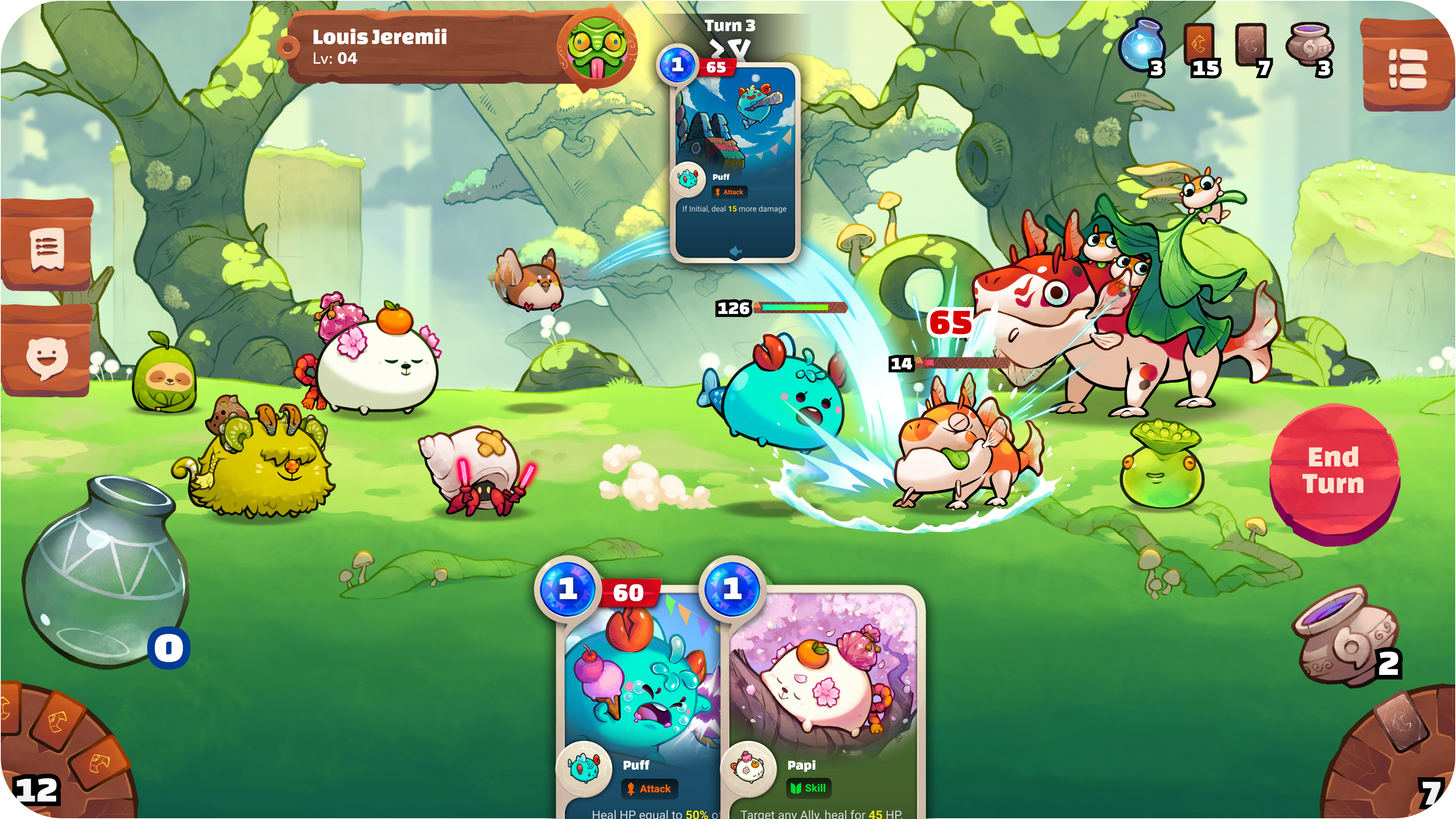
What We Know About Axie Infinity: Origin So Far
The introduction of Axie Infinity: Origin represents a strategic pivot for Sky Mavis, aiming to transition the title from a niche play-to-earn model toward a mainstream, free-to-play (F2P) mobile card battler.
- Sky Mavis is launching 'Origin' (Battle V3) to pivot Axie Infinity toward a free-to-play (F2P) mobile card battler model, aiming to scale its userbase beyond the existing crypto-native audience.
- The update introduces three non-NFT starter Axies to lower the barrier to entry, replacing the previous requirement for new players to purchase three NFTs, which historically cost significantly more.
- To address SLP token inflation, Sky Mavis is implementing a new power-up system using 'Runes and Charms' that requires players to spend in-game resources and eventually SLP to enhance their Axies.
What Players Wish Nintendo Would Fix for Switch Discovery
User sentiment and developer feedback indicate significant discoverability challenges within the Nintendo Switch eShop.
- The Nintendo Switch eShop ranking algorithm prioritizes unit sales over revenue, allowing developers to artificially inflate chart positions by discounting games to extremely low price points.
- Nintendo’s storefront lacks essential discovery tools, including a persistent user rating system and robust filtering, which prevents consumers from effectively identifying high-quality titles.
- The eShop interface suffers from poor optimization and slow navigation, discouraging organic browsing compared to the sophisticated recommendation engines found on platforms like Steam.
Is Steam Really Conspiring to Price Fix?
The primary purpose of this analysis is to evaluate the merits of a 2021 class-action lawsuit filed against Valve Corporation, which alleges that the Steam platform engages in illegal price-fixing through its distribution agreements.
- The 2021 class-action lawsuit alleging that Valve engages in illegal price-fixing is considered unlikely to succeed due to a fundamental misunderstanding of Steam’s contractual policies.
- Steam does not contractually mandate price parity across all digital storefronts, a fact evidenced by observable price discrepancies for titles such as Slay the Spire.
- While Valve prohibits developers from selling Steam keys at lower prices on third-party sites, this policy does not constitute a violation of the Sherman Antitrust Act regarding cross-platform pricing.
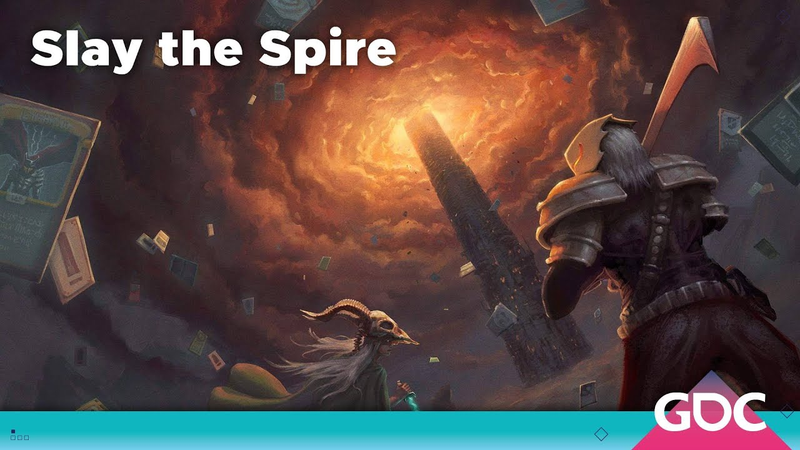
GDC Plays IGF Nominee Slay the Spire with Casey Yano
The success of Slay the Spire stems from a community-driven development philosophy that prioritizes player experience over rigid mathematical balance.
- Slay the Spire utilized Steam Early Access to gauge market interest, releasing with two of three planned characters to determine if the project warranted completion or should be scaled back.
- The developers leveraged gameplay data uploaded by the community to inform balance changes and identify which card mechanics were underperforming or confusing for players.
- The game's map system was inspired by FTL: Faster Than Light, shifting from a blind sequence of encounters to a visible, branching path that allows for strategic, long-term risk-reward decision-making.
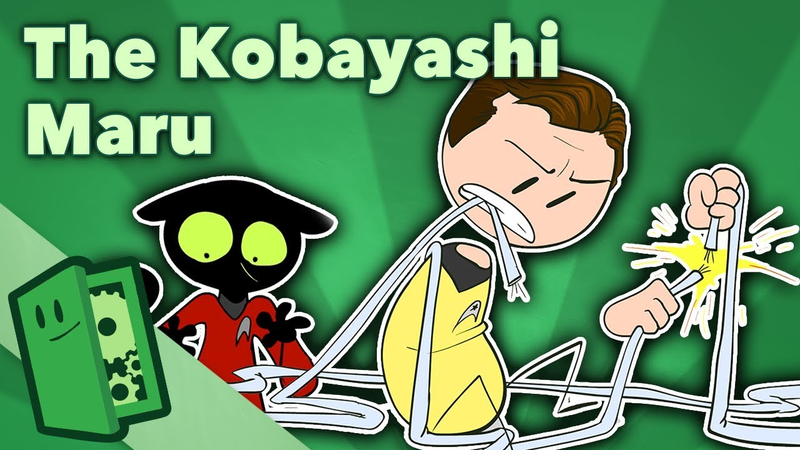
The Kobayashi Maru - No-Win Scenarios in Games - Extra Credits
The concept of the no-win scenario, famously exemplified by the Kobayashi Maru, is a prevalent yet often overlooked element in game design, particularly within titles that utilize procedural generation.
- Unwinnable game states are an inherent trade-off in procedurally generated titles, where randomness is prioritized to provide vast, scalable content without the need for manual oversight.
- In Klondike Solitaire, approximately 21 percent of all deals are mathematically impossible to complete, illustrating that unwinnable scenarios are a common feature in games relying on initial seeds.
- While unwinnable states are often categorized as design flaws, they can function as tools for psychological growth by forcing players to confront situations beyond their control.
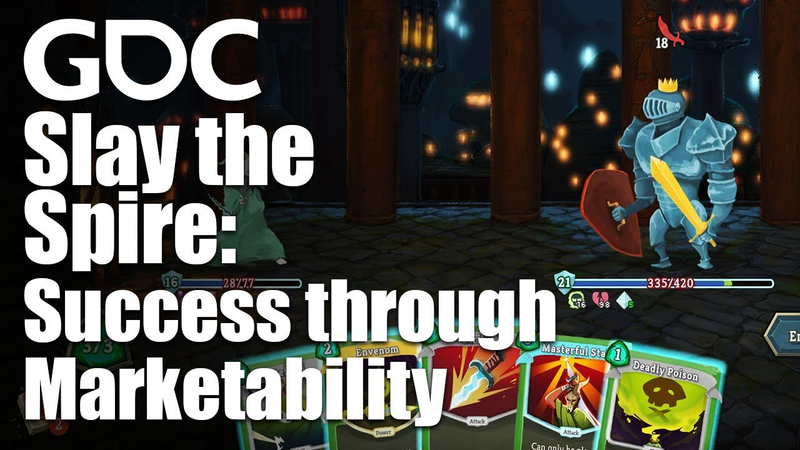
Slay the Spire: Success through Marketability
Slay the Spire demonstrates that long-term commercial success in the independent gaming sector is best achieved through a mechanics-first design philosophy and a commitment to radical transparency.
- Slay the Spire's success was driven primarily by organic player enjoyment and visibility on Twitch, which allowed a game with modest visual appeal to gain massive traction through streamer engagement.
- Steam's 'Top Sellers' list acts as a critical discovery multiplier; once the game broke into this list, sales shifted from a declining trend to a significant, sustained spike.
- Weekly patching during Early Access kept the community engaged and allowed the developers to rapidly fix bugs and iterate on features, which was essential for a small team without a dedicated QA department.
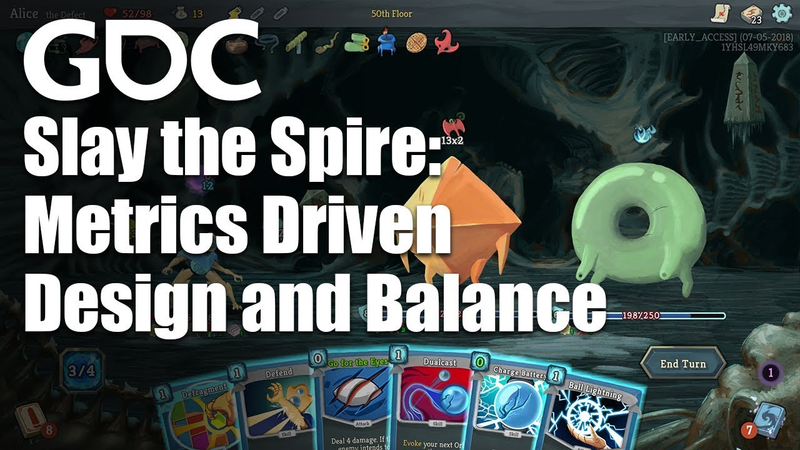
Slay the Spire: Metrics Driven Design and Balance
Strategic balance in Slay the Spire prioritizes meaningful diversity over mathematical equality, ensuring that every card serves a distinct purpose while avoiding mechanics that warp the core gameplay loop.
- Strategic balance in Slay the Spire prioritizes meaningful diversity over mathematical equality, ensuring every card serves a distinct purpose without warping the core gameplay loop.
- The development team utilized a dual-layered feedback mechanism that combined large-scale automated metric collection with qualitative insights from community channels, streamers, and direct player discourse.
- The Early Access model facilitated rapid iteration, using a stable beta branch to test major overhauls like the intent system and Ascension levels.
The History of Roguelike Deckbuilders - From Playing Cards to CCGs and Beyond - Extra Credits
The evolution of card-based gaming traces a path from traditional playing cards to the modern roguelike deckbuilder genre.
- Slay the Spire served as the critical inflection point for the roguelike deckbuilder genre, refining procedural dungeon exploration and strategic card progression into a commercially successful and highly accessible format.
- The 2014 title Dream Quest was the first to successfully integrate roguelike procedural generation with deck-building mechanics.
- The 2008 release of Dominion revolutionized card gaming by shifting deck-building from a pre-game meta activity into a core, real-time gameplay loop.
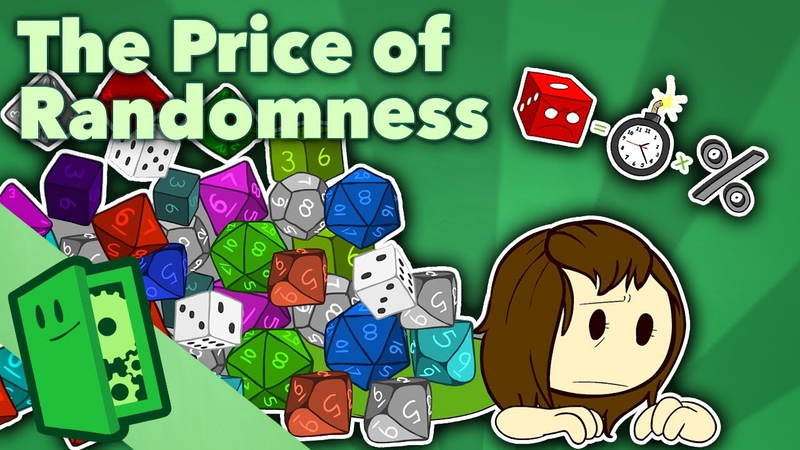
The Price of Randomness - Balancing RNG - Extra Credits
The design of random number generation (RNG) in video games requires a structured approach to balance strategic depth with player satisfaction.
- Portnow’s Postulate defines player frustration as the product of time lost and the probability of that loss occurring, serving as a diagnostic tool for balancing RNG.
- The 'true time cost' of a loss must account for cumulative progress, such as rank degradation or the time spent earning entry currency, rather than just the duration of a single match.
- In games like Hearthstone, a loss is effectively doubled in time cost because it negates the progress gained from a previous win, increasing the frustration threshold.