Silent Hill 2
13 documents in the library are about Silent Hill 2, from writers such as Extra Credits, Stream Hatchet and Alinea Analytics, the newest from 2026. Each has a summary and key insights with the page they come from.

The second entry in the Silent Hill franchise, Silent Hill 2 is a narrative-focused third-person psychological survival horror game with emphasis on combat, exploration and puzzle-solving elements which follows James Sunderland, a man who receives a letter, seemingly sent by his three-years-deceased wife Mary, in which he is beckoned to the fog-ridden town of Silent Hill at the same time as numerous other people troubled by their past.
- Released
- Sep 24, 2001
- Developer
- Team Silent
- Publisher
- Konami
- Genres
- Puzzle, Adventure
- Platforms
- PlayStation 2
- Links
- Wikipedia
Game data from IGDB.com
Key figures
Resident Evil Requiem sold over 6 million copies in under a month, while the Silent Hill 2 remake reached 5 million users through sales and subscriptions.
GameDev Reports, 2026 · Games and Numbers: March 12 - March 24, 2026
Platform loyalty remains a primary driver of console sales, evidenced by the Silent Hill 2 remake generating 78% of its European revenue on PlayStation 5.
GameDiscoverCo, 2024 · Why 'Different' Sequels Are Discovery 'Hard Mode'
The Silent Hill 2 Remake generated nearly 16 million hours watched and 404,000 peak concurrent viewers during its first week of release.
Stream Hatchet, 2024 · Silent Hill 2 Remake Impresses on Live Streaming
The Silent Hill 2 remake surpassed 1 million units sold globally within three days of its October 2024 launch, reaching this milestone significantly faster than the original game.
Game World Observer, 2021 · Konami to Create Remakes and New Installments of Classic IPs
Documents about Silent Hill 2
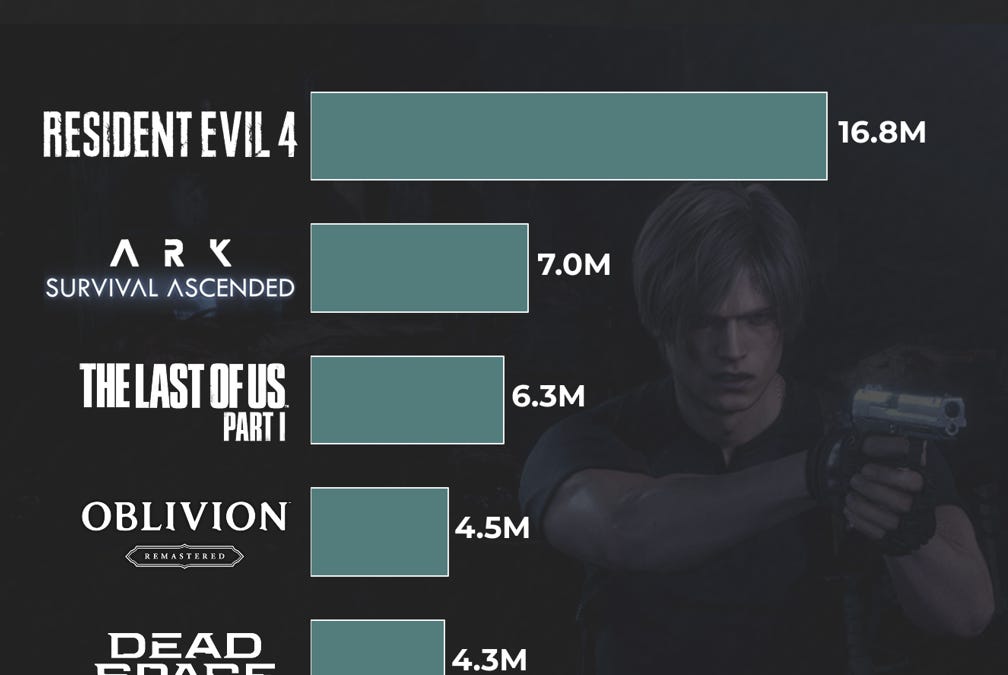
This Gen’s Top Remakes & Remasters by Copies Sold
The current gaming landscape is defined by a strategic pivot toward remakes and remasters, which serve as a critical risk-mitigation tool for AAA publishers facing bloated budgets and market volatility.
- Remakes and remasters are a de-risked strategy for publishers due to proven demand and shorter, cheaper production cycles compared to new IPs, which can cost over $150M and take nearly a decade to develop.
- Capcom's strategy of using reliable remake pipelines to fund innovative new titles is becoming an industry standard, with other major publishers like PlayStation, Xbox, Square Enix, Ubisoft, and Konami adopting similar approaches.
- Steam often generates less revenue per copy for remakes/remasters due to higher sales volume in lower-priced regions and frequent discounting, with countries like China, Brazil, and Russia being top markets for titles like Resident Evil 4.
Games and Numbers: March 12 - March 24, 2026
The bi-weekly industry update covering March 12 to March 24, 2026, provides a snapshot of performance milestones across the PC, console, and mobile gaming sectors.
- Nintendo reduced its Switch 2 production target from 6 million to 4 million units for the current quarter following weaker-than-expected U.S. holiday sales.
- Resident Evil Requiem sold over 6 million copies in under a month, while the Silent Hill 2 remake reached 5 million users through sales and subscriptions.
- Crimson Desert generated $20 million in pre-order revenue and sold 3 million units within its first week of release.

Dragon Ball and Undisputed Sales: UK Monthly Report October 2024
The UK video game market experienced a modest growth in software sales during October 2024, with 2.9 million units sold, representing a 3.2% increase compared to the same period in 2023.
- UK software sales reached 2.9 million units in October 2024, a 3.2% year-on-year increase driven by high-profile new releases.
- Console hardware sales declined by 18% year-on-year, with PlayStation 5, Nintendo Switch, and Xbox Series all recording double-digit drops.
- Call of Duty: Black Ops 6 topped the monthly charts, with a 24% year-on-year increase in premium PlayStation sales offsetting an 11% decline in overall premium sales attributed to Game Pass availability.
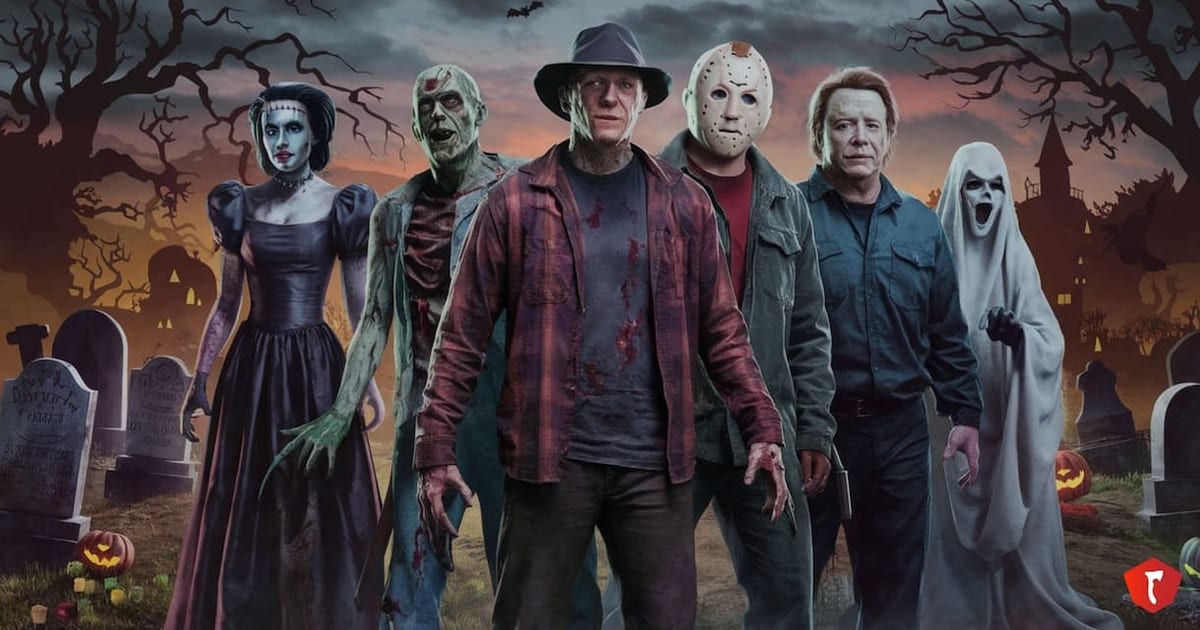
Halloween Fuels Horror Games on Live Streaming
The live streaming industry increasingly leverages Halloween as a strategic marketing period to drive engagement, mirroring trends in film and music.
- Horror games generated 836 million hours watched across Twitch, YouTube, and Kick over the past 12 months, despite accounting for only 1.2 million hours of total airtime.
- Halloween significantly boosts engagement, with horror game viewership doubling from September to October 2024 and accounting for 4.7% of all live-streaming viewership during that month.
- Dead by Daylight is the dominant title in the genre, accounting for 28.5% of all horror game viewership over the past year with 238 million hours watched.
Why 'Different' Sequels Are Discovery 'Hard Mode'
The current landscape of video game discovery is shaped by shifting consumer behaviors, platform-specific trends, and evolving marketing strategies.
- Influencer marketing is currently the most effective promotional tool for PC and console titles, significantly outperforming traditional events and paid media.
- Console hardware spending in September 2024 hit its lowest level since 2019, even as the market continues to shift toward all-digital console units.
- Platform loyalty remains a primary driver of console sales, evidenced by the Silent Hill 2 remake generating 78% of its European revenue on PlayStation 5.
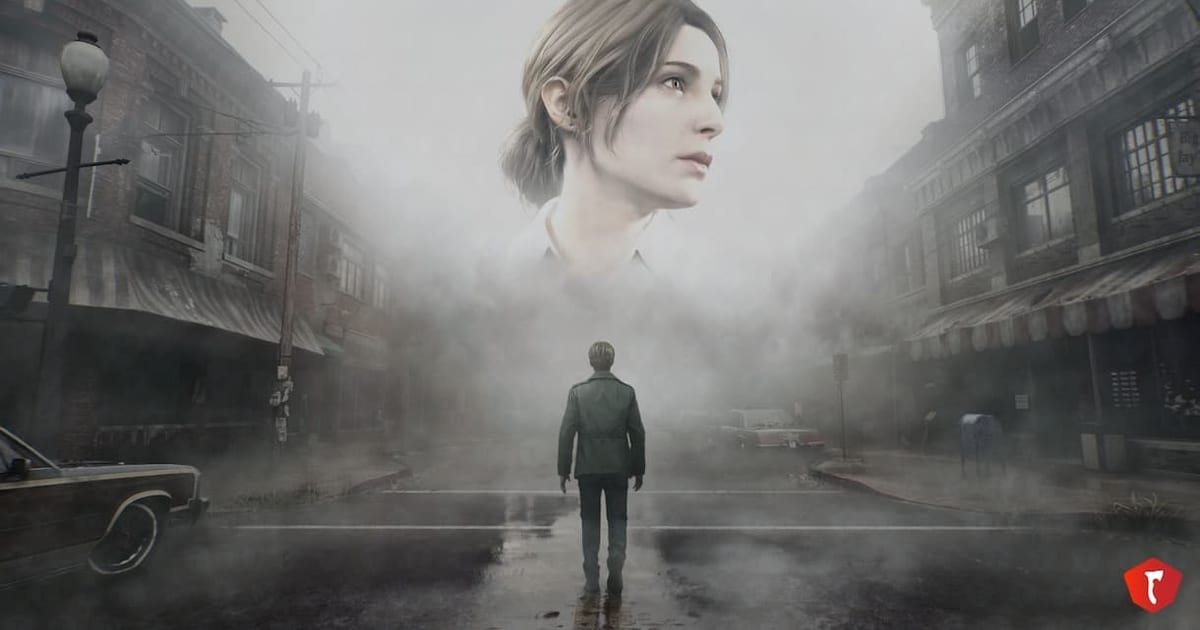
Silent Hill 2 Remake Impresses on Live Streaming
The Silent Hill 2 Remake has demonstrated significant commercial and cultural success on live-streaming platforms, effectively validating Konami’s strategy to modernize its classic horror catalog.
- The Silent Hill 2 Remake generated nearly 16 million hours watched and 404,000 peak concurrent viewers during its first week of release.
- The game achieved 315,000 hours of airtime, indicating broad interest across a wide range of creators rather than reliance on a few top-tier streamers.
- Silent Hill 2 Remake outperformed the Resident Evil 2 remake by approximately 1 million hours watched during its debut week.
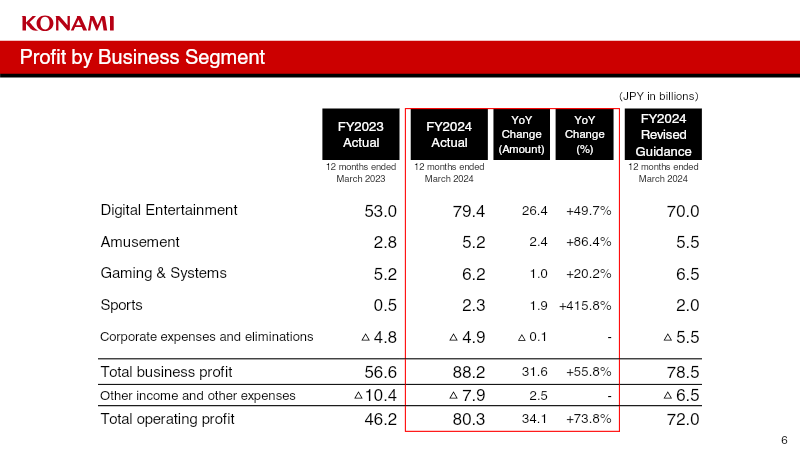
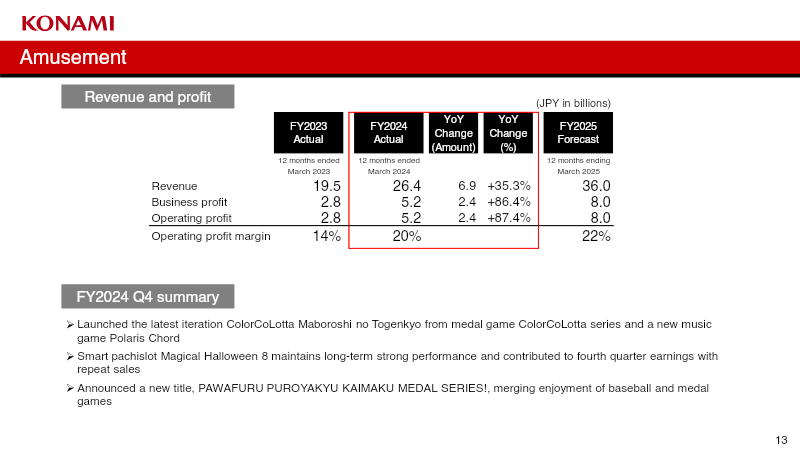
Konami Group FY2024 Financial Results
Konami Group’s financial results for the fiscal year ending March 31, 2024, demonstrate significant growth across all primary business segments.
- Konami Group achieved consolidated revenue of 360.3 billion yen for FY2024, a 14.6% increase, with operating profit rising 73.8% to 80.3 billion yen.
- The Digital Entertainment segment remains the primary revenue driver at 249.1 billion yen, marking a 16.7% year-over-year growth fueled by eFootball 2024 and the Yu-Gi-Oh! franchise.
- The Amusement segment saw the highest growth rate among all divisions, with revenue increasing 35.3% to 26.4 billion yen due to strong performance in medal and music-based arcade games.

Konami to Create Remakes and New Installments of Classic IPs
Konami has shifted its strategic focus toward revitalizing its legacy intellectual properties through a combination of remakes and new installments.
- The Silent Hill 2 remake surpassed 1 million units sold globally within three days of its October 2024 launch, reaching this milestone significantly faster than the original game.
- In the European market, the Silent Hill 2 remake saw 78% of its launch sales on PlayStation 5, with the remaining 22% coming from PC.
- While the Silent Hill 2 remake outperformed horror titles like The Callisto Protocol and Alan Wake 2, its European launch sales trailed behind the Dead Space remake.
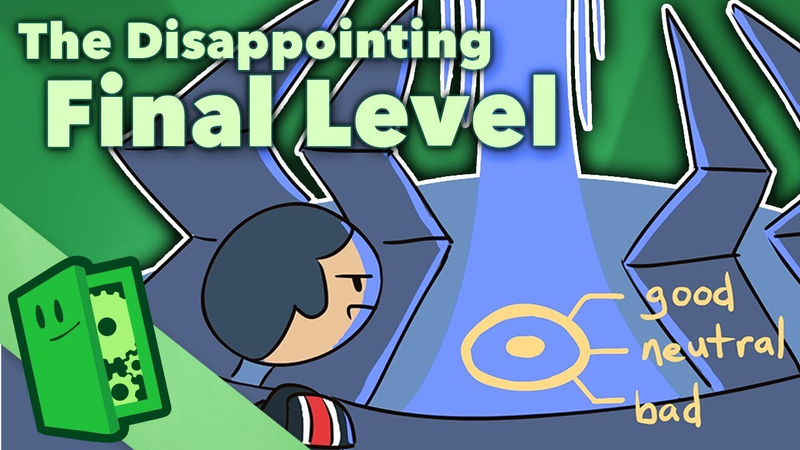
The Disappointing Final Level - Making Better Endings For Better Games - Extra Credits
The game industry frequently struggles to produce satisfying conclusions, often treating the final level as an afterthought due to development time constraints, resource allocation, and the difficulty of playtesting content that requires a full playthrough to experience.
- Game endings must be treated as a critical, planned component of the development cycle rather than an afterthought to ensure they validate the player's time investment.
- A successful conclusion requires the integration of three distinct layers: the narrative ending for emotional resolution, the mechanical ending for skill mastery, and the ethos ending for thematic reflection.
- Developers should prioritize early planning of the final level to avoid the common pitfalls of rushed development, resource depletion, and the difficulty of playtesting content that requires a full playthrough.
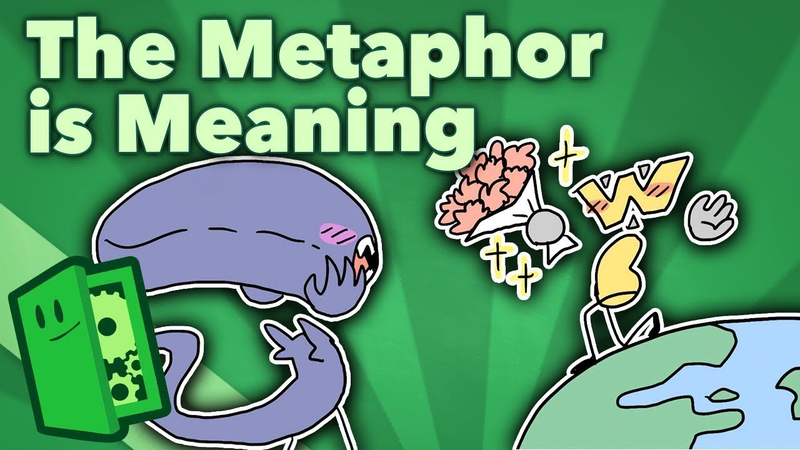
The Metaphor is Meaning - "Show, Don't Tell" in Game Design - Extra Credits
Game design often relies on the unique intersection of literal and metaphorical elements, allowing developers to convey complex narrative depth without relying solely on text-based exposition.
- Game designers can replace text-based exposition by using visual and interactive mechanics as metaphors to convey complex narrative depth.
- Effective metaphorical design requires early development planning to ensure that character traits, environmental assets, and narrative arcs are intentionally aligned with symbolic meanings.
- Specific gameplay elements, such as the tattoos in the Yakuza series or the psychological manifestations in Silent Hill 2, serve as shorthand for internal character struggles and thematic commentary.
Mechanics and Tone - How Does Gameplay Relate to Story? - Extra Credits
The synthesis of gameplay mechanics and narrative is a fundamental pillar of effective game design.
- Gameplay mechanics must be developed as a foundational element of the narrative rather than an afterthought to ensure cohesive, immersive player experiences.
- Disjointed mechanics and narrative cause player disengagement, as users begin to perceive the story as an interruption to the gameplay loop.
- Effective mechanical design functions like literary style or artistic color palettes, grounding the player in the game’s emotional stakes and intended tone.
Horror That Lingers - How the Uncanny Instills Fear - Extra Credits
Modern horror media frequently fails to leave a lasting psychological impact because it relies on fleeting sensations like jump scares, gore, or power fantasies.
- True psychological horror relies on the 'uncanny'—the distortion of familiar, mundane environments—rather than jump scares or gore, which are easily dismissed as non-threatening by the player.
- The uncanny triggers a subconscious sense of unease by presenting elements that are recognizable but slightly 'off,' forcing the brain to constantly scan for anomalies in the environment.
- By grounding horror in reality rather than fantasy, developers prevent players from distancing themselves from the experience, allowing the fear to linger after the game session ends.