ArticleAlinea Analytics
This Gen’s Top Remakes & Remasters by Copies Sold
23 Jul 20261 pages~12 min full read
Key insights
7 slides
Context
Publishers pivot to remakes to mitigate risk and secure predictable revenue.
This approach balances portfolios and funds riskier, original projects.
Key number
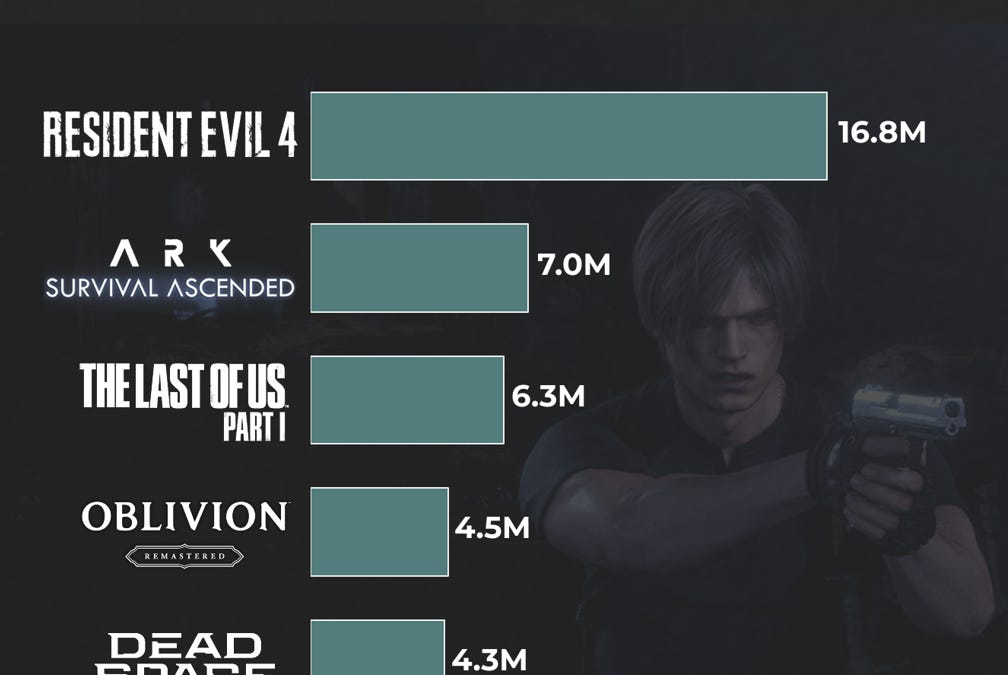
Resident Evil 4 remake leads the sector with 16.8 million copies sold.
The title generated $560 million in gross revenue. It is a critically acclaimed classic from 2005 that was visually dated and three console generations old.
What changed
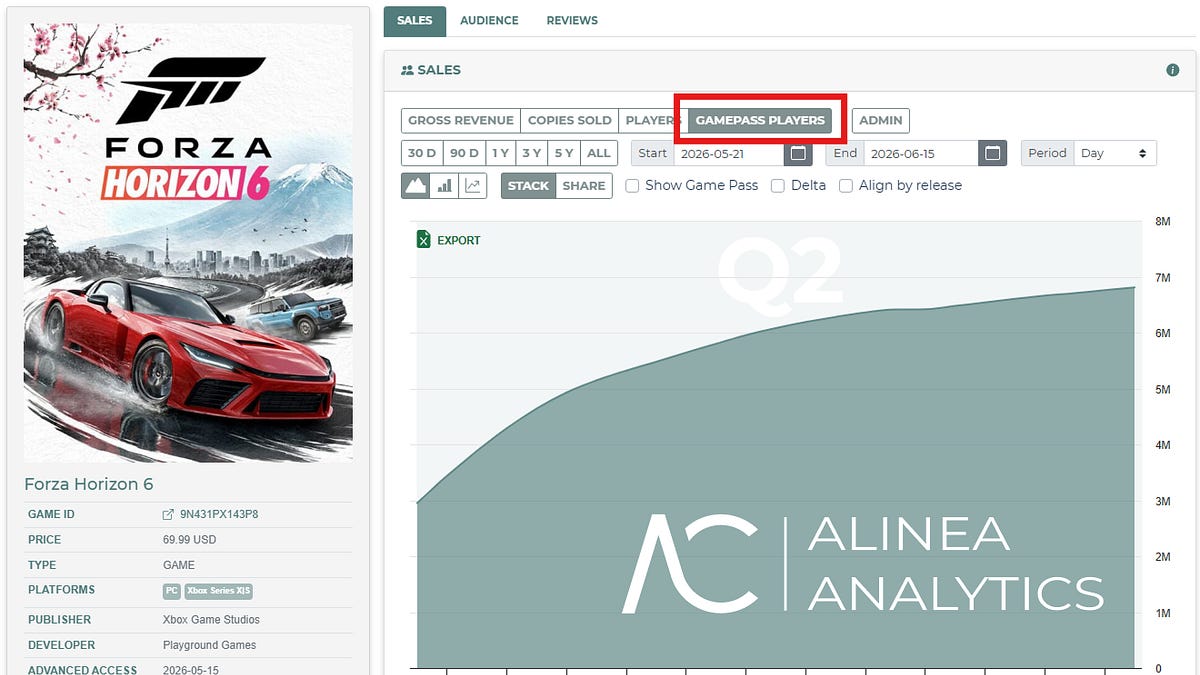
Ark: Survival Ascended reached 7 million copies and 13 million total players.
Strategic subscription service integration added 6.2 million players. The title generated nearly $230 million in gross revenue.
The cost gap
New IP can cost over $150 million and take nearly a decade.
Remakes offer a more efficient production cycle and a guaranteed audience. This effectively de-risks the development pipeline.
Development cost. New intellectual property can cost over $150 million and take nearly a decade to produce.
The catch
Remake advantages are neutralized if publishers apply bloated development structures.
The strategy remains contingent on operational efficiency. Publishers must avoid the over-staffed structures that contributed to current financial pressures.
Revenue nuance
Steam often generates less revenue per copy for remakes and remasters.
This is due to higher sales volume in lower-priced regions and frequent discounting. China, Brazil, and Russia are top markets for titles like Resident Evil 4.
Standard practice
Capcom's reliable remake pipelines are becoming an industry standard.
Other major publishers like PlayStation, Xbox, Square Enix, Ubisoft, and Konami are adopting similar approaches. Oblivion Remastered sold 4.5 million paid copies and gained 4.1 million players through Game Pass.
1 / 7
Ask AI about this report