1 free read left. Create a free account for unlimited reading + AI research.
Create free account
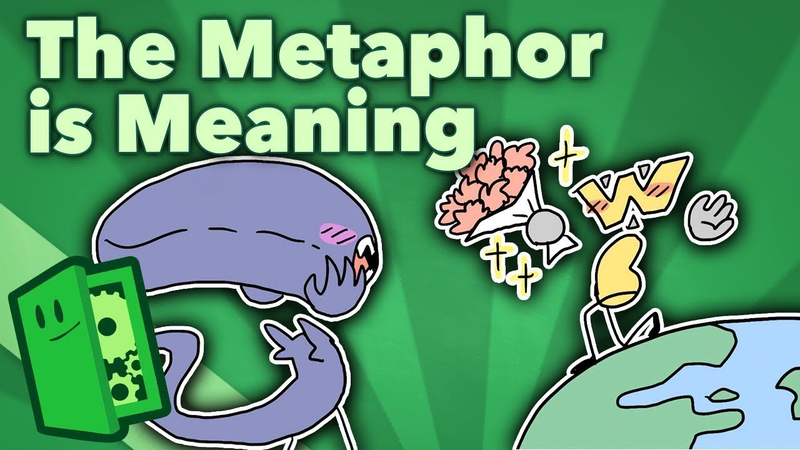
The Metaphor is Meaning - "Show, Don't Tell" in Game Design - Extra Credits
Key insights
6 takeaways- 01Game designers can replace text-based exposition by using visual and interactive mechanics as metaphors to convey complex narrative depth.
- 02Engaging with games on a symbolic level enhances the player's personal connection to the work, even when specific metaphors were not explicitly intended by the creator.
- 03Treating mechanics as a language of metaphor allows for a more efficient and immersive form of storytelling that reduces the need for cumbersome dialogue.
- 04Specific gameplay elements, such as the tattoos in the Yakuza series or the psychological manifestations in Silent Hill 2, serve as shorthand for internal character struggles and thematic commentary.
- 05Effective metaphorical design requires early development planning to ensure that character traits, environmental assets, and narrative arcs are intentionally aligned with symbolic meanings.
- 06Developers should audit every asset to ensure it contributes to the game’s broader thematic goals rather than existing solely as a literal gameplay element.
Ask AI about this video
Transcript
he was a monster they were mesmerised she was a Titan these are the sorts of metaphors we use all the time in literature open any piece of fiction and you'll see a phrase like this within the first couple of pages in games though this can also be literal before we begin please welcome Jack McGee who's doing guest art for this episode thanks jack this whole episode is going to be about the fact that in games something can be metaphorical and literal at the same time this is important because so often we the community whether it be the players or critics miss the metaphorical and only see the literal denying us a richer experience and hamstringing what developers can actually deliver at the same time the development community often forgets to think about the metaphors the literal elements of their games deliver robbing their audience of
the depth they crave but before we can solve this we should probably give a few examples to make sure we're all on the same pages imagine a character in a game that's a vampire well the fact that they are a vampire of course means they are a vampire but that's not all it means what are the characteristics usually associated with a vampire they're parasitic blood sucking and predatory in a piece of literature if you said that man is a vampire often it's those qualities not the fact that the person you're talking about is a literal vampire that you'd be expressing and everyone would know exactly what you meant but in games the fact that the character is a vampire also means they represent those qualities if our vampire is secretly the head of the local merchants guild we're using the metaphor inherent in the fact that they are a vampire to make a commentary we're saying that these merchants are vampires at least in the metaphorical sense their
blood sucking or leeches if you were to swap things around a bit and have the vampire fighting against the local merchant guild with the peasants supporting and hiding them you're now making a slightly higher level commentary you're basically saying even the vampire is less vampiric than these folks now let's take a few more complex examples from film and comics Superman's fortress of solitude for example is in actual fortress but it's also representational it's actually more important as a metaphor for the inner life of the character who possesses it then its capacity as a physical defensive structure simply by Superman having a fortress of solitude somewhere in the Arctic we can instantly come to know a lot more about him as a character no extra tech space has to be taken up trying to tell us about Superman's in her life to give us this and because of it we don't need any excruciating dialogue hitting us over the head with the fact that the strongest person in the world is also vulnerable and alone
in the alien films the aliens are faced hugging chests bursting parasites they also happen to be what the earthbound mega corpse strive for most of the film's revolve around and most of the problems in the film are caused by agents of the weyland-yutani corporation trying to acquire and use these destructive monstrous creatures the nature of the creatures is used as a metaphor that tells us about the corporate greed in this dystopic sci-fi future Silent Hill 2 always stands out as the best example of this idea in games utilizing the fact that in games the literal and the metaphorical can overlap for instance the killer mannequins that are just four pairs of legs are absolutely a representation of the main characters frustrated sexual desires but they're also really killer mannequins who are out to murder you in the Yakuza series kiri you literally has a tattoo of a dragon on his back but symbolically
the dragon in Japanese culture represents wisdom and protection it represents being a guardian meanwhile Misha she literally has a tattoo of a koi on his back but that koi also tells us about his character the koi is a symbol of striving in the myth the koi can become a dragon but only if it doesn't give up if it continues to fight the current rather than choose the easy route and go with the flow of in the end this tattoo tells us what Nishiki could be and foreshadows what he will become if we think past the literal in our games and think to what those literal elements might represent we can convey so much meaning that we'd never be able to fit in if we had to cram it into the text of the game it also gives us the option to deliver information in a subtler way without the laborious character expositions that make so many games drag or feel cheesy now how to achieve this on a development side isn't actually that hard it just involves
forethought it involves knowing your characters or what you're trying to say with a particular part of your game early enough in development that you can create assets around those ideas and in truth this is probably just good practice we should generally think through our characters and the things we're trying to say with our games earlier in cycle sure some of it will get cut and changed as the game goes on but you know what that's no real loss you'll still build better characters and you'll still get neat character designs enemies locations or narrative arcs out of doing so the other approach is a little looser but it's probably where we'll have to start in modern development every time we're about to start sculpting a model or designing an enemy we should ask ourselves why why is it this particular thing instead of something else what does its nature or its design say that costs us nothing and provides more depth to our games and if you don't think players will dig to that depth if
you don't think that they'll think about it to that level oh do I have a wiki for Silent Hill or blood-borne I'd like to show you if it's there your players will find it and on the other side as a community as players and as critics we should give developers the benefit of the doubt we should assume there's meaning there that's not reading too much into things and it won't in any way spoil your games because even if it's not the designers intent by doing that maybe from time to time you'll find something in a game you might have otherwise overlooked that will be truly meaningful to you and if any of you watching this have any other good examples of places were the literal and the metaphorical overlapping games put him in the comments section below we love getting those types of discussions started until then see you next time [Music]
Summary
Game design often relies on the unique intersection of literal and metaphorical elements, allowing developers to convey complex narrative depth without relying solely on text-based exposition. By utilizing visual and interactive mechanics as metaphors, creators can enrich the player experience and provide subtle character or thematic commentary. This approach moves beyond traditional storytelling, enabling designers to embed meaning into assets, enemy designs, and environmental structures, which in turn reduces the need for cumbersome dialogue or forced character explanations.
Effective implementation requires early development forethought, where designers intentionally align character traits, environmental assets, and narrative arcs with symbolic meanings. For instance, a character’s physical attributes or a location’s design can serve as a shorthand for internal struggles or societal critiques. Examples such as the symbolic tattoos in the Yakuza series or the psychological manifestations in Silent Hill 2 demonstrate how literal gameplay elements—such as enemies or character markings—simultaneously function as profound representations of wisdom, struggle, or repressed desire.
The responsibility for this depth is shared between developers and the gaming community. Developers are encouraged to ask why specific designs are chosen, ensuring that every asset contributes to the game’s broader thematic goals. Conversely, players and critics are encouraged to look beyond the literal surface of gameplay. Even when a specific metaphor is not explicitly intended by the creator, engaging with a game on a symbolic level often enhances the player's personal connection to the work. Ultimately, treating game mechanics as a language of metaphor allows for a more sophisticated, efficient, and immersive form of interactive storytelling.













Comments