1 free read left. Create a free account for unlimited reading + AI research.
Create free accountArticle AI and Games
1 free read left. Create a free account for unlimited reading + AI research.
Create free accountArticleAI and Games
Early systems used finite state machines and behavior trees to create engaging interactions. The focus was on player experience rather than rational decision-making.
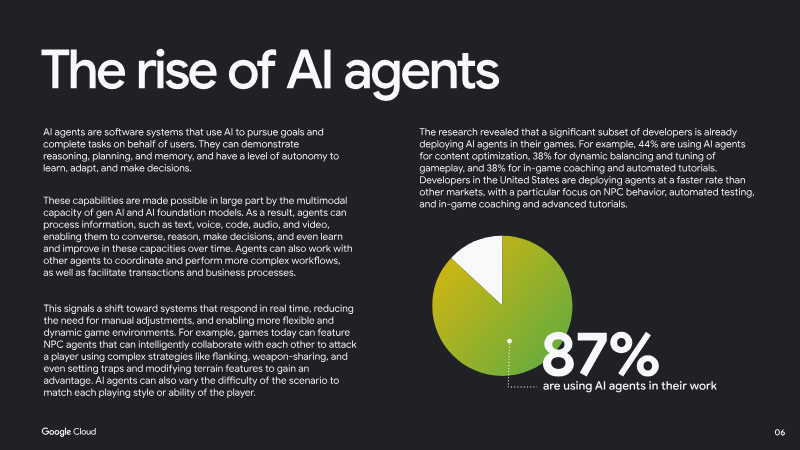
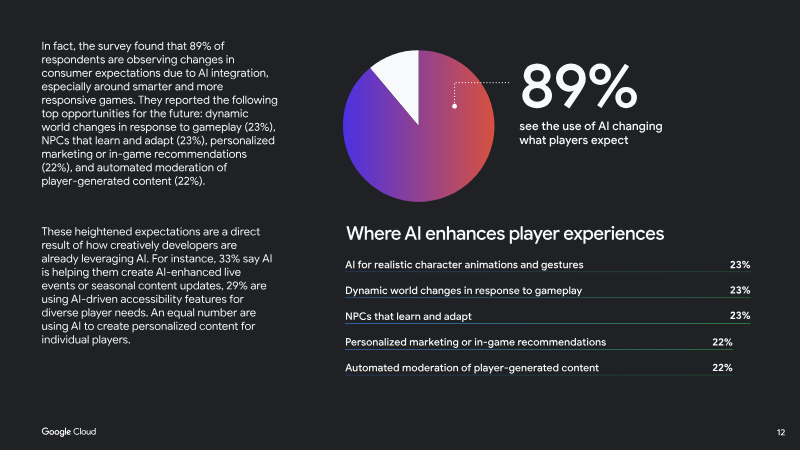
Artificial intelligence in the video game industry has transitioned from rule-based, theatrical systems designed to simulate character behavior to sophisticated machine learning frameworks that underpin modern development pipelines. Historically, game AI prioritized player experience over rational decision-making, utilizing finite state machines and behavior trees to create engaging, albeit scripted, interactions. This foundational approach has since expanded into a critical infrastructure for contemporary studios, where machine learning now drives essential technical functions including motion matching, neural rendering, player analytics, and automated matchmaking.
Despite the rapid integration of these backend tools, the adoption of generative AI remains fraught with significant economic and technical hurdles. High cloud-hosting costs, persistent latency issues, and the risk of generating toxic or unpredictable content have rendered large-scale language model deployment largely unsustainable for most developers. Furthermore, consumer sentiment remains notably resistant to the use of AI in creative domains such as narrative design, music, and visual art. These challenges have forced a strategic pivot across the global industry, with studios increasingly favoring small language models capable of running locally to enhance operational efficiency while mitigating the ethical and financial risks associated with cloud-dependent systems.
As of 2026, the industry is moving toward a more pragmatic application of artificial intelligence, focusing on administrative and technical optimization rather than wholesale replacement of creative workflows. While generative tools are frequently utilized for marketing and internal logistics, the broader integration of AI is characterized by a cautious, iterative approach. This evolution reflects a growing recognition that the long-term viability of AI in gaming depends on balancing technological innovation with the preservation of human-led creative processes and the economic realities of sustainable development.
AI and Games · 2026

AI and Games · 2026
AI and Games · 2026
AI and Games · 2026

AI and Games · 2026

AI and Games · 2026

AI and Games · 2026

AI and Games · 2026

AI and Games · 2026

AI and Games · 2026
AI and Games · 2026

AI and Games · 2026
PocketGamer.biz · 2026