Europa Universalis
Game
Documents about Europa Universalis
Peripheral Religions and Games
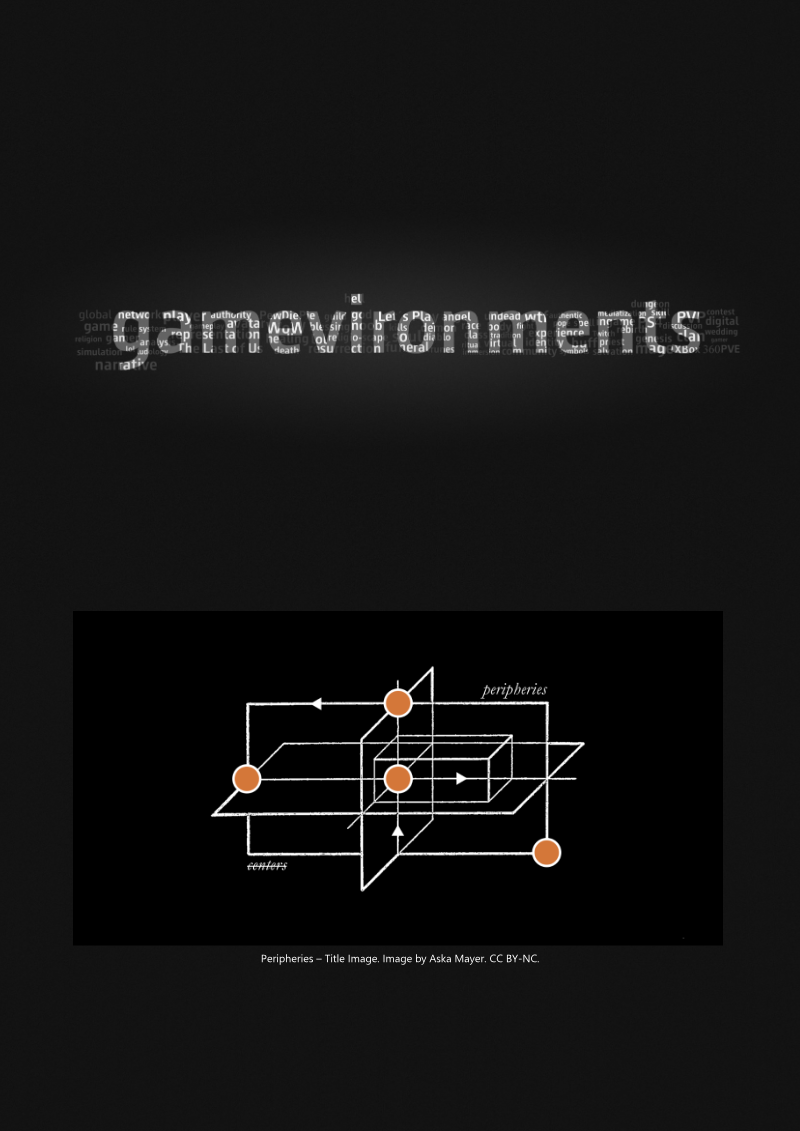
The special issue of Gamevironments (Issue 22, 2025) examines how peripheral religions are represented in grand strategy and history-based games, with a particular focus on Crusader Kings III and Europa Universalis IV.
- The central thesis is that game mechanics actively shape how players understand and enact belief systems, not merely simulate them, with peripheral religions like Ásatrú (Crusader Kings III) and Hussitism (Europa Universalis IV) framed as oppositional to dominant Christian and Islamic traditions.
- In Crusader Kings III, the Ásatrú Warmonger tenet and Blót mechanics reward executions, conquest, martial traits, and male-only succession, steering players toward conquest-oriented and patriarchal play.
- In Europa Universalis IV, the Hussite faith begins with destruction-related debuffs that must be resolved through a mission tree, and the author's playthrough found the mechanics strongly encourage war and forced conversion.
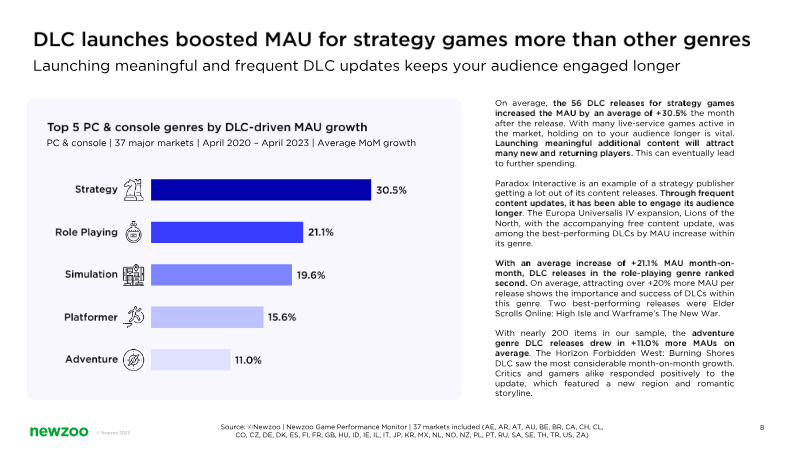

How DLC boosts engagement for PC and console games
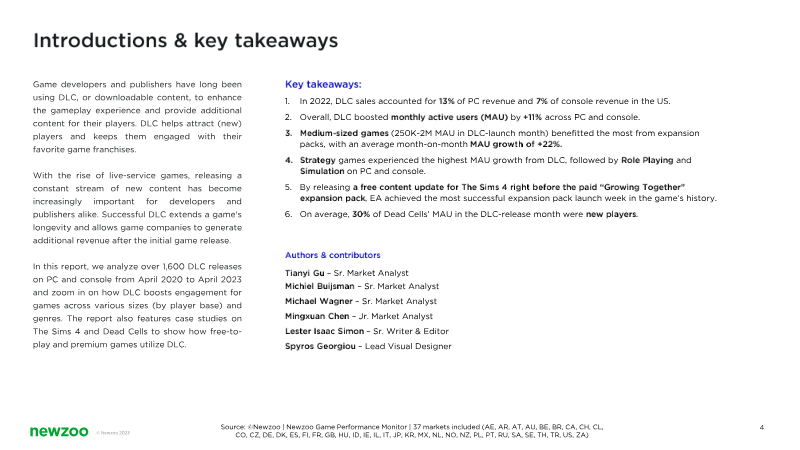
Downloadable content is a core tool for attracting and retaining players, particularly as live-service models make a steady flow of new content more important.
- DLC releases drive an average 11% increase in monthly active users (MAU), with medium-sized games (250,000 to 2 million MAU) seeing the highest impact at 22% growth.
- Strategy games benefit most from the DLC model, recording a 30.5% average increase in MAU, followed by role-playing and adventure titles.
- DLC is a significant revenue driver, accounting for 13% of PC revenue and 7% of console revenue in the U.S. during 2022.
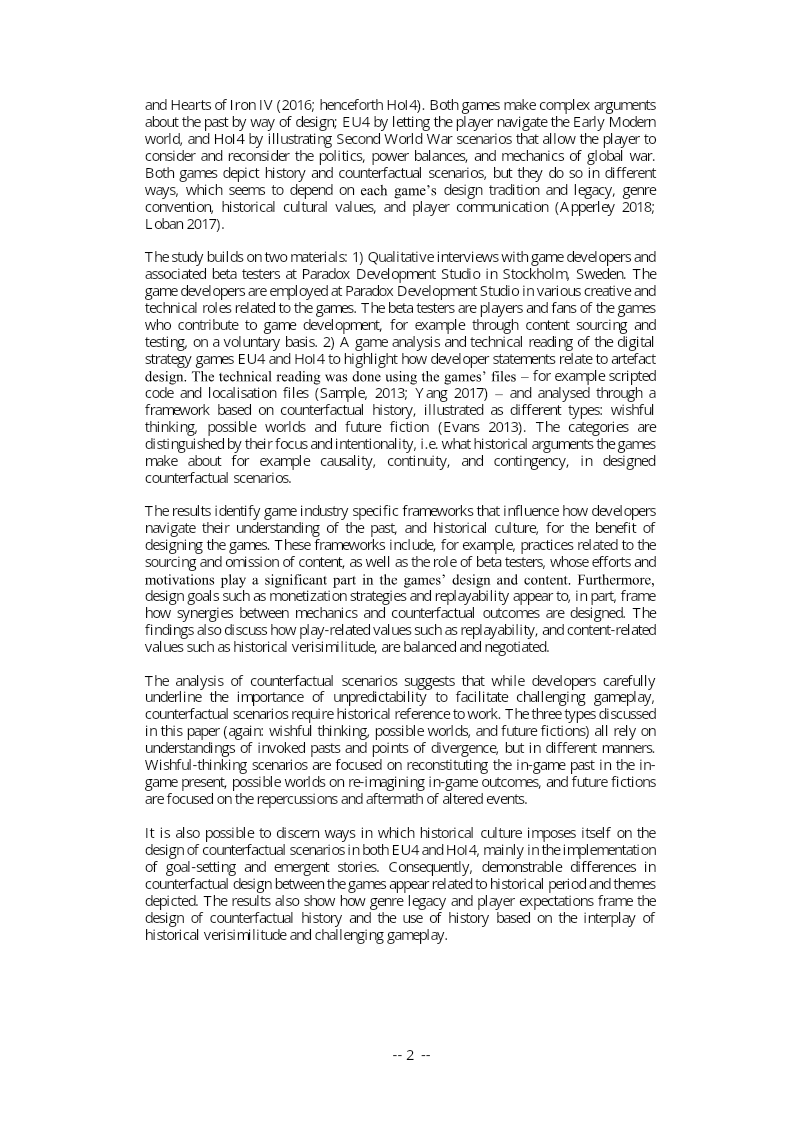
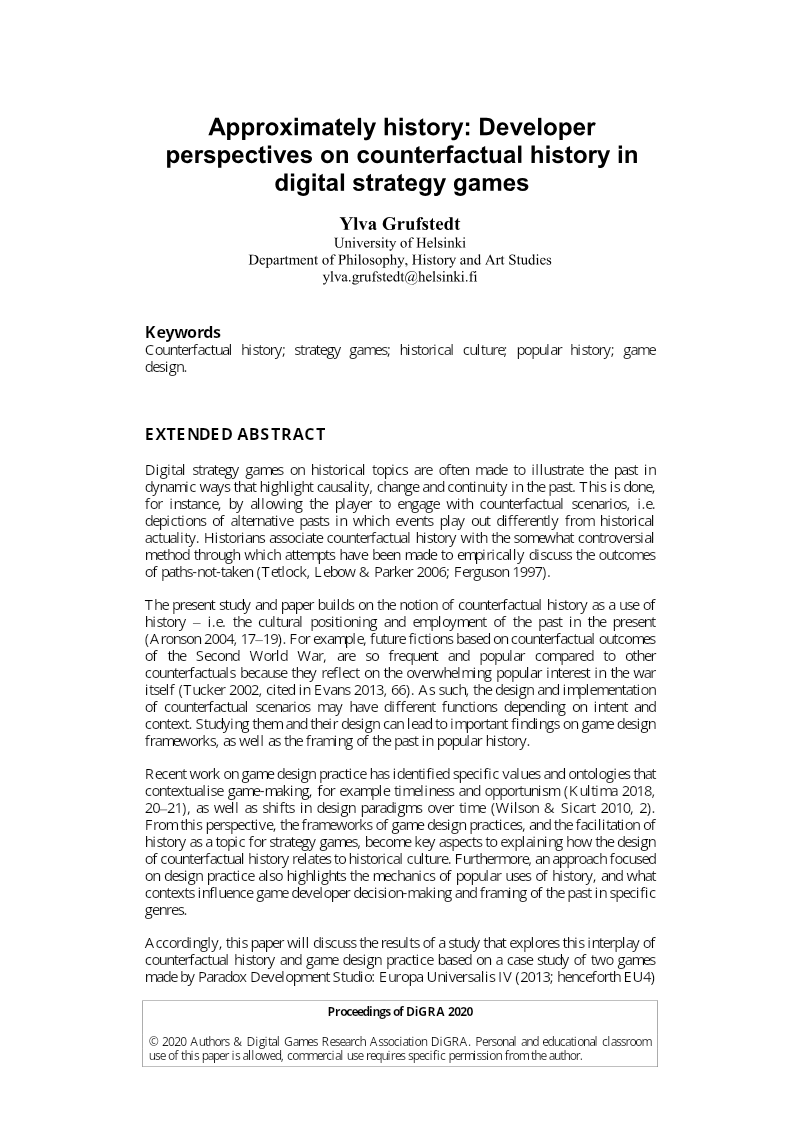
Approximately History: Developer Perspectives on Counterfactual History in Digital Strategy Games
This study examines how developers at Paradox Development Studio approach counterfactual history in two strategy games, Europa Universalis IV (2013) and Hearts of Iron IV (2016), which allow players to explore alternative outcomes to historical events.
- The study argues that counterfactual scenarios in digital strategy games are shaped by game design practice, genre conventions, and commercial considerations, not just historical interest, and that these factors together determine how games use the past in the present.
- Counterfactual scenarios are analysed through three categories: wishful thinking (reconstructing the in-game past within the in-game present), possible worlds (reimagining in-game outcomes), and future fiction (exploring consequences of altered events), distinguished by their focus and their arguments about causality, continuity, and contingency.
- The research combines qualitative interviews with Paradox Development Studio developers and volunteer beta testers in Stockholm with a technical analysis of the games' scripted code and localisation files, focusing on Europa Universalis IV (2013) and Hearts of Iron IV (2016).
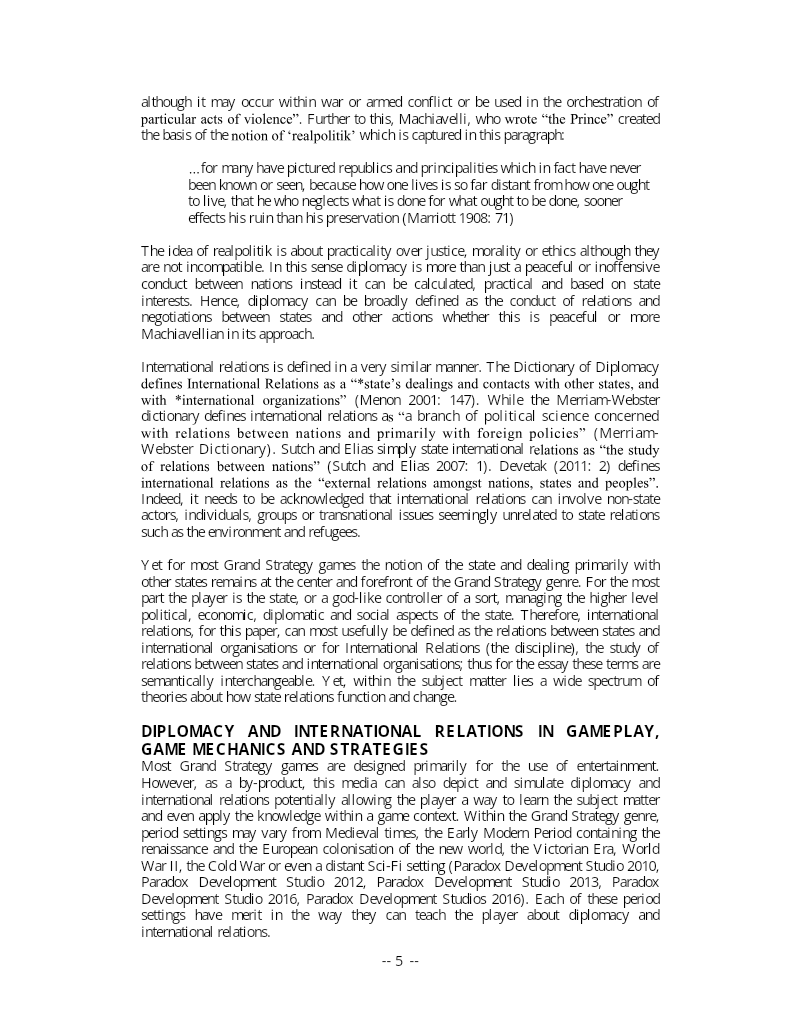
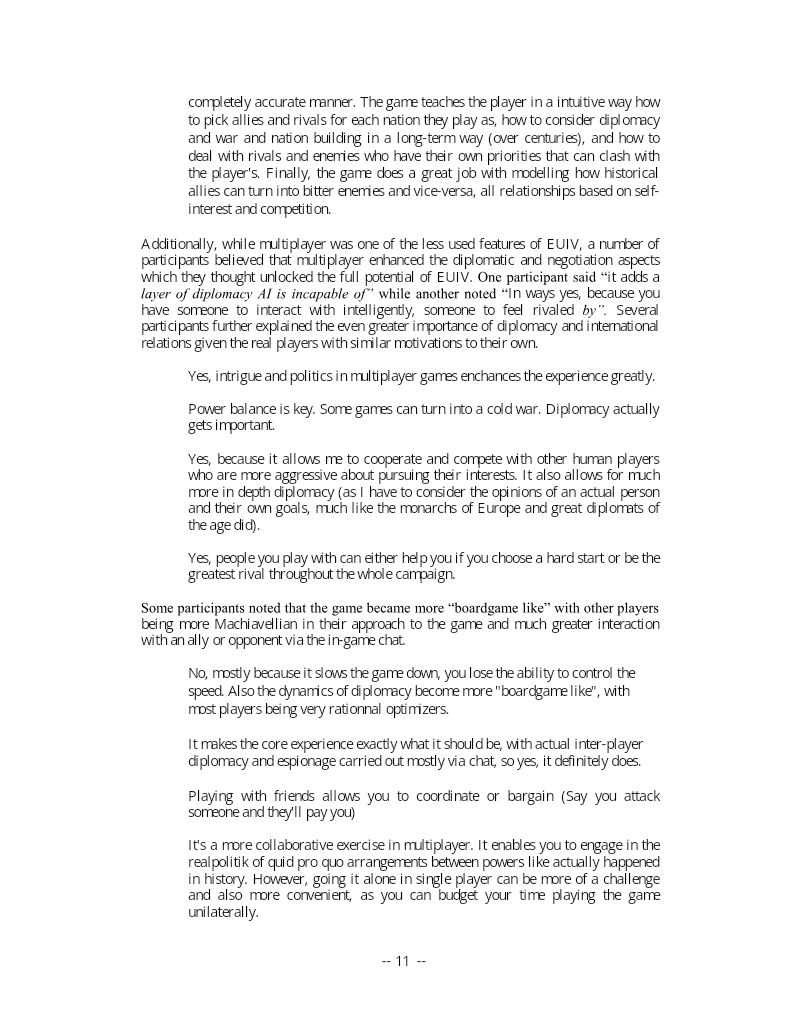
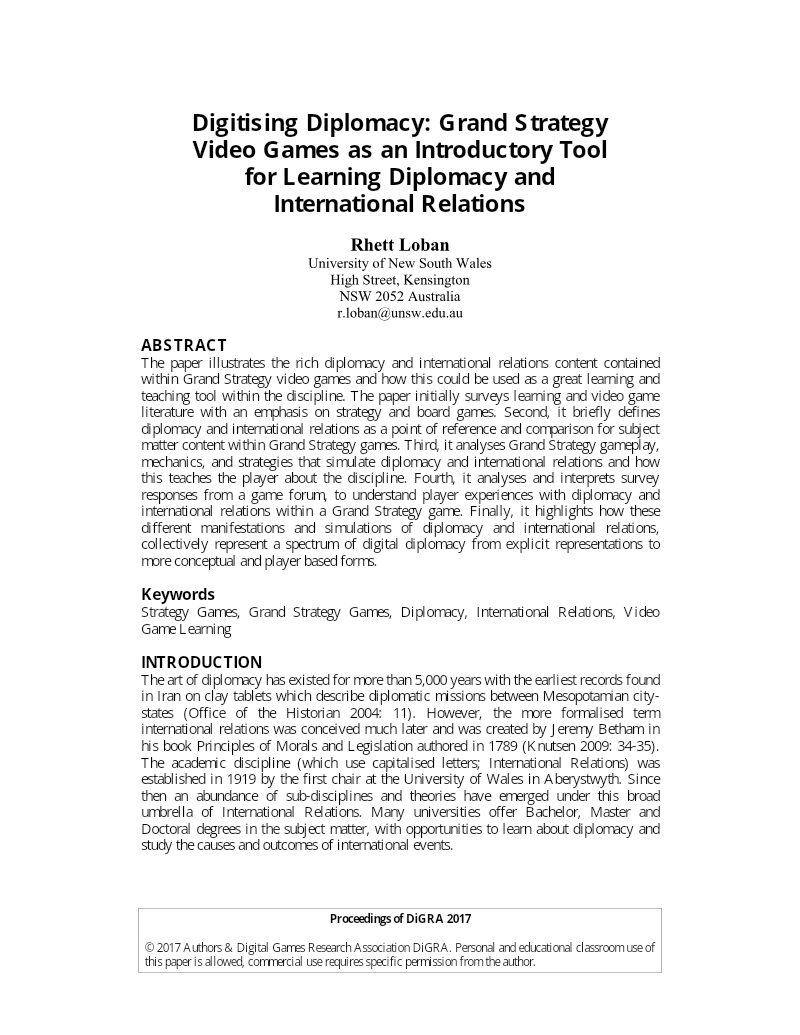
Digitising Diplomacy: Grand Strategy Video Games as an Introductory Tool for Learning Diplomacy and International Relations
Rhett Loban's paper argues that grand strategy video games, particularly titles such as Europa Universalis IV, Stellaris, and Hearts of Iron IV, can serve as accessible introductory tools for teaching diplomacy and International Relations (IR).
- Only about 27 percent of IR educators report using digital games in teaching, compared with 56 percent who use non-digital resources, revealing a notable gap in higher education.
- Rhett Loban argues that grand strategy games such as Europa Universalis IV, Stellaris, and Hearts of Iron IV can serve as accessible introductory tools for teaching diplomacy and International Relations.
- These games model IR concepts both explicitly, through diplomatic action interfaces, opinion modifiers, and war declarations, and in more complex ways, through balance-of-power coalitions, alliance systems, and democratic peace dynamics reflected in AI behaviour.
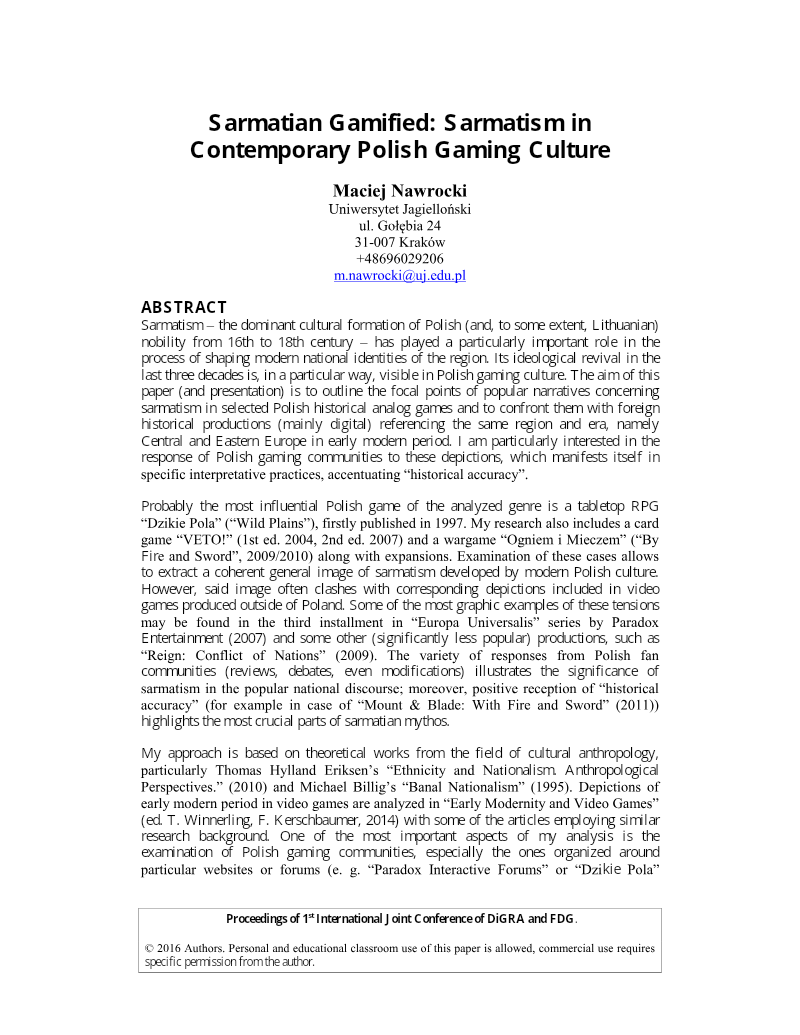
Sarmatian Gamified: Sarmatism in Contemporary Polish Gaming Culture
This paper examines how sarmatism, the cultural ideology of the Polish-Lithuanian nobility from the sixteenth to eighteenth centuries, has been revived and reinterpreted within contemporary Polish gaming culture.
- The paper argues that Polish players and designers have built a coherent image of sarmatism, the ideology of the Polish-Lithuanian nobility from the 16th to 18th centuries, through analog and tabletop products, and that this image often conflicts with how foreign-produced, largely digital games depict the same region and era.
- The central corpus is the tabletop role-playing game "Dzikie Pola" (1997), the card game "VETO!" (2004, 2007), and the wargame "Ogniem i Mieczem" (2009/2010) with its expansions, compared against Paradox's "Europa Universalis 3" (2007), "Reign: Conflict of Nations" (2009), and "Mount & Blade: With Fire and Sword" (2011).
- The author contends that appeals to "historical accuracy" by Polish communities tend to reaffirm the core elements of the sarmatian self-image rather than challenge it.
Technology Tells a Tale: Digital Games and Narrative
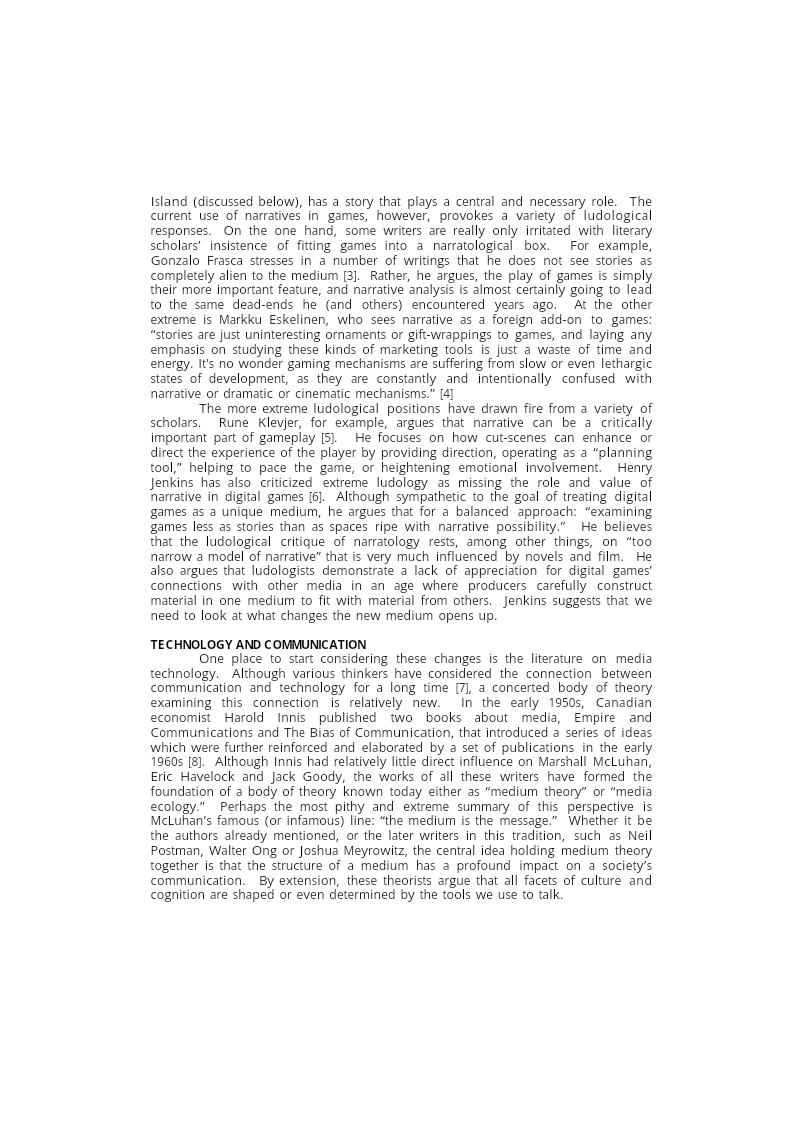
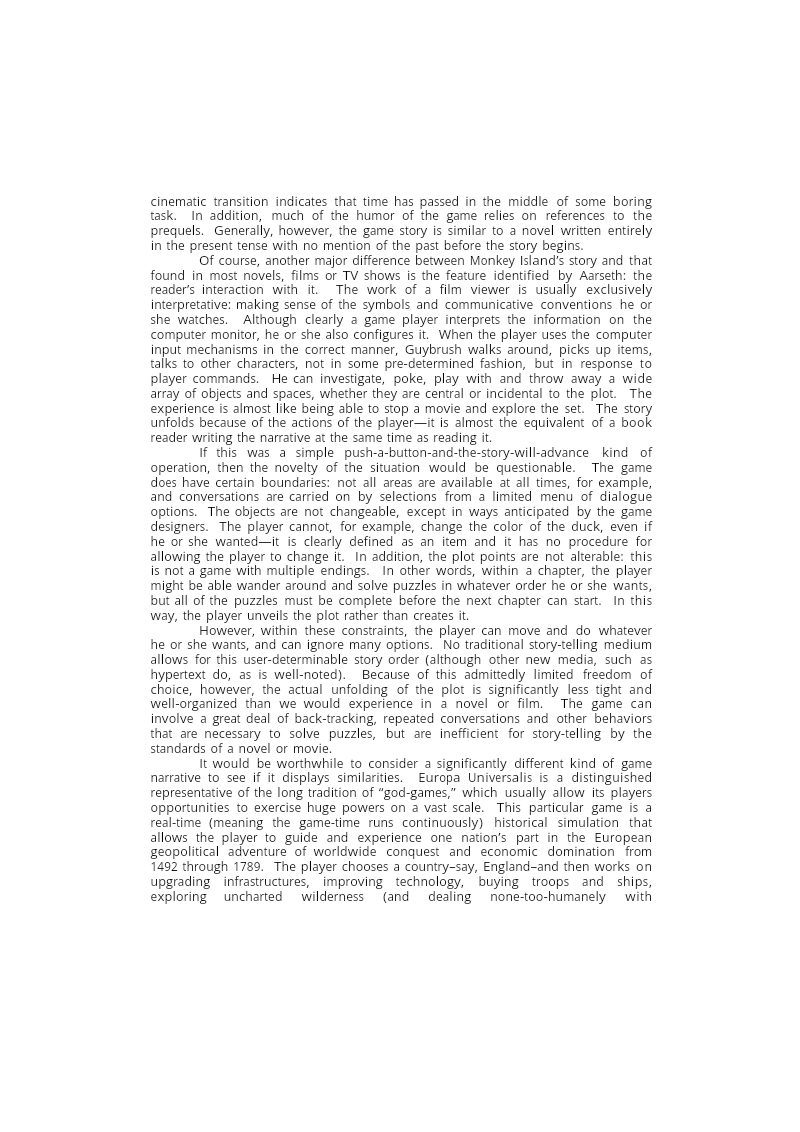
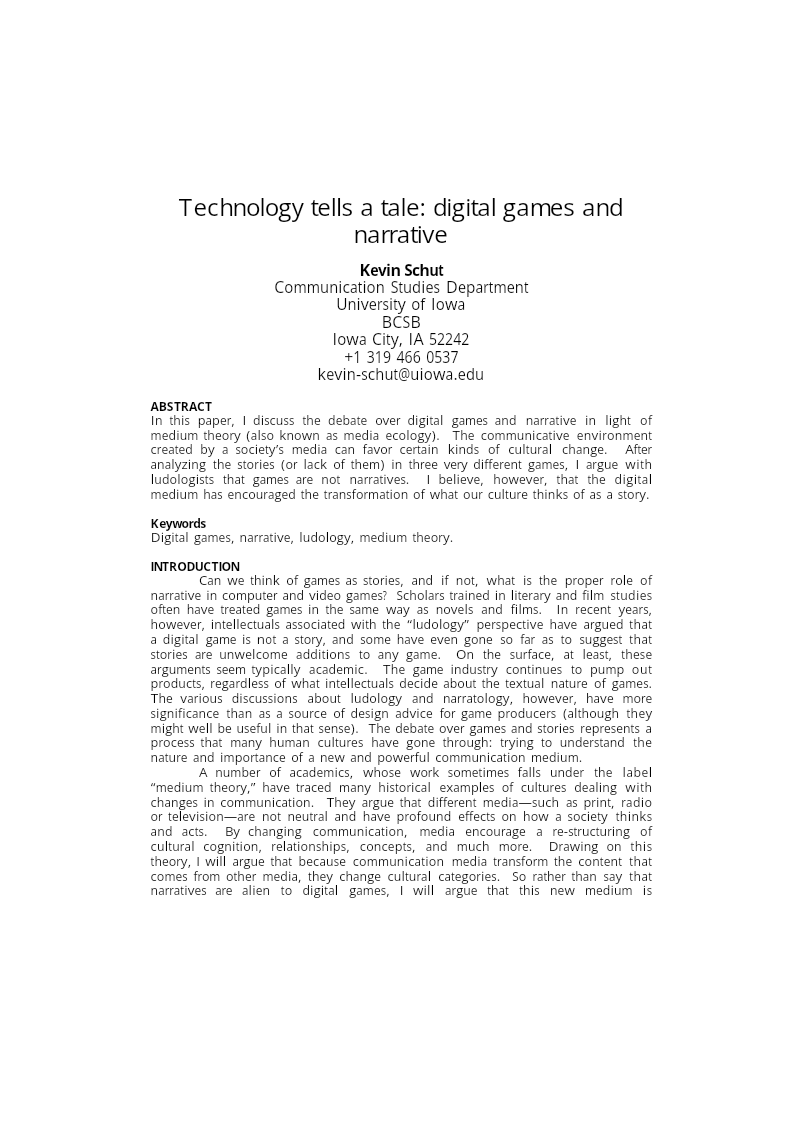
Kevin Schut's "Technology Tells a Tale: Digital Games and Narrative" contends that digital games are not narratives in themselves, but that the digital medium is reshaping how culture understands what a story is.
- Digital games are not narratives in themselves; the digital medium is reshaping how culture understands what a story is.
- The paper frames the long-running debate between narratologists (applying literary and film theory to games) and ludologists such as Aarseth, Frasca, and Eskelinen (prioritizing play and interactivity).
- The author identifies five recurring characteristics of computing as the basis for how games produce meaning: procedurality, participation, quantifiability, modularity, and finiteness.
Companies behind it

As the documents state it.