
Boom Beach
GameBy Supercell · Released Mar 26, 2014
Documents about Boom Beach
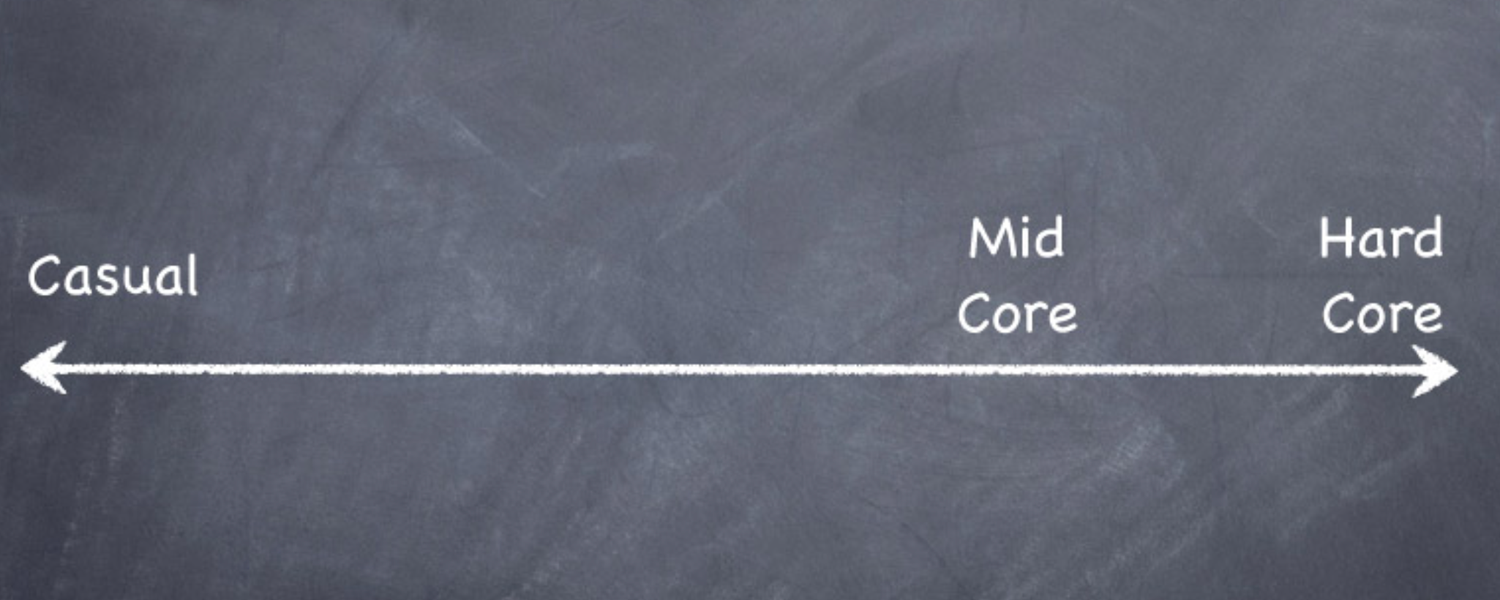
Predictions for 2018: Mid-Core Games
Midcore games dominated mobile in 2017, taking 14 of the top 15 grossing slots, up from 11 of 15 in 2016, as design drifted toward harder-edged conventions such as virtual D-pads, landscape orientation, and sessions longer than five minutes.
- Midcore games dominate mobile revenue, accounting for 11 of the top 15 highest-grossing games globally in 2016.
- Machine Zone experienced a significant revenue decline in 2017, with Game of War dropping 39% to $387M and Mobile Strike falling 34% to $363M.
- The 4X strategy genre faces challenges as top ten publisher revenues dropped 30% year-on-year, driven by rising user acquisition costs and intense competition.

10 Tips for Monetizing with a Mobile Game in 2017
Mobile game monetization in 2017 is framed as an underexploited opportunity: a market projected at $40.6 billion in revenue by year-end was driven by fewer than 1.9% of players, up just 0.4 points from 2014.
- As of January 2016, less than 1.9% of the total mobile player base generated the entirety of game revenue, highlighting the critical need to optimize conversion for non-paying users.
- High-priced virtual items can trigger high churn rates, as evidenced by the 75% average churn rate for new players within 30 days; developers should instead use lower entry-level price points and personalized offers for engaged users.
- Successful monetization relies on long-term retention, which is driven by frequent content updates, such as the strategy used by King with Candy Crush, which features over 2,680 levels.
Why Is Supercell Worth Billions? They’re Better Than Everyone Else
Supercell's rumored sale to Tencent, in which SoftBank would divest its 73% stake at a valuation above $9 billion, frames this June 2016 guest post by mobile marketing executive Michael Velkes.
- Supercell achieved a valuation of approximately $9 billion in 2016, driven by the success of titles like Boom Beach and Clash Royale, representing a $6 billion increase in enterprise value in under three years.
- In 2015, Supercell generated $2.3 billion in revenue and nearly $1 billion in EBIT with a workforce of fewer than 200 employees.
- The company utilizes a 'cell' organizational structure, which decentralizes roles into small, autonomous teams to foster rapid experimentation and the ability to quickly terminate underperforming projects.
iOS Gaming Leaders: January 2016
Global iOS game downloads rose 12.61 percent in January 2016 over December 2015, climbing from an estimated 614 million to 692 million installs.
- Global iOS game downloads reached 692 million in January 2016, a 12.61% increase over the 614 million installs recorded in December 2015.
- Worldwide iOS gaming revenue totaled $969 million in January 2016, representing a 2.91% decline from the $998 million generated in the previous month.
- Machine Zone's 'Mobile Strike' entered the U.S. revenue top 10 for the first time, placing eighth and marking the publisher's second title to reach that milestone alongside 'Game of War - Fire Age'.

2016 Predictions for Mobile Gaming
Mobile gaming analyst Eric Seufert's end-of-2015 outlook argues that 2016 will be shaped by three trends from the prior year: app marketplace saturation making downloads harder to win, a resulting emphasis on cross promotion as a defensive tool for retaining users, and video advertising making light, viral "gimmick" apps…
- The increasing reliance on video advertising will obscure traditional 'Top Grossing' chart rankings, as apps with lower chart positions may generate more revenue than higher-ranked peers through superior ad monetization.
- Non-gaming apps, such as streaming and lifestyle services like Spotify, Pandora, and YouTube, are increasingly likely to displace games from the Top 5 Grossing positions in Western markets.
- Established 'perennial' top-grossing titles like Candy Crush Saga, Game of War, and Clash of Clans face a high risk of permanently exiting the Top 10 as their own developers cannibalize their user bases with 'spiritual successor' sequels.
iOS Gaming Leaders: November 2015
Ketchapp's endless-style arcade game Twist emerged as the surprise leader of November 2015 iOS gaming charts, topping both U.S. and worldwide downloads.
- Ketchapp’s game 'Twist' became the most downloaded iOS game globally and in the U.S. in November 2015, significantly outperforming new releases from major publishers like King and Machine Zone.
- Machine Zone’s 'Game of War' maintained the top position for global and U.S. revenue, while Supercell’s 'Clash of Clans' experienced negative month-over-month revenue growth for the second consecutive time.
- The top 10 revenue-generating games showed a stagnant trend, with half of the titles experiencing month-over-month revenue declines and no new entries appearing on the top 10 lists.

Portfolio Dynamics for Mobile Games
Eric Seufert's 2015 analysis responds to an App Annie study of three mobile game portfolio strategies: franchise-focused (a single IP across genres, as with Rovio's Angry Birds), genre-focused (a narrow set of genres with flexible IP, as with King's match-3 titles), and diversified (broad IP and genre coverage, as with Zynga).
- A 2014 study of 100 mobile gaming companies by App Annie identified three primary portfolio strategies: franchise-focused (e.g., Rovio), genre-focused (e.g., King), and diversified (e.g., Zynga).
- Empirical data from 2014 indicated that the genre-focused strategy outperformed both franchise-focused and diversified approaches in the mobile gaming market.
- The success of genre-focused leaders like King and Supercell in 2014 was driven by effective cross-promotion tactics, leveraging popular titles to drive traffic to new releases within the same genre.

Cross-promotion in Candy Crush Soda Saga
King Limited's global launch of Candy Crush Soda Saga on November 11, 2014 shows the company pursuing more than a brand extension.
- King is using the high-traffic Candy Crush Soda Saga (CCSS) to aggressively cross-promote its less successful titles, such as Diamond Digger Saga and Papa Pear Saga, to non-paying users.
- Cross-promotional ads in CCSS appear as early as level 12, which can be reached within 30 to 45 minutes of gameplay, indicating a strategy to leverage the franchise's gravitational pull to boost other games' user bases.
- The cross-promotion strategy is specifically targeted at non-payers; testing showed that players who made an in-app purchase early in the game were not presented with these promotional ads.

3 Reasons Why Kim Kardashian: Hollywood Has Exploded
Glu Mobile's Kim Kardashian: Hollywood, released on the App Store and Google Play on June 25, 2014, rapidly became a commercial hit, and this July 2014 analysis argues its success rests on three factors rather than the celebrity license alone.
- Kim Kardashian: Hollywood achieved a Top 10 grossing position on the US App Store within days of its June 25, 2014, release, outperforming established titles like Hay Day and Farm Heroes Saga.
- Analysts at Cowen & Co. project the game could generate $200 million in annual revenue, a figure not captured in Glu Mobile's initial 2014 guidance of $161.5 million.
- Glu Mobile's stock price rose more than 58% following the game's launch, reaching a 52-week high of $6 per share on July 11, 2014.

What Is Supercell’s Strategy with Boom Beach?
Supercell's decision to release Boom Beach, a near-clone of its blockbuster Clash of Clans, reflects a deliberate strategy of preserving its most valuable users rather than building a broad portfolio of diverse games.
- Supercell is prioritizing the retention of its existing high-value user base over portfolio diversification by releasing Boom Beach as an improved, structurally similar alternative to Clash of Clans.
- The strategy aims to mitigate the rising costs of re-acquiring churned players by keeping them within the Supercell ecosystem through familiar but refined gameplay mechanics.
- Boom Beach introduces several mechanical shifts from Clash of Clans to improve long-term retention, including automated resource harvesting, non-consumable troops, and a more complex four-currency economy.
Companies behind it


As the documents state it.