Battle Arena
Game
10 documents in the library are about Battle Arena, from writers such as DiGRA, CD Projekt and European Conference on Games Based Learning (ECGBL). Each has a summary and key insights with the page they come from.
Connections
Each row is a game or company named alongside Battle Arena, each column a document, oldest first. A mark means that document names it. Select a row to see those documents.
Documents about Battle Arena
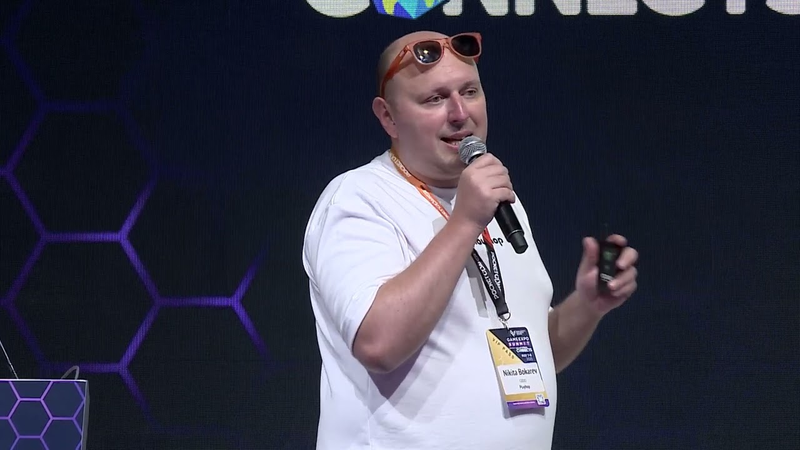
Session: Playhop: Current State & Opportunities For Developers - Nikita Bokarev, Playhop.
Web-based gaming has emerged as a critical strategic pivot for mobile developers facing rising user acquisition costs and stagnant lifetime values.
- Web gaming serves as a high-margin alternative to mobile, where revenue contributes directly to profit rather than being absorbed by rising user acquisition costs.
- Playhop currently hosts over 20,000 games and reaches 10 million monthly active users who spend an average of more than 50 minutes per session.
- Successful midcore titles on the platform now derive up to 85% of their total revenue from in-game purchases rather than traditional ad-based monetization.
Enhancing Team Cohesion Through a Custom MOBA Game: Development, Implementation & Impact
The document describes the development, implementation, and impact of "Untitled Belbin MOBA Game" (UBMG), a custom Multiplayer Online Battle Arena designed specifically to enhance team cohesion and communication.
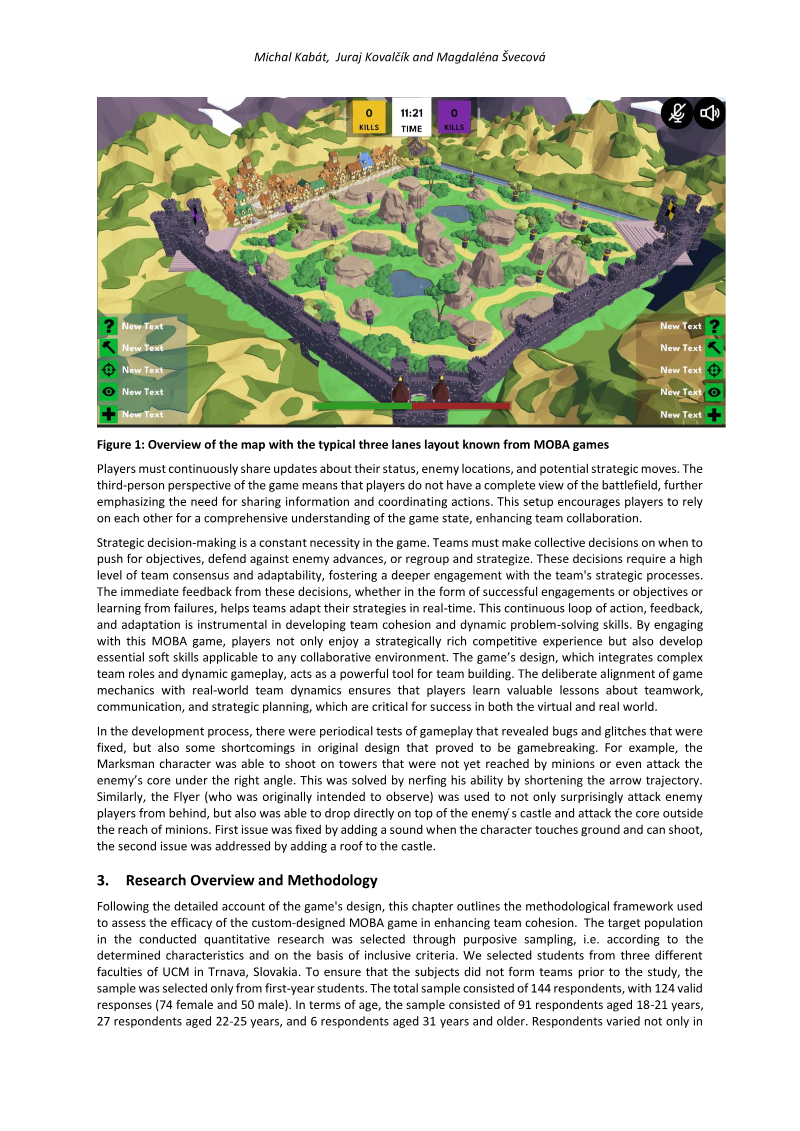
- The study introduced UBMG, a simplified MOBA that maps five fixed character roles (Healer, Flyer, Marksman, Bruiser, Jungler) onto Belbin team roles and prioritizes voice communication and shared objectives over individual mechanical skill.
- In a study of 124 valid first-year university students split into experimental and control groups, the experimental group showed significant gains in task cohesion, three dimensions of social inclusion, and four dimensions of achievement motivation after playing UBMG.
- The four achievement motivation dimensions that improved were confidence in success, flexibility, internality, and competitiveness.
Mobile Legends: Bang Bang: Moonton’s Controversial MOBA
Mobile Legends: Bang Bang (MLBB) stands as a highly successful, albeit controversial, mobile Multiplayer Online Battle Arena (MOBA) title, having generated $851 million in lifetime revenue and amassed over 1 billion downloads globally by late 2022.
- Mobile Legends: Bang Bang (MLBB) has achieved significant scale, generating $851 million in revenue and over 511 million downloads by the end of 2022, with total downloads exceeding 1 billion when including third-party Chinese app stores.
- MLBB maintains high user engagement with an average of 90.93 sessions per user per month, more than double the 39.36 sessions recorded for League of Legends: Wild Rift.
- Moonton Games secured a dominant market position in Southeast Asia and emerging markets by prioritizing accessibility, supporting devices running Android 4.2 and higher to ensure compatibility with low-end hardware.
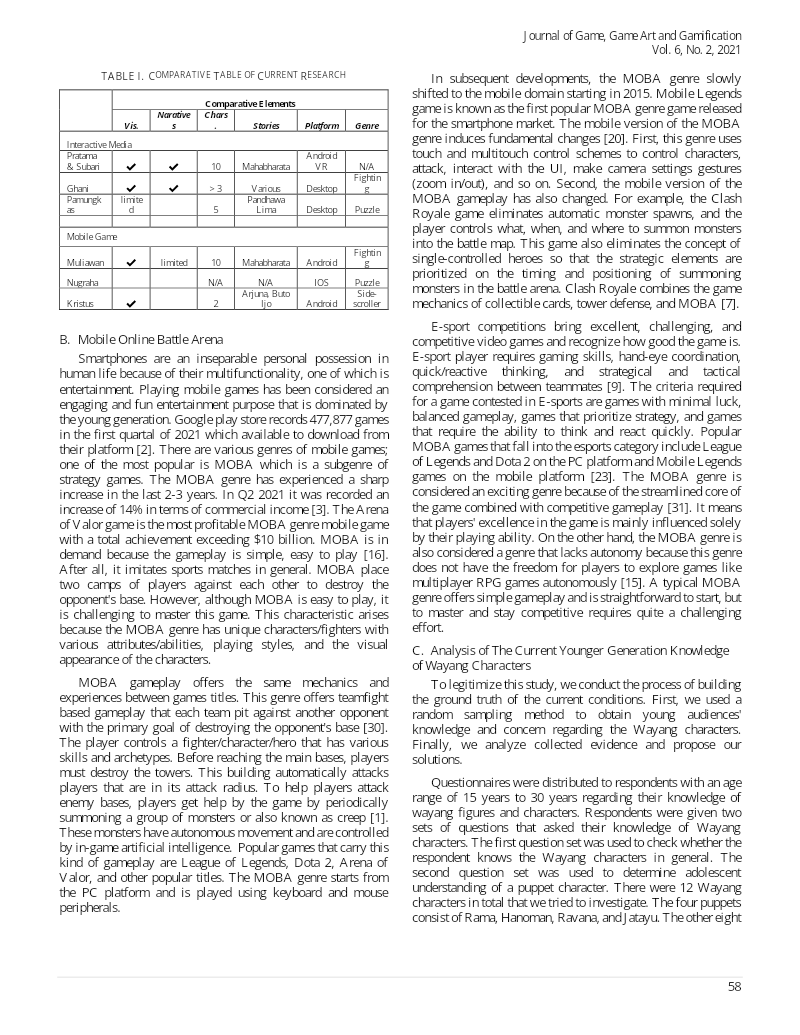
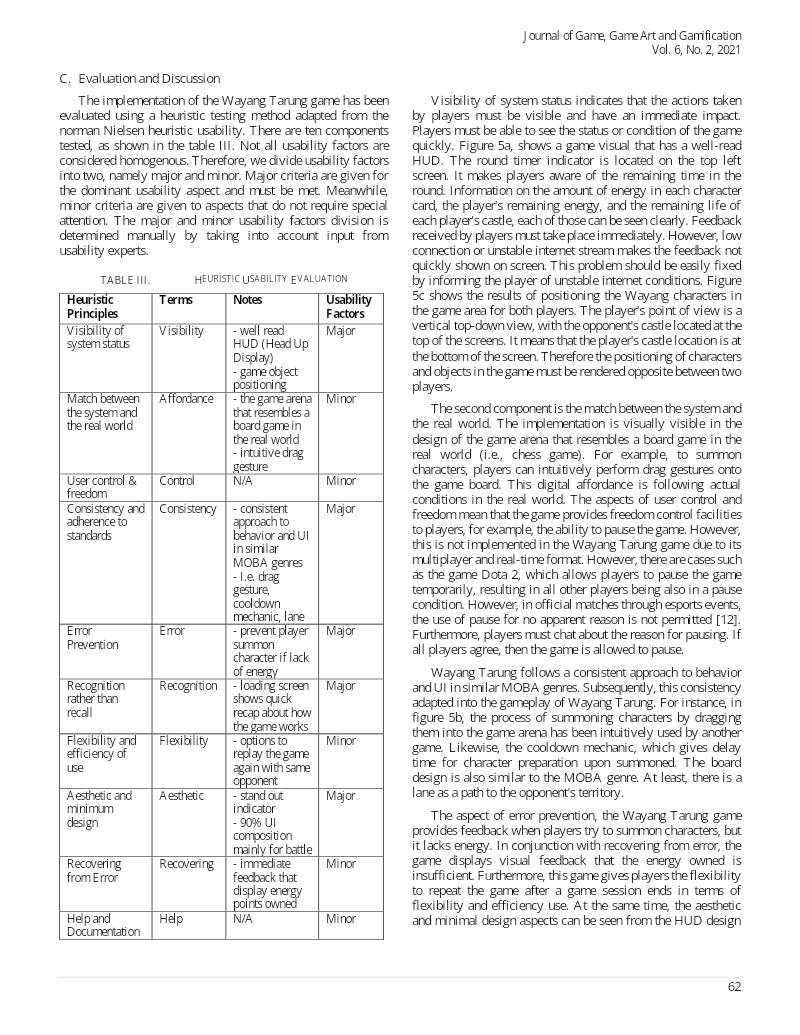
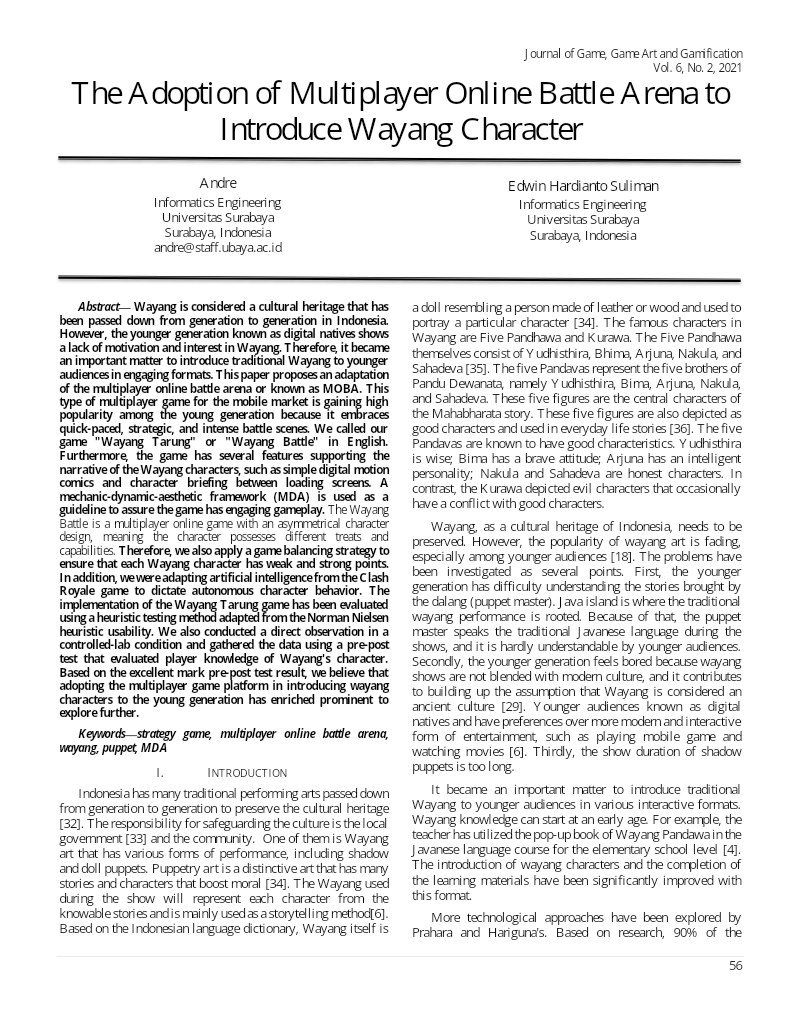
The Adoption of Multiplayer Online Battle Arena to Introduce Wayang Character
The integration of traditional Indonesian Wayang characters into the Multiplayer Online Battle Arena (MOBA) genre serves as a strategic intervention to revitalize cultural interest among digital-native youth.
- Integrating traditional Wayang characters into the MOBA genre significantly increases cultural literacy among digital-native youth, as evidenced by pre- and post-test evaluations.
- The 'Wayang Tarung' project utilizes the Mechanic, Dynamic, and Aesthetic (MDA) framework to ensure cultural education does not negatively impact gameplay quality.
- Technical implementation of the game relies on a multithreaded server architecture to support real-time multiplayer interactions while maintaining character balance.
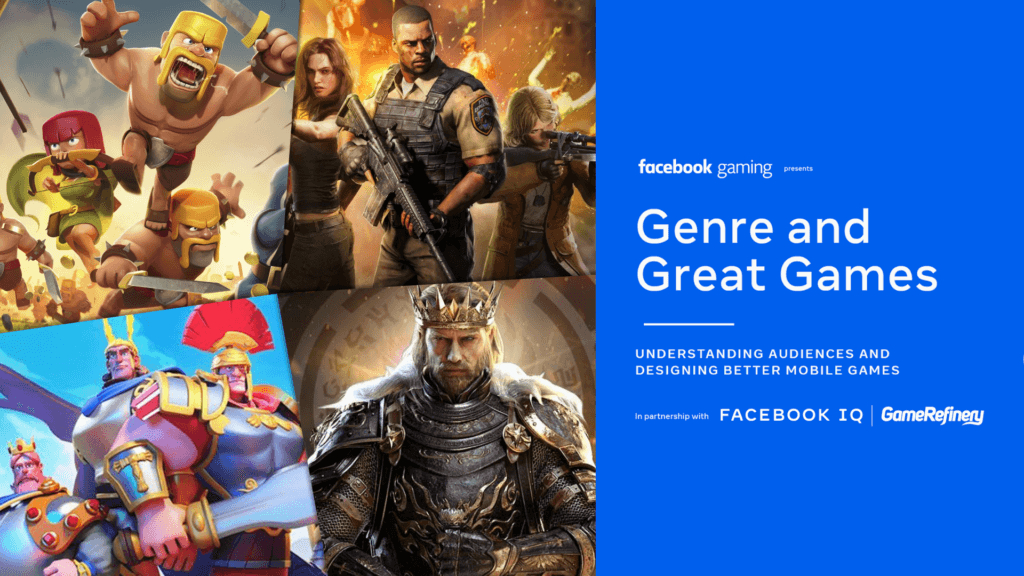
Strategy Game Features: Genre and Great Games Report Highlights 2020
Mobile strategy games are among the most commercially successful genres in Western markets, and this November 2020 GameRefinery highlight, drawn from its 88-page Genre and Great Games report produced with Facebook Gaming and Facebook IQ, identifies the features that distinguish top performers.
- Genre is a primary driver for mobile gaming, accounting for 49% of the reasons why players choose specific games.
- Multiplayer Battle Arenas can boost engagement and attract new audiences through promotional collaboration events that leverage character and cosmetic collections.
- 4X Strategy games effectively utilize limited-time 'mini-economies' during live events, using event-specific currencies to drive engagement without disrupting the primary game economy.
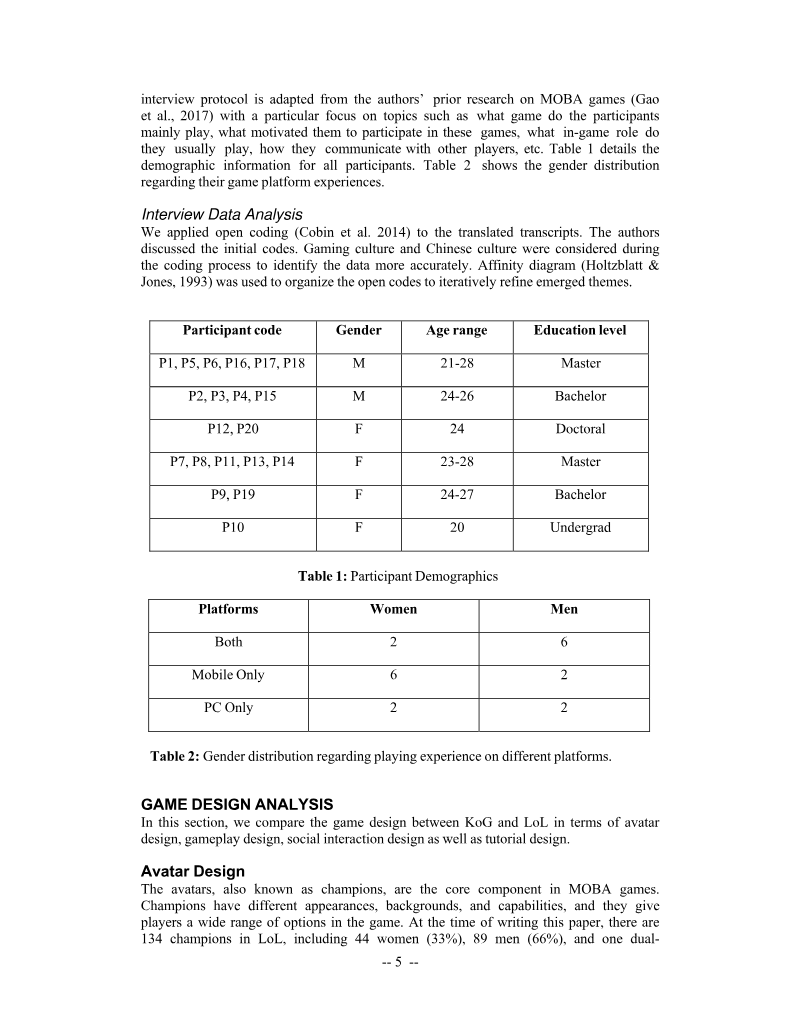
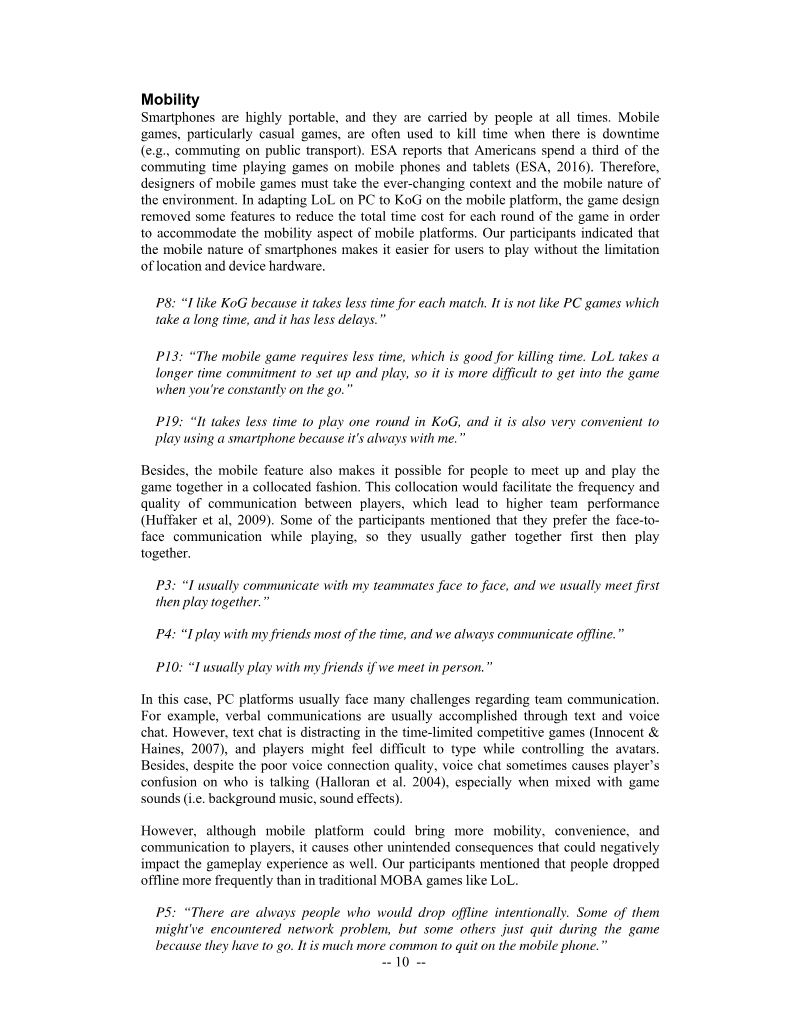
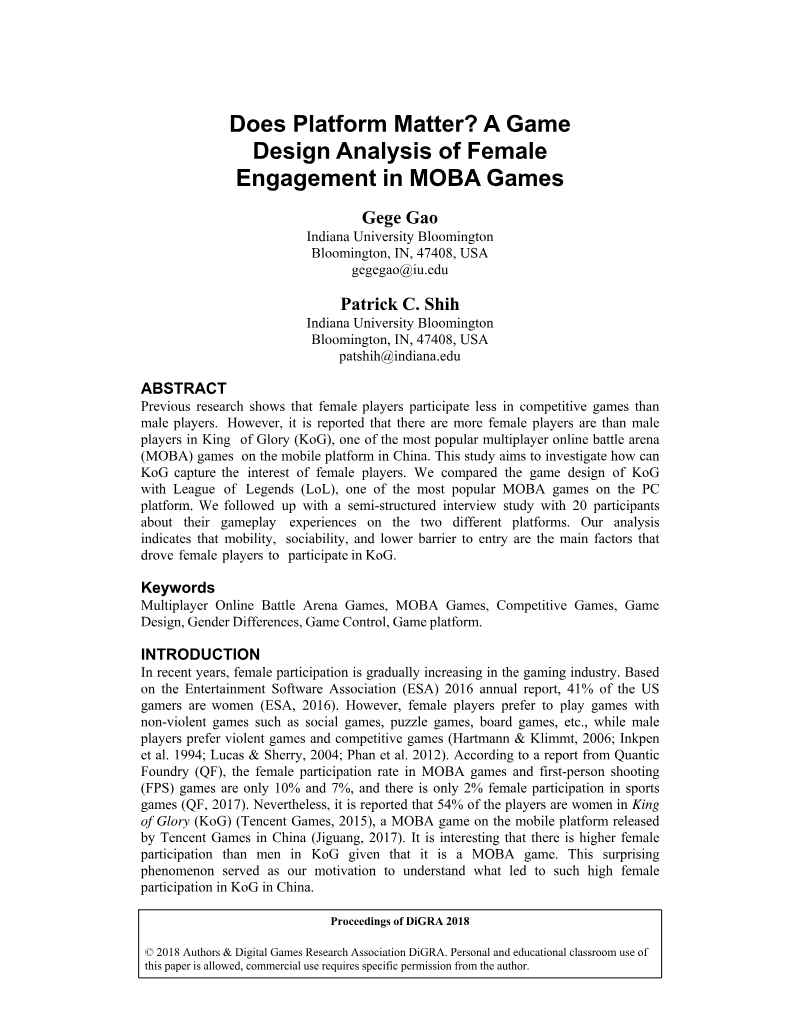
Does Platform Matter? A Game Design Analysis of Female Engagement in MOBA Games
This analysis explores the factors contributing to the significantly higher female player engagement in the mobile Multiplayer Online Battle Arena (MOBA) game, King of Glory (KoG), compared to its PC counterparts like League of Legends (LoL).
- King of Glory, a mobile MOBA reportedly around 54% female in China, draws substantially more female players than League of Legends, a PC MOBA with roughly 35% female participation, despite similar core mechanics, suggesting platform shapes female engagement.
- King of Glory's accessibility advantages include simplified controls, fewer abilities, QQ and WeChat login integration, interactive tutorials, handheld mobility, and avatars that players found appealing.
- Interviewees identified sociability as a key draw of King of Glory, while serious players of either gender often preferred League of Legends for its complexity and teamwork demands.
Critically Approaching the Playful and Participatory Genealogy of MOBAs
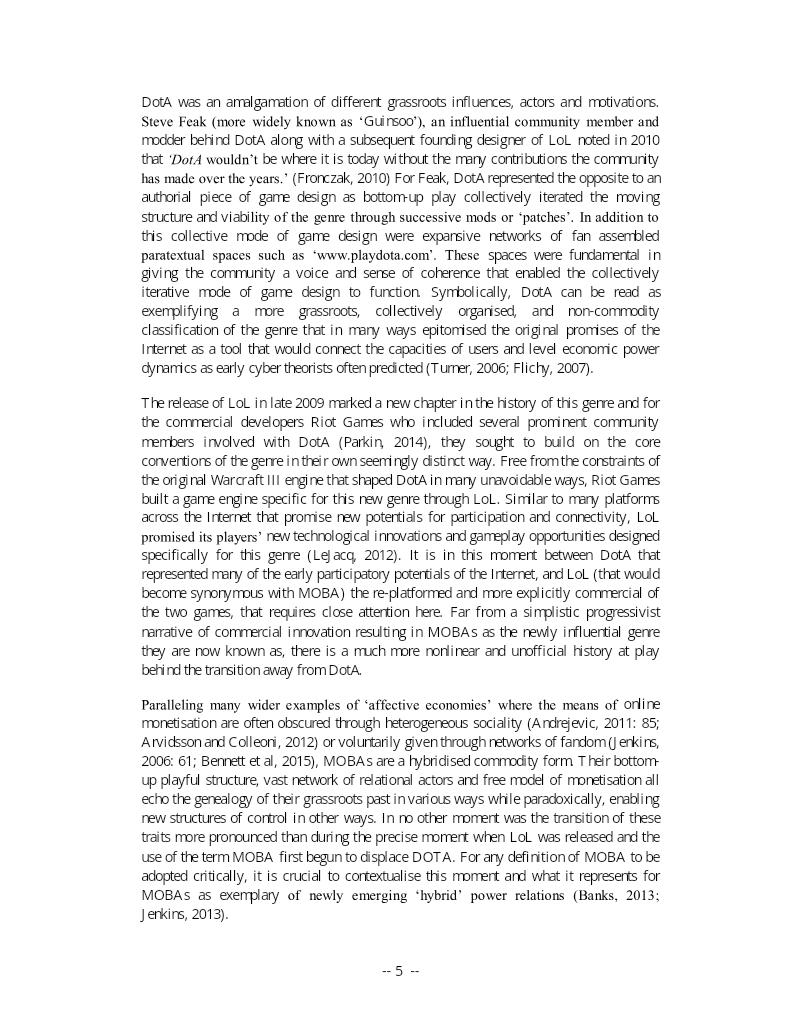
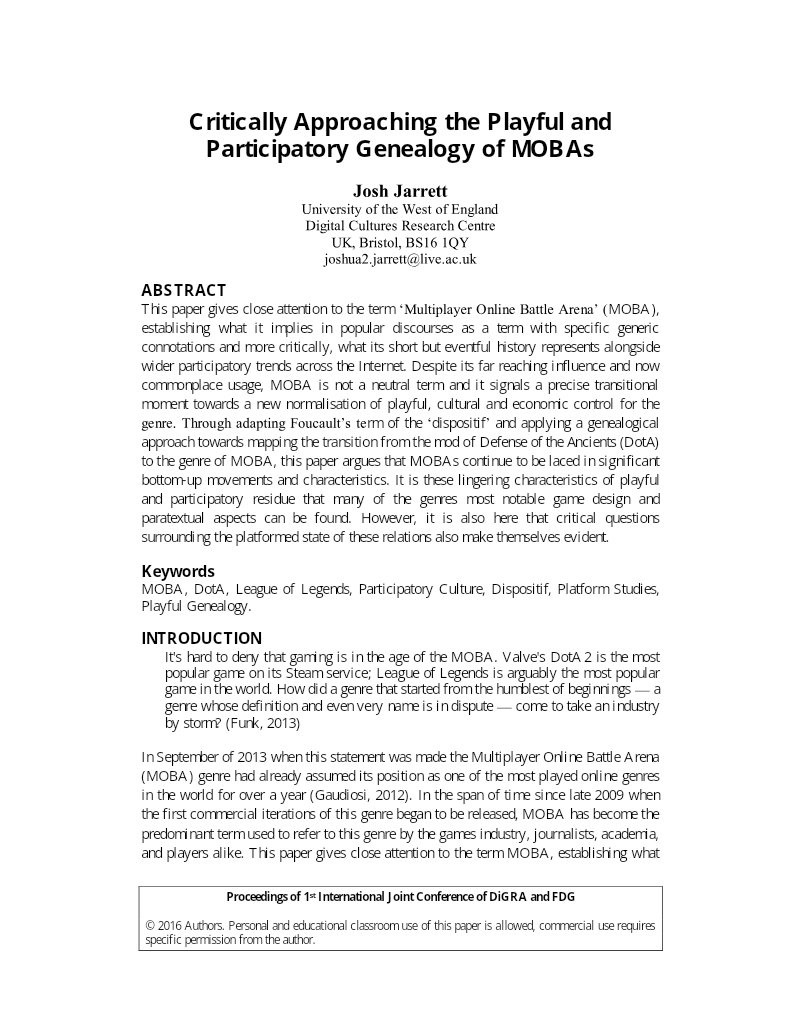
The document critically analyzes the evolution of the Multiplayer Online Battle Arena (MOBA) genre, asserting that the term "MOBA" itself reflects a normalization of playful, cultural, and economic control within the gaming industry.
- DotA, a grassroots modding project on Blizzard's Warcraft III, is presented as the participatory origin of the MOBA genre, and the paper uses Foucault's dispositif and genealogical method to analyse its evolution.
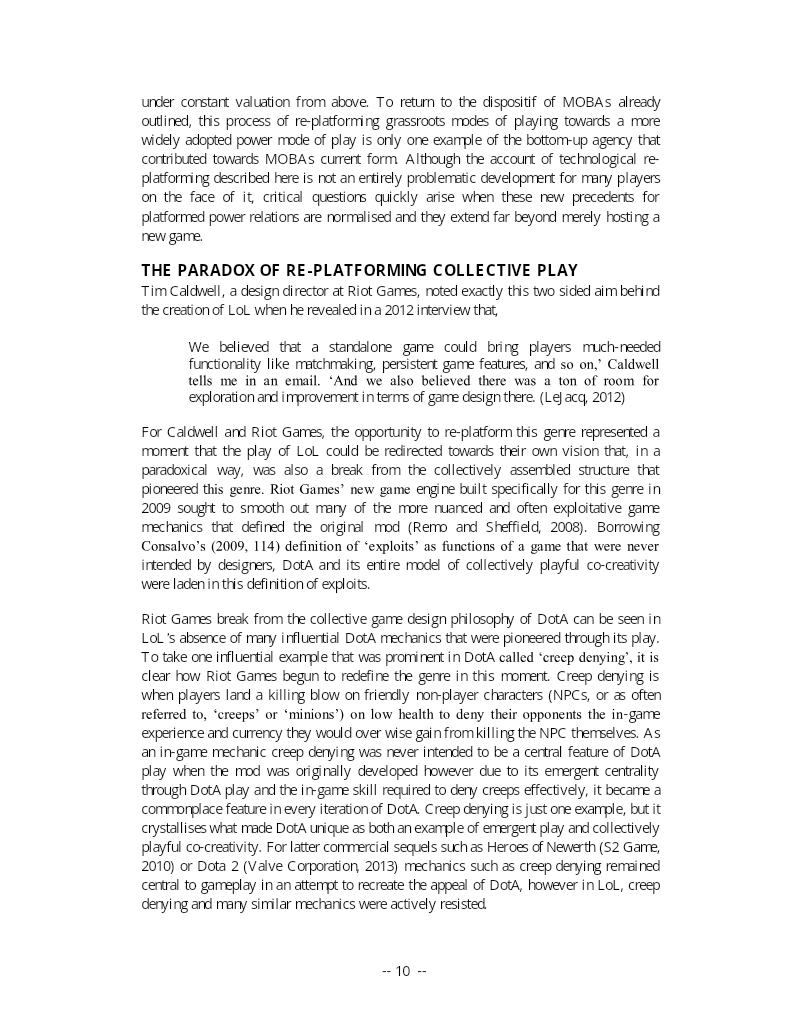
- The paper argues that the move from DotA to League of Legends (released 2009) traded bottom-up creativity for accessibility, with Riot Games redefining the genre through top-down design that resisted DotA's emergent mechanics such as creep denying.
- DotA's competitive play was held back by missing features including reconnect functions, persistent accounts, and skill-based matchmaking, pushing its community toward paratextual clients that were hard for newcomers to access.
CD PROJEKT Group Financial Results: 2014
The 2014 financial results for the CD PROJEKT Group reflect a transitional period defined by intensive investment in the development and global marketing of The Witcher 3: Wild Hunt.
- CD PROJEKT Group's net profit fell to 5.2 million PLN in 2014 from 14.5 million PLN in 2013, driven by heavy investment in the development and global marketing of The Witcher 3: Wild Hunt.
- The company prioritized long-term growth over short-term liquidity, resulting in negative operating cash flows of 4.6 million PLN for the fiscal year.
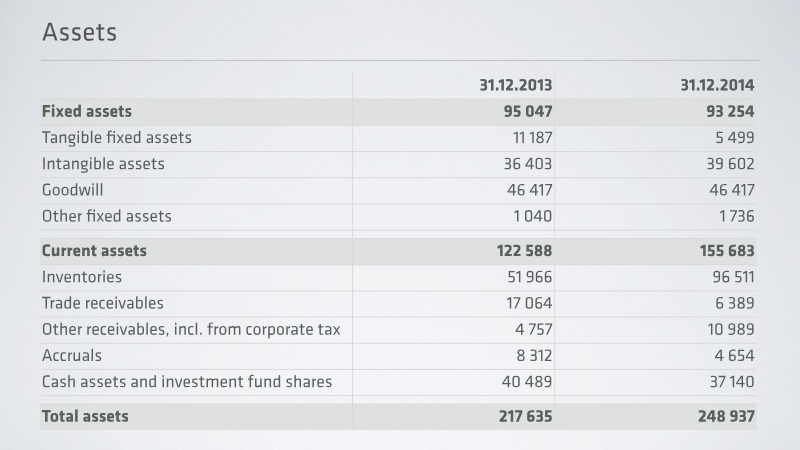
- Total assets grew to 248.9 million PLN in 2014, up from 217.6 million PLN in the previous year, reflecting increased capital allocation toward infrastructure and inventory.
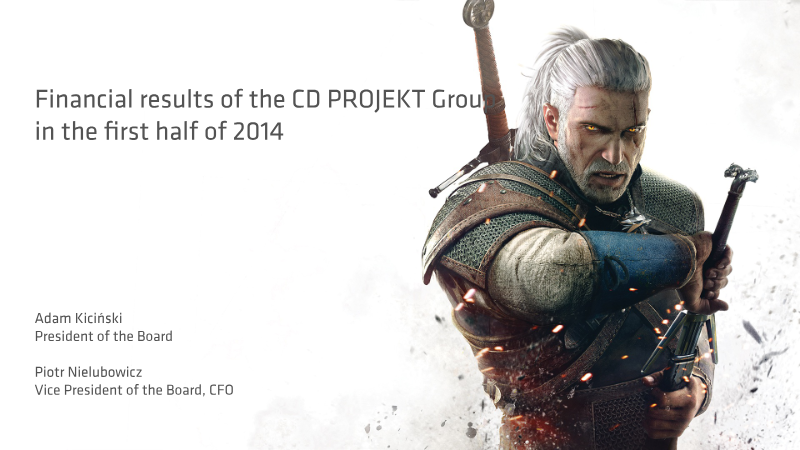
Financial Results of the CD PROJEKT Group: H1 2014
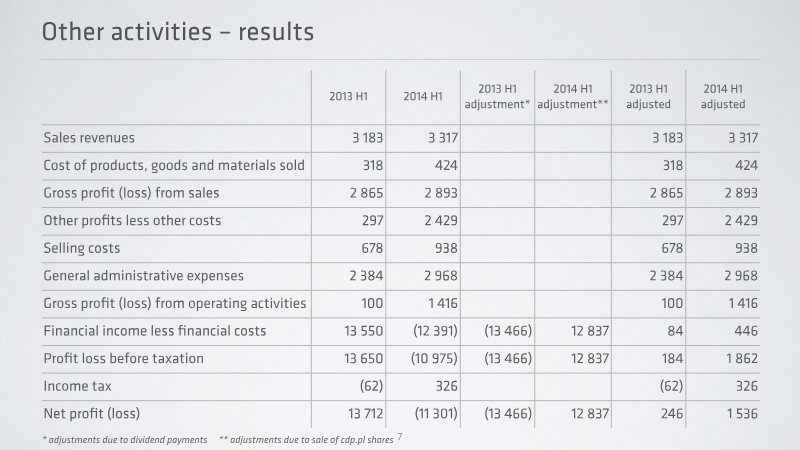
The CD PROJEKT Group’s financial results for the first half of 2014 reflect a period of transition and significant investment in future product releases.
- CD PROJEKT Group reported H1 2014 revenue of 74.59 million PLN, an increase from 63.06 million PLN in H1 2013.
- Net profit fell to 4.62 million PLN from 7.71 million PLN in the prior year, primarily due to a significant rise in development spending for The Witcher 3: Wild Hunt.
- Expenditures on future releases nearly doubled to 27.38 million PLN in H1 2014, up from 15.26 million PLN during the same period in 2013.
From Generative to Conventional Play: MOBA and League of Legends
The document examines the evolution of the Multiplayer Online Battle Arena (MOBA) genre, using League of Legends as a primary case study, to illustrate the transition from community-driven, "generative" game design to commercially refined, "conventional" play.
- The MOBA genre emerged from player-modders working in Warcraft III, most notably the DotA mod, whose design choices (removing base-building, standardizing 5v5 play, and using a single symmetrical map) were later commercialized.
- Ferrari positions League of Legends as the central MOBA case, citing it as the most played game by hours, supported by a professional competitive scene and a free-to-play model sustained by ongoing champion releases and data-driven balancing.
- Ferrari argues League of Legends constitutes conventional, exocentric play, with its team-based competition shaped by layered hidden and complex information.