Riot
Company
Documents about Riot
Does Tencent Hate Riot?
Tencent’s internal development strategy is defined by a competitive, Darwinian model often described as a shark womb, where internal studios are encouraged to compete against one another to produce the most successful titles.
- Tencent operates with a 'shark womb' strategy, where internal studios like TiMi and Quantum/Lightspeed compete directly against each other, and Tencent prioritizes the success of the overall portfolio over the protection of individual franchises.
- Tencent’s internal rivalry strategy was exemplified by the launch of two competing mobile versions of PUBG, where the company released both to market and allowed real-world data to determine the winner.
- TiMi’s Honor of Kings has remained China’s top-grossing app for nearly five years, despite initial internal conflict with Riot Games over the use of League of Legends branding in marketing materials.
In-Game Banner Ads 2.0: Democratization of an Art Form, or a Poor Player's Tax?
This analysis examines the strategic challenges and emerging monetization trends within the global video game industry during the second quarter of 2020.
- Tencent has committed to a $70 billion infrastructure investment plan, while Huya reported a 48% year-over-year revenue growth to $341 million in Q2 2020.
- Riot Games is professionalizing in-game advertising by integrating sponsored banners into League of Legends esports broadcasts to capture brand demand.
- Large tech conglomerates like Amazon and ByteDance face significant challenges in gaming, evidenced by the failure of Amazon’s Crucible, which highlights the difficulty of substituting distribution power for creative culture.

Video Game Cannibalization: What the Experts Get Wrong
The prevailing industry belief that launching new titles within an existing portfolio inevitably cannibalizes the revenue of established hits is often flawed and lacks necessary situational context.
- Industry experts often incorrectly assume that new games using existing IP or lower monetization models will automatically cannibalize the revenue of a studio's successful flagship titles.
- Cannibalization analysis must distinguish between short-term revenue shifts and long-term portfolio sustainability, such as player retention, brand expansion, and blocking competitors.
- Historical data suggests Clash Royale did not cause a net negative impact on Clash of Clans revenue, as the latter was already in decline due to external competition and market shifts prior to the 2016 launch.

Riot Games Starts Second Act with Valorant: Can One of the Biggest Game Makers Catch Lightning Again
Riot Games is attempting to transition from a single-title developer into a multi-franchise publisher, a move that represents a significant shift for a company that has historically relied almost exclusively on League of Legends.
- Riot Games is shifting from a single-title developer to a multi-franchise publisher to diversify its portfolio, which currently accounts for approximately 10% of Tencent’s total gaming revenue.
- The pivot to titles like Valorant is a reactive strategy to address cooling monthly active user numbers for its flagship game, League of Legends.
- Riot’s current strategy prioritizes scale and volume by entering established, saturated genres, a departure from the secretive and deliberate development models used by competitors like Supercell.
Transition Writ Large: How the Coming Console Generation Will Differ From the Last
The global games industry is entering a pivotal transition year as it prepares for a new console generation defined by a more diversified audience and shifting business models.
- The console industry is shifting from a hardware-centric model to one defined by digital services, subscription-based access, and tiered pricing strategies similar to the mobile sector.
- Non-endemic tech giants including Google, Facebook, and Amazon are entering the cloud gaming market, intensifying competition for traditional platform holders.
- Major third-party publishers are pursuing vertical integration strategies to bypass traditional retail channels and capture more value.
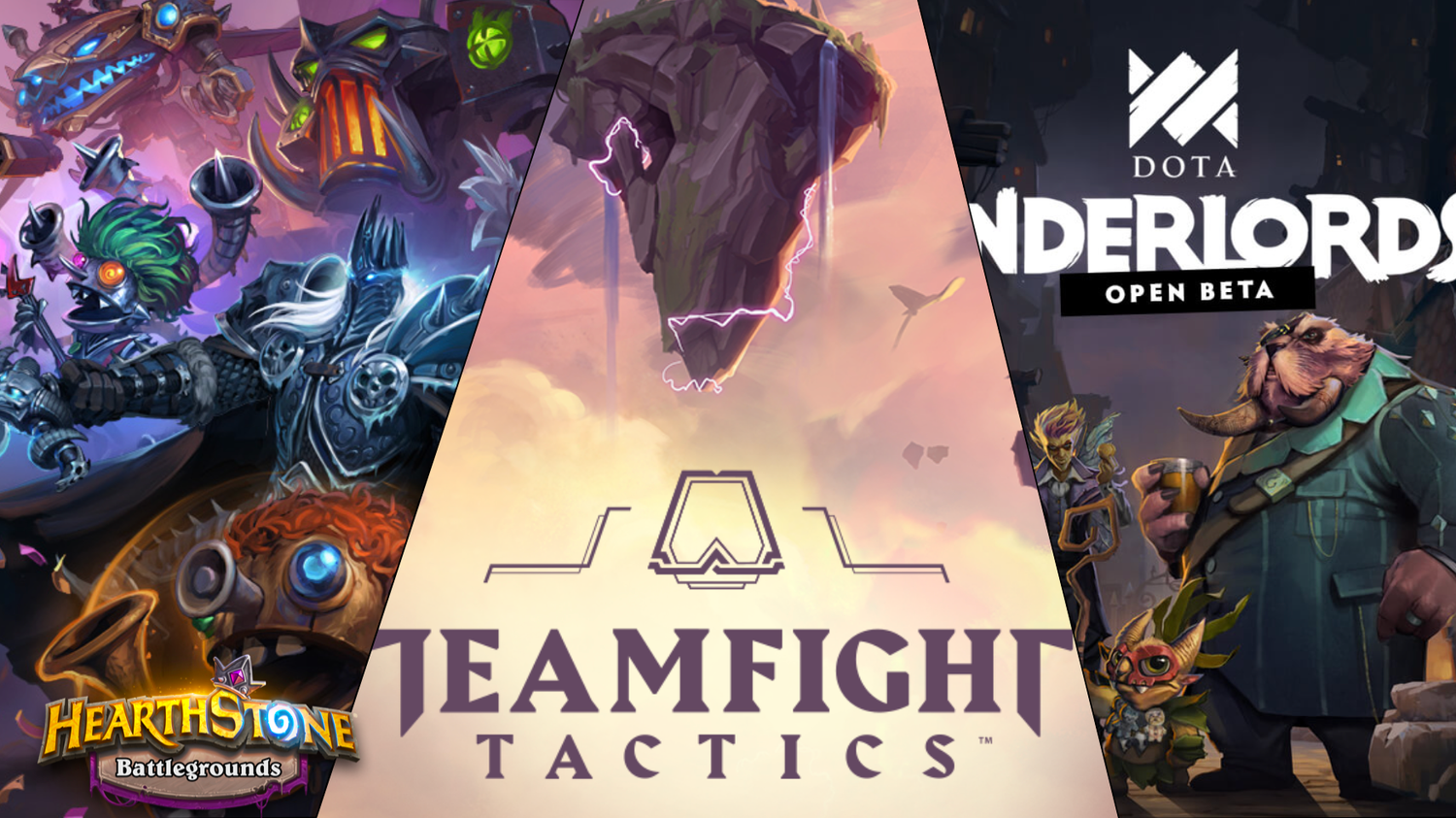
2020 Predictions #7: Why Auto-Chess Games Can't Monetize and How to Fix That
The auto-chess genre, which emerged as a viral trend in 2019, faces significant commercial hurdles that prevent it from achieving widespread financial success.
- Auto-chess games struggle to monetize because their core design relies on an 'even playing field' that prohibits pay-to-win mechanics, leaving developers with limited options beyond low-conversion vanity items.
- The genre faces significant long-term retention issues, as evidenced by fading player interest in Riot’s Teamfight Tactics following its 2019 launch despite the introduction of new character sets.
- Major publishers like Riot, Valve, and Blizzard risk cannibalizing their own established titles (League of Legends, Dota 2, and Hearthstone) if auto-chess modes fail to generate sufficient revenue from their existing player bases.
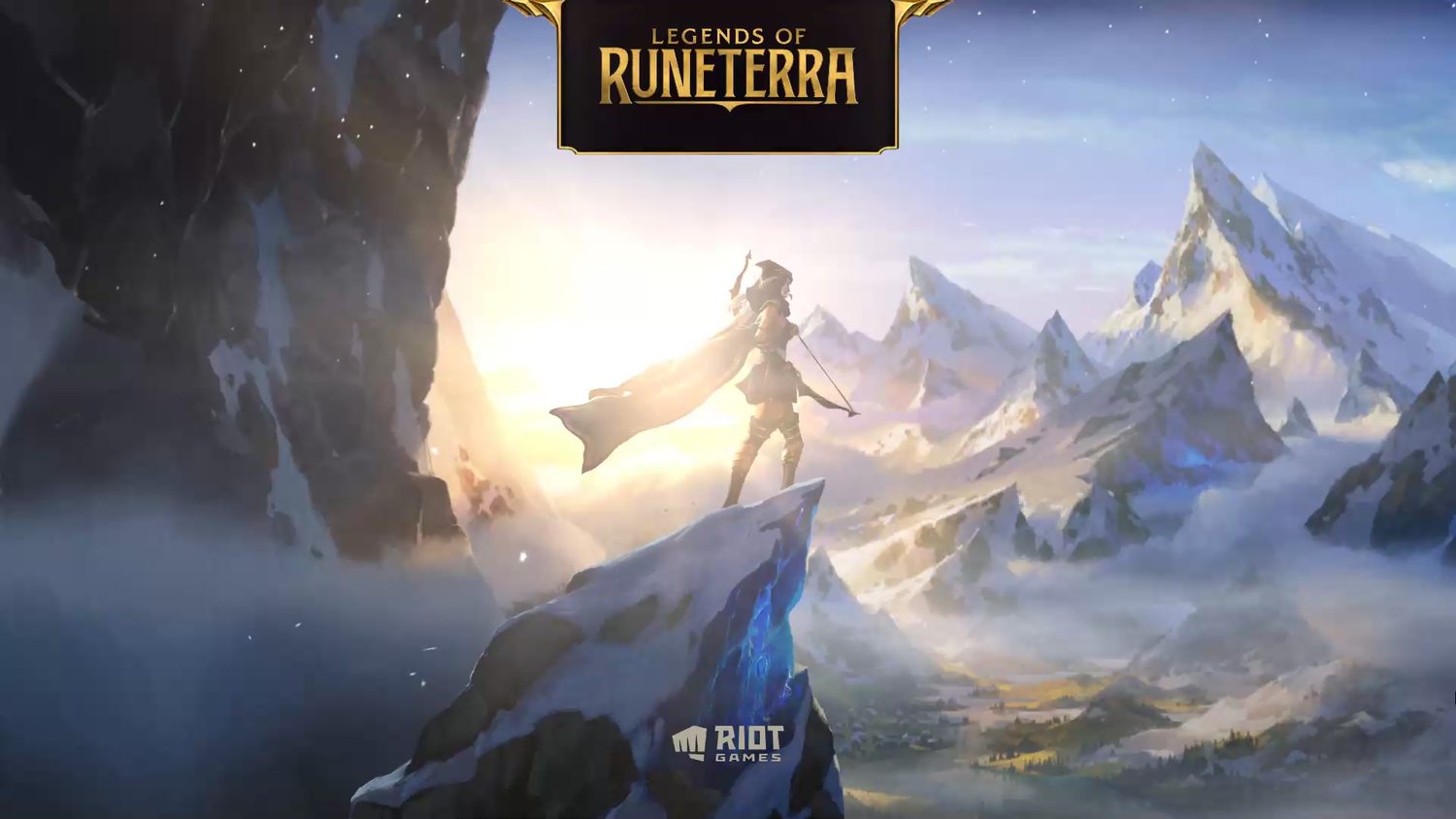
Riot's Runeterra Challenges Blizzard's Hearthstone: Cross-Platform Card Battle Supremacy
Legends of Runeterra enters the digital collectible card game market as a direct challenger to Hearthstone, seeking to disrupt the genre by prioritizing skill-based mechanics over the traditional reliance on randomness.
- Riot Games is launching Legends of Runeterra with a restrictive monetization model that caps weekly content acquisition at 18 cards, including a maximum of three champion cards, costing approximately $13 per week.
- The game features a 40-card deck limit with a maximum of six champions per deck, diverging from Hearthstone’s 30-card deck structure and different rarity-based card limits.
- Riot aims to combat metagame stagnation and high costs common in the genre by limiting card purchasing, reducing in-game randomness, and committing to frequent balance updates.
Microsoft Xbox: All Technology Ultimately Becomes a Toaster
The video game industry is undergoing a fundamental transition from hardware-centric business models to service-oriented ecosystems.
- The gaming industry is shifting from hardware-centric sales to service-oriented ecosystems, where dedicated consoles are increasingly treated as commoditized 'toasters' rather than primary drivers of value.
- Microsoft is transitioning the Xbox business model toward recurring revenue and subscription-based access, utilizing lease-style programs like Xbox All Access to lower entry barriers and ensure long-term consumer commitment.
- Microsoft is pivoting its exclusivity strategy away from software titles toward human talent, specifically recruiting high-profile streamers to anchor its platform and drive user engagement.
Games Are the Antidote to Covid-19
The global pandemic has fundamentally shifted the perception of video games, transforming them from a criticized form of escapism into a vital tool for mental health and social connection.
- Video games have transitioned into critical social infrastructure, serving as essential digital third places for connection during periods of physical isolation.
- Major industry players are pivoting toward experiential platforms, exemplified by Epic Games hosting massive social events like the Travis Scott concert series in Fortnite.
- The cloud gaming sector is experiencing content volatility as major publishers, including Warner Bros. and Xbox Game Studios, withdraw titles from NVIDIA’s GeForce Now due to revenue-sharing disputes.

KOI’s Event Spike vs. KC’s Fanbase Power: LEC Viewership Analysis
The analysis evaluates the viewership impact of France’s Karmine Corp (KC) and Spain’s Movistar KOI (MKOI) during the LEC Spring 2026 Group Stage, focusing on Riot Games’ Roadtrips initiative.
- The MKOI vs. KC match during the Madrid Roadtrip event achieved the highest peak concurrent viewership of the 2026 LEC Spring split at 384,390 viewers.
- Karmine Corp (KC) maintains higher overall audience consistency, averaging 232,449 viewers throughout the Group Stage compared to Movistar KOI (MKOI), which trailed by less than 15,000.
- The Madrid Roadtrip event outperformed the French event in peak concurrent viewership, demonstrating MKOI's ability to generate explosive engagement for high-profile showcases.
Erstes League of Legends Premier Tour-Finale wird in Hamburg ausgespielt
The inaugural League of Legends Premier Tour final took place on July 8, 2018, at the Edel-optics Arena in Hamburg, Germany.
- Riot Games hosted the inaugural League of Legends Premier Tour final on July 8, 2018, at the Edel-optics Arena in Hamburg to professionalize esports in the DACH region.
- The tournament featured four top-tier teams: mousesports, SPG eSports, EURONICS Gaming, and BIG.
- The event offered a total prize pool of 25,000 euros, with 10,000 euros awarded to the champion and 8,000 euros to the runner-up.