indie
CompanyUnited States
Documents about indie
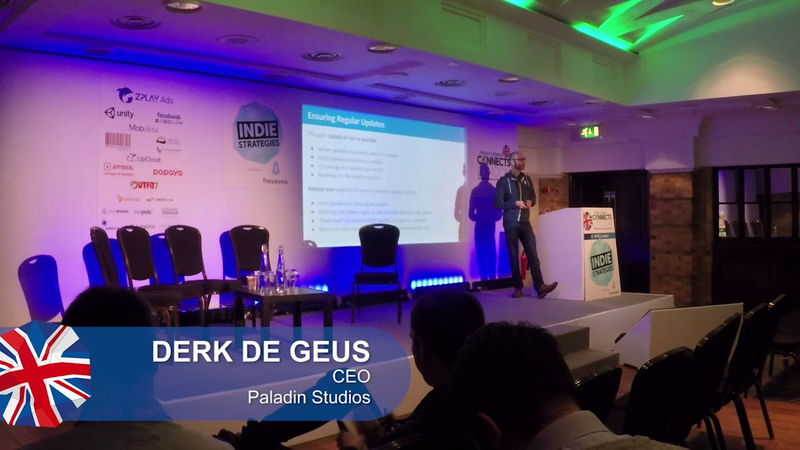
Live ops for indies – The DNA of an effective mobile team
Effective live operations for independent mobile game developers require a fundamental shift in mindset from the creative, milestone-driven development phase to a data-informed, stability-focused maintenance phase.
- Transitioning to live operations requires shifting from a milestone-driven development mindset to a disciplined, stability-focused maintenance phase.
- An effective live ops team for indie studios consists of four to eight members who balance creative vision with technical conscientiousness.
- Consistent, smaller updates generate recurring performance spikes that extend a game's lifecycle, effectively transforming a declining revenue curve into a sustainable long-tail asset.
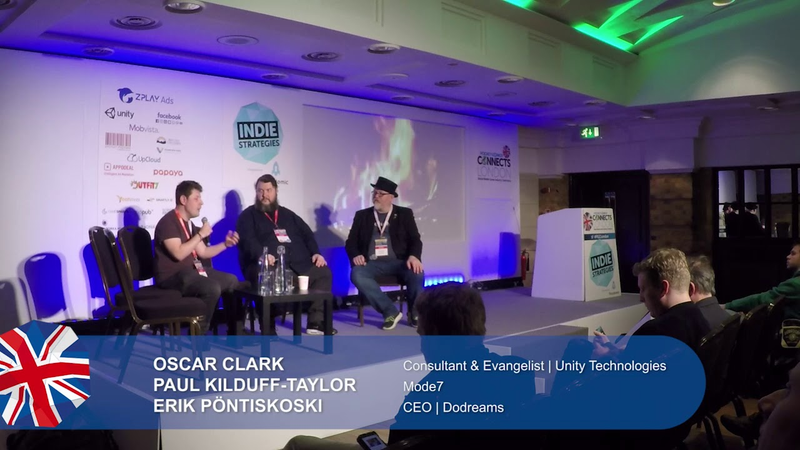
Switching from developer to publisher
The discussion explores the evolving landscape of game publishing, focusing on the shift from traditional developer-publisher relationships to modern self-publishing and hybrid models.
- Developers must treat game projects as businesses by prioritizing product-market fit and market-oriented strategies rather than relying solely on creative focus.
- The decision to engage a publisher should be a strategic choice based on specific needs like funding, marketing, or distribution, rather than a default industry path.
- Studios like Mode7 and Dodreams demonstrate that using early access, soft launches, and prototyping to gather retention data provides the necessary evidence to successfully pitch to investors.
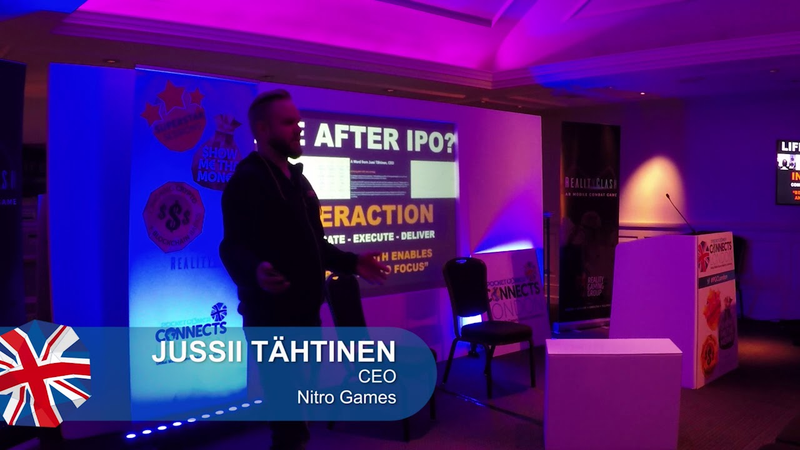
Life as a public indie developer
Nitro Games, a Finland-based mobile gaming studio with a decade of experience and a team of 40, views an initial public offering (IPO) not as an exit strategy, but as a strategic platform for growth.
- Nitro Games, a 40-person studio based in Finland, utilized an IPO on the Stockholm First North market as a growth platform rather than an exit strategy.
- Public listing streamlines business negotiations by providing partners with immediate access to financial and legal documentation, effectively bypassing lengthy due diligence processes.
- The transition to a public entity requires a rigorous operational loop of quarterly reporting and regulatory disclosures, necessitating a balance between administrative transparency and game development.

Crowdsourcing the Localization of Gone Home
The Fullbright Company utilized crowdsourced localization to bring the narrative-heavy indie game Gone Home to international markets without incurring the high costs associated with professional translation services.
- The Fullbright Company successfully localized Gone Home into over a dozen languages by utilizing a crowdsourced model to bypass the high costs of professional translation services.
- To overcome the challenge of narrative embedded in 3D assets, developers implemented a text-only system using dynamic overlays for in-game objects and standard subtitle files for audio.
- The localization workflow was designed for accessibility, allowing community volunteers to contribute using only simple XML and plain text files without requiring specialized software.
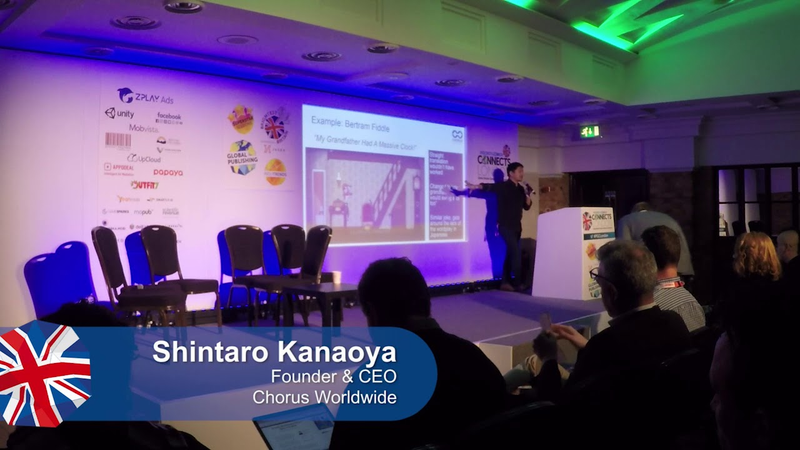
The indies’ path to getting out into Asia
Expanding into Asian gaming markets presents a significant opportunity for independent developers, provided they move beyond the misconception that Asia functions as a single, monolithic territory.
- Asia is not a monolithic market; China, Japan, and South Korea have distinct top-grossing titles with almost no overlap, requiring a highly localized strategy for each territory.
- Successful market entry requires professional culturalization beyond simple translation, as poor localization or failure to adapt visual assets to local aesthetic preferences can alienate players.
- Indie developers should prioritize partnering with local publishers who possess established relationships and expertise in navigating diverse, region-specific distribution channels.
Solo Indie Dev - 2. Month Review
This two-month progress review evaluates the experiences of a solo indie game developer balancing game production with YouTube content creation.
- The primary barrier to solo indie development is the psychological 'Dark Night of the Soul' phase, where the initial excitement fades and discipline is required to overcome self-doubt.
- The developer failed to reach the target of 200 subscribers, prompting a strategic pivot away from daily content creation due to concerns over video quality and searchability.
- Playtesting for the project 'Nova' revealed that the current gameplay iteration lacks sufficient engagement, necessitating further refinements before a vertical slice can be completed.
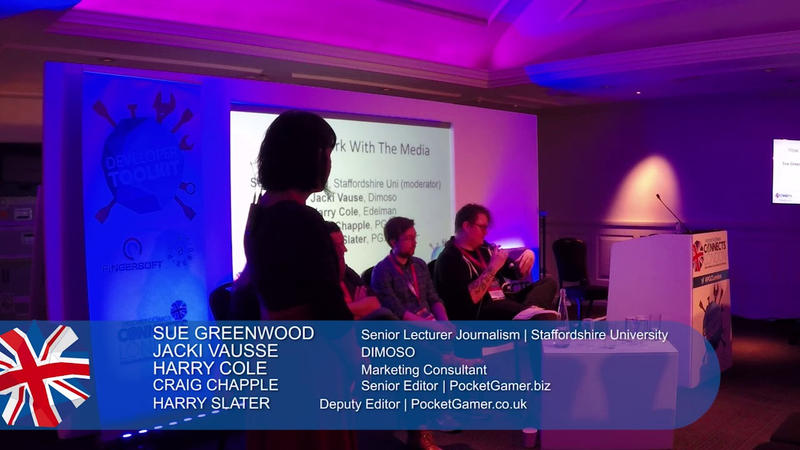
How to work with the games media
Effective developer-media relations hinge on building authentic, long-term relationships rather than relying on mass-distributed, impersonal press releases.
- Prioritize building long-term, authentic relationships with journalists well before a game is finalized rather than relying on mass-distributed, impersonal press releases.
- Tailor pitches to the specific interests of individual journalists, as generic 'Dear Editor' emails are frequently deleted and counterproductive.
- Engage with media throughout the entire development cycle by sharing early builds and progress updates to ensure journalists feel invested in the project's success.
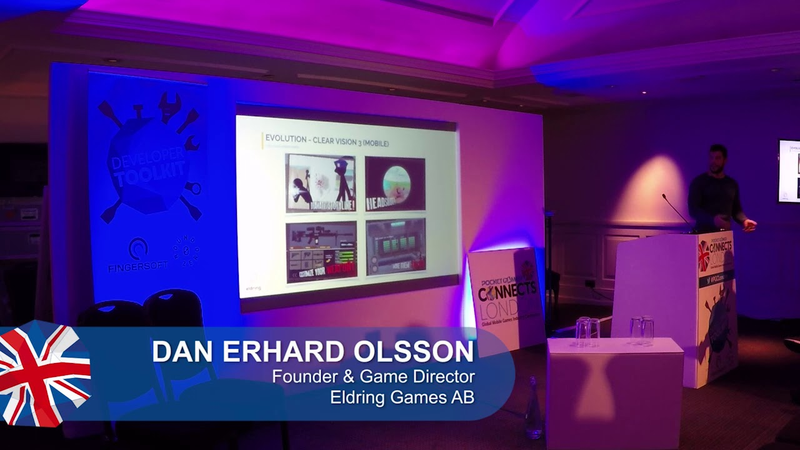
Indie journey – From intensive care to hit game (clear vision)
The journey of Eldring Games, a self-funded independent studio based in Stockholm, illustrates the transition from solo flash-game development to a professional mobile gaming operation.
- Eldring Games, founded by Dan Olsson in 2007, transitioned from a solo flash-game operation to a five-person studio by maintaining creative independence and self-funding.
- The Clear Vision franchise achieved significant scale with over 100 million plays on flash platforms and approximately 35 million mobile installs across iOS and Android.
- The studio sustained long-term player engagement for the Clear Vision series, accumulating 1.6 million user reviews across app stores.

CoalFire Played My Game Ovus Nova! - (Reaction) [First Let's Play]
The developer of the indie strategy game Ovus Nova provides a reaction and analysis of a Let’s Play video featuring their early-access title.
- The core gameplay loop of Ovus Nova centers on a two-button real-time strategy mechanic focused on managing creature growth and tactical detonations.
- Technical deficiencies identified in the current build include broken health bar UI, a lack of direct unit movement control, and missing level-transition screens that cause input carry-over between stages.
- The developer is refining a 'slowdown' balancing mechanic intended to prevent exponential growth when eggs are clustered too closely, aiming to differentiate the game from passive clicker titles.
Talking Game Dev with Sylvester Hansen
Independent game development currently operates at a critical intersection of creative freedom and commercial volatility.
- Independent developers are filling a market void left by AAA studios by focusing on hardcore strategy and narrative-driven experiences that prioritize mechanics-first design.
- To maintain momentum and prevent skill stagnation, developers should limit production cycles to under two years.
- Successful indie projects increasingly leverage AI tools to enhance real-time features, such as adaptive orchestral scores, rather than treating the technology as an existential threat.

Tokyo Jungle and Japan's Gaming Potential
The Japanese gaming industry thrives when developers prioritize original, high-concept ideas over the imitation of Western market trends.
- The development team behind Tokyo Jungle secured a first-party PlayStation 3 project despite having no prior professional game development experience.
- By ignoring industry 'common sense' regarding development constraints, the team successfully implemented over 50 unique playable characters, each with distinct movement, combat, and scaling parameters.
- The studio leveraged their background in web design to handle all marketing and promotional materials—including trailers, posters, and physical media kits—to ensure the product's core vision was communicated directly to consumers.
Once Upon A Coma Official Kickstarter Video
Once Upon a Coma is an ambitious indie adventure game developed by Thomas Brush, the creator of the previously successful title Pinstripe.
- Once Upon a Coma is an indie adventure game developed by Thomas Brush, the creator of the 2016 Kickstarter-funded title Pinstripe, which raised over $100,000.
- The game features a unique core mechanic requiring players to learn the soundtrack on a piano, integrated alongside traditional exploration, puzzle-solving, and combat.
- The narrative follows a boy named Pete navigating a surreal, parentless world to find his missing sister, spanning environments from the fields of Reddington to the peaks of Ashcliff.