indie
CompanyUnited States
Documents about indie
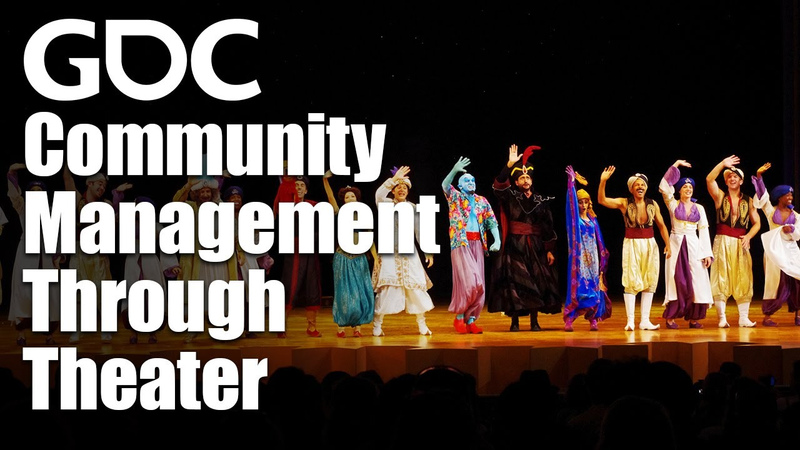
Play With Your Audience: Enhancing Your Social Strategy Through Theater
The primary objective of this strategy is to enhance game community engagement and brand awareness by utilizing theatrical performance techniques to develop a character-driven social media presence.
- Treating a brand voice as a character rather than a corporate entity fosters more authentic and playful community engagement, particularly for indie titles and narrative-driven games.
- Applying theatrical principles like the improvisational 'yes, and' technique and defined personality pillars allows community managers to build a consistent, approachable brand persona.
- Successful implementations, such as the Bear and Breakfast Twitter account and the Spamton Sweepstakes charity event, have demonstrated engagement rates and follower growth that significantly exceed standard industry benchmarks.
Hashbang Games’ Robert Burnett On Equipping Indies With AAA Strength With A Cross-Platform Approach
Independent studios must adopt a cross-platform, games-as-a-service model to remain competitive in an increasingly connected global market.
- Independent studios can achieve AAA-level backend and analytics capabilities by utilizing off-the-shelf infrastructure providers such as PlayFab, Beamable, and GameSparks.
- Adopting a cross-platform, games-as-a-service model is essential for indie developers to maintain long-term player engagement through iterative updates beyond the initial launch.
- Indie developers should leverage their organizational agility to target specific niches with focused, high-quality experiences rather than attempting to compete directly with massive AAA titles.

Games For Good
The integration of social impact and physical health into mobile gaming represents a burgeoning shift in the industry, where developers are successfully merging mass-market free-to-play mechanics with corporate social responsibility.
- Integrating social impact into core gameplay loops, such as real-world tree planting, has successfully driven the planting of over 550,000 trees.
- Purpose-driven mechanics significantly enhance player loyalty and organic growth, proving that mission-driven games can be commercially viable when high-quality design is prioritized over didactic messaging.
- Studios that adopt a triple bottom line approach—balancing profit, social impact, and sustainability—are more effective at attracting mission-aligned talent.
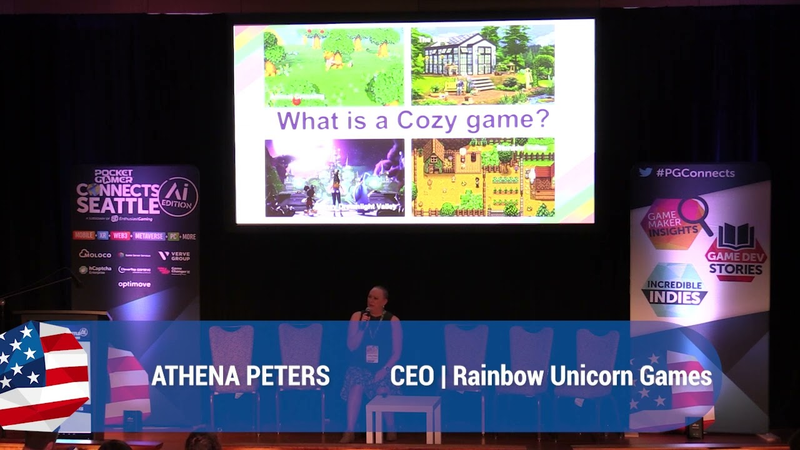
Session: The Rise Of The Non Combat Or 'Cozy' Game Genre - Athena Peters, Rainbow Unicorn Games
The cozy game genre, characterized by non-combat mechanics, relaxation, and low-pressure environments, has experienced significant growth as a response to global stressors and a desire for meditative digital experiences.
- The cozy game genre has seen a 155% increase in search volume over the last year, signaling significant market growth and consumer interest.
- The commercial viability of the genre is underscored by the success of Animal Crossing: New Horizons, which became the second-best-selling game on the Nintendo Switch.
- Mobile titles centered on decoration, narrative, and customization, such as Gardenscapes and Life Makeover, consistently generate tens of millions of dollars in monthly revenue.
Prof standards to promote your game and company. What every indie should know as best practices.
Professionalism serves as a foundational pillar for independent game developers seeking to secure investment and publishing partnerships.
- Professional conduct acts as a primary proxy for a developer's ability to meet milestones and manage business, making it a foundational requirement for securing investment and publishing partnerships.
- Developers must maintain consistent, reliable communication and punctuality to build the trust necessary for long-term industry relationships.
- Public grievances on social media must be avoided to preserve professional credibility, as disputes should be handled through firm, polite, and private discourse.
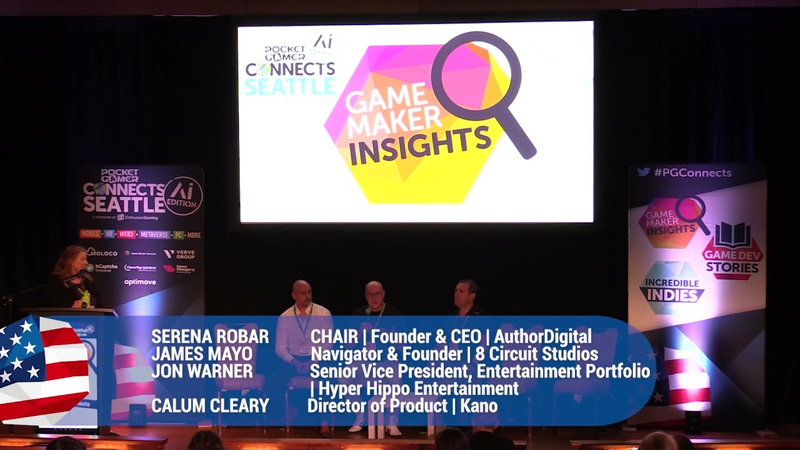
Panel: Playing together is more fun: Is social a must?
Social integration has become a fundamental pillar of modern game development, serving as a primary engine for player retention, monetization, and organic user acquisition.
- Social integration is now a primary driver for player retention, monetization, and organic user acquisition, effectively lowering customer acquisition costs.
- Developers should prioritize collaborative gameplay loops and incentivized referral programs, as these consistently outperform complex competitive systems in driving engagement.
- Community scalability relies on mitigating toxicity through player-led self-moderation, which allows studios to maintain safe environments without stifling expression.
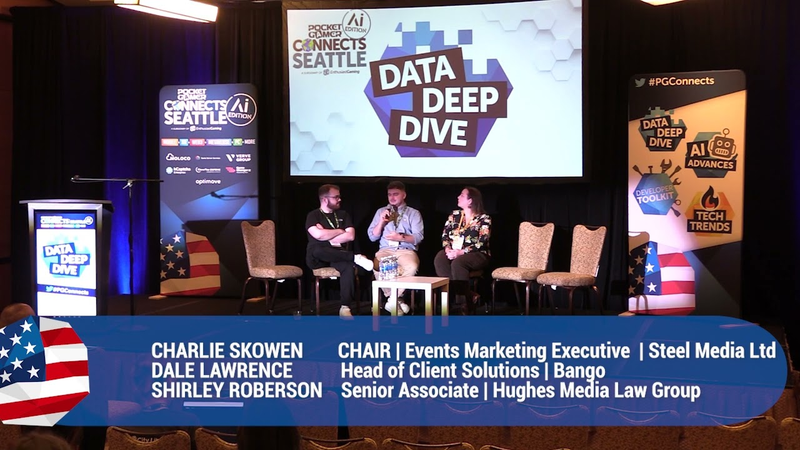
Panel: Your new BFF: Data As A Game Development Tool.
Modern game development increasingly relies on sophisticated data analysis to drive user segmentation, monetization, and long-term retention.
- Developers must shift from reliance on third-party identifiers like IDFA toward transparent, first-party data collection to ensure regulatory compliance and accurate player insights.
- Effective data strategy requires a move away from opaque, automated advertising platforms in favor of cross-ecosystem analysis that accounts for specific genre and market nuances.
- Studios should conduct rigorous post-mortem analyses on both successful and failed features to mitigate confirmation bias and prevent the premature abandonment of viable game mechanics.
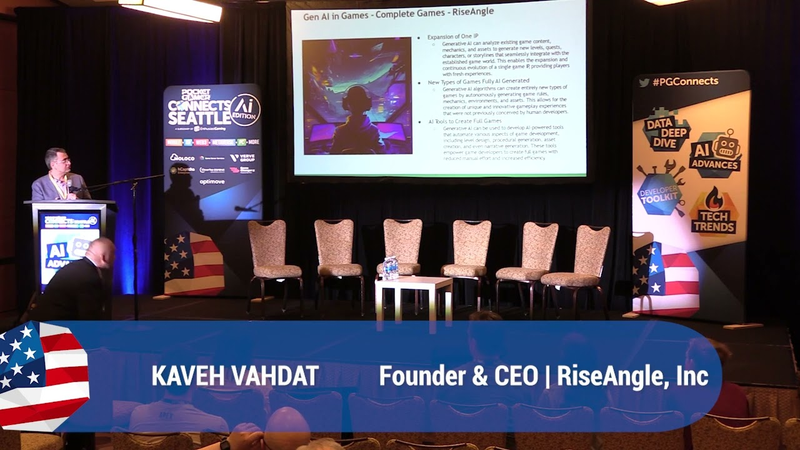
Session: Generative AI & Democratization of Game Development, Kaveh Vahdat, RiseAngle, Inc
Generative AI represents a transformative shift in the game industry, moving development from a technical, labor-intensive process toward a more accessible, creative endeavor.
- Generative AI is shifting the game industry from a labor-intensive technical model to a creative-focused one, enabling the three billion global gamers to transition from consumers to creators.
- The integration of AI tools is expected to significantly reduce development costs and production timelines, allowing smaller teams to compete with AAA studios in producing complex, high-quality titles.
- Generative AI enables dynamic, personalized gameplay experiences through procedural level design, adaptive music, and NPCs that adjust to a player's skill level or persona, effectively extending the lifespan of intellectual properties.
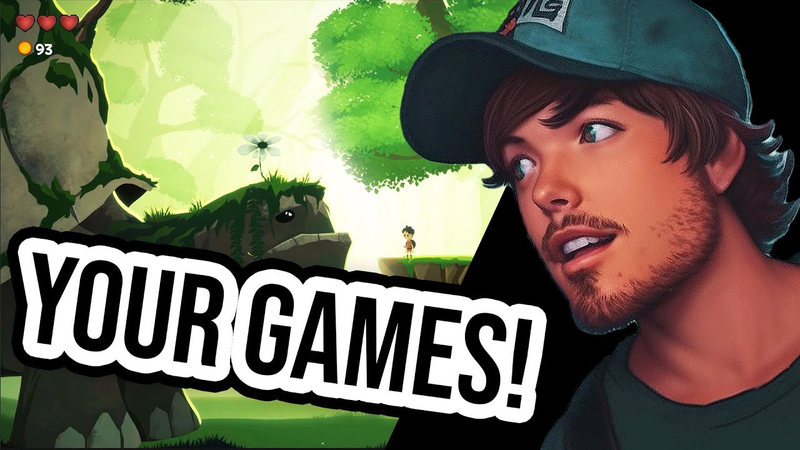
I Played YOUR Games! (Game Feedback & $500 Prize)
This analysis evaluates four indie game submissions selected from a pool of 98 entries to provide professional feedback on design, mechanics, and market potential.
- Milo and the Elder Seed was selected as the most commercially viable project out of 98 total submissions, earning a $500 prize for its superior art direction and polish.
- Technical polish, specifically consistent texture resolution, responsive combat mechanics, and accurate collision detection, is a mandatory requirement for transitioning a prototype into a professional-grade commercial product.
- Indie developers must prioritize a clear, defined gameplay loop to move beyond a technical demonstration and achieve market success on platforms like Steam.

The Harsh Truth About Game Development
The professional landscape of game development is defined by three significant challenges that impact both AAA and independent creators.
- The vast majority of independent games fail to achieve financial viability, with a significant percentage of titles generating less than $10,000 in total revenue.
- Sustainable success in the independent sector requires treating projects as commercial products rather than hobbyist experiments, often necessitating multiple development cycles to achieve stability.
- Game development in AAA environments is highly specialized, often relegating developers to granular, repetitive tasks like tool creation or specific asset modeling rather than holistic creative work.

No-Budget DIY Marketing for Indie Games
Indie game marketing is most effective when developers adopt a sustainable, low-cost framework that prioritizes authentic community building over expensive advertising campaigns.
- Steam wishlists are a critical metric, as they typically convert to sales at a rate of 10% to 30% within the first year of release.
- Developers should implement a consistent 'one hour a day' marketing schedule: Mondays for social media, Tuesdays for press lists, Wednesdays for networking and festivals, Thursdays for devlogs and Steam page updates, and Fridays for content creation.
- Game descriptions should prioritize the core player experience and unique setting rather than relying on comparisons to existing titles, which can clutter messaging and confuse potential players.

Indie Gaming's Last Stand How Willem Delventhal Is Battling Corporate Dominance! | 316
The modern gaming industry stands at a critical juncture, defined by a tension between the democratization of development tools and the increasing centralization of power within corporate giants.
- Independent developers serve as the primary engine of industry evolution, consistently pioneering new genres and trends that are subsequently adopted by AAA studios to maintain market share.
- The gaming industry faces a systemic risk where corporate entities use their control over development ecosystems, such as Unity, Unreal, and Roblox, to commodify creative output and prioritize corporate agendas over user needs.
- The shift toward remote work has eliminated traditional office-based mentorship, forcing junior developers to rely on self-driven skill acquisition through game jams and multidisciplinary collaboration.