1 free read left. Create a free account for unlimited reading + AI research.
Create free account
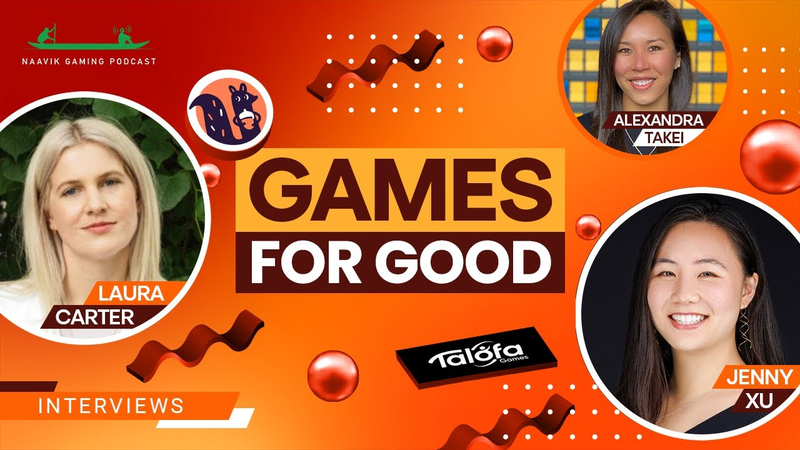
Games For Good
Key insights
6 takeaways- 01The industry is seeing a shift toward partnerships between large-scale corporations and mission-oriented developers to scale social impact initiatives.
- 02Modern players are increasingly seeking friction-free ways to contribute to global causes, making purpose-driven gaming a tool for reaching broader, more diverse demographics.
- 03Integrating social impact into core gameplay loops, such as real-world tree planting, has successfully driven the planting of over 550,000 trees.
- 04Studios that adopt a triple bottom line approach—balancing profit, social impact, and sustainability—are more effective at attracting mission-aligned talent.
- 05Purpose-driven mechanics significantly enhance player loyalty and organic growth, proving that mission-driven games can be commercially viable when high-quality design is prioritized over didactic messaging.
- 06Sustainable development practices, including carbon offsetting and energy-conscious production, are becoming an expected responsibility for both indie and AAA studios.
Ask AI about this video
Transcript
foreign [Music] gaming podcast where it is our mission to explore the business and future of video games we bring together the industry's brightest Builders investors and thinkers to keep a full sun current events dissect emerging Trends and games share Lessons Learned and have a great time this podcast is also part of novik's growing ecosystem which ranges from free and premium research to Consulting and advisory services for more information visit www.navic.com now let's jump into the episode hello everybody and welcome to the novik gaming podcast I'm your host Alexandra Takei and this is the interview and insight segment triple bottom line businesses or businesses that are geared towards Health mental or physical are an important part of today's modern business era the onset of businesses like toms REI and Ben Jerry's that have had this tertiary shareholder corporate social responsibility or CSR as the as a
short acronym have been the vanguards of popularizing and exhorting companies to have another angle besides a fiduciary duty to their stakeholders the audience is probably familiar with business models like toms and Warby Parker for every X pair of shoes the company donates Eye Care or other shoes to those in need or for every percent of profits or sales of the business they go directly to a charity partner in the world of video games big studios like blizzard and Activision have sold in-game items for charity take the breast cancer skin um that we did for mercy in OverWatch or launch specific programs like the Call of Duty endowment which provides grants to Charities that help military veterans find high quality jobs video games have also attempted to play a role in changing people's behavior and habits encouraging players to have a bit of a more salubrious lifestyle whether that's through Pokemon go or getting folks to go outside or a direct Fitness game like ring fit Wii Fit Lane break Etc that rapid game with a reward-like system around it for physical activity and so today we're going to talk about two such games games
for good as we've been calling them and two awesome Founders are joining us first we're welcoming Jenny Zhu my friend and Rockstar founder of tolufa games who just released their game Run Legends a mobile Co-op Fitness RPG for Android and iOS welcome to the Pod Jenny thanks Alex I'm excited to be here yay and now we're welcoming Laura Carter the founder of trees please games fresh off an announcement of 8 million in funding with participation from March gaming and lakestar welcome to the Pod Laura thank you so much for having me really excited to be talking to you both today sweet I'm really happy and excited to have this discussion uh in your Venture beat article Laura you were quoted saying by changing hearts and Minds you can affect consumer behavior and consumer perception and that's how what changes how people spend money um the motto of Stanford gsp's program is change Minds change organizations and change the world and so I personally have tremendous um resonance with your Ambitions and I graduate in like a week and a half so
this stuff is like really on my mind um and Jenny in your lane we've talked a ton but as an exhibition one athlete cannot stress how important it is for health and happiness um to be actually physically active and maybe we'll get into this in the episode but gamifying Fitness seems to be a cool motivating force so with that said I gave you guys a brief introduction but I'd like you guys to share with the audience your backgrounds and how you came to found your Studios your motivations for founding your respective Studios and maybe a little bit about your Studios themselves how big they are and how long they've been around Jenny how about you kick us off yeah happy to kick it off so Jenny's CEO founder of telofa and I've actually been building games as well as writing since I was 12 years old so I ended up making 10 mobile games I got 10 million downloads and they are like top charts ended up making enough money to also cover my tuition when I went to MIT and I studied computer science there but also got recruited to their cross-country track and field team so I was running 70 miles a week did varsity
ran Nationals and ended up finally combining the loves of my lives Fitness and gaming when I participated in the largest Niantic developer contest that they've ever hosted and we ended up winning that contest getting 300 000 in cash prize kind of right out of school and that's when we really started up our studio and worked with Niantic for about a year and a half they taught us really good practices on how do you actually build games that get people to go outside like real world game platforms and late 2021s when we went independent and I started building up our team it's currently seven full-time we've got folks from like write games who worked on League of Legends the EA vacuum company and even Black Box VR so really some of the best people within gaming and fitness and I personally have also taught over 900 Fitness classes and I'm a unified group fitness instructor and I it's called like Absa Jenny but I do every day since
covet started so I just really love this intersection and think that there's a lot that can be done because it's something that I've kind of spent my whole life thinking about so yeah that's awesome I love the strong founder market fit with Fitness classes on the side Fitness game I think it's a really cool and shows like a tremendous amount of like commitment and passion and probably a lot of like um a lot of scheduling to balance um you know I know that practice and classes and stuff are really get in the way of they're just onerous you gotta you gotta wake up and you gotta go do it you gotta commit um uh and so Laura how about you wow well that's a really tough act to follow I'm so impressed that you've coded your own games and even run that many classes you certainly don't look old enough to have done all of that so massive uh you Jenny but um yeah I guess so my background is I've been in games for around like 15 years or so maybe a little bit over that now my background is in production and I've worked in mainly in Mobile and free to
play um I've had you know the privilege of being in some fantastic teams at like natural motion where I was a product lead and then general manager of external Development Division for csr2 and have had various production roles before that and um I guess I kind of have had like a different sort of volunteering type sort of charitable career that is kind of run in parallel with my games career so ever since I was like pretty young I'd say like about four or five I was just sort of innately passionate about saving the world and like would be that annoying kid that would go knocking on my neighbor's doors like selling off like really rubbish drawings and sorts of things I had value but I'd be like yo buy this thing and then I would send off this like few quid to um Greenpeace or different sort of animal related and environmental Charities and then into my teens and 20s just did whatever I could really in terms of volunteering whether that be retail stores or Manning phone lines for charity social media fundraising protesting like all sorts of
stuff and then um it kind of just occurred to me that like I was really just sort of scratching the surface and like actually this stuff was all kind of meaningful but it wasn't going to really change the world and working on a massive game um like csr2 that I did previously and seeing like how many people were playing that game and engaging with it I felt this huge desire and and need really to kind of like with you Jenny like merge my two worlds together my two big passions in terms of gaming and also kind of making a positive impact in the world and it felt like particularly with the explosion of free-to-play gaming and mobile and how that had really shifted the audience from you know more of a core like gaming Market kind of 10 15 years ago when I first started working in games to being such a more um mass-market consumer um I was really inspired by the fact that my mum was like playing World Games with me and she'd never been a gamer before but she was like you know soaking up so many hours playing you know sort of candy crushes and Words With Friends with the world
and so that really inspired me to think you know there's a there's an opportunity to bring these two worlds together and really use free to play gaming as a good news story obviously like games and particularly free to play can you know sometimes um get a bit of a negativity and and feel a bit like um like a waste of time activity like sometimes there's kind of a bit of guilt about spending too much time playing games that you should be doing something a bit more productive with your time and so I really wanted to use gaming to to solve like important World issues and was really inspired by uh like the movie industry like films like Wally and The Lorax that kind of really um you know really effectively create great compelling entertaining mass-market products that can also have like a really clear message and meaning um and make a difference in sort of inspiring and provoking change in people and so yeah I said about building a company that would do just that um so I could talk a little bit more later perhaps if we get into the details
of you know how we go about making a difference to our games but that was the kind of nutshell and the Really the sort of inspiration for it um we've been going about two and a half years ish now um and we're 14 people and um yeah kind of launching and sort of going our first game so yeah here we are that's awesome well but I love this we have two awesome female founders with incredibly High founder market fit um you know Jenny you're in the beginning of your journey you know Lara you're a little bit farther along but it's actually really cool to see like the origination for like why these games um and it's so entrenched in sort of like what you found valuable like in your lives growing up which is just really really impressive um a bit tangential but um Laura I'm wondering where do you think the um desire to you mentioned you were going door-to-door selling random things and donating that money to Greenpeace where do you think that actually sort of comes from uh as a like in in terms of
like why you were doing it specifically you know well I've tried to sort of recall motivation like came externally but I I honestly don't know I think for me it was just quite innate because certainly my parents and my family weren't like that in fact there was almost a little bit of resistance from my family where for example at age like three or four I was like I'm not eating animals anymore and they'd always be like what and like now obviously you know we know that there's a link between animal Agriculture and climate change and that sort of stuff so I think there's a lot more support but I think growing up um I think there was some resistance actually um now I think my parents are super proud and my mum calls me her little Eco Warrior which is kind of cute but um I don't know I just I just always um cared about this stuff um and I think you know getting into my sort of teens and twenties just felt this this real need and desire an actual kind of guilt to some extent I felt like I really need to
to make this my life's work and it sounds super cheesy but I kind of wanted to work backwards and I said right you know when I'm an old lady on my porch looking back over my life or talking to my grandkids like what do I want to have achieved and you hear all this stuff like people say you regret the things you haven't done rather than things you have done you have done and I thought what am I going to regret not doing and I thought well you know I'm going to regret not having really felt like I made a big difference and sort of left this planet in a better place than I than I kind of found it so um yeah I just kind of said about literally like pen and paper like brainstorming like how can I solve these things and bring them together yeah thank you well thank you for sharing it was just out of just simple curiosity um just sort of see whether or not you're just born a good person or something specifically had really happened to make that um a driving force for you in your life um and so you kind of mentioned you know maybe we'll get into the details of how these games work or what you guys are building and we're going to do exactly that right I kind of want to talk about how what is the game design and what is
your guys's business models for each of these each of these games and also kind of what are the causes and outcomes you actually expect from your players um and so Jenny I think maybe we're going to start with you um could you tell us a little bit about run Legends what makes a good running game and the business model that is associated with that game um but obviously first more talk about the game design stuff like that yeah yeah and it's super inspirational to hear from you too Laura and yeah I've I've seen all the I've seen the game that you have launched and I was like wow it looks so cool so so good so I for run Legends it's a mobile Cooperative RPG game where you're walking and running to defeat enemies so you're playing together with friends you're going and moving outside in real time with other people so that element of like mobile synchronous multiplayer plus exercise is something that I don't really think I've ever seen so it's really the first mobile game that's
trying to do this and a lot of the gamification of exercise comes down to like how do you just make someone forget that they're working out so we have immersive audio that plays and you're hearing things like oh the enemies at low Health like go now like these things that make you feel like when I'm exerting effort I'm contributing to battle like I'm playing the game I'm not just working out so that's a lot of the the high level of game design is just around like how do you make the most engaging experience possible that gets people to be healthy and also have fun at the same time so that run Legends in a very high level and and there's like attackers Defenders healers you can play as because it is a co-op game so you can take on kind of different roles and there are very fun clutch moments that we'll often see on Twitch where like somebody will just in time as the enemies about to unleash their critical attack they put up the shield and you're like at one percent Health it's like those cool moments of like uh what you
might find in a normal game we've replicated but in a fitness game so that's something we're really proud of and our business model right now is a free-to-play model so everyone starts for free like with Fitness especially I think it's hard enough to get started so that's why I made it just completely free to start and we have like very basic micro like mini purchases that you can make Mega transactions we have coins that you can buy in the store and eventually we'll add more we just launched like not too long ago so we're really trying to focus on retention engagement right now and I think in the future we'll have more like subscription type things or more like battle pass type mods but for now it's probably the most accessible it'll ever be so it's the best time to play and give us feedback awesome and so you mentioned this Co-op and so you're ostensibly just picking up two of my friends that I'll be run with and so I'm wondering if you guys did any kind of examination on the personas of the kind of players that you're trying to attract to your game who is like your
ideal Target gaming customer mm-hmm yeah yeah and one other thing that we do that's unique is we target gen Z pretty uniquely like or gen Z to early Millennials so it's like 18 to 34 is our Target demo and these are people who have grown up with games essentially so they're way more of like the gamer than they are necessarily like a fitness expert that's oftentimes like people who just want to get healthy for the first time and we see people who I'd say are less like super competitive and more so collaborative which is why we moved to a more Co-op model it also leads to a more healthy social behavior like you don't want to be like always trying to go as fast as possible in a match for example because then you're just gonna get injured so that is why we built it in that direction just seeing people like it and we do think that people are still a little competitive because we added leaderboards into our game and suddenly like engagement 10x so there's still a merit to having like a light competitive
wear even if most of it is cooperative so it's more like teams being competitive than individuals being competitive yeah it's really it's really interesting that you said that because I think that's actually like one of the questions inside the personas was for many of the fitness games that currently exist on the market and even not Fitness games but even just like fitness apps like a Strava competition is really the sole motivating like um like Heroes Journey right in terms of when we think about those players and so I'm wondering how you're serving people who in athletics like to be competitive versus how you're serving those who want to be collaborative and obviously like reducing that barrier down um to go running together right because some people need groups of people to go running and some people are very motivated to do that because they want to beat other people um and so now it sounds like you've got two structures two two game modes is that a good way to put it or yeah or more so the the game mode inherit the default game mode is always collaborative but then we have metagame
that's competitive so I see yes it works better that way but we also have like little competitive things like in the middle of a game with your friends you might encounter this like little mini game or whoever like runs the most within like a one minute section will earn the most coins and you can take it home brag about it so there are little like competitive moments sprinkled throughout that can scratch that itch for people and where are you guys finding the majority of your um doing the majority of your marketing right um obviously with idfa it's hard to Target these specific people so what strategies have you found since you just recently launched that are working and what isn't yeah yeah we built Our Community First like while we were building the game so that's been honestly where we found a lot of our initial users like we had like 50 000 players coming in in the last two weeks just pretty much all organically with some like paid spend but we had like Twitter Discord Tick Tock Instagram really be our main funnels and Twitter's our biggest
presence right now like 52 000 people following us on there and yeah the rest like we put some test spend into Google ads and found like cpis of like a few cents so it's been really cool to see that and I'd say just having like app store coverage has been crucial for us too like apple just featured us as like one of the best new games and it's WWDC week so you've got a lot of exposure from that and like Google play as well has like put us into a lot of featured collections so I'd say just the organic store Page presence has been really helpful for us too that's awesome and interesting um and I'm actually going to go back to your community because I've been you know privy to your story for for a bit and I'm going to pop the the web 3 question um you built started building your community because I think originally there was potentially an angle of web 380 or guys's game um and we know that you know we saw the rise and fall of step into Summit degree and wondering how your team is thinking about like play to earn to be fit or
play to be fit um or whatever acronym rapper I can put around this to kind of make it a a a thing um is there plans to be to have any kind of web3 angle to your modestation um and if so when and if not why yeah no really good question and I just think that the idea of like moving to earn I guess move to earned games as they call it like a lot of the issues I see with it more so are just the quality of the players that you get and the people who maybe come and then like don't exercise and leave and I think that is something that we've been very cautious of but the upside is that like you get people who stick around for longer like people do want to like exercise and the ones who do like will stick around for a long time because they have double incentives like they love the game plus they love the idea that they might get something for that that's like outside of just the game itself so we've actually been doing some exploration on the web 3 side very
lightly like I'd say the extent to which we've done it is like just give people like a free nft and see how they behave with it because they're not paying for it they're essentially getting it for free and they don't need to opt into if they don't want to so that's what we've done and like I think it's been really interesting to see what people do with it and I wouldn't say that it's been a big part of our strategy but it has been like one part because then we can get those people who are maybe disillusioned by step in or like the idea of a game that got them to move but maybe that wasn't the game for them or they want to try out more and that's like a user acquisition strategy that we've been using so I think the space has a lot of innovation to be done in it and the first really big recent game that happened was Stefan so like I'm thankful for step in for making this Fitness game genre way more popular especially in a VC space like I'd say before that like no one was talking about like Fitness
games being venture rockable or scalable so interesting well we're definitely going to get to that topic later on in the podcast on Studio fundraising uh but Lauren I kind of want to switch over to you and um kind of ask a similar framing you know how does how does trees please I mean I think your first game is called Longleaf Valley um how does Longleaf valleys game design and modification connect to its charity goals or it's planting trees goals and can you elaborate kind of on what the game what the game is and the core Loop yeah sure so um yeah I mean we've always wanted to make sure that like planting trees is something that players can do for absolutely without any spend within the game at all um just really important that those four good elements are not you know kind of blocked behind paywalls or anything like that and so that people can have a positive impact on the world and the planet just from playing um naturally you know players can make more progress um both in the game and in terms of tree planting um through spending money but um we really wanted to bake the
the giving back and the tree planting into the actual the core gameplay and the chord progression I think where we've seen other companies kind of start to sort of like touch around this has been a bit more around like a you know percentage of profits or perhaps like a fixed amount of trees or fixed sort of impact that's based on I don't know a time frame or something like that whereas for us we wanted to really explore like giving the player kind of control and making it feel really tangible and satisfying that you know the more that you engage and the more that you're um yeah having fun playing the game it will make a bigger impact and I was really inspired by um products and on gaming products like things like ecosia um where you know every time you're doing different searches internet searches you're planting trees and um a service called Amazon smile which is actually no more but it was um basically kind of accruing money for charity whenever you were spending money with this with the platform so I thought you know it's about really like building
bringing giving back um to people and sort of immersing it into their existing um gameplay basically and that's really satisfying for the player um you know it sees more people engaging with the game and feeling like they can make more impact um and also allows us to have a bigger impact in terms of uh the environmental goals you know there's no kind of upper ceiling ultimately which is really positive and that's one of the reasons we've been able to to make such a big impact where we've planted with our players around over half a million trees now it's about 550 000 which um is pretty cool given that we've we've only just recently come out of soft launch into sort of launching the game worldwide um and we're well on track to plant over a million trees um in the next few months so super exciting times but you know with that comes some some risk like because of the model it means that you know we could start to you know balance it in a way where suddenly we're committed to planting you know a lot of a lot of
trees and so it does require um a really a talented team and and good sort of product and and understanding um of the way to kind of build this into the game in a way that is sustainable for for us but also can really maximize the impact in terms of reaching our environmental goals basically interesting but yeah ultimately it's like it's um something that we've built into the product to yeah to to not really have an impact on monetization it's more like something that we want to go hand in hand with both the business of the game in terms of like wanting to build an amazing game that can be successful and then how can we also achieve our environmental goals in a way that isn't going to cannibalize or or hurt the bottom line but also it's not like the big sort of sweet spot that's kind of driving monetization or anything like that you can't just slap tree planting on any game and expect it to to have some sort of Silver Bullet in terms of improving it that really comes down to building a an amazing product and
having a strong a strong team that can achieve that yeah wait so so down that regard tell me a little bit more about about the product in that regard um what am I as a player doing I download and then what happens so basically the game is set um in like a national park that has fallen into disarray it's kind of polluted all the animals have you know disappeared because it's like it's unsafe and you play this um this kind of Kick-Ass female uh scientist called Ash she's really cool she's got like tats she's like this really like aspirational she's the girl that we all want to be um and she's kind of coming in to sort of save the park basically and and and restore you know the plants and um yeah Rescue the Animals and that sort of stuff and it was really important that we created a game that didn't feel like an Eco game we don't want it to feel too on the nose and to like an educational experience we want it to feel like I mentioned earlier one was like Wally you know something that's just a really fun entertaining film and
yeah naturally there are those those environmental themes but you don't feel like it's kind of being shoved down your throat so we have um a lot of focus on on story and humor and making it feel casual and and cozy and relaxing and fun and all of the reasons why people play you know casual puzzle games but also trying to make sure that we are um being impactful with the awareness piece so um so I've touched on it earlier on but in terms of the way that we wanted we want to make a positive impact through the games it's kind of three key things one is awareness um about like World issues like like climate change in particular and um as I say sort of through story and theme and narrative and I think that's really really critical it's very hard for us to measure that that's effective but it's also really really important because that's when Real Change happens when people you know hearts and minds are influenced and people start to care about this stuff and change you know how they spend their their their their money basically and how they vote like that's
when corporations and and and politicians actually start changing how they behave once they know that enough people care about stuff and then the second way is through the more sort of tangible real world impact of of tree planting and that's obviously something very measurable and something that we can influence and change in the here and now and so those two things together have a really nice um effect together and then the third piece is really about um meaningful for the player so I'll be vision and sort of ambition is for players to come away from playing our games feeling like it was really purposeful and meaningful and I sort of mentioned it earlier on about that's like guilt that you get about like oh I should probably start doing something else you know that's a bit more you know useful with my time and actually if people come away from playing our games going I just plotted a tree you know like that's actually like it is a really useful use of your time in the same way as yeah like running and stuff like that as well like those are those are like good good uses of our time so I think that's um that's the that's the ambition um trying to go back to your question sorry because I don't think you're
asking about that where are you asking about um the actual game experience so yeah um uh that's the sort of story and the theme and that side of things it's emerge a casual merge game so we thought that that had a really nice um connection with um with tree planting it was important for us that that all kind of came together as I said sort of just slapping on tree planting on a totally different genre or theming might be quite quite difficult and difficult to make that all understandable and clear to the player so in the game you can you know merge seeds to create a sapling and saplings to create trees and and that kind of connect okay where you're restoring this National Park and um you can collect free tokens um which you then can plant real trees so it all kind of is themed um around around sort of Nature and and sort of conservation got it got it that's sick that's that's kind of where I was going I was like how do we plan how as a player how am I planting the trees right is it a stardew valley situation where I'm electively Farming
and cropping and planting is it Farmville is it um like like a super narrative like story mode game such that when I hit these checkpoints I plant these trees and so now I kind of got that it's actually a merge game and so as you do the sapling seeds the saplings to trees the more you the more you play the more you puzzle the more trees you would ostensibly plant is that kind of right yeah exactly you you select these two tokens through progressing in the game um and then you can also buy tree tokens through you know um hard currency packs and um special offers and that sort of stuff but yeah the the main thing is through the chord progression okay and so now basically based on the based on the soft launch you've planted or you're going to plant approximately over half a million trees um and so I think you have a partner with Eden uh reforestation so a couple of questions around this like one how did you find this partner why Eden and how do you know they're right for you and second how does the cost structure work who's paying to plant these trees
so um the finding the right partner was really really important because it's not just about numbers and saying there's trees in the ground obviously like we have a genuine authentic need to make a difference in the world so we want to make sure that our partner is not necessarily the cheapest partner but they're doing it really sustainably so once trees go in the ground they're being supported in growing from you know small saplings into actual mature trees that can then actually be you know effective at sequestering Carbon from the atmosphere um and Eden um are really really impressive they put a lot of effort into protecting the forests that they plant and they make sure it's sustainable because they really um build community around the success of the forest so in a lot of cases like local communities actually get um have in the past being kind of paid to to cut down trees and to be part of
the cause of those problems but they're obviously paid to do that in a way that they almost have haven't been able to say no to and so Eden are kind of flipping it on its head and going the other way and going like let's build livelihoods and community and um and and uh yeah business for people around the success of of forests and whether that be just the actual planting but also through uh you know fruit trees and crops and all of those kind of things um and so yeah building livelihoods around around trees making sure that they're supporting the long-term protection of those forests they also only plant um wedge where rainforests have previously been deforested so that it's actually in a location that is um that is right for those particular species of trees and where you know the biodiversity depends on it and that sort of stuff so they're um a really impressive um partner and they ultimately can scale so they they plant for I mentioned ecosia earlier on and I know that um that they've had a lot of success with
them and and they plant they planted like I think it's coming up to a billion trees it's like over 900 million now or something like that so really amazing uh really amazing partner and and so again but though who base basically your game plugs in I play I plant five trees you as a studio is not are not um floating the bill for the tree planting I guess I'm wondering who again pays for the planting of the trees so it is us paying for it um got it yeah so um that's why saying earlier on there's a bit of risk involved because some players will come into our game and and never spend a penny in the game and they will plant trees and then we we are committed them on their behalf um but then there are players who also are spending money in the game and we basically give away um free trees along with um purchases and things like that as well um so it kind of balances out ultimately
yeah this is really fascinating actually because I think with the triple bottom line right you have Studio you have players and then um that's an inflow inflow from players outflow would be to you guys in terms of Revenue or to investors right and now you have this other third party the Eden reinforestation and so actually similarly to web3 in a way it's you have negative LTV players who basically never contribute in inflows but contribute positively and outflows to donating trees and so I think it's an interesting um business model where you might have to you really have to rely on the inflows to come in to ensure that the mission of planting trees can be sustainable um exact time yeah yeah and that's why it's saying is we need to make sure that we balance it really really carefully and we have very talented people looking at it to make sure that he's going to suddenly kill the business and we can do it sustainably but we know that for the players that are planting trees like
they're so vocal about it like they absolutely love if you look at our reviews on the game like 80 90 of our reviews are about how amazing it is that they've been able to to make a difference to through play and I'm sure people are talking about it to other you know players we've seen a really good impact on you know sort of organic growth um obviously we monetize non-spenders through through advertising and things like that as well so sure you know overall um we think it's um you know something that we that we can sustain and Achieve both our you know our business and our environmental goals in parallel yeah absolutely and so I think in the same regard as Jenny right um who is your ideal customer or player and this is probably not surprising but I think survey data from like a multitude of sources basically suggests that you know 60 to 80 percent of Millennials expect companies to be good corporate citizens gen Z is also a population like Jenny said that has focus and perceives things very similarly are you guys targeting customers that might skew towards the younger side um tell me a little bit about like your cohort personas that you
guys have been targeting so I mean generally with casual puzzle and merge it is similar to you know the match 3 space where it's a very very broad uh player base um but you know the the absolute kind of core demographic does tend to be um you know sort of 30 to 50 60 year old females but obviously it's it's it's not a very very targeted demographic it is it is such a broad um a broad genre um but yeah like as you said um from a like a for good perspective that does tend to be something that particularly with you know the Millennials and gen Z Etc like that's something that um they are incredibly motivated by and that's really exciting for us to think about like we can we can really broaden um our appeal and our reach and and think about yeah about having that wider appeal so um yeah it's an exciting opportunity for us to kind of go go beyond the sort of typical merge player nice
um and yeah and so both of you guys uh how are your games are live in some capacity either in full soft launch or either in full launch or soft launch or you know just released an alpha or beta can you describe some of the reactions from your current players um and what are you learning about the system that you've described and is it working the way you guys intended I always love this question um because it's like you're testing a thesis of you have a game thesis and then you're going to Market you're testing it so maybe Jenny will will bounce to you um did you guys have a specific Target of runs per player or volume and how are you seeing people engage with a product that might have been might be surprising yeah yeah and I'd say like our initial hypothesis was like people will use this primax like five times a week because that's about how many times like that's like running every single weekday and that's probably more than what somebody is recommended to do by their doctor is like oh you should like work out like three to five times a week so that was what we expected when we when it's open
Beta launched and what we saw was like these crazy players doing like 200 workouts a week you're like what are they doing like how are they running so much what we learned is that actually way more people actually walk with this game than we expected like it's way more of a walking game than a running game in terms of our demographic and like the average pace people play the game at is around 12 13 minutes per mile so it's between like could be like a light jog um or a jog for people but it's also like a lot of Walkers that are pushing that number closer it's like 20. so walk like that was surprising yeah Legends just doesn't have the same it doesn't do it it's it's definitely something that we found to be one of our stickier things is the fact that people can just put it on when they're walking their dog or in the middle they're like they're just doing their commute so they turn it on and they just play a little walk a game while they walk so yeah the like 200
plus missions a week point is something we never expected and I think there's a lot of safety things that we we have to start thinking more about as well like is that acceptable it's allow someone to do 200 plus missions and like is that too much like at what point do you put in some maybe flags that are similar to ring fit like hey you're just working out too much like we recommend you take a break but then that's like opposite to our business which is we want people as much as possible so there are like some key accessibility safety things that we we keep in mind when we're developing a game that involves health because you can go overboard or if your game constantly rewards sprinting all the time somebody's bound to get injured so that's why like part of our game design is also around like you can play it whatever Fitness level you're at and it doesn't hurt you to walk versus run so there's no incentive to actually going faster you can just set the game to like a lower pace and play the same game so for a lot of
people who might have always felt like the slower person and their team or in their friend group they can actually feel really strong in the game because it's all calibrated so that's one thing that like estrava for example like I love posting but that's because like I've been running my whole life and I can run really fast so like I get a lot of likes but like if somebody just started like they're they don't want to post often because they feel judged or they they feel like they're totally enough so yeah there's an article in New York Times about um the back of the marathon pack guy I forget he's like he's like a legend in running world but it's basically like he's this like leader of this group of people who are trying to be the slowest Runners um I forget what it's called but I I it was written up in the times of the day but it's actually like really awesome and like such a welcoming Community he's like I want running to feel like it's accessible to everybody no matter how slow you are and so it's actually really cool that you're noticing that in your game as well um it's a good thing to
kind of like serve oh my customers prefer to walk versus prefer to run um which is pretty awesome so yeah I think it's the slow f runners or something but I also app Runners yeah I I was very inspired by that by that article yeah yeah um Lara how about you um is there anything that you guys are picking up from your soft launch that you guys didn't necessarily um expect can I just say that's definitely me by the way I'm definitely part of that slow f group so I think I said like I'm allergic to running um but I think like your your product would definitely like motivate me to get into it just to like give me that that focus of that motivation but I would still be like really crap and slow so yeah I'm glad that there's other people that um are usually get to walk because I'm definitely going to check it out for that purpose um what have we seen I think um it's just been really amazing to kind of see
people um commenting in the reviews with like the thesis of the company kind of back to us and just feeling like what we set out to do from the very start has has been really successful and and and has been really meaningful and purposeful to players so you know that that idea of knowing that ultimately people on the on the most part like do you want to make a difference in the world they want to have meaning they want to have purpose they want to make like give back in some way but a lot of the time people just don't know how to go about it where to look like what opportunities there are like I found that myself in the past when I was trying to get it more into volunteering it was like quite a lot of hard work it's like where are these different organizations and you know how do I get involved and and actually kind of thought like there needs to be a way to bring this to people and make it easy and make it friction free and just so it's it's part of that that Loop of like oh I can I can plant a tree if I can just do this next thing in game and that's going to be motivating um for the player and also it's gonna be
good for us because it could be a way to kind of really create create loyalty within the game sure um and so seeing people basically say like this is so amazing that I can make a positive impact that I can plant trees whilst also having fun and playing games is just like you know a massive validation and and um yeah really great that we've we've seen that be effective um and one of the other things as well was like part of the the sort of the thesis and the Hope was that the mission would actually allow us to build a really incredible team because like hiring is super hard like you know gay like finding amazing people it's so competitive um in the games market and as a startup where you can't always pay the biggest salaries like it's quite hard to compete and especially when you're trying to you know attract fantastic people who who can probably justify um you know top salaries in bigger companies and things like that but I think like myself there was a lot of people who um want to find purpose not only the
players but people wanting to have purpose in terms of the work that they do and go to work not only because they're ambitious and want to make an incredible product and that's also part of it right we we want to make a a top performing game Market leading game and that's you know an ambitious team that wants to achieve that but it's also about wanting to feel that you know how we spend most of our Lives is is at work right um so let's do something that we can be really really proud of and um I think it has allowed us to really Inspire attract and you know retain great people which is um was part of the thesis and again has been um a big part of I think how we've we've managed to um yeah have have some success on our first game which always felt like a little bit of a like a pipe dream to actually like make something that could that could that could potentially scale and grow as our first product but so far uh so far things seem to be on track and I think that's a combination of you know a really great
vision and product Market fit and then just the incredible Talent of of the team we have at trees please that's awesome well first I want to react and say like that's probably amazing to have all those comments right I think as a as a developer like that nothing makes you feel more valued than your community responding positively um and we know in the gaming world that is often not the case so um major congratulations that people are loving loving the game and loving the thesis and actually like you're four steps ahead of me because that's exactly like what I was going to start asking about when it came to the studio fundraising side was you know I would love to for you guys to both share your Journeys in the fundraising process you know putting the investor hat on I might say hey Studios with a corporate social responsibility Mission are investable because they attract talent and they're overall like good for the Universe um but on the other hand depending on the business model now the revenue and the payout waterfall is getting shared between the developer a charity and another fund and not to mention the platforms of IOS and Android as well and so I remember from the charity skins
that we did in Diablo and OverWatch like we continue to pay those 30 fees on those skins even though the proceeds were going to Charities to the IOS and Android store um and so that's perhaps like profitability is a bit like farther into the future um and so Laura since your business is explicitly triple bottom line can you walk me through the process of like raising and pitching your studio to to your investors yeah I think um it was I mean it's a massive learning curve initially in terms of fundraising and just kind of learning that space But I think that um you know it's not going to be for everyone certainly for some investors I think there may have been some some concerns about the risk and like you say the the additional kind of outflow of money going to charity but I think that if there's that confidence in the team and they know that there's that that product and that commercial understanding of how to do it um carefully and you know with the right process in terms of like rapid validation and testing and iterating and
really understanding the business of the game and I guess you know we had a really strong a really strong team that comes from um you know successful free-to-play products like myself from natural motion on csr2 and my co-founders and sort of founding team um coming from King Studio working on you know Candy Crush franchise and other you know really successful match three games I think there was there was confidence that we could that we could do that in a way that um that would allow us to achieve both and that we would be testing and and doing things um you know the right way but I think ultimately um it was about finding a partner like a you know an investor a VC that um you can you just sort of know when there's that sort of chemistry and when people are excited about what you're doing and there's some conversations you have where you feel like there's a sense of like there's some interest but they're kind of just trying to hear what you're up to and then you sort of have some conversations where there's that there's that chemistry and it's a bit like I always think of it like dating
it's like when you know you know like when you meet the one you kind of just feel that that click and um when we first met Lake star who were our initial kind of precede uh round we could just see that they were super excited not only because they're great people that also care about solving some of these you know these big challenges in the world around climate change but obviously thinking about how we could build a really successful business where that enhanced and support posted our success and so I think you know we need to be unafraid of of talking about how we can use business to solve some of these these challenges definitely definitely um and yeah I think that that's right you think you're looking for a partner that is okay with that right for the good of whatever the studio is accomplishing um and Jenny I would ask like are your experiences similar here your value proposition is a bit different in that your studio is you know still holding all the revenues but what challenge do you guys face raising money for perhaps a non-traditional game
um you know there are competitors that are not really like involved in the gaming space like estrava or a lane break that are more built by like Fitness Empires uh and perhaps draw different clientele so you know what was the edge that you guys pitched to investors for for run Legends and um how has your experience been pitching something that's maybe not traditional yeah yeah I would say definitely resonate with Laura with finding investors that you just meet and it's like this is the right fit since my some of my favorite investors I never or when I first met them I didn't think they'd actually invest are there introductions from friends or I met them I was super candid with them because I didn't think they'd actually invest because it made no sense and they didn't invest in games so I almost bared my soul to them with all the flaws of our business and all the challenges and I asked really bad questions but they somehow liked me a lot and that conversation became what if
I was into your what if I invested in you even though it wasn't something I'd asked for so I'd say definitely very surprising where with our first round of fundraising like I talked to like 50 60 70 people um and no one wanted to invest since I had just first startup out of college never had any full-time industry experience I made a bunch of games in the past but videos that section was can you replicate that like you're too young like it's not clear there's no Venture success in Fitness games it's too small to Market too Niche who's gonna play so that was really tough and it became like do you just like me as the founder so so my first like my first investor is Basis set Ventures they're an SF based like Tech fund and they didn't really do any Fitness or gaming so I pitched it as like Fitness meets AI since they do a little bit of AI and this is back like
three years ago so before all the AI Revolution right now but that first or not three years ago like one and a half years ago but it was just a I just like the person there and she liked me so we ended up working together and even to this day they're one of my favorite investors and it's just like the support they provide me in terms of being a leader and growing as a leader more so even than the business because you know your business best like investors shouldn't be telling you what to do but what they do help me with is see my blind spot wasn't like what am I failing to do like how do I manage a team so that was my like very first check and then like we did a Like official pre-seed round and found a little bit more success because we like started to find traction like had some users and when the numbers can speak for themselves it makes it a lot easier than having to continuously like prove that this works so I mean we're still in the process of like trying to figure it out I'd say we haven't raised nearly as much money as Laura has but it gets easier I
think the more we do it and the more people would bring on board like I start to see what I value and I value that authentic connection since I'm a person who's not the traditional founder I'm not really good at bluffing or like being really confident in things in fact I'm probably more I come off more insecure and more anxious so somebody has to understand like that comes from it's like a different type of business person like I'm I'm way more like pessimistic but I try to like come to business with like a very or try to be like very clear with what we're facing as challenges like I don't paint a Rosy picture if it's not Rosy yeah and who's to say what a Founder is supposed to look like or be I think a Founder can be in anybody so yeah um so a final question for you guys uh before we wrap up um a broader question both of you guys have an incredibly strong founder market fit to the product You're Building Jenny on the running side and the fitness um
classified and Laura your background mobile games and a lot of the work that you've done with charities in the past what do you think like AAA or mainstream gaming should be doing better to help the world be a better place or do you think that this Innovation is like really only possible from the startup side um and maybe Laura we'll pass it to you first oh it's a good question I think that any business whether it's you know more core gaming or Beyond gaming just entertainment or any business in the world like should be thinking about how can we give back and and make a difference and particularly like obviously my bias is towards climate change but that is obviously like um something that affects us all right if we don't solve that and I think that you know simple things like carbon offsetting you know there's a huge amount of energy consumption and um we know that energy consumption is is again one of the leading causes of of climate change and needing to switch you know to renewable energies Etc but you know I think that businesses should be really
um interrogating like the energy usage in terms of both developing their Products Manufacturing their products but also thinking about the end user um and you know people who are playing um yeah like on consoles and PC Etc like obviously that's extremely energy um intensive so I think yeah like how do we sort of solve some of those problems and and bake some of those into both the product and the development process and that's certainly something that we want to be exploring more in the future like obviously we're a small team right now and so we're really focusing on sort of tree planting and and those aspects but I think as we grow we really want to bring um the kind of four good aspects of what we do into into just how we operate as a studio in terms of you know the the building that we're in the way that we operate um yeah carbon offsetting um you know sort of charity work as a team all of that sort of stuff and I think those are all things that that any
company um can really be considered ring and then things like you know nudging and influencing consumer Behavior like I mentioned anyone I think that's kind of trickier to do perhaps if your game isn't like themed around uh a sort of similar cause but I don't know I think again like there may be ways of exploring that um and and thinking about you know what make make sense within the story are there like we're thinking about like basic stuff like I don't know sort of climate tips on loading screens or like things that might pop up in within different story beads and sort of talk about like find out more about this or you know when um you rescue a certain animal perhaps there's like ways to learn more about what's threatening that that sort of animal in the real world and potentially donate towards a cause and I think um you know that that's the sort of thing that could be probably implemented in in many different games Beyond you know what we're doing so yeah I think just with the white the right will
um you know intelligent creative people can can sit down and find ways to to solve some of these things within their products yeah that's pretty cool like have basically it has to be genuine to the game but um even as a large corporate conglomerate right like you could definitely be doing some of the basic like carbon offsetting make sure your buildings are optimized for lighting and air conditioning and other things like that so there's like kind of like the two there's the game side but then there's also just like any Corporation in the world could be doing this um Jenny how about you from the more like health and engagement side right like the Pokemon go was like oh Fitness and then now everybody's just in their car driving to go catch the tourist right so yeah yeah I mean I definitely agree with Laura and I think that the the cool things that I've seen corporations do even internally are like people do health challenges and people sometimes make those health challenges like public and make it a fun thing so those are easy ways to do it like
internally as well it's like maybe show a little bit externally like I see companies organizing like 5Ks or conferences organizing 5Ks that are just themed around like that conference so I think things like that are definitely more on the health side but just in terms of doing more good I feel like doing things like the charity skins or doing more of the like when there's a certain cause or it was Asian American Pacific Islander month last month like just doing something that themes around certain events that highlight diversity or some causes for good like they have the largest platforms like so many eyeballs like why not use that to spread some good and they have so much more leverage than us so even just helping like support small organizations or startups is something that I think helps like Sony Innovation fund or Playstation with their um but they're fun and just helping Indie developers who have like missions
like our companies is also helpful since if they can't do it themselves they can help out some some folks who can so I think that's also one way that I've found it really helpful is like to like we got funding from Niantic and they were super helpful in getting us off the ground so things like that like I just think more companies can do got it yeah those are I mean great tips and advice yeah I think I love the the charity skins I love the just partnering with the Innovation funds to fund Innovation at other Studios if they can't do it themselves all Amazing Ideas so guys I'm so inspired by what you guys have done like the fact that you guys have TR that people have been 200 runs a week or over half a million trees is awesome and I think we all in the games world could do a bit more of this um and so if anybody out there in the audience is interested and excited to talk to you or wants to talk about your Journeys how can they get in touch with you oh you can email me at Jenny talofagames.com but we also have our website www.telofagames.com and I can also be
reached at XU Jenny C on Twitter so all of those channels like I'm always open to chatting I feel like I'm still in this phase or I'm still learning a lot so the amount that I can give back like I'm happy to yeah um email's probably the best way for me as well so I'm at Laura at trees please games.com um yeah like similar with Jenny like really happy to hear people want to talk about ideas for how they can do similar stuff in their games or products and and and ideas for our game like we'd love to hear it because definitely um people who are playing the product obviously always have have a different perspective so um we have a big shopping list and backlog of things that we want to do in the future to do more on the the kind of full good side um and now that we're in a point of moving the game into sort of profitability we're able to start really doubling down on that a lot more so we'd
love to hear from anybody who's got suggestions on there like the deepening of the sort of the charitable layer within the product so yeah hit me up that's awesome okay guys on that note we're going to be concluding big thank you to Jenny and Laura for coming on thank you to our listeners and I'll be back in two weeks until next time friends hit me up feel free to hit me up at alexandra.co if you ever have any questions comments or concerns would love to hear your feedback and with that see you next time if you enjoyed today's episode whether on YouTube or your favorite podcast app make sure to like subscribe comment or give a five star review and if you want to reach out or provide feedback shoot us a note at podcast navic dot Co or find us on Twitter and Linkedin plus if you want to learn more about what novik has to offer make sure to check out our website www.navik.com there you can sign up for the number one games industry newsletter navic digest or contact us to learn about our wide-ranging Consulting and
advisory Services again that is www.navic.com thanks for listening and we'll catch you in the next episode
Summary
The integration of social impact and physical health into mobile gaming represents a burgeoning shift in the industry, where developers are successfully merging mass-market free-to-play mechanics with corporate social responsibility. By prioritizing high-quality game design over didactic messaging, studios are proving that mission-driven experiences can be both commercially viable and deeply engaging. This approach leverages the inherent interactivity of gaming to influence real-world behavior, whether through fitness-based RPGs that encourage physical activity or puzzle games that facilitate environmental restoration.
Evidence from current market applications demonstrates that purpose-driven mechanics significantly enhance player loyalty and organic growth. For instance, integrating real-world tree planting into core gameplay loops has already resulted in the planting of over 550,000 trees, with player feedback consistently citing this tangible impact as a primary motivator for engagement. This model not only attracts a broader, more diverse demographic but also serves as a powerful tool for recruitment, drawing mission-aligned talent to studios that prioritize a triple bottom line.
While fundraising for these ventures requires identifying investors who value long-term social outcomes alongside traditional metrics, the industry is increasingly receptive to these models. Developers argue that both indie and AAA studios have a responsibility to adopt sustainable practices, such as carbon offsetting and energy-conscious development. By fostering partnerships between large-scale corporations and smaller, mission-oriented developers, the industry can scale these initiatives, ultimately validating the thesis that modern players are actively seeking friction-free, meaningful ways to contribute to global causes through their digital experiences.














Comments