Housemarque
CompanyFinland
10 documents in the library are about Housemarque, from writers such as Alinea Analytics, PocketGamer.biz and The Game Business. Each has a summary and key insights with the page they come from.
Connections
The documents about Housemarque on the inner ring, the other games and companies they name on the outer one. Select a cover to see it up close and open it in a new tab; drag to move, pinch or Ctrl + scroll to zoom.
On Steam
Steam estimates as of 9 Oct 2026. Revenue is premium revenue on Steam only: game sales, without DLC.
- Revenue as publisher
- $6.2M
- 2 games
- Revenue as developer
- $20.7M
- 3 games
- Units sold
- 1.2M
- as publisher or developer
- Headquarters
- Finland
Housemarque’s best-selling games on Steam
| Game | Released | Share of the best seller | Revenue | Units |
|---|---|---|---|---|
| Returnal™Developer | 2023 | $14.5M | 335K | |
| OutlandDeveloper and Publisher | 2014 | $4.0M | 743K | |
| Nex MachinaDeveloper and Publisher | 2017 | $2.2M | 166K | |
| StormdiversDeveloper and Publisher | — | — | — |
Documents about Housemarque

Session: AAA Game Development: A Peek Behind The Curtain - Ari Arnbjörnsson, Epic Games,
This presentation provides an insider’s perspective on the realities of AAA game development, drawing on the speaker’s 18-year career, including roles at Housemarque and Epic Games.
- AAA game development is defined by large team sizes and significant budgets, often resulting in projects held together by 'scaffolding'—vestigial code and features from previous iterations that remain because they are too deeply integrated to remove.
- Imposter syndrome is prevalent in the industry, but it should not prevent professionals from asking questions, as the complexity of AAA development means no single individual can possess all the answers.
- Internationalization is a major technical hurdle, as languages like German or Russian can be 30% to 50% longer than English, requiring UI systems that can handle significant text overflow and complex grammatical rules like gendered nouns and multiple pluralization forms.

Can PlayStation’s Housemarque Repeat the FromSoftware Story?
The Finnish developer Housemarque is currently navigating a strategic transition following its 2021 acquisition by Sony, aiming to evolve from a niche creator of challenging, high-intensity action games into a more prominent fixture within the PlayStation first-party ecosystem.
- Housemarque, a PlayStation first-party studio, released its new IP, Saros, in April 2026. Saros is described as a challenging, uncompromising third-person, bullet hell, action game with roguelite elements, similar to their previous game, Returnal.
- Housemarque aims to emulate FromSoftware's success by building a dedicated fanbase for their niche, hardcore games through continued 'education' of the market, despite not expecting to reach the same scale.
- Housemarque has significantly grown its team from 40-50 employees around the 2017 release of Nex Machina to nearly 120 employees currently, all focused on one game.
Can PlayStation’s Housemarque repeat the FromSoftware story?
Housemarque is currently navigating a strategic evolution as a first-party PlayStation studio, aiming to elevate its historically niche, arcade-inspired design philosophy into the realm of major, top-tier gaming franchises.
- Housemarque is transitioning from a niche arcade developer to a major first-party PlayStation studio by scaling its high-intensity, flow-state gameplay for a broader, mainstream audience.
- The studio currently employs approximately 120 people and is leveraging Sony’s internal resources, user testing, and collaborative infrastructure to support this growth.
- Housemarque aims to replicate the success trajectories of established studios like Naughty Dog and Insomniac Games by treating new intellectual properties as long-term foundations for player engagement.
Alinea Analytics: PlayStation Studios Performance Review 2026
This performance review evaluates the commercial success of six PlayStation Studios titles released between mid-2025 and early 2026.
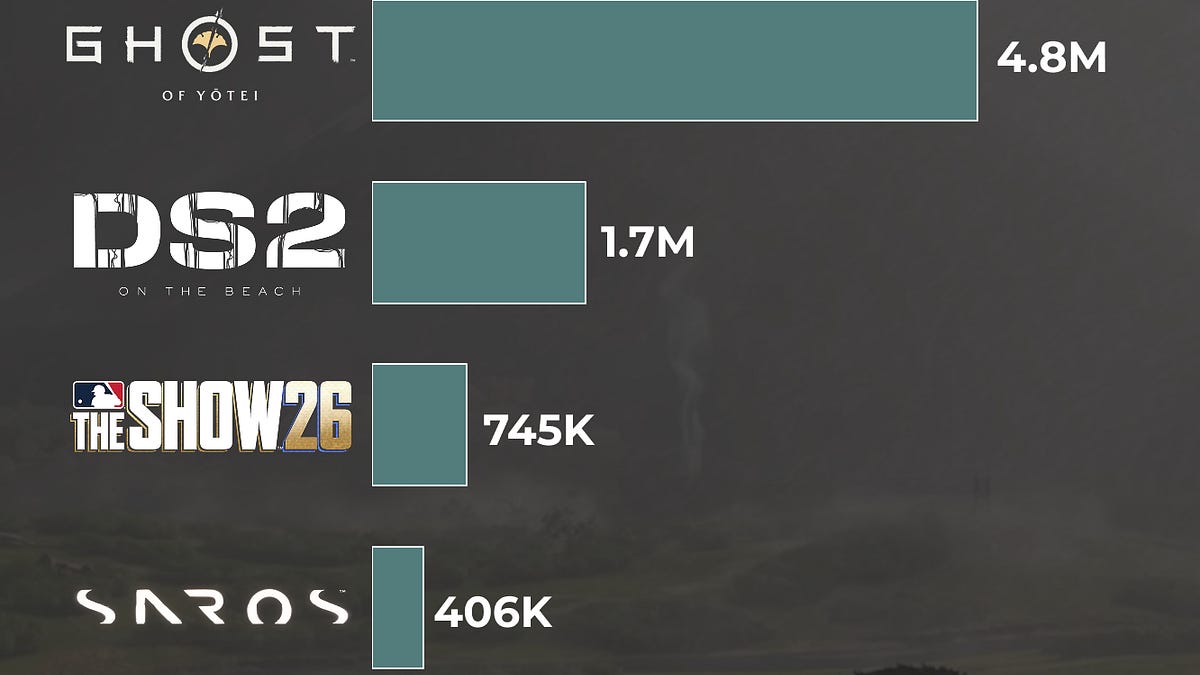
- Ghost of Yotei, launched October 2, 2025, has been a significant success for PlayStation, selling 4.8 million copies and generating almost $350 million in revenue on PS5 alone.
- Death Stranding 2: On the Beach, a second-party title, sold 1.7 million copies on PS5 ($116M revenue) and an additional 600,000 copies ($35M revenue) after its PC port on March 19, 2026, bringing its total to 2.3 million copies and $150 million.
- The release of PC ports for games like Death Stranding 2 and Stellar Blade has shown a positive spillover effect, boosting sales on PS5, even without discounts in some cases, by increasing cross-platform marketing visibility.
Saros: Sales Performance and Industry Estimates
The release of the PlayStation 5 exclusive Saros, developed by Housemarque, has yielded a lukewarm commercial performance in its initial two-week window.
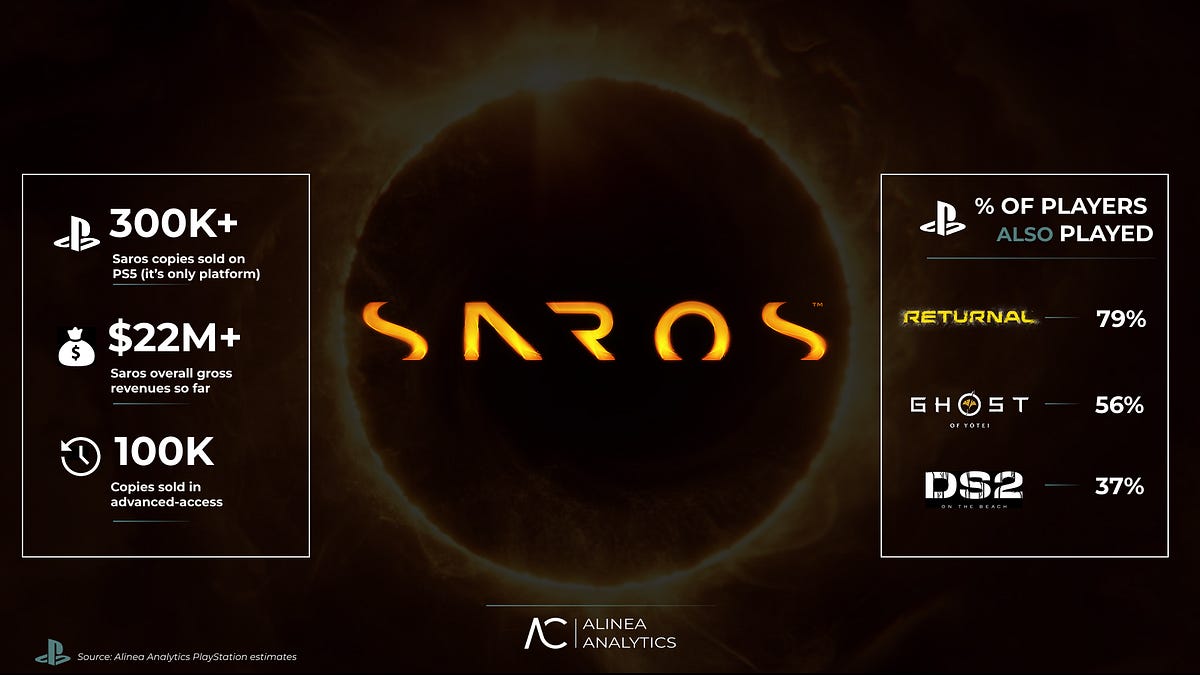
- Saros, Sony's first big 2026 exclusive from Housemarque, sold over 300,000 copies and generated over $22 million in revenue in its first two weeks since launching on April 30th on PS5.
- Despite a PS5 install base of 93 million, Saros sold slower than Returnal did at its launch when the PS5 install base was only 8 million, indicating a lukewarm start for the niche title.
- The PlayStation hardcore audience is driving Saros' sales, with 56% of players having previously played Ghost of Yotei (Oct 2025), 37% Death Stranding 2 (June 2025), 11% God of War: Ghost of Sparta (Feb 2026), and 8% Marathon (early March 2026).
14 Trends for the Next 5 Years of PC and Console Games
The article projects how PC and console gaming will evolve over the next five years, drawing on device-penetration data from Asymco and industry commentary.
- The addressable device market for gaming is shrinking significantly, with console penetration projected to drop from ~10% in 2010 to ~3% by 2030, and PC penetration falling from over 70% to ~12%.
- The PC market is rated a B- due to high profitability for well-positioned titles, while the console market receives a C- rating as console sales for most titles are projected to remain below 50% of PC totals.
- PC developers face a challenging landscape characterized by extreme title saturation, high cost bases for veterans, and margin erosion caused by persistent discount pressure on new releases.
Three Years of the Digital Markets Act
The article evaluates the European Commission’s first three-year review of the Digital Markets Act (DMA), focusing on its impact for the video-game sector.
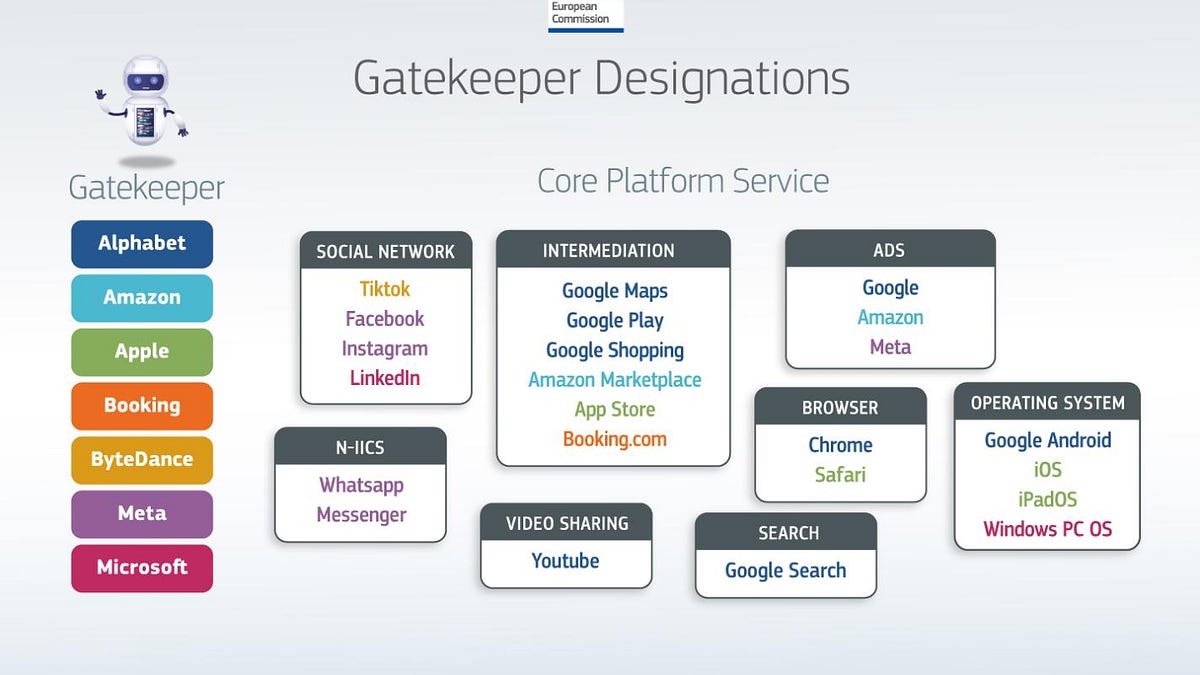
- The European Commission’s April 28, 2026, review of the Digital Markets Act (DMA) concludes that the regulation is fit for purpose, citing increased competition in app stores, browsers, and advertising transparency among designated gatekeepers like Apple, Google, and Microsoft.
- Enforcement actions have successfully prevented Apple and Google from blocking customer steering to third-party stores, facilitating high-profile outcomes such as the return of Fortnite to iOS.
- Industry bodies like the European Games Developer Federation report only modest gains, criticizing the DMA for persistent gaps in data portability and a failure to regulate game-engine gatekeeping.
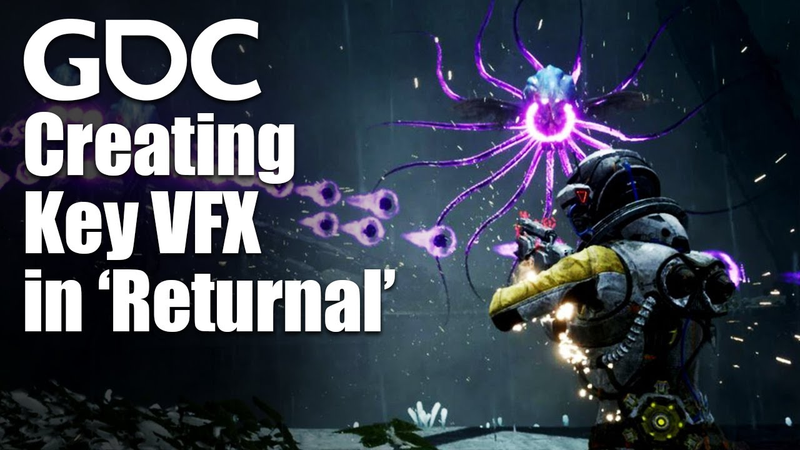
Can We Do It with Particles?: VFX Learnings from 'Returnal'
Housemarque’s development of the 2021 title Returnal leveraged a proprietary, GPU-based visual effects engine to achieve complex environmental and character effects.
- Housemarque utilized a proprietary, GPU-based VFX engine, originally developed in 2014 and integrated into Unreal Engine, which relies on custom HLSL-based code rather than pre-built nodes to achieve high-performance particle systems.
- The engine employs particle hierarchies, or 'node particles,' allowing child particles to reference parent data to procedurally generate complex structures like tentacles and destructible objects.
- By treating particles as control points for curves, the team implemented efficient tube rendering that manages complex movement and player collisions with minimal performance overhead.
The Game Industry of Finland 2020
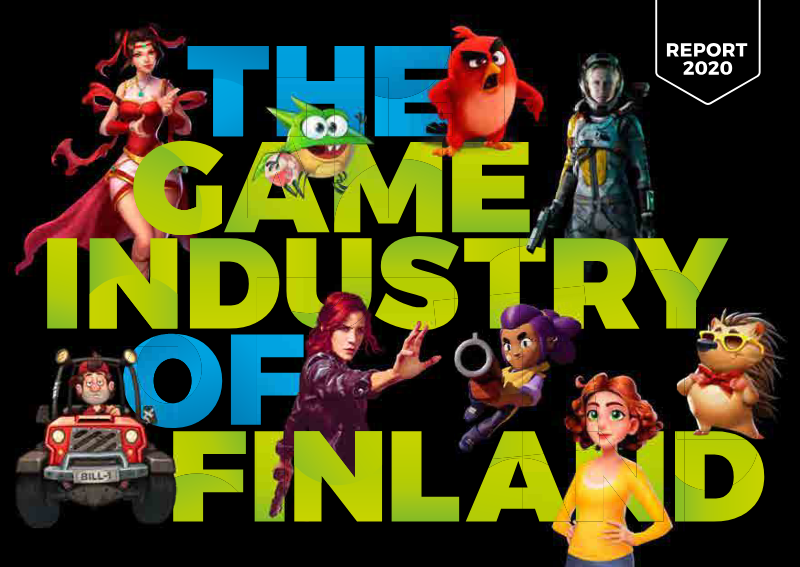
The Finnish game industry has transitioned from a hobbyist niche into the nation’s largest cultural export, maintaining an annual turnover exceeding €2 billion for six consecutive years.
- The Finnish game industry generated €2.4 billion in turnover in 2020, marking six consecutive years of exceeding the €2 billion threshold.
- Industry stability has improved as Supercell’s share of total turnover declined to 54%, supported by a maturing 'middle class' of 46 studios each generating over €1 million annually.
- Despite a consolidation in the number of active studios to approximately 200, the sector reached a record high of 3,600 professional employees.
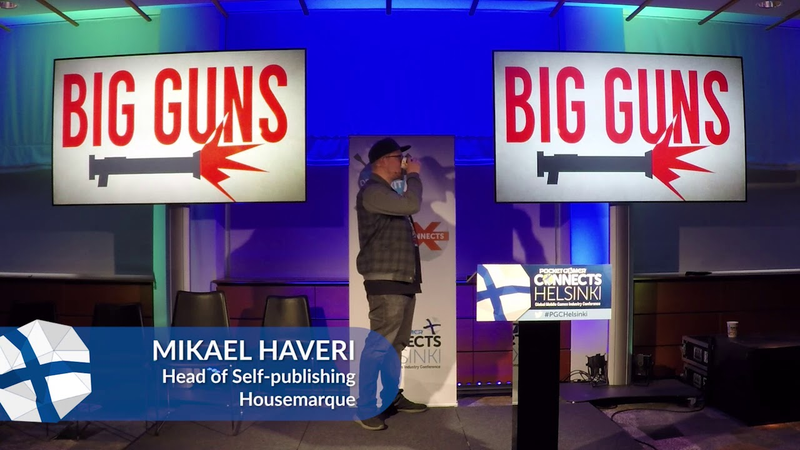
Housemarque on battle royale with cheese
Housemarque’s development of the title Stormdivers represents a strategic pivot from the studio’s traditional arcade-focused heritage toward the competitive battle royale genre.
- Housemarque is pivoting from its arcade-focused heritage to the battle royale genre with the development of Stormdivers, a project initiated in 2015.
- The studio aims to differentiate Stormdivers in a saturated market by replacing static map design with dynamic, randomized environmental events like tornadoes and volcanic eruptions.
- Core gameplay mechanics prioritize high-intensity action, utilizing class-based movement systems such as jetpacks and gliders to emphasize verticality.