ArticleVideo Games Industry Memo
Three Years of the Digital Markets Act
30 Apr 20261 pages~15 min full read
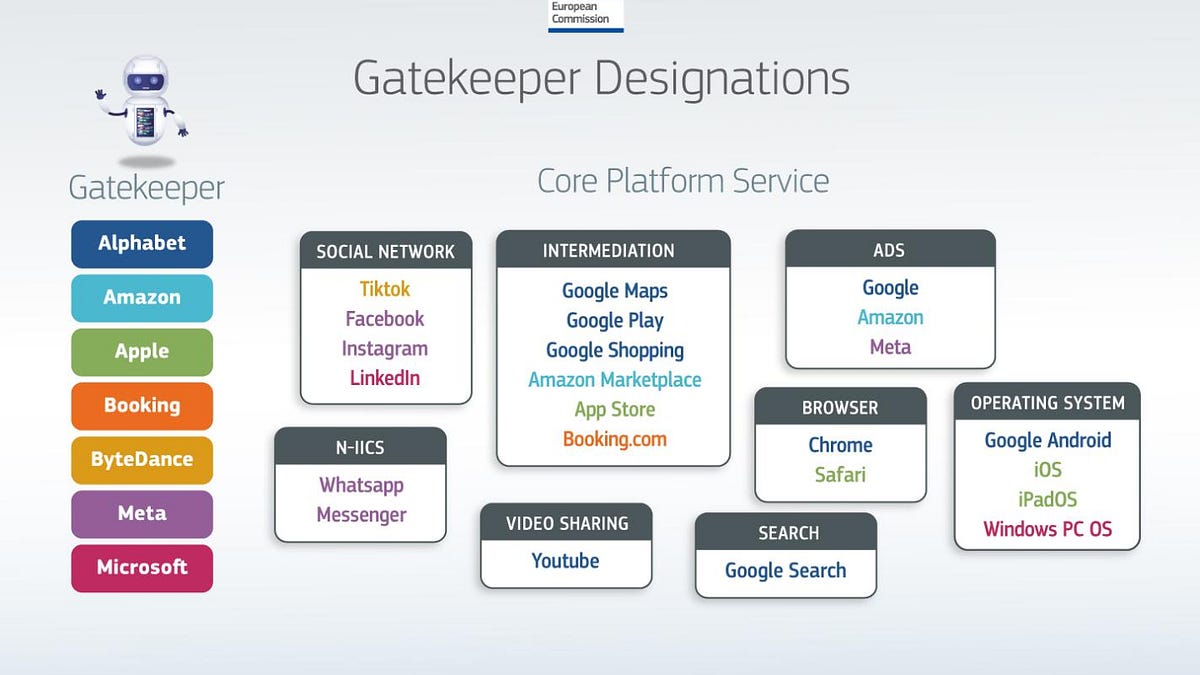
The article evaluates the European Commission’s first three‑year review of the Digital Markets Act (DMA), focusing on its impact for the video‑game sector. The DMA, enacted in 2023, targets “gatekeeper” platforms—Alphabet, Amazon, Apple, Booking, ByteDance, Meta and Microsoft—to curb anti‑competitive practices in core services such as app stores, advertising, social media discovery and operating systems. The review, released 28 April 2026, claims the DMA remains fit for purpose and has opened new opportunities for businesses and developers. It cites increased availability of alternative browsers and app stores, greater transparency in advertising costs, and enforcement actions that prevented Apple and Google from blocking customer steering to third‑party stores.
However, the assessment acknowledges limited measurable gains for game developers. While Fortnite’s return to iOS stores and broader direct‑to‑consumer pathways illustrate some benefits, industry voices such as the European Games Developer Federation rate enforcement successes modestly and criticize gaps in data portability, lack of coverage for game‑engine gatekeeping, and slow regulatory response. The review notes the DMA has not yet reached full potential, partly because it excludes cloud and AI services that have surged post‑implementation.
Geographically the focus remains on the EU, with implications for global markets that have followed suit in Brazil, Japan, India and the UK. Methodologically, the Commission’s report draws on internal data and stakeholder feedback but remains intentionally vague, mirroring earlier GDPR reviews. The article concludes that while the DMA has nudged competition in gaming, its long‑term effectiveness depends on continued enforcement and expansion to cover emerging digital infrastructure.

Video Games Industry Memo · 2026

Video Games Industry Memo · 2026

Video Games Industry Memo · 2026
Video Games Industry Memo · 2026

Video Games Industry Memo · 2026

Video Games Industry Memo · 2026

Video Games Industry Memo · 2026

Video Games Industry Memo · 2026

Video Games Industry Memo · 2026

Video Games Industry Memo · 2026
Video Games Industry Memo · 2026

Video Games Industry Memo · 2026
Nacon

IGN Entertainment · 2026
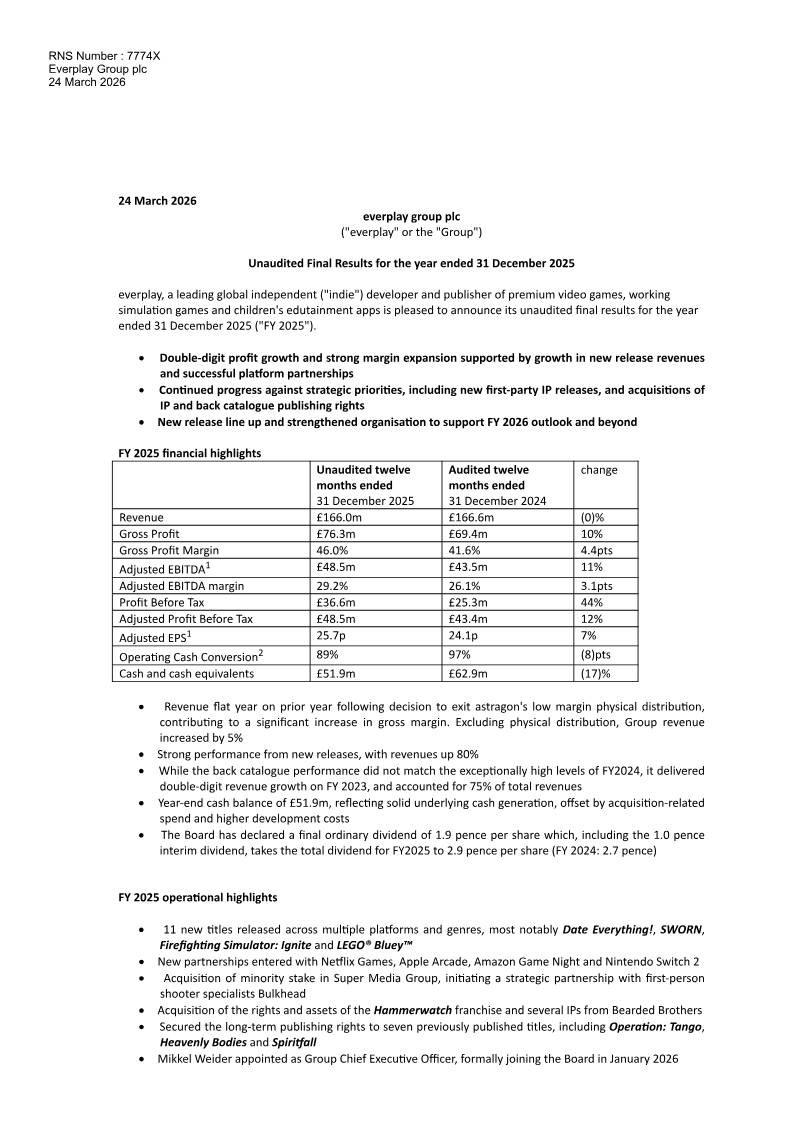
Everplay Group · 2026
Capcom · 2026

Square Enix · 2026
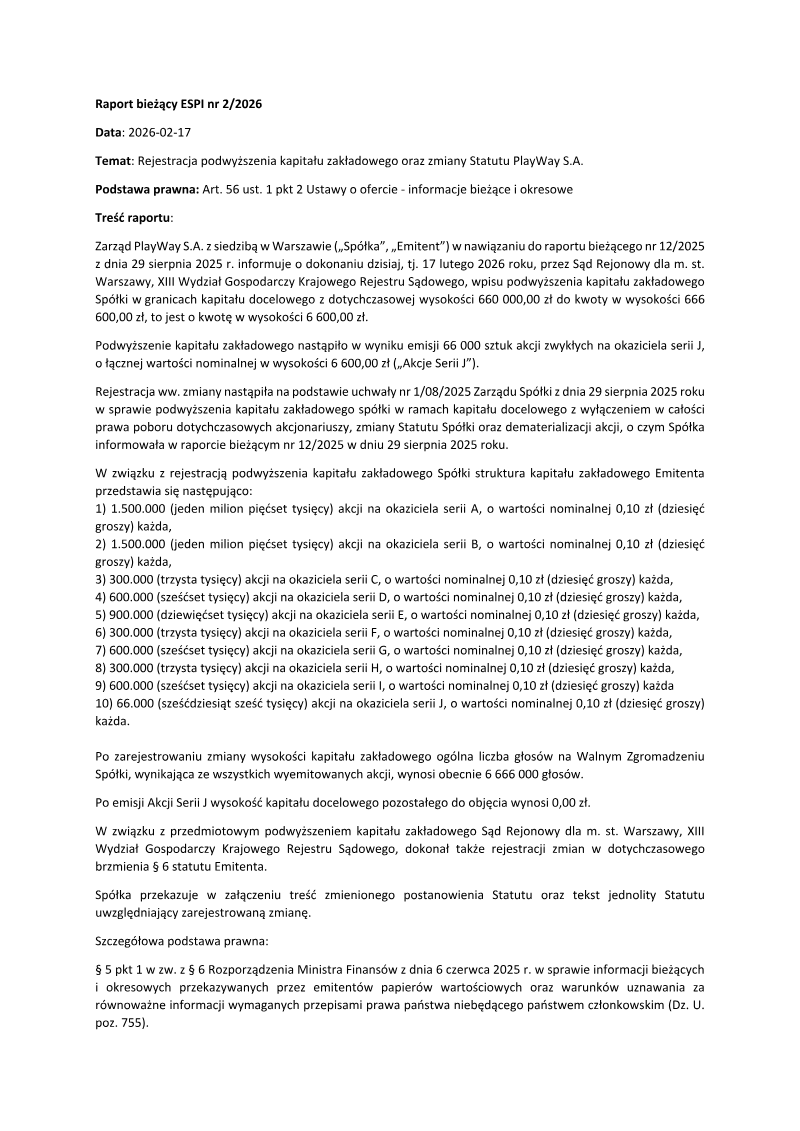
PlayWay · 2026

Coda · 2026

Square Enix · 2025
Rokky · 2025
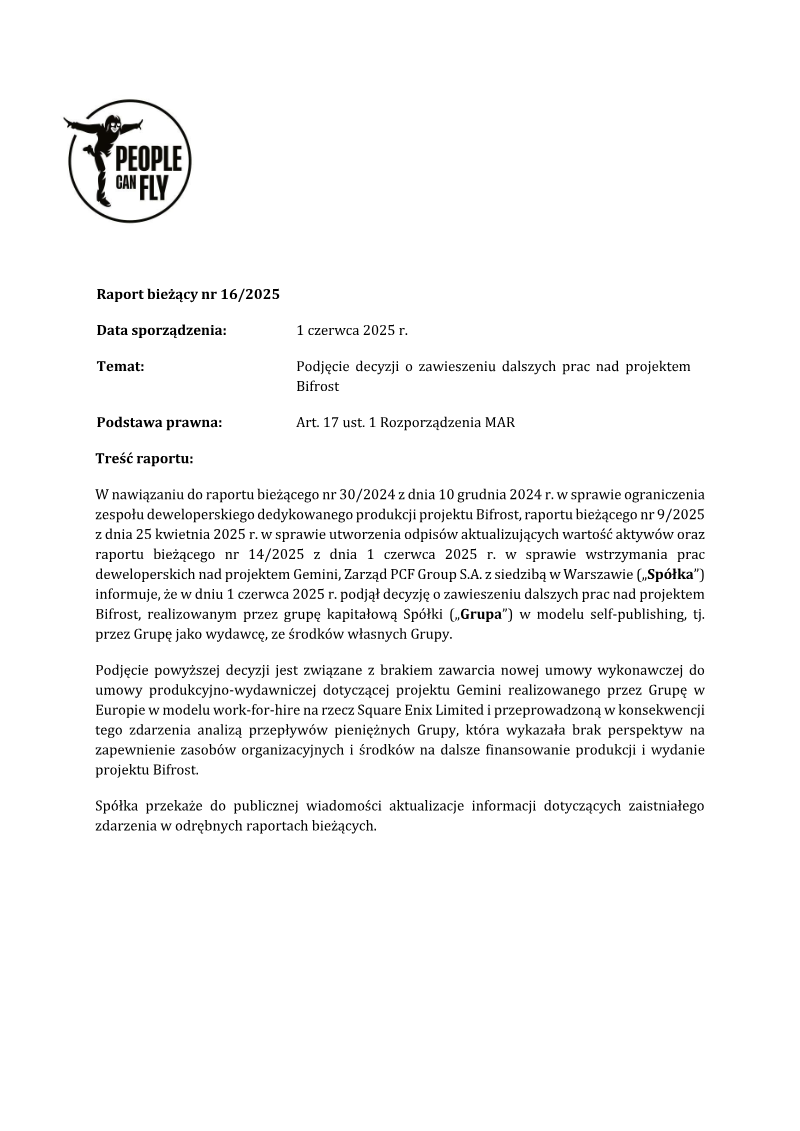
PCF Group · 2025
11 bit studios · 2025
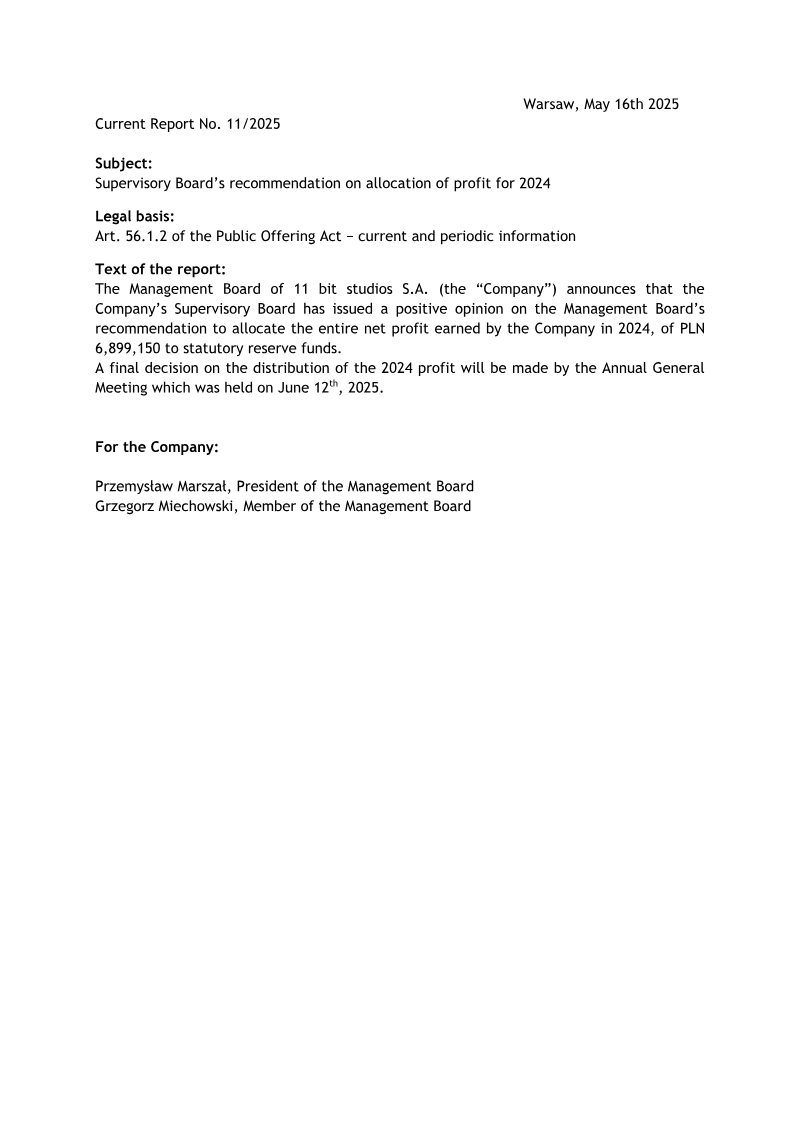
11 bit studios · 2025