Gram Games
Company
Documents about Gram Games
The Game Server Hosting Company Private Equity Couldn't Buy
BisectHosting serves as a primary case study for sustainable, founder-led growth within the game server hosting industry.
- BisectHosting has scaled to nearly 100 employees and hundreds of thousands of customers across 140+ countries over 15 years without raising any outside capital.
- The company maintains a remote-first, independent structure and has repeatedly rejected acquisition offers from private equity firms to preserve its operational culture and focus on customer support.
- BisectHosting provides 24/7 support coverage by leveraging a distributed team structure, originally established through a US and UK split.
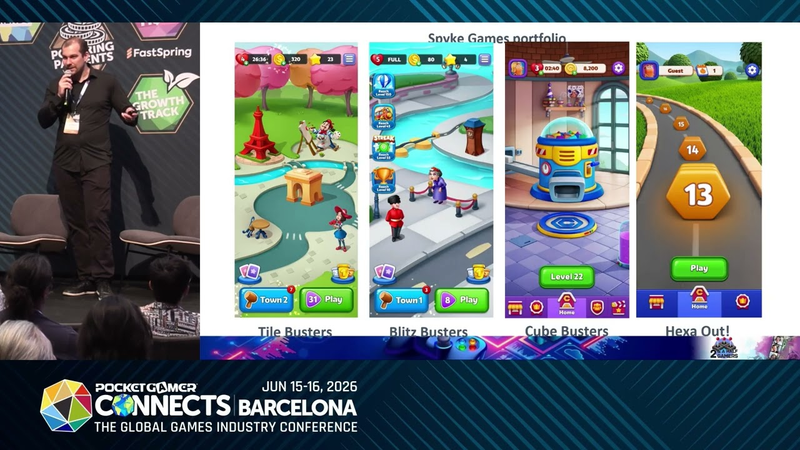
Session: Winning Portfolio Strategies Of 2026 - Jakub Remiar, two & half gamers.
The current mobile gaming landscape is defined by a shift toward systematic, data-driven portfolio management rather than reliance on individual hit titles.
- Successful mobile game portfolios rely on 'template-ization,' where developers build a reusable engine for a specific genre, allowing them to salvage work from failed projects to accelerate the development of future titles.
- Companies like Gram Games operate like the 'Warren Buffett of puzzle games' by identifying high-traffic, ad-monetized genres and converting them into high-revenue IAP (in-app purchase) models through superior execution and polish.
- Radical innovation, such as the mechanics seen in 'Pixel Flow' or 'Screw Jam,' offers the highest potential for success but requires deep, long-term genre expertise to identify and implement meaningful improvements to existing core loops.
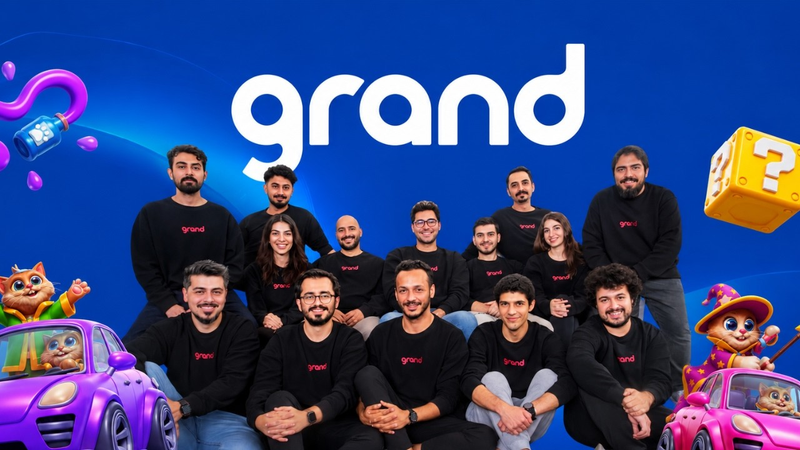
How the Future Looks Like for Grand Games
The Turkish mobile gaming sector has emerged as a global powerhouse, characterized by high-quality production standards and a robust, government-supported ecosystem.
- The Turkish mobile gaming sector has established itself as a global powerhouse by proving that high-quality studios can compete internationally without relocating to traditional tech hubs like London or Helsinki.
- Government-backed financial subsidies significantly de-risk startup development by covering partial marketing and tool expenses, effectively extending the operational runway for founders.
- State support programs are highly effective because they are designed in direct consultation with entrepreneurs to ensure mechanisms remain practical and aligned with industry needs.

Puzzle Monthly #3: the Merge 2 Secret Tell-All Episode
The merge genre has reached a critical inflection point, transitioning from simple board-based mechanics to complex, live-ops-driven ecosystems.
- The merge genre is shifting from simple board mechanics to complex, live-ops-driven ecosystems, with titles like Gossip Harbor successfully challenging legacy giants like Candy Crush.
- Commercial success in the genre is now driven by aggressive, event-based monetization strategies rather than the foundational merge gameplay itself.
- To combat the friction of board clutter and tedious inventory management, developers are increasingly adopting temporary event boards, generator constraints, and multi-board systems.
From Mobile Games to Apps: Inside Play Ventures' $500M Fund
Play Ventures has evolved its investment strategy from a mobile gaming focus to a broader mandate encompassing consumer applications.
- Play Ventures has expanded its $500M fund mandate from a mobile gaming-only focus to include broader consumer applications, leveraging shared expertise in user acquisition and subscription monetization.
- The firm mandates two-year vesting cliffs and utilizes behavioral assessments during due diligence to mitigate the risk of co-founder conflict, which they identify as a primary determinant of early-stage failure.
- Investment decisions are made through a non-hierarchical structure where any team member can challenge a deal and only a minority of partnership votes are required to proceed.
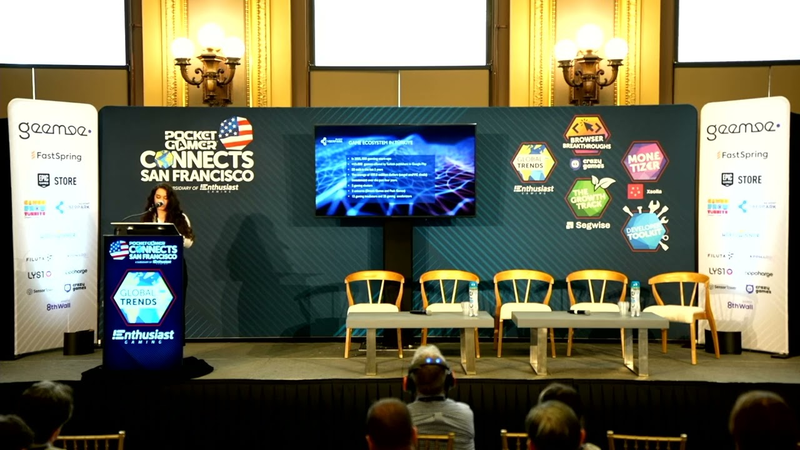
Session: Türkiye’s Game Development Boom – A New Hub For Innovation & Investment - Irmak Tamgac.
The Turkish gaming ecosystem has evolved into a globally competitive hub for innovation and investment, characterized by a self-sustaining cycle of talent development and high-value exits.
- Türkiye’s gaming ecosystem has matured into a global hub, currently hosting over 815 gaming startups and producing more than 13,000 games on Google Play.
- The sector has seen significant high-value exits, most notably Zynga’s acquisition of Peak Games for $1.8 billion in 2020 and subsequent acquisitions of Rollic Games, cementing Türkiye's status as a major player with two gaming unicorns.
- The industry is diversifying beyond its traditional mobile and hyper-casual roots, evidenced by the breakout success of PC titles like 'Liar's Bar' and 'Supermarket Simulator' on Steam.
TWIG #176 LIVE from Istanbul!
The gaming industry currently faces a critical tension between traditional corporate management strategies and the unique creative requirements of game development.
- Generalist management consulting firms often harm game studio culture by prioritizing short-term cost-cutting over the creative collaboration essential to successful developers like Peak and Gram Games.
- Sony’s PlayStation Plus strategy is constrained by a reliance on traditional hardware and software sales, preventing it from adopting the aggressive, loss-leading subscription model utilized by Xbox Game Pass.
- Regulatory efforts to dismantle Apple’s high-margin digital services model have been largely performative, as the convenience of the Apple App Store and Google Play creates insurmountable barriers for alternative storefronts.
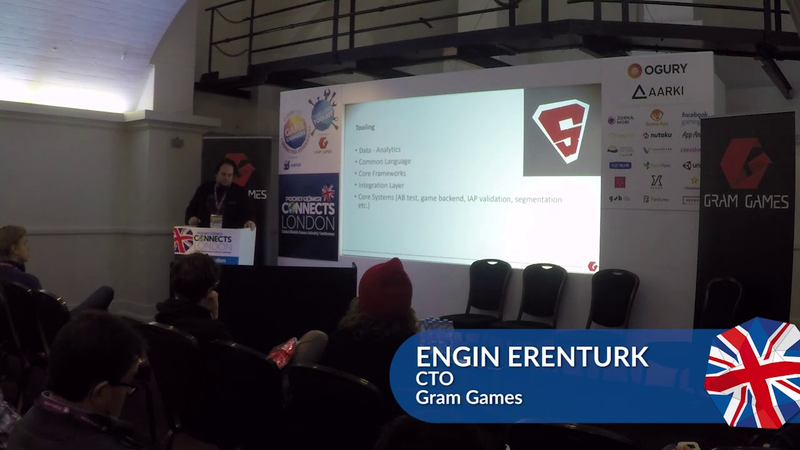
Gram Games on iterating your development pipeline as you grow
Gram Games utilizes an iterative development pipeline designed to scale effectively as a company grows from a small startup to a larger organization.
- Gram Games mandates a strict prototyping benchmark of 40% to 45% day-one retention to qualify a project for the soft-launch phase.
- Development teams are structured as lean, ad-hoc units consisting of one developer, one artist, and one product manager tasked with building a playable core loop in one week.
- The company utilizes a proprietary dependency management system to automate SDK and third-party tool integration, eliminating boilerplate tasks like A/B testing setup.
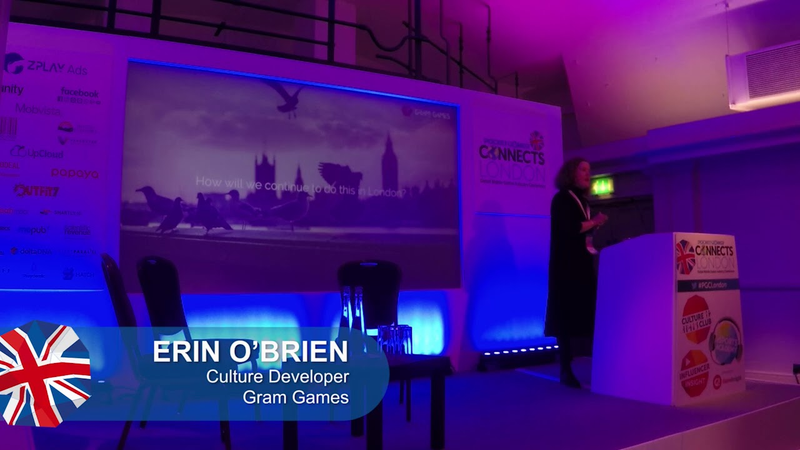
Prototyping and production process – The core of the Gram Games company culture
Gram Games, a mobile game developer with offices in London and Istanbul, maintains a unique organizational philosophy that treats company culture as a product requiring constant iteration, bug-fixing, and development.
- Gram Games treats its organizational culture as a product that requires constant iteration, bug-fixing, and development to maintain a high-performing environment.
- The company operates on a flat organizational structure that removes traditional management hierarchies in favor of data-driven and evidence-based decision-making.
- Operational success is built on five core tenets: a flat structure, constant iteration, a familial environment, a commitment to learning from mistakes, and transparent communication.
Monetisation revealed – stories and data behind ad revenue success
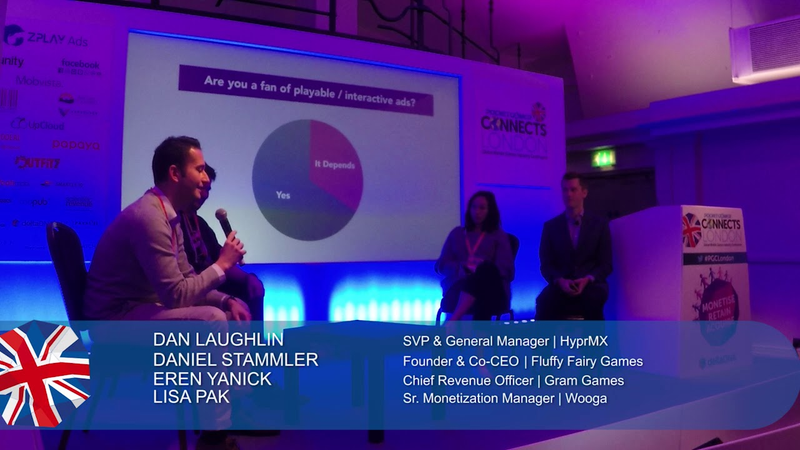
This panel discussion explores mobile game monetization strategies, focusing on the balance between ad revenue and user experience.
- Prioritize long-term player retention over short-term revenue gains by ensuring monetization strategies are deeply integrated into the core game loop.
- Implement only voluntary, opt-in ad formats, such as rewarded videos, to avoid the negative impact on user experience associated with intrusive interstitials.
- Utilize multiple ad networks through mediation rather than relying on a single source to ensure competitive bidding, higher fill rates, and better ad quality.
Making a global hit - The road to Six!
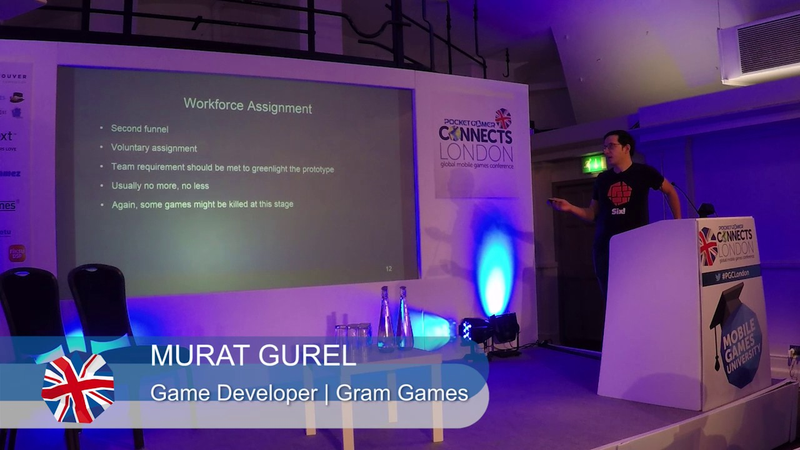
Gram Games utilizes a structured, rapid prototyping methodology to identify and develop global mobile gaming hits, as evidenced by the success of titles like Six!, Merged, and 1010!.
- Gram Games validates potential hits by targeting a day-one retention rate of 40% to 45% during a 'fake launch' phase on app stores.
- The studio enforces a strict two-day time limit for all prototypes to prioritize core gameplay mechanics over high-fidelity art or complex animations.
- Development teams are formed voluntarily and must include at least one developer and one artist to ensure the production of a functional, playable demo.
Developing culture as product: How Gram Games sets itself apart
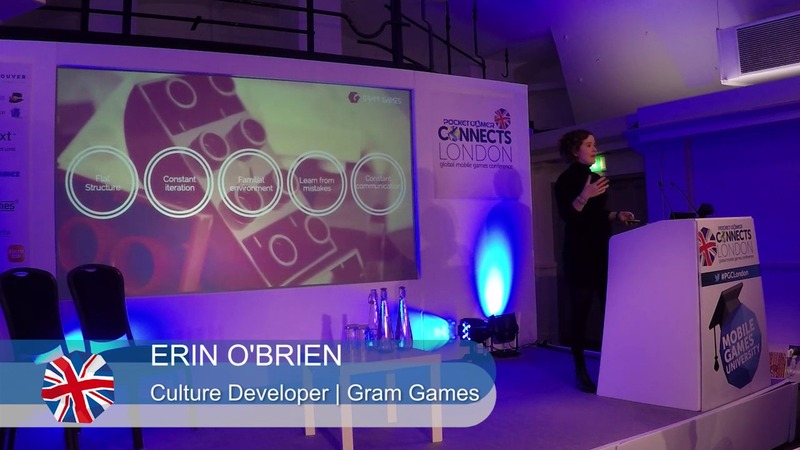
Gram Games operates on the core thesis that organizational culture should be treated as a live, iterative product rather than a static set of rules.
- Gram Games treats organizational culture as a live, iterative product by applying the same rigorous development and maintenance cycles used in their game production.
- The company utilizes a flat organizational structure that replaces traditional hierarchies with fluid responsibilities to encourage innovation and agility.
- To foster creative risk-taking, the studio mandates weekly prototype days where all employees, regardless of role, pitch and develop new game concepts.