1 free read left. Create a free account for unlimited reading + AI research.
Create free account
Making a global hit - The road to Six!
Key insights
6 takeaways- 01The company employs a democratic ideation process that encourages employees from all departments to contribute new game concepts.
- 02The studio enforces a strict two-day time limit for all prototypes to prioritize core gameplay mechanics over high-fidelity art or complex animations.
- 03Development teams are formed voluntarily and must include at least one developer and one artist to ensure the production of a functional, playable demo.
- 04Mandatory documentation of all prototypes serves as a repository for institutional knowledge, allowing teams to avoid past mistakes and reuse UI assets.
- 05Gram Games validates potential hits by targeting a day-one retention rate of 40% to 45% during a 'fake launch' phase on app stores.
- 06Full code rewrites are only initiated after a prototype successfully meets performance metrics during the fake launch, ensuring scalability for global release.
Ask AI about this video
Transcript
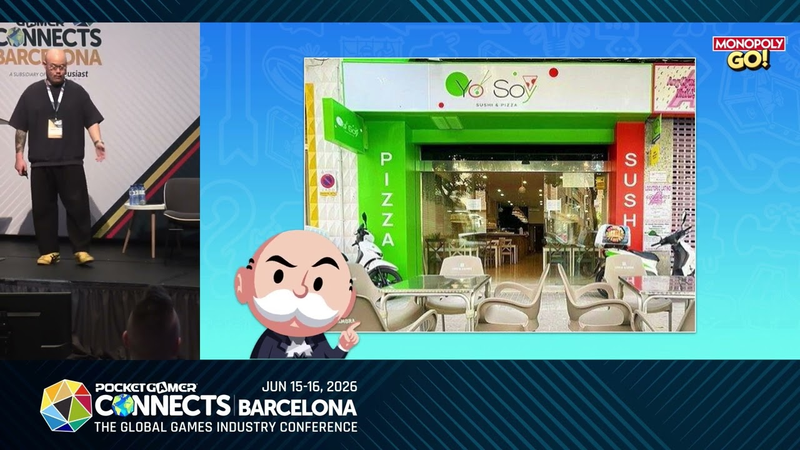
[Music] thank you for coming I'll be talking about making a global hit throughout the six which is our latest game to give you a bit employ about myself I've been working at ground game for one and a half years now and i've been i've been in the industry for around four years i worked on merged but i was in from well when i was working at graham games and still is sorry so I didn't develop six myself but I've been involved in the prototyping several times it's probably around like I works on 30 prototypes right now in that one and a half years so i will give you the same process that we have for all of our games really because that's some anti got released merged got released and the latest six
now those of you are not familiar with our games tan-tan which is our first game is currently downloaded 75 million plus overall and our second game merged which was downloaded over 1 million in its first week and got placements number one placements in puzzle and in overall in 38 countries the overall was I think eight countries and the latest one which is I'm gonna be talking about is sick and it it was even better than the previous one it was downloaded 2 plus million in just first underfoot a one week which is the first week and overall we have 100 million downloads so how did we decide to release these games and what got what's our third fourth game will be or the fifth one to do that i
will give you the story of a gram game so i have to introduce you to an hypothetical employee HEV miss grey most important about Miss Graham is that Miss Graham can be anyone in the company we include everyone from finance to HR they're all encouraged to give ideas and work on prototype production they can be just game designers for that day or maybe testers or just give ideas for the people but we encourage everyone to speak up and join the prototyping production the ideation is pretty simple you don't have to do anything fancy we have a gamer culture obviously so people play games and people come up with games while they're playing it like or what about this or maybe people are frustrated because the lack of a proper game in a certain genre or they might have fancy ideas like what about tan tan with dragons we get that sometimes even
though you have an idea it doesn't make it a prototype it's just it's not just an idea you should have a plan because you will have limited time for us it's two days I'll come back to that but you should just keep your scope so that you can fit the game in that two days or whatever time limit you have and you also need to define how many people you meet in that prototype one designer maybe is enough or maybe you need to because you're going to create a prototype with levels so you need someone to do the levels as well second you should have an intent yeah it's not just making games we're trying to make money so we are trying to learn about the games that we do so people usually have intense like I want to test this core gameplay or I will attach this team or control so you should have that
before you're ready to present it to the company now I told you that we have today limits so that means that you cap of everything in that game in that today because it it will be development heavy so you probably don't need fancy art or animations or features wise designer once told us in a prototyping presentation that do you really need a production-ready character with animations to test if a boss battle works or with two circles and rectangles simulating the attacks do the same so we follow this usually because he's telling this like every week maybe so you don't need fancy art to just test the core gameplay or the controls you want you can just add them later if the data is good or if everybody likes the game in the company really now that you have your plan and your intent the next step
is documentation some people might turn at the stage because it's boring but it's a nice way to formulas your ideas because we require some stuff in that documentation that will make you think about the game more I'll come back to that in a second it is accessible by everyone we use components in the company so everybody can just look up to the documentation really and see what other people are thinking about or maybe the previous games because it also provides a backlog so we can always go back and see ok we did this we tried that let's maybe we can merge these together or maybe this prototype didn't work well so we're not going to use this in the new one which is always nice to keep documentation the things that we look for new documentation which basically is the summary what the game is about the core mechanic obviously and the cold loop you don't have to put all of them obviously because you might not
be a designer but you can't get the one of your colleagues to help you at the stage if you don't know how to write them the time required is usually required input from developers and designers or artists and the team required now we put two day limit but it doesn't obviously the time required can be up to two days but it doesn't have to be can be finished in one day as well if it's a small game and the games that i'm talking about actually our casual games this is what we use for prototyping casual games now all of after all of that it's the presentation time this isn't anything fancy we just gather around you don't have to do any presentation yourself you can just use the document and go over it nobody's there so everybody will be walking after this you just get up and if you have an idea we go to the documentation but we
go to the documentation but in detail because there might be some stuff that you overestimated all underestimated so people give inputs and we just discuss like it is doable in two days or maybe you need more developers maybe you shouldn't do it this way or split the game into to try this first in the first week and then we can move on to be like upgrade the idea maybe or the prototype and now wadding now since everybody is there everybody's going to vote and this for us shows demand but this voting shouldn't be just like well I like this game it's more like I want to see this game in store because it might be good for us that's what you should keep in mind when you're voting and at this stage some get some games might be killed if they're not killed forever obviously they are just frozen and we can just start over after some time if
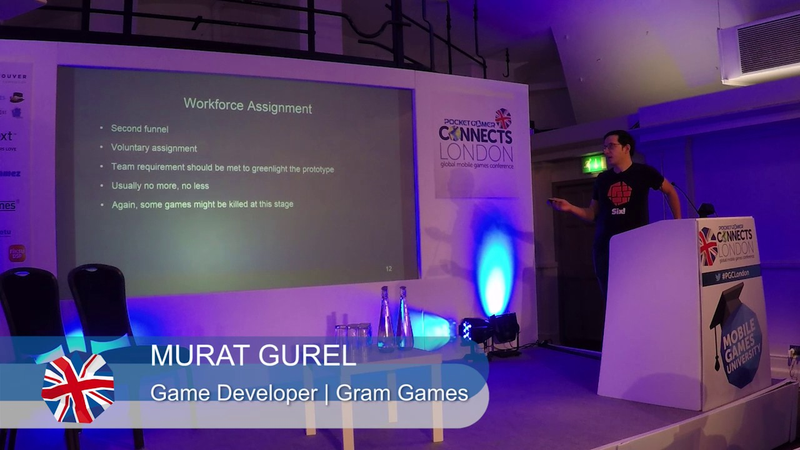
they represent it again but if nobody wanted to see that game on store so there is no reason to develop it we can just do at any other time or maybe iterate on the game to work fortune sign ones now this is our second funnel more thing doesn't mean the day the game is going to develop itself units they will oppose artists and designers and this is all done voluntarily you work on what you want to work on so you just raise your hand up I'm a developer so if I want to develop that game I just raised my head up and write my name down there and the team and the team requirement is met we greenlease the prototype usually no more no less because well more doesn't really help because the other person just sits around them and we don't allow this because she obviously needs at least one developer and probably an artist as well and those games can be frozen at this stage as
well if they don't have the team requirement so people usually go around and ask friends like colleagues or can you help me with this and now find teammates now all this done as i said we allow for two days for our prototypes a playable demo is required on the first day this is important this is for you to keep the scope small because we believe that you can actually prototype the core gameplay in just one day and present it to the company when you present we let other people play like our colleagues and get feedback from them so that we can enter it or if the prototype isn't turn out as you wanted it to you can just kill the game yourself and maybe start over in an expert typing session I like to give some things to consider these are based on my personal experiences all game development is
obviously like older heavy so it is best for you to have a base project because that helps a lot usually the games have a much in common like you will need a scoring system or maybe a life and high score you we always put another thick strong against because we want to measure what's going on inside the game so analytics framework should begin and all set up and well persistence for example you might want to persist clear data as well and we put them in a base project that is done by our colleague so what we do is we just check out that project and build upon it which helps us in the first day especially just focusing on the core gameplay and iterating the game making it fun the same goes for artists as well they're going to be doing store images app icons on game assets so we tried to
reuse art in our prototypes because it takes time it's just not worth it to burn them down because we're doing them all over again every single thing if start button pause button top bar and blah blah so we have them somewhere in our dropbox so we just use them all over again if you need big iterations after the first day or maybe in the middle of the first day it's better to just kill the prototype and start all over again because you already have two days and you lost one and in that single day you will need to do everything all over again which is just too much hustle and it probably will be a bad prototype because you just put things in a really quick way so it's better to kill it and present it again maybe keeping the scope small decide what we require for the end prototype first of all the intent should
be tested if you're going to test the team the team should be there obviously and it should be smooth some prototypes are just jaggi like or does it feel right and we don't want to publish them obviously so you should have a smooth core gameplay angry you should focus on that mostly and it's integrated we're measuring day one retention I'll come back to that and you need store images and icons so this build that you get after the two days should be store ready with a smooth core gameplay I've already talked most of this stuff but i'll just go over quickly what we do on the first day on the second day well we check out our base project which has the main menu and pause menu so we start with the core gameplay that we want to test we create the initial mechanics and then we iterate with the design over and over
again until we are satisfied let me show it to other people and get feedback from them and then either is more this takes a lot of time most of the time really and then we presented to the company which enables us to get feedback from other people and see this is actually kind of a user testing as well because we're looking at the our colleagues playing them so we see if you stay didn't get it or if they didn't understand the controls if they're struggling with it it's nice to show your colleagues and get feedback on the first day you can as I said you can kill the game if it's not fun or if people didn't think it's fun the second day now after building the core gameplay you should be making a story the APK or IPA so you need you span we usually spend this time being polishing like editing maybe a basic tutorial maybe still images or maybe an interactive tutorial
just a simple one though because it it takes time we might add some custom erratics event for example if it's a level based game we just send which level the user is playing at that moment all I don't know other stuff and yeah the icons and images are all edit and after this day it's already and Santa our colleagues to put it on store now that's the fake lunch time we completed games are put on store and at this stage we wait for data we look at the day one retention here because well the day seven intention is going to be shitty the game that you did in two days and you won't have many content in it either so they want attention enough and we use the industry standard for that it's we usually like search for look for forty forty-five percent or above they they want attention yes and if we have that
they won retention or if it looks promising somehow it can be green with the soft launch we just decide these things ourselves we get around and say that okay this way this game looks good the data is good so we can move on with it now comes the soft launch well in the fake launch phase we might do more tests like okay the divine intention is 40 or maybe we do this so they may increase or decrease it they want attention we just have a look around and test and that actually gives us our initial data to in the soft launch as well you're not just going blind we are actually looking the data from the fake launch to see which features to go that should go into the soft launch we do a complete rewrite here because the fake launched game
which is the prototype itself is done in two days so we don't want CODIS to write clean code at this stage just put some things together make a core gameplay and make it fun that should be it and that's enough for the day one intentional movie with some cool art obviously you I but for the soft launch everything starts from scratch with Queen code with our general libraries etc we documented again this is important because we will be trying a lot of stuff on soft launch as well so we just documented what we tried what was the data and why did we go about going in that direction well as I said video a lot of internal testing at this point with constant pills we have a build service we are using the unities one currently but going to change and we roll out updates usually every week for the new games and see how
people react we get feedback from slack usually all they can put it on confidence as well and voila well this was this whole process that i told you about actual 826 now before that we did a lot of iterations without prototyping process and merged and tan tan were both prototypes at first like this the process was a bit different may for example we tried do not two days prototypes but give them a week just one week in maybe a month and let them beside themselves how long is connected it didn't work for us so this is usually it is enough my overall like they're both similar in their production thank you any questions yes do you propose the fake caller in any way we do use your accusation yeah and
you can we have actually our user acquisition manager here we have a booth outside you can go find them and ask what in a detailed way to the business locally or on fourth wife again you should ask the user acquisition manager there yeah he knows better so 3 yeah yeah those areas yeah you don't be locally we don't release it in Turkey but the exact countries you should ask me the acquisition manager for a walk over there was something ceramics is there oh you're at the back yeah hi and how frequently do this protest session how are coming up how quickly you do it it's every week so every
Friday we everybody stops what they're working on and we do a prototype and that goes on every week so the two days are not consecutive days we work on it one Friday and then stopped working on it get back to work the next week and then continue on it on the second friday and this goes on we don't really stop like it time to do it every friday one more and it is a quick one on how well we have I think 14 15 production team can't be working on the games I'm not sure sting count sorry yeah okay thank you [Applause] [Music] you
Summary
Gram Games utilizes a structured, rapid prototyping methodology to identify and develop global mobile gaming hits, as evidenced by the success of titles like Six!, Merged, and 1010!. The company’s development philosophy centers on a democratic ideation process where all employees, regardless of department, are encouraged to contribute concepts. This inclusive approach fosters a culture of constant experimentation, with the studio conducting weekly prototyping sessions to test new mechanics and gameplay loops.
The development process is governed by a strict two-day time limit for prototypes, which forces teams to maintain a lean scope and prioritize core gameplay over high-fidelity art or complex animations. Teams are formed voluntarily, requiring at least one developer and one artist to ensure a functional, playable demo. Documentation is mandatory, serving as a formal record of intent, mechanics, and lessons learned from previous projects. This documentation acts as a repository for the company’s institutional knowledge, allowing teams to avoid past mistakes and reuse assets like UI elements to save time.
Following the two-day build, prototypes undergo internal testing and peer review. If a project shows promise, it enters a "fake launch" phase on app stores to gather real-world data, specifically targeting a day-one retention rate of 40% to 45%. Only after meeting these metrics does a game proceed to a full soft launch, at which point the team performs a complete code rewrite to ensure scalability and quality. By emphasizing rapid iteration, data-driven decision-making, and a culture of voluntary collaboration, the studio effectively filters out non-viable concepts while rapidly scaling high-potential titles for the global market.














Comments