Discovery
CompanyJapan
Documents about Discovery
Discovery Takeaways From the New PlayStation 5 Store
The launch of the PlayStation 5 store provides a critical case study in console-based game discovery and platform navigation.
- U.S. consumer spending on video games reached $11.2 billion in Q3 2020, marking a 24% year-over-year increase driven by mobile, subscriptions, and hardware.
- The PlayStation 5 store prioritizes human-curated editorial content over algorithmic recommendations, making developer visibility heavily dependent on platform-controlled placement.
- Organic discovery mechanisms like 'best-selling' charts are currently underutilized in the PlayStation 5 store layout, limiting the natural discovery of smaller titles.
Microsoft's Rival Console Experiments & Discovery
Microsoft’s strategy regarding the release of its first-party titles on rival platforms, particularly the Nintendo Switch, appears to have been an experimental effort to extend the Xbox ecosystem beyond its own hardware.
- Microsoft abandoned its strategy of porting first-party titles to rival consoles like the Nintendo Switch by late 2020 due to fragmented user experiences and limited technical integration.
- Microsoft’s current platform strategy prioritizes the growth of the Game Pass subscription model over deep, cross-platform integration on competing hardware.
- Future third-party hardware support from Microsoft is contingent on the ability to implement a full, native Xbox ecosystem, including Game Pass and Xbox Live services.
Switch Game Discovery: Look on the Bright Side?
The Nintendo Switch remains a viable and potentially lucrative platform for independent developers, despite broader industry concerns regarding market saturation.
- The Nintendo Switch offers a more manageable competitive environment than Steam, with 30 to 40 weekly eShop releases compared to 180 to 200 on PC.
- Success on the Switch is primarily driven by high-quality, genre-specific titles, such as 2D Metroidvanias, that secure positive critical reception.
- Discounting is a vital discovery tool on the Switch, with recent platform updates highlighting sale duration and Nintendo Gold Points incentivizing purchases without necessarily cannibalizing full-price revenue.
Estimating Platform Revenues: A Discovery Conundrum
Predicting revenue distribution across various gaming platforms remains a complex challenge for developers and publishers.
- Revenue projections should move away from generic industry benchmarks in favor of a base-and-modifier model that adjusts expected earnings based on platform-specific audience alignment and store features.
- Platform performance is highly variable, as evidenced by 'The Gardens Between,' which saw disparate results across Steam, Nintendo Switch, and iOS despite being the same title.
- Strategic partnerships, such as inclusion in subscription services like Xbox Game Pass, act as significant revenue modifiers that disrupt standard sales-based performance expectations.
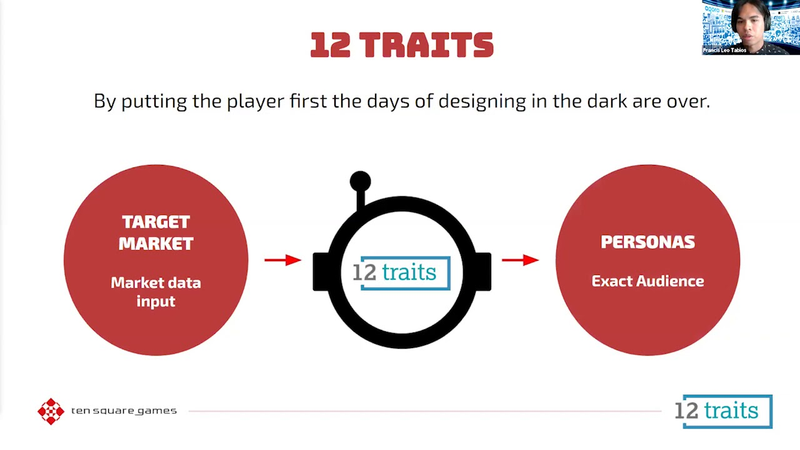
Reinventing the Discovery Process
The modern game development landscape requires a shift toward a player-centered discovery process that prioritizes rigorous validation before full-scale production begins.
- Studios must shift to a player-centered discovery process that mandates rigorous validation of game concepts, mechanics, and art styles before full-scale production begins.
- Development teams should utilize detailed, data-backed player personas—developed alongside behavioral research firms—to map psychological traits and motivations directly to monetization and design strategies.
- Integrating big data analytics into the discovery phase allows studios to replace generalized assumptions with targeted experiences that align with specific, sustainable market opportunities.
Finding Your Favorite Game - Game Discovery in a Crowded Market - Extra Credits
The modern gaming landscape is characterized by an overwhelming volume of content, which frequently prevents players from discovering titles that align with their personal preferences.
- The gaming market is saturated with over 30,000 titles on Steam alone, with thousands of new games released weekly across various storefronts, creating a significant barrier to effective discovery.
- High localization costs, which can start at 10 cents per word, frequently restrict game distribution to home regions and prevent global accessibility.
- Promotional ecosystems are heavily skewed toward blockbuster AAA franchises, which often results in high-quality indie projects being buried and overlooked by consumers.
Game Discovery Now Is Now the GameDiscoverCo Newsletter
The transition of the Game Discovery Now newsletter into the newly founded GameDiscoverCo marks a strategic shift toward a dedicated research and advisory agency focused on the video game industry.
- Simon Carless has transitioned the Game Discovery Now newsletter into GameDiscoverCo, a new research and advisory agency focused on premium PC and console game discovery.
- GameDiscoverCo is launching a paid subscription tier that provides access to 'labs-style' mini-dashboards for interactive market metrics.
- Data analyst Lars Doucet is collaborating with the agency to develop the analytical tools and data-driven context for the new subscription service.
Your Complete Game Discovery Primer
This primer serves as a curated repository of strategic insights regarding video game discoverability and commercial performance in the 2020s.
- Between 50% and 70% of all games fail to exceed 1,000 lifetime sales, highlighting the extreme difficulty of achieving commercial success in the current market.
- Steam wishlists serve as the primary metric for predicting first-week sales performance and are essential for gauging a title's commercial potential.
- Developers frequently undermine their own success by undervaluing games during the initial pricing phase and failing to build a dedicated fanbase before launch.
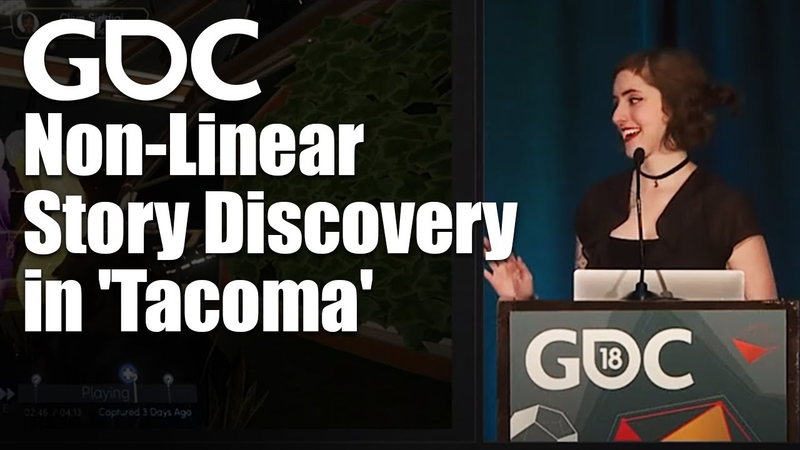
Designing for Non-Linear Story Discovery in Tacoma
The evolution of narrative design in Tacoma represents a significant departure from traditional linear storytelling, moving away from the static audio diaries popularized by earlier titles toward a dynamic, non-linear experience inspired by immersive theater.
- To support non-linear narrative discovery, the development team utilized a 'hub and spoke' level design, where a central room (like a dining area) allows players to observe multiple concurrent character interactions and choose which threads to follow.
- The team abandoned traditional 'key and lock' progression systems during playtesting because players prioritized finding keys in desktops, causing them to fast-forward through narrative content rather than engaging with the story.
- Level layouts were locked down in 'gray block' format before writing the script, as the physical placement of rooms and furniture dictated the characters' movements and interactions within the AR scenes.
Mobile Game Discovery: Why It's Tricky for Indies
The mobile gaming market presents significant, often prohibitive challenges for small and medium-sized independent studios, primarily due to the distinct differences in user acquisition and monetization compared to the PC and console sectors.
- The mobile market's 'winner-takes-all' dynamic forces independent developers to compete with large-scale publishers who possess superior data-driven monetization expertise and capital.
- Success in free-to-play mobile gaming is heavily dependent on paid user acquisition and cross-promotion, which often exceed the financial resources of smaller studios.
- Premium mobile titles face a price ceiling typically capped at $9.99, necessitating massive sales volumes that are rarely achievable for independent developers.
Game Discoverabilityland: The Season of Discovery
This analysis examines the evolving landscape of video game discoverability and market performance as of mid-2020.
- Wishlists are not a reliable standalone metric for predicting commercial success, requiring developers to monitor a broader range of pre-launch engagement data to avoid overestimating sales.
- The Nintendo Switch marketplace is experiencing extreme saturation, evidenced by a record-breaking 142 digital releases in June 2020 alone.
- New ISBN regulatory requirements in China have created significant barriers to entry for paid mobile games, complicating market access for developers.
Is Your Streamer Game Discovery Strategy "On Point"?
This analysis explores modern game discovery strategies with a primary focus on the evolving relationship between developers and content creators.
- Prioritize streamer outreach based on audience genre alignment and engagement metrics rather than total subscriber counts, as creator interest alone does not guarantee player conversion.
- Niche genres like 'chill city builders' can achieve median wishlist conversion rates as high as 15%, significantly outperforming more saturated categories like 3D platformers.
- Wishlist quality should be evaluated by subgenre performance rather than age, as older wishlists do not consistently correlate with lower conversion rates.