Discovery
CompanyJapan
Documents about Discovery

Epic and Google drop settlement and Pokémon Go revenue skyrockets | Week in Mobile Games podcast
The mobile gaming landscape is currently defined by significant legal volatility and shifting consumer spending patterns.
- Epic Games and Google have withdrawn their attempt to settle their US antitrust lawsuit, leaving the court's ruling that Google maintains an illegal monopoly over Android apps in place.
- Pokémon Go experienced one of its most lucrative days in history on July 11, 2026, driven by a free-to-play Go Fest event that encouraged high spending on raid tickets and limited-time bundles.
- A California-led coalition is attempting to block the Paramount-Warner Bros. merger, citing concerns that the combined entity would control 27% of US theatrical film distribution, 30% of blockbuster releases, and 27% of the basic cable market.
What Game Studios Still Get Wrong About DTC
The mobile gaming industry is undergoing a fundamental shift toward direct-to-consumer (DTC) monetization, a sector that has already reached a $17 billion valuation.
- Direct-to-consumer (DTC) monetization in mobile gaming has grown into a $17 billion market, yet 52% of studios have not made significant changes to their existing monetization strategies.
- Successful DTC implementation requires studios to build dedicated, cross-functional teams that blend marketing, product, and user acquisition expertise rather than relying on traditional app store-focused workflows.
- Moving players to web stores allows developers to capture higher net revenue by bypassing platform fees while simultaneously gaining direct access to player data for better segmentation and personalized offers.
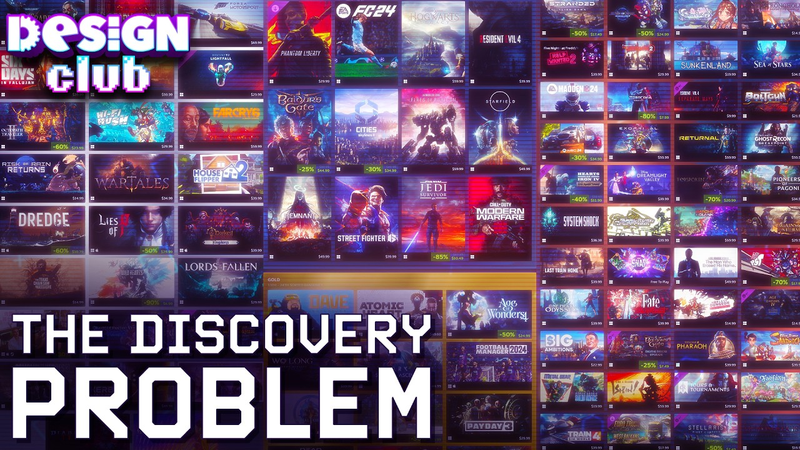
The Discovery Problem | Design Club
The primary challenge for independent game developers in the current digital landscape is navigating the discovery problem, which remains a manageable hurdle for those targeting the dedicated Steam audience.
- The primary driver of game discovery is the ability for players to immediately identify a game's genre and hook from its store page, as shoppers make rapid decisions based on visual clarity.
- Steam's algorithm prioritizes games based on opportunity cost, meaning even highly-rated games may struggle for visibility if they fail to convert impressions into sales compared to other available titles.
- Steam's discovery queue is effective because it targets 'tastemakers'—highly engaged players who act as gatekeepers; if these users engage with a title, they often drive organic growth through word-of-mouth recommendations.
🚨📢 BREAKING NEWS: Fortnite Returns, AI Wars Begin, Netflix Backs Out
The mobile and technology landscape is undergoing significant structural shifts driven by legal settlements, consumer sentiment regarding artificial intelligence, and major corporate consolidation.
- Paramount has acquired Warner Bros. Discovery for $31 per share, casting uncertainty over the future of the latter's gaming division and its high-revenue intellectual properties like the DC Universe and Harry Potter.
- Google is restructuring its platform economy to allow Fortnite's return to the Google Play Store, effectively reducing its standard 30% in-app purchase commission to 20% through 2027.
- Following a partnership between OpenAI and the U.S. Department of Defense, ChatGPT experienced a 295% surge in uninstalls and a decline in new downloads.
How Sub $200K Games Win Discovery and the Steam Algorithm
The micro-indie publishing model prioritizes a high-volume, portfolio-based strategy to navigate the competitive landscape of Steam.
- Micro-indie publisher Polden Publishing operates on a high-volume portfolio model, scaling from 8 releases in 2025 to a target of 20 titles in 2026 with budgets under $200K per game.
- Steam discovery is driven by maintaining consistent daily wishlist velocity, which triggers visibility in key surfaces like the Discovery Queue, Popular Upcoming, and demo trending sections.
- Influencer outreach is managed through a CRM of 20,000 creators, using automated, personalized email chains to target specific cohorts based on their previous engagement with the developer's demos or games.
TWIG Jr: Awards, Predictions, and Gen Alpha's Take on Gaming
Generation Alpha’s gaming preferences reveal a sophisticated shift away from hypercasual mobile titles toward experiences that offer depth, narrative, and social utility.
- Generation Alpha is shifting away from hypercasual mobile games toward indie titles like Hollow Knight and Undertale, citing a preference for mechanical depth and a dislike for intrusive advertising.
- Platforms like Roblox and Fortnite are functioning as essential digital third spaces, though players are showing signs of fatigue regarding the aggressive pop-culture collaborations currently driving Fortnite’s model.
- Children are developing high brand awareness for sports betting platforms like FanDuel and PrizePicks due to the pervasive integration of wagering advertisements into televised sports and gaming environments.
Everyone Got the EA Deal Wrong — This Was NEVER an LBO
The acquisition of Electronic Arts (EA) by the Public Investment Fund (PIF) represents a strategic shift rather than a leveraged buyout.
- The Public Investment Fund (PIF) holds 93% ownership of Electronic Arts, shifting the company's strategy from traditional game development toward a global sports, betting, and media super-platform.
- PIF’s long-term vision for EA centers on integrating interactive gaming with live sports rights and predictive simulation technology, though current management lacks the media-industry expertise required for this transition.
- Large-scale media conglomerates, such as those bidding for Warner Brothers Discovery, are deprioritizing gaming divisions in favor of volume-based streaming and algorithm-driven retention metrics.
🚨📢 BREAKING NEWS: Unity Fee Drama, Netflix vs WB, Casino Games Everywhere 🤯
The mobile gaming and entertainment landscape is currently defined by significant shifts in corporate monetization strategies and evolving genre dominance.
- Unity has implemented an Enterprise Minimum Commitment Program that mandates annual fees between $250,000 and $2 million for large-scale developers based on gross revenue, sparking significant industry backlash regarding developer trust.
- Warner Bros. Discovery has shifted its corporate strategy by rejecting a $108 billion takeover bid from Paramount in favor of a $72 billion deal with Netflix, highlighting the growing market dominance of streaming platforms over traditional media.
- In the U.S. mobile market, Monopoly Go and Royal Match currently lead in absolute in-app purchase (IAP) revenue, while 4X strategy titles like Last War and Whiteout Survival dominate global performance.

TWIG #361 WB Games’ Fate, CoD’s Apology Tour & the UA Financing Trap
The global gaming industry is currently navigating a period of intense structural realignment, characterized by aggressive media consolidation, shifting advertising paradigms, and evolving hardware strategies.
- Large-scale media consolidation, exemplified by potential sales of Warner Bros. Discovery and PIF interest in Electronic Arts, is treating gaming assets as secondary to broader streaming and sports ecosystems, threatening the stability of studios like Avalanche and TT Games.
- The mobile gaming user acquisition landscape is shifting as e-commerce brands increasingly outbid game studios for ad inventory, forcing developers to contend with higher costs and more complex financial leverage.
- Platforms like AppLovin are fundamentally altering mobile monetization by displacing rival game studios in ad space, which paradoxically helps developers by reducing player cannibalization while simultaneously driving up acquisition costs.
Netflix's $83bn Warner deal doesn't value games & why award shows hate mobile | Week in Mobile Games
Netflix’s recent $82.7 billion acquisition of Warner Bros. Discovery highlights a significant strategic ambiguity regarding the role of interactive entertainment in large-scale media mergers.
- Netflix assigned a $0 valuation to the Warner Bros. Games division despite acquiring the company in an $82.7 billion deal, signaling uncertainty regarding the strategic value of interactive entertainment in streaming-focused mergers.
- The acquisition of Warner Bros. Discovery includes major developers like Rocksteady Studios and Avalanche Software, yet their long-term operational autonomy remains in question under Netflix’s current corporate structure.
- Mobile gaming faces a persistent legitimacy gap, evidenced by its continued exclusion from major industry honors like The Game Awards and the BAFTAs, which critics argue favor console-based intellectual property.

What’s next for Warner’s mobile games, why award shows ignore mobile, weird TikTok ads and more
The mobile gaming industry currently faces significant uncertainty regarding the potential acquisition of Warner Bros. Discovery by either Netflix or Paramount.
- Netflix’s potential $72 billion acquisition of Warner Bros. Discovery puts the future of Warner’s mobile game portfolio at risk, as Netflix co-CEO Greg Peters reportedly excluded the gaming division from his valuation of the company.
- Jam City was fined $1.6 million by a California court for violating privacy laws related to its failure to provide opt-out mechanisms for the sale of player information.
- Global consumer spending on mobile games in November reached $6.68 billion, a 2.8% decrease month-on-month, while total downloads fell 4.1% to 3.62 billion.
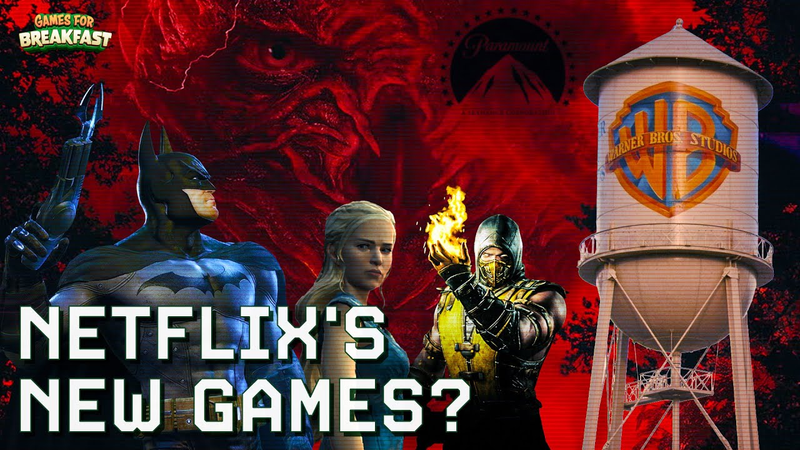
WB Game’s (Possible) Netflix Future, Mario Kart Patch & Game Awards Gossip | Games For Breakfast
The gaming industry is currently navigating a period of intense corporate consolidation and shifting market priorities, exemplified by rumors of a potential $72 billion acquisition of Warner Bros. Discovery by Netflix.
- Rumors of a potential $72 billion acquisition of Warner Bros. Discovery by Netflix highlight a broader industry trend toward massive corporate consolidation.
- Industry consolidation is increasingly associated with negative outcomes for the workforce and consumers, including aggressive monetization, widespread layoffs, and a prioritization of short-term profits over artistic integrity.
- The Game Awards face growing criticism for prioritizing marketing and corporate interests over the recognition of individual creative talent, evidenced by the removal of advocacy programs like the Future Class.